
How to Grow Potatoes in Bags: A Success Guide
Discover how to grow a bumper crop of delicious home-grown potatoes in bags and containers with our expert UK guide. Perfect for small gardens and patios.
Key takeaways
- UK potatoes are generally classified by when they are planted and harvested.
- Southern England gardeners can start earlier; Northern regions and Scotland should wait a few extra weeks.
- Encourage potatoes to sprout before planting for a head start.
- Expert Tip: Brush off dirt, don’t wash until eating; store in cool, dark hessian/paper bags - avoid plastic.
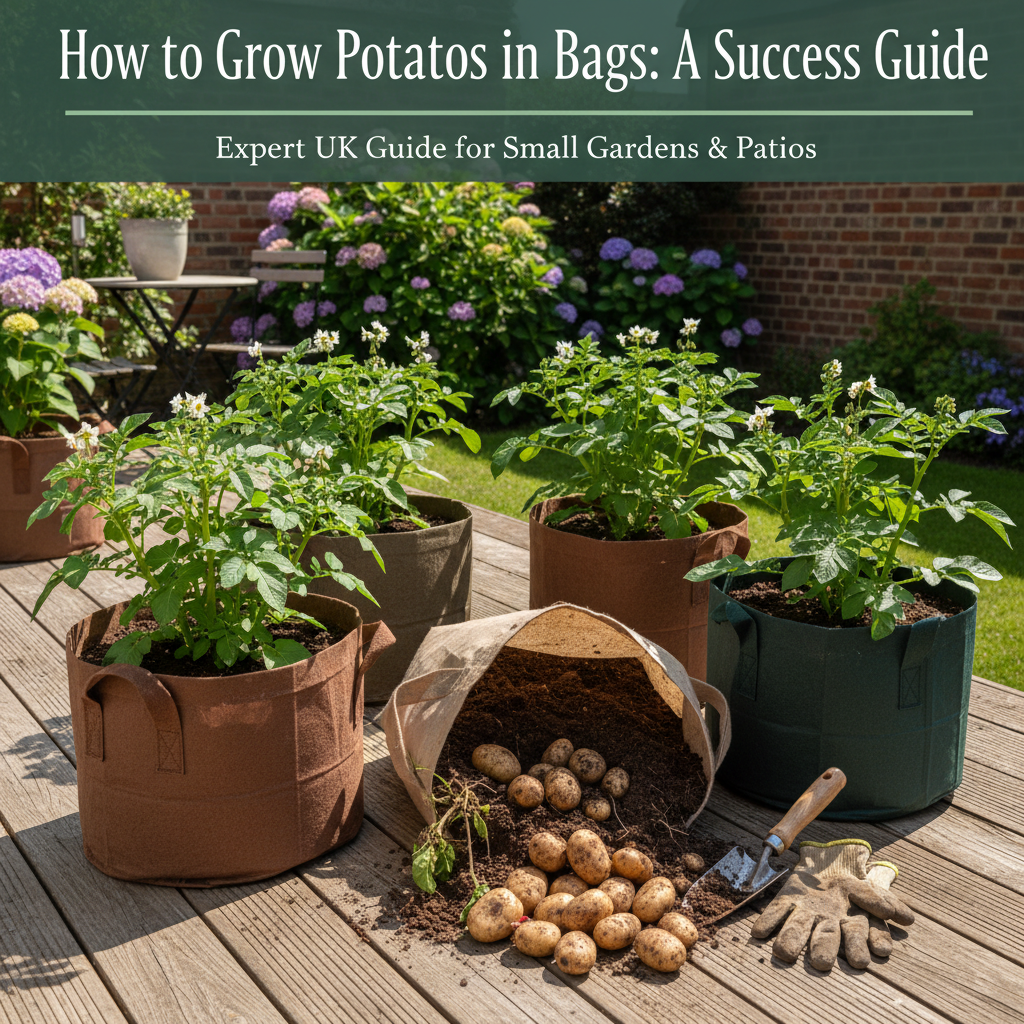
There is nothing quite like the taste of a 'new' potato, harvested from your own garden and plunged straight into a pot of boiling water with a sprig of mint. For many UK gardeners, traditional trench planting isn't practical due to limited space or heavy clay soils.
Growing potatoes in bags or containers changes the game. Whether you have a garden in the Cotswolds or a balcony in London, you can produce a significant harvest of high-quality tubers. This guide covers everything from selecting the right seed potatoes to your final autumn harvest.
Why Grow Potatoes in Bags?
Growing in bags offers several advantages over traditional ground planting:
- Space Efficiency: Grow potatoes on patios, balconies, or even driveways.
- Soil Control: Provide nutrient-rich, well-draining compost regardless of garden soil type.
- Pest Protection: Easier to manage soil-borne pests like wireworms and slugs.
- Easier Harvesting: No back-breaking digging; simply tip the bag to collect tubers.
Choosing Your Potato Varieties
UK potatoes are generally classified by when they are planted and harvested. For bag growing, First Earlies and Second Earlies are ideal due to their fast maturity and lower risk of blight.
1. First Earlies
Classic 'new' potatoes that grow quickly (10–12 weeks) and produce small, waxy tubers.
- Recommended varieties: Swift, Pentland Javelin, Rocket, Casablanca
2. Second Earlies
Mature in 13–15 weeks, offering larger yields and excellent flavour.
- Recommended varieties: Charlotte, Maris Peer, Nicola
3. Maincrops
Remain in the ground for up to 20 weeks. Produce the largest tubers, ideal for roasting or mashing, but need large bags and are more prone to late-summer blight.
- Recommended varieties: Sarpo Mira, King Edward, Maris Piper
The Growing Calendar: Timing is Everything
Timing in the UK depends on the last frost date. Southern England gardeners can start earlier; Northern regions and Scotland should wait a few extra weeks.
- Late Jan–Feb: Buy seed potatoes and start chitting.
- March: Plant First Earlies after frost risk passes.
- April: Plant Second Earlies and Maincrops.
- May: Protect emerging shoots with fleece if frost is forecast.
- June–July: Harvest First Earlies.
- Aug–Sept: Harvest Second Earlies and Maincrops.
Essential Equipment
- Growing Bags: 30–40L heavy-duty fabric bags for air pruning and drainage.
- Compost: High-quality multi-purpose compost.
- Fertiliser: Potato fertiliser or high-potash organic feed.
- Watering Can: For consistent moisture in bags.
Step-by-Step: From Seed to Spud
Step 1: Chitting (Late Winter)
Encourage potatoes to sprout before planting for a head start.
- Place seed potatoes in an egg box with 'eyes' facing up.
- Keep in a cool, bright, frost-free place.
- Wait for 1–2cm dark green or purple sprouts; avoid long, white, spindly sprouts.
Step 2: Preparing the Bag (March/April)
Use the 'earthing up' technique for upward tuber growth.
- Fold down bag sides to one-third height.
- Fill bottom with ~15cm compost.
- Place 2–3 seed potatoes evenly spaced; cover with 10cm compost and water.
Step 3: Earthing Up
When shoots reach 10cm, cover with more compost, leaving tips exposed. Repeat until bag is full to encourage more tubers and prevent greening.
Step 4: Watering and Feeding
Keep compost moist but not waterlogged. Feed fortnightly with liquid seaweed or tomato fertiliser to support tuber development.
Solving Common Problems
Potato Blight
Fungal disease causing brown rot on leaves. Thrives in warm, humid UK summers.
- Prevention: Grow early varieties; choose resistant maincrops like Sarpo Mira.
- Action: Remove affected stems immediately to protect tubers.
Scab
Corky lesions from dry soil during tuber formation.
- Fix: Maintain consistent watering when flowers appear.
Frost Damage
- Fix: Cover bags with horticultural fleece if temperatures dip below 2°C.
Harvesting Your Bounty
- First Earlies: Harvest when flowers open; tubers the size of a hen’s egg are ready.
- Second Earlies & Maincrops: Wait for foliage to yellow and die back.
Tip the bag onto a sheet and sift through compost. Expert Tip: Brush off dirt, don’t wash until eating; store in cool, dark hessian/paper bags - avoid plastic.
Growing potatoes in bags is clean, manageable, and yields superior tubers. Choose the right variety, follow the 'earthing up' method, and ensure water, light, and patience. By midsummer, you'll enjoy your own homegrown potatoes!
Tags
Comments
Join the conversation
Create a free account to leave comments, share photos, and connect with other gardeners.
Related Articles
How to Grow Succulent Strawberries: The Ultimate UK Guide
Master the art of growing delicious British strawberries. From choosing Royal Horticultural Society-approved varieties to organic pest control and winter care.
How to Grow Perfect, Straight Carrots in UK Soils
Master the art of growing crunchy, straight carrots in your UK garden. From avoiding carrot fly to soil prep, here is everything you need for success.
A Guide to Growing Hardback Annuals in the UK
Transform your garden with ease. Discover the best hardy annuals for the UK climate, plus expert tips on sowing, timing, and achieving a beautiful summer display.

Best Summer Flowers for UK Gardens: June to September Colour
Roses, dahlias, geraniums and more: how to choose and care for summer flowers that keep UK gardens blooming right through to autumn.
Growing Dahlias in the UK: Tubers to Overwintering
A complete UK guide to growing dahlias, from planting tubers after the last frost to lifting and storing them safely over winter.
Growing Roses in the UK: The Complete Guide
Everything UK gardeners need to know about choosing, planting, pruning and feeding roses for months of reliable, healthy blooms.