
What to Plant in April in the UK
Discover what to plant in April in the UK, including vegetables, flowers, and herbs, plus expert tips for a thriving spring garden.
Key takeaways
- April marks the crucial transition from early spring to the main growing season across the UK.
- April offers a fantastic opportunity to get a head start on your vegetable patch.
- April is considered the peak planting time for potatoes across much of the UK, allowing them ample time to develop before harvest.
- For heat-loving and tender crops, starting them indoors or in a greenhouse this month provides a crucial head start and protection from lingering cold.
- April is a fantastic month to introduce vibrant colours and attract pollinators to your garden.
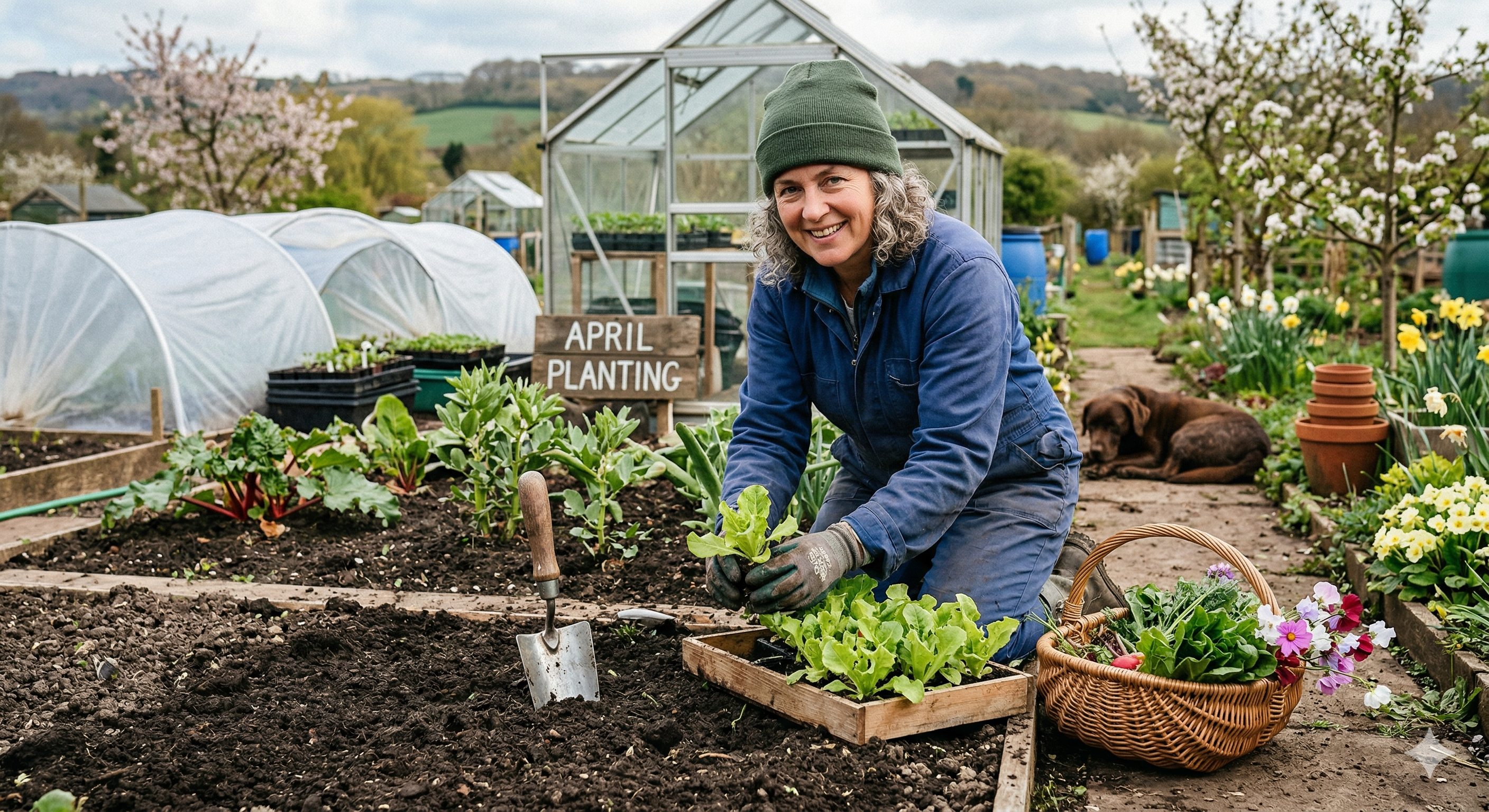
April is one of the most exciting months in the UK gardening calendar. As soil temperatures rise and daylight hours increase, gardeners can finally start sowing a wide range of vegetables, flowers, and herbs outdoor - while still starting tender crops indoors. Whether you’re a beginner, allotment grower, or seasoned gardener, this comprehensive guide covers exactly what to plant in April in the UK, along with essential tips and recommended tools to help you achieve the best results for a thriving garden.
🌼 Why April Is a Key Planting Month in the UK
April marks the crucial transition from early spring to the main growing season across the UK. During this month, soil temperatures become more favourable, seeds germinate faster, and young plants establish themselves more quickly. This makes it an ideal time to kickstart your garden.
However, late frosts are still a common occurrence across many parts of the UK, particularly in northern regions or during unexpected cold snaps. It’s vital to balance your planting enthusiasm with caution, especially when dealing with tender crops that are susceptible to cold damage.
🥕 Vegetables to Plant in April UK
April offers a fantastic opportunity to get a head start on your vegetable patch. Here’s a breakdown of what you can sow directly outdoors and what benefits from an indoor start.
✅ Vegetables to Sow Outdoors in April
These hardy crops are well-suited to the cooler April temperatures and can be sown directly into prepared garden soil:
- Carrots: Sow thinly in drills for straight roots.
- Beetroot: Easy to grow and versatile for cooking.
- Radishes: Quick to mature, perfect for early harvests.
- Turnips: Both roots and greens are edible.
- Lettuce: Various types can be sown for continuous salads.
- Spinach: A fast-growing leafy green.
- Rocket: Adds a peppery kick to meals.
- Spring Onions: Simple to grow and a kitchen staple.
- Peas: Support with canes or netting as they grow.
- Parsnips: Best sown in early April for a long growing season.
💡 Pro Tip: Successional Sowing
To ensure a continuous supply of fresh vegetables throughout the season, sow small batches of these crops every 2–3 weeks. This prevents everything from maturing at once and provides a steady harvest.
🥔 Plant Potatoes in April
April is considered the peak planting time for potatoes across much of the UK, allowing them ample time to develop before harvest.
- Early April: Ideal for planting 'second early' potato varieties.
- Mid–late April: The perfect window for planting 'maincrop' potatoes.
Plant your potato tubers in trenches approximately 10–15cm deep. As the shoots begin to grow, remember to “earth up” by mounding soil around the emerging foliage. This practice protects the developing tubers from frost and sunlight (preventing greening) and significantly improves overall yields.
🌽 Start These Tender Vegetables Indoors in April
For heat-loving and tender crops, starting them indoors or in a greenhouse this month provides a crucial head start and protection from lingering cold. This allows them to develop into strong seedlings before outdoor conditions are consistently warm enough.
- Tomatoes: Sow seeds in trays or small pots.
- Courgettes: Plant seeds individually into larger pots as they grow quickly.
- Pumpkins & Squash: Similar to courgettes, give them space.
- Sweetcorn: Can be started in modules or pots.
- Cucumbers: Best started indoors for a good yield.
⚠️ Important: These tender plants should only be transplanted outdoors after all risk of frost has passed, which is typically mid–late May in most UK regions. Harden them off gradually before planting out.
🌸 Flowers to Plant in April for a Colourful Garden
April is a fantastic month to introduce vibrant colours and attract pollinators to your garden. Here’s what you can plant for beautiful blooms.
🌼 Sow Hardy Annuals Outdoors
These resilient flowers can be sown directly into your garden beds in April, providing instant colour and benefiting local wildlife:
- Calendula (Pot Marigold): Cheerful orange and yellow blooms.
- Cornflowers: Beautiful blue flowers, excellent for cutting.
- Poppies: Delicate and often self-seeding.
- Nigella (Love-in-a-mist): Unique flowers with interesting seed pods.
- Sweet Peas: Fragrant climbers that need support.
These flowers are not only beautiful but also resilient and great for attracting beneficial pollinators like bees and butterflies to your garden.
🌺 Start Summer Flowers Indoors
For a truly vibrant and extended summer display, start these tender annuals indoors in April. This gives them a head start and protects them from early spring chills:
- Cosmos: Daisy-like flowers in a range of colours.
- Zinnias: Bright, bold, and long-lasting blooms.
- Sunflowers: Iconic and impressive, loved by birds.
- Nicotiana (Flowering Tobacco): Fragrant flowers, especially in the evening.
🌷 Bulbs & Perennials to Plant in April
April is an ideal time to plant a variety of bulbs and perennials that will provide stunning displays later in the season and for years to come.
- Gladioli: Plant corms for tall, dramatic flower spikes.
- Lilies: Elegant and often fragrant, plant bulbs in well-drained soil.
- Dahlias: Plant tubers for spectacular, long-lasting blooms (protect from late frosts).
- Hardy Geraniums: Reliable and long-flowering groundcover or border plants.
- Salvias: Attract pollinators with their spires of colourful flowers.
- Foxgloves: Tall, stately biennials that self-seed readily.
🌿 Herbs to Grow in April
Fresh herbs are a joy in any garden. April offers opportunities to sow, start, and plant out a variety of culinary favourites.
Sow Outdoors
- Parsley: Both flat-leaf and curly varieties.
- Coriander: Sow little and often for a continuous supply.
- Dill: Feathery leaves and delicate flowers.
- Chives: Easy to grow and perennial.
Start Indoors
- Basil: A tender herb that needs warmth to thrive.
Plant Out
If you have established plants or bought young plants, April is a good time to plant out hardy perennial herbs:
- Rosemary: A woody evergreen shrub.
- Thyme: Low-growing and aromatic.
- Sage: Robust and flavourful.
- Oregano: Spreads easily and is great for cooking.
🌞 Gardener's Tip: Many Mediterranean herbs, such as rosemary, thyme, and oregano, thrive in sunny, well-drained soil. Avoid waterlogging to keep them healthy.
🍓 Fruit to Plant in April
April is an excellent time to establish new fruit plants, giving them a chance to settle in before the summer heat.
- Strawberry Runners: Plant new runners for next year's crop.
- Raspberry Canes: Both summer and autumn-fruiting varieties can be planted.
- Blueberry Bushes: Ensure you plant in acidic soil.
- Fruit Trees: Bare-root trees are best planted earlier, but potted trees can go in now.
The mild conditions of April help new fruit plants establish their root systems quickly, setting them up for successful growth and future harvests.
🛠️ Essential Gardening Tools for April Planting
To make your April planting tasks easier, more efficient, and ultimately more successful, having the right tools at hand is crucial. Here are some highly recommended gardening essentials that will prove invaluable this month:
🏆 Editor's Pick
Heated Propagator
For giving tender seeds the best possible start and extending your growing season.
Heated Propagator
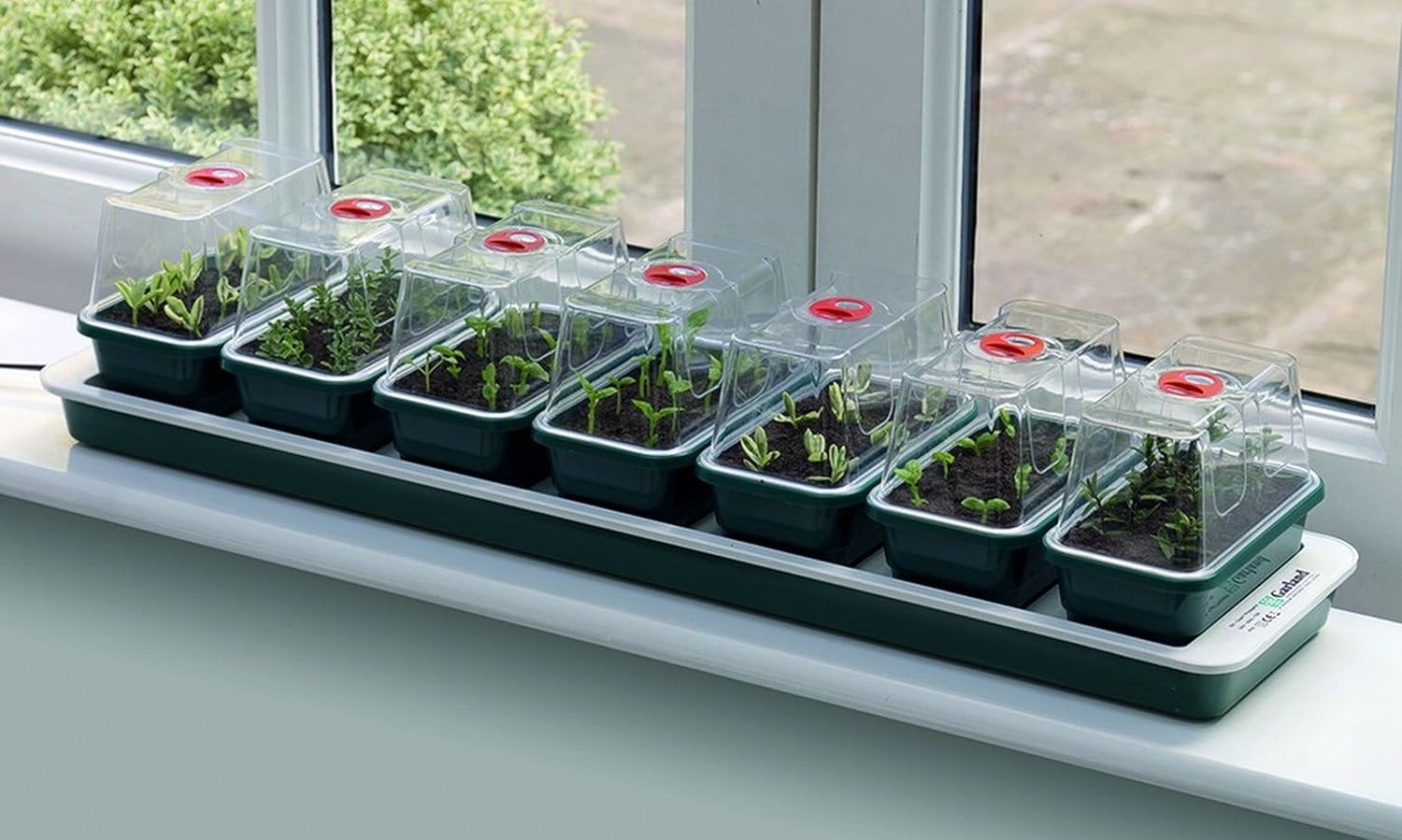
Best for: Early seed germination & tender plants
| Spec | Detail |
|---|---|
| Type | Heated/Unheated options available |
| Primary Use | Germinating tomatoes, peppers, chillies, and other tender plants |
| Key Benefit | Provides consistent warmth, significantly speeds up germination rates |
✅ Pros
- Maintains optimal soil temperature for seeds
- Dramatically increases germination success rates
- Effectively extends your growing season
- Protects delicate seedlings from cold drafts
❌ Cons
- Requires an electrical outlet (for heated models)
- Can be bulky, taking up valuable indoor space
- Initial investment cost
A heated propagator is an invaluable tool for germinating heat-loving seeds like tomatoes, peppers, and other tender plants. It helps maintain consistent warmth, which is crucial for speeding up germination and giving your seedlings the best possible start, especially in the often-cool UK spring conditions.
Gardening Gloves
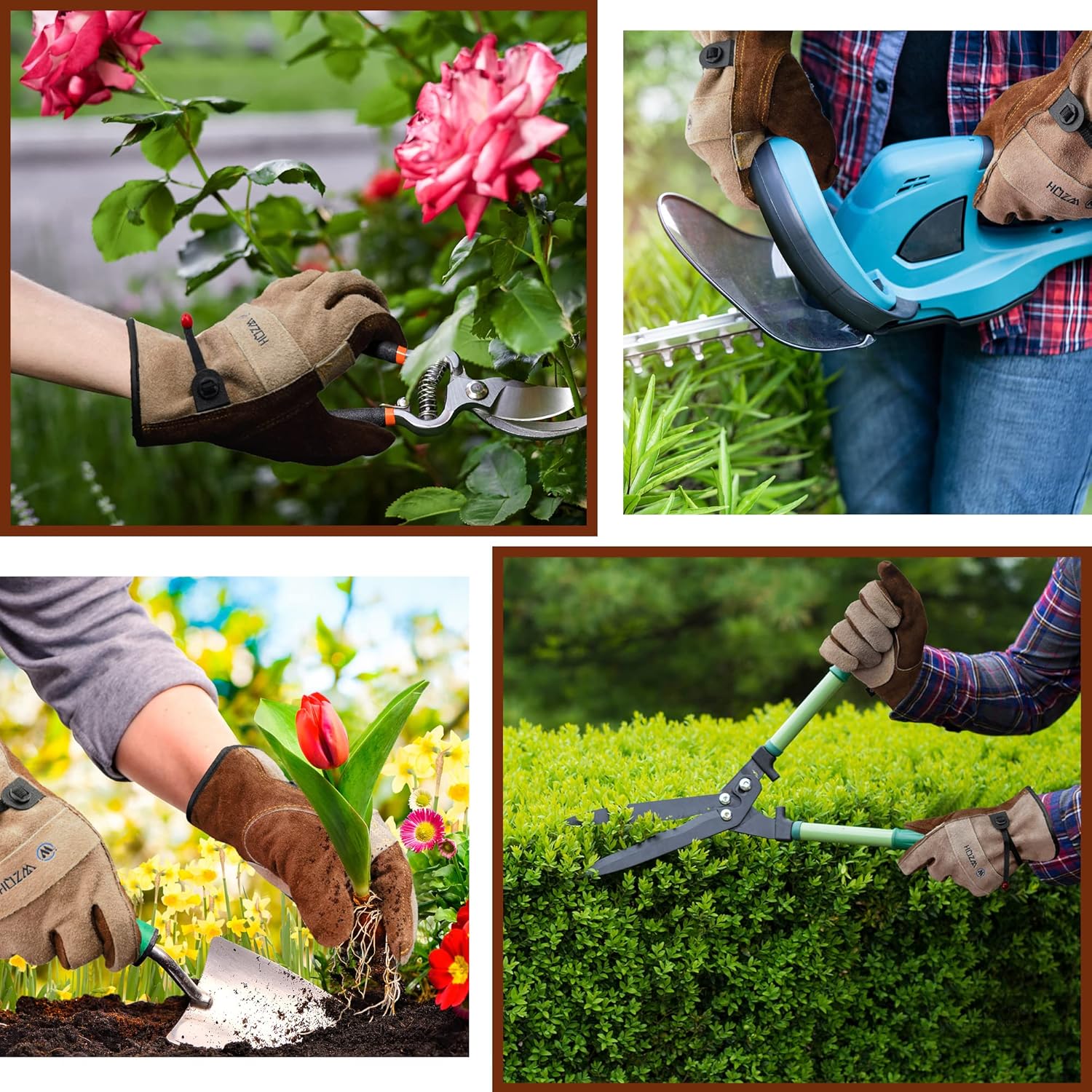
Best for: Hand protection & enhanced grip
| Spec | Detail |
|---|---|
| Material Options | Leather (durability), Nitrile (waterproof), Bamboo (breathable) |
| Key Features | Breathable, waterproof, thorn-resistant, good dexterity |
| Typical Use | Sowing seeds, planting seedlings, weeding, soil preparation, pruning |
✅ Pros
- Effectively protects hands from thorns, blisters, and dirt
- Significantly improves grip on tools and plants
- Keeps hands clean and dry during messy tasks
- Available in various materials for different needs
❌ Cons
- Some materials can reduce fine dexterity
- May cause hands to sweat in very hot weather
- Can wear out over time with heavy use
A good pair of gardening gloves is an absolute must-have for all your April tasks, from sowing tiny seeds to preparing soil. They protect your hands from thorns, blisters, and general grime, while also improving your grip on tools. Look for breathable, waterproof, and thorn-resistant options suitable for the varied UK weather.
Hand Trowel & Fork Set
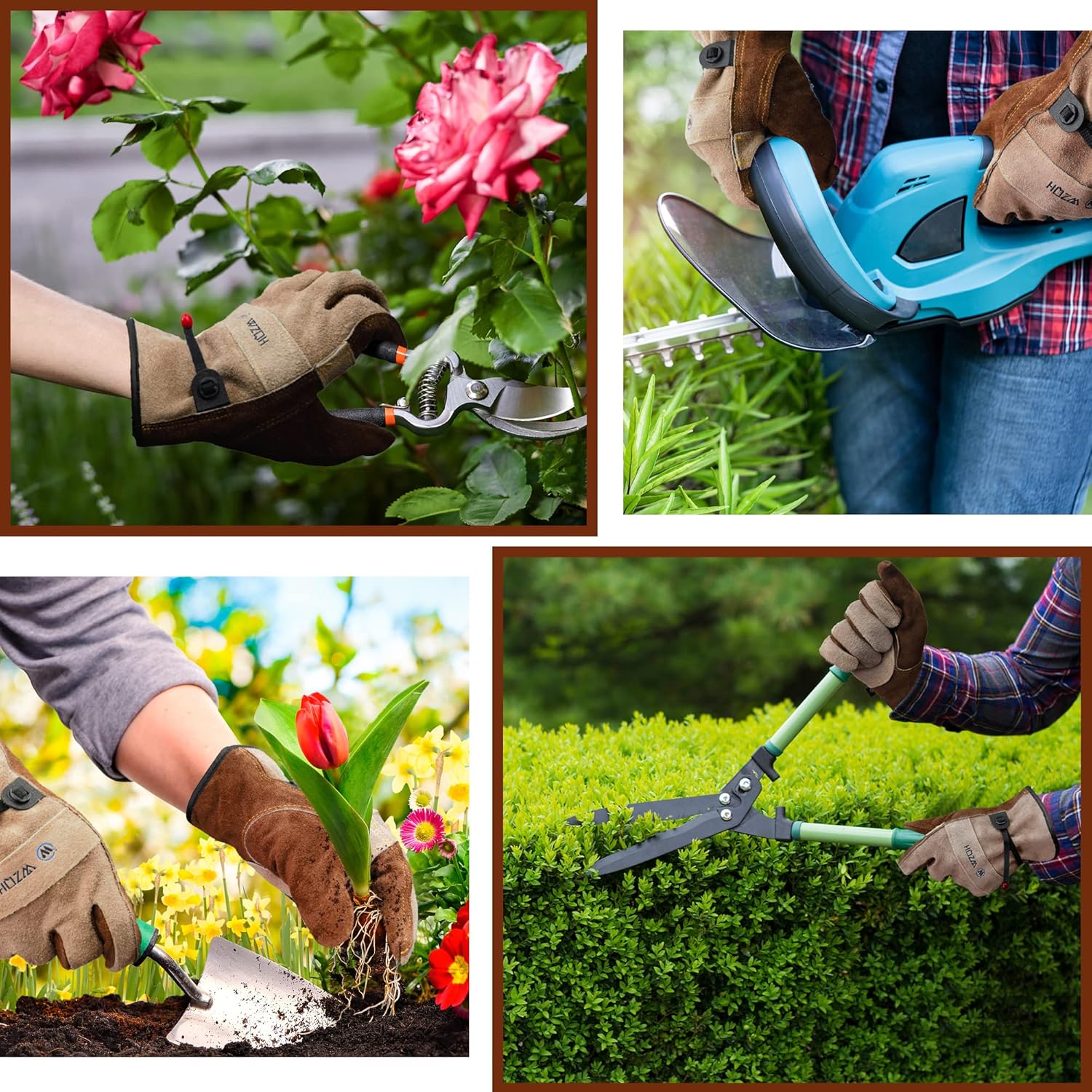
Best for: Precision planting & small-scale tasks
| Spec | Detail |
|---|---|
| Recommended Material | Stainless steel for rust resistance and durability |
| Primary Uses | Planting seedlings, bulbs, herbs, weeding, light digging |
| Ideal For | Container gardening, raised beds, small garden patches, delicate work |
✅ Pros
- Absolutely essential for accurate and precise planting
- Highly durable, especially models made from stainless steel
- Extremely versatile for a wide range of small gardening tasks
- Comfortable handles reduce hand fatigue
❌ Cons
- Not designed for heavy-duty digging or large areas
- Handle comfort and grip can vary significantly between brands
- Can be easily misplaced in a busy garden
A reliable hand trowel and fork set is indispensable for planting seedlings, bulbs, and herbs with precision. These tools are perfect for working in containers, raised beds, or smaller garden patches, allowing for delicate soil work and accurate placement. Opt for stainless steel versions for superior durability and rust resistance.
Garden Cloches & Plant Covers
Best for: Frost protection & accelerating early growth
| Spec | Detail |
|---|---|
| Available Types | Bell cloches, tunnel cloches, horticultural fleece covers |
| Primary Function | Protecting young plants from late frosts, cold winds, and pests |
| Key Benefit | Creates a mini-greenhouse effect, extends the growing season significantly |
✅ Pros
- Provides crucial protection from unexpected late frosts and cold winds
- Significantly accelerates plant growth by trapping warmth
- Effectively deters common garden pests and birds
- Extends the planting and harvesting season
❌ Cons
- Can cause plants to overheat on very sunny days if not vented
- May require secure anchoring in windy conditions to prevent blowing away
- Some types can be cumbersome to move or store
Given the unpredictable nature of UK spring weather, garden cloches and plant covers are essential for protecting your vulnerable young plants from unexpected late frosts and cold winds. They create a beneficial mini-greenhouse effect, which not only shields plants but also accelerates their growth, helping you get a head start on the season.
Watering Can with Rose Head
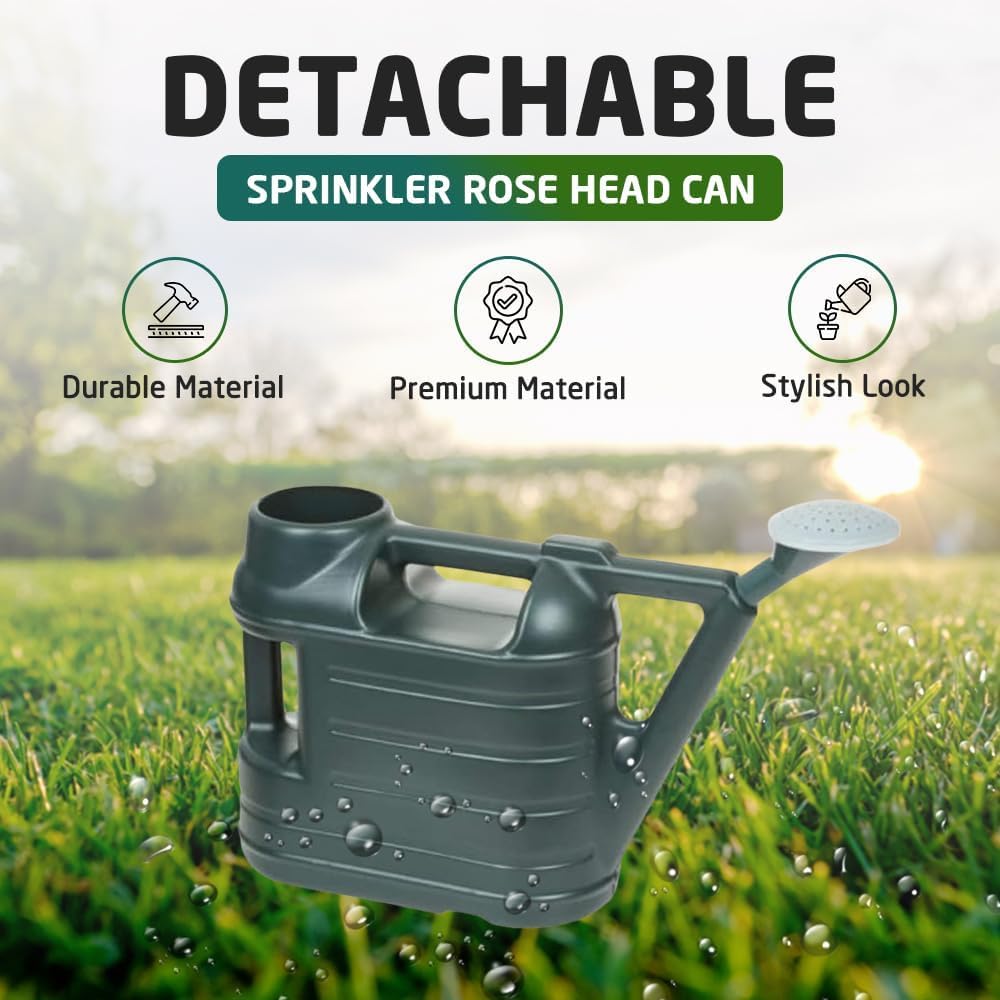
Best for: Gentle and even watering of delicate seedlings
| Spec | Detail |
|---|---|
| Capacity Range | Commonly 5L, 10L, or smaller indoor options |
| Key Feature | Detachable fine rose head for a gentle spray |
| Primary Use | Watering delicate seedlings, newly sown seeds, and young plants |
✅ Pros
- Ensures gentle, even watering without dislodging seeds or soil
- Prevents soil disturbance and the washing out of newly sown seeds
- Perfectly suited for fragile young plants and tender seedlings
- Promotes healthy root development by avoiding harsh water streams
❌ Cons
- Can become heavy and cumbersome when completely full
- The fine rose head may occasionally clog with debris or sediment
- Less efficient for watering very large areas quickly
A watering can equipped with a fine rose head is indispensable for nurturing delicate seedlings and newly sown seeds. It ensures a gentle, even distribution of water, preventing soil disturbance and the washing out of tiny seeds. This controlled watering is crucial for the successful establishment of your young plants.
⚠️ What Not to Plant Outdoors Yet in April
While April is a busy planting month, it's crucial to exercise caution with certain tender plants. Avoid planting these directly outdoors in April due to the persistent risk of late frosts, which can severely damage or kill them:
- Tomatoes: Highly susceptible to cold.
- Chillies & Peppers: Require consistent warmth.
- Courgettes & Cucumbers: Frost will kill young plants.
- Bedding Plants: Many popular annual bedding plants are tender.
Golden Rule: Always wait until after the last expected frost date (typically mid-to-late May in most UK regions) before transplanting these tender plants outdoors. Gradually harden them off over a week or two before their final planting.
🌼 April Gardening Tips for Success
Maximise your April planting success with these essential gardening tips:
- ✔️ Monitor Frost Forecasts: Regularly check local weather forecasts for any predicted late frosts and be prepared to cover tender plants.
- ✔️ Warm the Soil: Use cloches, horticultural fleece, or even black plastic sheeting to warm up soil before sowing, encouraging faster germination.
- ✔️ Prepare Beds Thoroughly: Dig in plenty of well-rotted compost or manure to enrich your soil, providing essential nutrients for strong growth.
- ✔️ Sow Little and Often: Practice successional sowing for crops like lettuce and radishes to ensure a continuous harvest throughout the season.
- ✔️ Label Everything: Clearly label all your seedlings and sown rows to avoid confusion later on – it's easy to forget what's what!
- ✔️ Harden Off Seedlings: Before planting out indoor-started seedlings, gradually acclimatise them to outdoor conditions over 7-10 days.
📅 Quick April Planting Checklist
Here’s a concise summary of your April gardening tasks:
Sow Outdoors:
Carrots, Beetroot, Radishes, Lettuce, Spinach, Peas, Spring Onions, Hardy Annual Flowers (e.g., Calendula, Cornflowers)
Start Indoors:
Tomatoes, Courgettes, Pumpkins, Sweetcorn, Cucumbers, Tender Annual Flowers (e.g., Cosmos, Zinnias), Basil
Plant Out:
Second Early & Maincrop Potatoes, Strawberry Runners, Raspberry Canes, Blueberry Bushes, Gladioli, Lilies, Dahlias (with protection), Hardy Perennial Herbs (e.g., Rosemary, Thyme)
🌱 April Planting
April truly lays the foundation for your entire gardening year. The effort and planning you put in now will set the stage for abundant summer harvests and spectacular colourful displays. By carefully choosing the right crops for the right conditions, diligently protecting against the risk of late frosts, and utilising reliable gardening tools, you’ll give your garden the best possible start for a successful and rewarding growing season.
Frequently Asked Questions: April Planting
What vegetables can I sow directly outdoors in the UK in April?
Which plants should I start indoors in April in the UK?
When should I plant potatoes in April in the UK?
What flowers can I plant in April for summer blooms?
What are the essential gardening tools for April planting?
How can I protect my plants from late frosts in April?
Why is April a crucial month for UK gardeners?
Tags
Comments
Join the conversation
Create a free account to leave comments, share photos, and connect with other gardeners.
Related Articles
What to Do in the Allotment in April
April is when your allotment shifts from planning to action. With longer days and warming soil, this is the month that sets the tone for your entire growing season.

November Gardening Guide: What to Plant for a Thriving Garden
Discover what to plant in November for a thriving garden in the UK. Get a head start on the gardening year, with tips on sowing vegetables, growing beautiful flowers, and planting fruit trees in this comprehensive November gardening guide. Start your garden planning now!
What to Sow and Plant in March (Veg & Flowers) – UK Guide
How to Plant Your First Garden: A Beginner’s Step-by-Step Guide
Plant your first garden with confidence. A beginner’s step-by-step guide covering soil prep, tools, and simple planting basics.
Types of beginner garden plants: UK guide 2026
Discover essential types of beginner garden plants in this UK guide. Choose the right plants to boost your gardening success and confidence!

How High Can Your Garden Fence Be? – UK Rules & Practical Advice
Before building or replacing a fence in the UK, check legal height limits and planning permission requirements to avoid penalties.