
How to Grow Perfect, Straight Carrots in UK Soils
Master the art of growing crunchy, straight carrots in your UK garden. From avoiding carrot fly to soil prep, here is everything you need for success.
Key takeaways
- There is a singular pleasure in pulling a fresh carrot from the earth, rinsing it under the garden tap, and taking that first, incredibly sweet crunch.
- Before you pick up a trowel, you must choose the right variety.
- Sowing too early into cold, wet soil will lead to the seeds rotting before they germinate.
- Carrots are the 'divas' of the root vegetable world when it comes to soil texture.
- The carrot fly ( Psila rosae ) is the primary nemesis of the UK gardener.
Introduction: The Joy of the Home-Grown Carrot
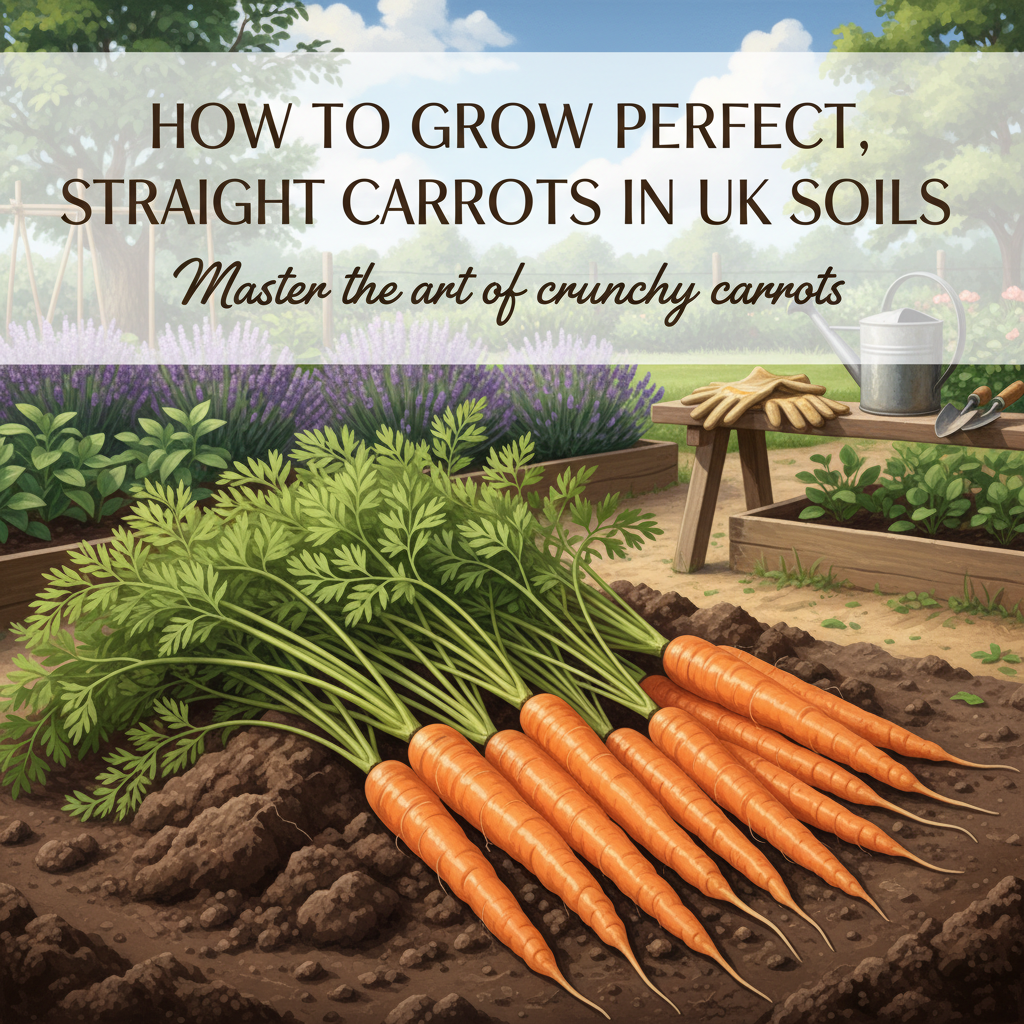
There is a singular pleasure in pulling a fresh carrot from the earth, rinsing it under the garden tap, and taking that first, incredibly sweet crunch. For many UK gardeners, however, the carrot remains an elusive prize. All too often, what promised to be a prize-winning specimen emerges from the ground stunted, 'forked', or riddled with the telltale tunnels of the dreaded carrot fly.
Growing carrots in the UK isn't necessarily difficult, but it does require a specific approach tailored to our temperate climate and often heavy, clay-based soils. In this comprehensive guide, we will walk you through the journey from seed to harvest, ensuring you overcome common obstacles to produce a bumper crop of straight, delicious roots.
Choosing the Right Variety for Your Garden
Before you pick up a trowel, you must choose the right variety. The Royal Horticultural Society (RHS) classifies carrots into several groups based on their shape and maturity speed. In the UK, your choice should be dictated by your soil type and when you want to harvest.
Early Starters: Nantes and Amsterdam Forcing
If you want a crop as early as June, look for 'Amsterdam Forcing' or 'Nantes' types. These are cylindrical, blunt-ended, and fast-growing.
- Top Pick: Nantes 2 – reliable, sweet, and fast to mature.
Maincrop: Chantenay and Autumn King
For a robust crop that can be stored through the winter, Maincrop varieties are best.
- Chantenay types (e.g., 'Chantenay Red Cored'): These are short and conical. They are the best choice for heavy or stony UK soils because they don't need to push as deep into the ground.
- Autumn King types: These produce large, tapering roots that are incredibly hardy and can be left in the ground during a mild British winter.
Pest Resistance
If you have struggled with carrot fly in the past, consider F1 varieties bred for resistance, such as 'Flyaway' or 'Resistafly'.
Timing: When to Sow in the UK
Timing is everything in the British vegetable garden. Sowing too early into cold, wet soil will lead to the seeds rotting before they germinate.
- Early Crops: Sow under cloches or in a cold frame from late February to March.
- Maincrop: Sow outdoors between April and early July.
- Succession Sowing: For a continuous supply, sow small batches every three to four weeks from April until the end of June.
Expert Tip: Pay attention to the ground temperature. Carrots need a soil temperature of at least 7°C to germinate effectively. In the North of England and Scotland, it is often wise to wait until mid-April for your first outdoor sowing.
Soil Preparation: The Secret to Straight Roots
Carrots are the 'divas' of the root vegetable world when it comes to soil texture. If their taproot hits a stone or a pocket of fresh manure, it will divert or split, resulting in 'forking'.
Avoid Fresh Manure
Never grow carrots in a bed that has been recently manured. The high nitrogen content and the uneven texture will cause the roots to fork and become hairy. Carrots are best grown in a spot that was heavily manured for a previous crop (like brassicas or leeks) the year before.
Achieving the Right Texture
Aim for a fine, crumbly 'tilth'.
- Clear the debris: Remove every stone or large twig you can find.
- Lighten the load: If you have heavy clay soil, do not despair. Instead of digging deep, incorporate well-rotted leaf mould or horticultural sand to improve drainage and texture.
- Raised beds: If your garden soil is very stony, the easiest way to grow perfect carrots is in raised beds filled with a mix of topsoil and sieved garden compost.
How to Sow Carrot Seeds
Carrot seeds are tiny, making them easy to oversow. This leads to overcrowding and more work later on.
- Create Drills: Use the edge of a hoe or a stick to create a shallow drill about 1cm deep. Rows should be roughly 15-20cm apart.
- Water the Drill: Always water the bottom of the drill before sowing. This ensures the seeds have moisture exactly where they need it without washing the tiny seeds away.
- Sow Thinly: Try to space the seeds about 1cm apart. A common trick is to mix the seed with a little dry horticultural sand in your palm; this helps you 'pinch' and spread the seeds more evenly.
- Cover Gently: Lightly cover the seeds with soil and firm down with the back of a rake.
The Carrot Fly Challenge
The carrot fly (Psila rosae) is the primary nemesis of the UK gardener. The adult fly is attracted by the scent of carrot foliage, particularly when it is crushed or bruised during thinning. The larvae then burrow into the roots, leaving brown, rotten tunnels.
Prevention Strategies
- The Barrier Method: Carrot flies are low fliers (usually staying below 60cm). Surrounding your crop with a 60-90cm high fence of fine horticultural fleece or 'Enviromesh' is the most effective organic solution.
- Timing your Thinning: Only thin your carrots in the evening when the flies are less active.
- Mask the Scent: Interplant your carrots with onions, garlic, or leeks. The strong smell of the alliums helps to confuse the carrot fly's sense of smell.
- Avoid Bruising: When pulling weeds or thinning, be as gentle as possible to minimize the release of that 'carrot' aroma.
Caring for Your Growing Crop
Once your carrots have germinated (which can take up to 21 days), they require relatively little maintenance, but consistency is key.
Watering
Carrots are drought-tolerant, but erratic watering causes the roots to split. If we experience a dry spell in the UK (it does happen!), water deeply once a week rather than a light sprinkle every day. This encourages the roots to grow downwards in search of moisture.
Thinning
If you sowed too thickly, you will need to thin the seedlings so they have room to swell. Aim for a final spacing of 5-7cm between plants. Instead of pulling the unwanted seedlings (which disturbs the roots of the ones you want to keep), you can use a small pair of scissors to snip the tops off at ground level.
Weeding
Carrots are poor competitors. Keep the rows free of weeds, but be careful not to damage the carrot shoulders with a hoe. Hand-weeding is safest.
Harvesting and Storage
When to Harvest
- Early varieties: Harvest as soon as they are large enough to eat—usually about the size of a finger. These are most tender.
- Maincrop: These can be harvested from August through to October.
- Winter Storage: In most parts of the UK, you can leave carrots in the ground and pull them as needed. If a very hard frost is forecast, cover the bed with a thick layer of straw or bracken to prevent the ground from freezing, which makes harvesting impossible.
How to Store
If you have a large harvest and want to clear the bed, lift the carrots on a dry day. Cut the green tops off (leave about 1cm of stem) to prevent moisture loss. Store them in a 'clamp' or a box filled with damp sand or peat-free compost. Keep the box in a cool, dark, frost-free place like a shed or garage. Check them periodically and remove any that show signs of rot.
Common Trouble-Shooting
- Forked Roots: Caused by stones, fresh manure, or transplanting. Always sow carrots directly where they are to grow; they do not like being moved.
- Green Shoulders: This happens when the top of the carrot is exposed to sunlight. Simply 'earth up' the soil around the base of the plants to keep the shoulders covered.
- Bitter Taste: Often caused by heat stress or the carrots being too old. Keep them well-watered and harvest at the peak of their size for the variety.
Conclusion
Growing the perfect carrot is a rite of passage for the UK gardener. While our heavy soils and persistent pests like the carrot fly present challenges, they are easily overcome with the right variety selection and protective measures. By focusing on soil texture and timing your sowing with the British seasons, you can enjoy a harvest that is worlds apart from the bland, plastic-wrapped offerings found in supermarkets.
Get your seeds in the ground this spring, protect them with a bit of mesh, and prepare for the sweetest crunch of the summer!
Tags
Comments
Join the conversation
Create a free account to leave comments, share photos, and connect with other gardeners.
Related Articles
Year-Round Salad Leaves: A Guide for UK Gardeners
Discover how to grow fresh, organic salad leaves in your UK garden all year round. Expert tips on varieties, sowing schedules, and winter protection.
How to Grow Succulent Strawberries: The Ultimate UK Guide
Master the art of growing delicious British strawberries. From choosing Royal Horticultural Society-approved varieties to organic pest control and winter care.

Winter Garden Tidying
Winter might seem like a quiet time in the garden, but it's crucial for laying the groundwork for a spectacular spring and summer. This guide provides UK gardeners with actionable advice on essential winter tidying tasks, from preparing your soil to maintaining tools and creating a pest-free environment.
Winter Lawn Care UK: Your Essential Guide to a Resilient Lawn
Ensuring your lawn thrives through the UK's colder months requires specific preparation. This guide from Garden-Review provides essential, actionable advice to safeguard your lawn against winter stresses, from correct autumnal mowing to combating common issues like moss and fungal diseases, guaranteeing a vibrant return in spring.

What to Plant in May: Your UK Garden Guide
May is a pivotal month in the UK gardening calendar, marking the true arrival of warmer weather and the departure of late frosts across much of the nation. This comprehensive guide from Garden-Review will help you get the most out of your garden, detailing exactly what vegetables, herbs, flowers, and fruits you can confidently sow and plant for a bountiful year.

Autumn Lawn Care
Autumn is a pivotal time for your lawn's health, laying the groundwork for a lush, disease-resistant turf next spring. This comprehensive guide covers all essential tasks for UK gardeners, from tailored feeding regimes to effective moss and weed control, ensuring your lawn thrives through the colder months.