
Growing Dahlias in the UK: Tubers to Overwintering
A complete UK guide to growing dahlias, from planting tubers after the last frost to lifting and storing them safely over winter.
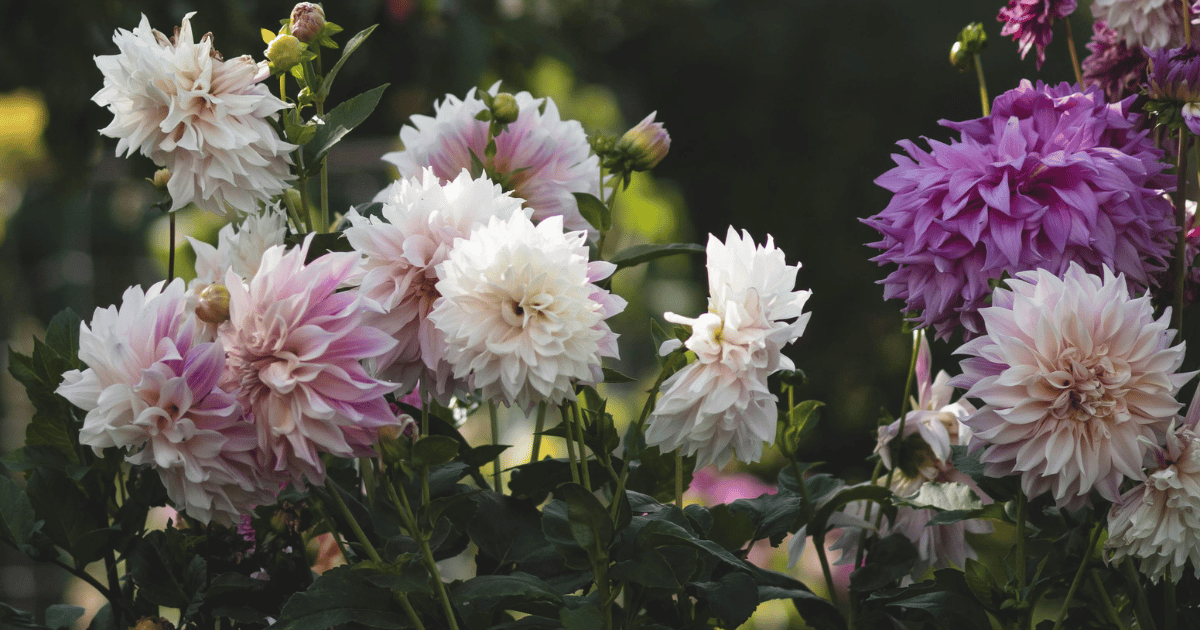
Dahlias thrive in the UK from late May, once frost risk has passed, through to the first hard frosts of autumn, given a sunny spot, fertile soil and regular deadheading. Most UK gardeners lift tubers after the foliage is blackened by frost and store them frost-free over winter, replanting the following spring. With the right routine, one tuber can flower for a decade or more.
Key takeaways
- Plant tubers or young plants out after the last frost, typically mid-to-late May in most of the UK.
- Stake tall varieties at planting time, not once they've toppled.
- Deadhead weekly through summer for continuous flowering into autumn.
- Lift and store tubers after the first blackening frost, especially on heavy clay soils.
- Watch for slugs, earwigs and aphids, which spread dahlia viruses.
Choosing and starting tubers
Buy firm, plump tubers in early spring from a reputable supplier; avoid any that are shrivelled or soft. From March, pot tubers individually into peat-free compost in a frost-free greenhouse or porch, with the crown just above the surface. This gives sturdy young plants and lets you take basal cuttings if you want to bulk up stock.
Best dahlia types for UK gardens
| Type | Height | Flowering | Best for |
|---|---|---|---|
| 'Bishop of Llandaff' | 90cm | July-Oct | Borders, dark foliage contrast |
| Pompon varieties | 60-90cm | Aug-Oct | Cutting gardens |
| Dinnerplate types e.g. 'Café au Lait' | 90-120cm | Aug-Oct | Weddings, statement blooms |
| Collarette dahlias | 75-100cm | Jul-Oct | Pollinators, single-flowered |
| Bedding dahlias e.g. 'Bishop's Children' | 45-60cm | Jun-Oct | Pots and containers |
Planting out
Choose a sunny, sheltered spot with fertile, free-draining soil; dahlias sulk in shade and rot in waterlogged ground. Dig in well-rotted manure or garden compost beforehand. Space plants 45-75cm apart depending on variety, and plant tubers around 10-15cm deep. See our grow guides for more on soil preparation.
Staking and support
Insert stakes or a ring of canes at planting time so roots aren't damaged later. Taller varieties and dinnerplate types need robust support, tied in loosely as they grow. Pinching out the growing tip when plants reach 30cm encourages bushier growth and more flowering stems.
Feeding, watering and deadheading
Water well in dry spells, particularly for container-grown dahlias, and feed with a high-potash fertiliser such as tomato feed every couple of weeks once flowering begins. Deadhead regularly, cutting spent flowers back to a leaf joint, to keep plants producing new blooms right through to the first frosts.
Task calendar
- March: pot tubers under cover to start into growth
- April: harden off young plants; prepare planting beds
- Late May: plant out after last frost
- June: stake, pinch out tips, watch for slugs and earwigs
- July-September: deadhead weekly, feed fortnightly
- October-November: lift tubers after first blackening frost
- Winter: store tubers frost-free, checking monthly for rot
Lifting and overwintering tubers
Once frost has blackened the foliage, cut stems down to about 10-15cm, carefully lift tubers with a fork and shake off excess soil. Turn upside down for a couple of weeks to drain moisture from the hollow stems, then store in trays of dry compost, sand or vermiculite in a frost-free shed or garage. Check periodically over winter and discard any tubers showing rot.
Pests and diseases
Slugs and earwigs are the main early threats to young growth, while aphids can spread incurable viruses, so control them promptly. According to the RHS growing guide, good air circulation and hygiene around plants reduces the risk of powdery mildew later in the season. For general seasonal pest advice, see our seasonal guide hub.
The bottom line
Dahlias reward fairly modest effort with an exceptionally long, colourful flowering season that keeps borders and cutting gardens going well into autumn, long after many other perennials have finished. Get staking, feeding and deadheading right through summer, then take the time to lift and store tubers properly, and the same plants will perform even better the following year.
Frequently Asked Questions
When should I plant dahlia tubers in the UK?
Do dahlias need to be lifted every winter?
How do I stop earwigs and slugs eating dahlias?
Why are my dahlia leaves turning pale with mottling?
How often should I deadhead dahlias?
Tags
Comments
Join the conversation
Create a free account to leave comments, share photos, and connect with other gardeners.
Related Articles

Best Summer Flowers for UK Gardens: June to September Colour
Roses, dahlias, geraniums and more: how to choose and care for summer flowers that keep UK gardens blooming right through to autumn.
How to Grow Succulent Strawberries: The Ultimate UK Guide
Master the art of growing delicious British strawberries. From choosing Royal Horticultural Society-approved varieties to organic pest control and winter care.
A Guide to Growing Hardback Annuals in the UK
Transform your garden with ease. Discover the best hardy annuals for the UK climate, plus expert tips on sowing, timing, and achieving a beautiful summer display.
Growing Roses in the UK: The Complete Guide
Everything UK gardeners need to know about choosing, planting, pruning and feeding roses for months of reliable, healthy blooms.
How to Design a Pollinator-Friendly Garden in the UK
A UK guide to designing a pollinator-friendly garden, with season-by-season plant choices, nesting habitat tips, and pitfalls to avoid.
How to Create a Wildflower Meadow in a UK Garden
A practical UK guide to creating a wildflower meadow or mini-meadow, from choosing seed mixes and sowing yellow rattle to annual cutting.