
How to Build a Raised Garden Bed: The Ultimate UK Guide
Learn how to build and maintain the perfect raised garden bed in the UK. Expert advice on dimensions, soil mixes, and the best rot-resistant materials.
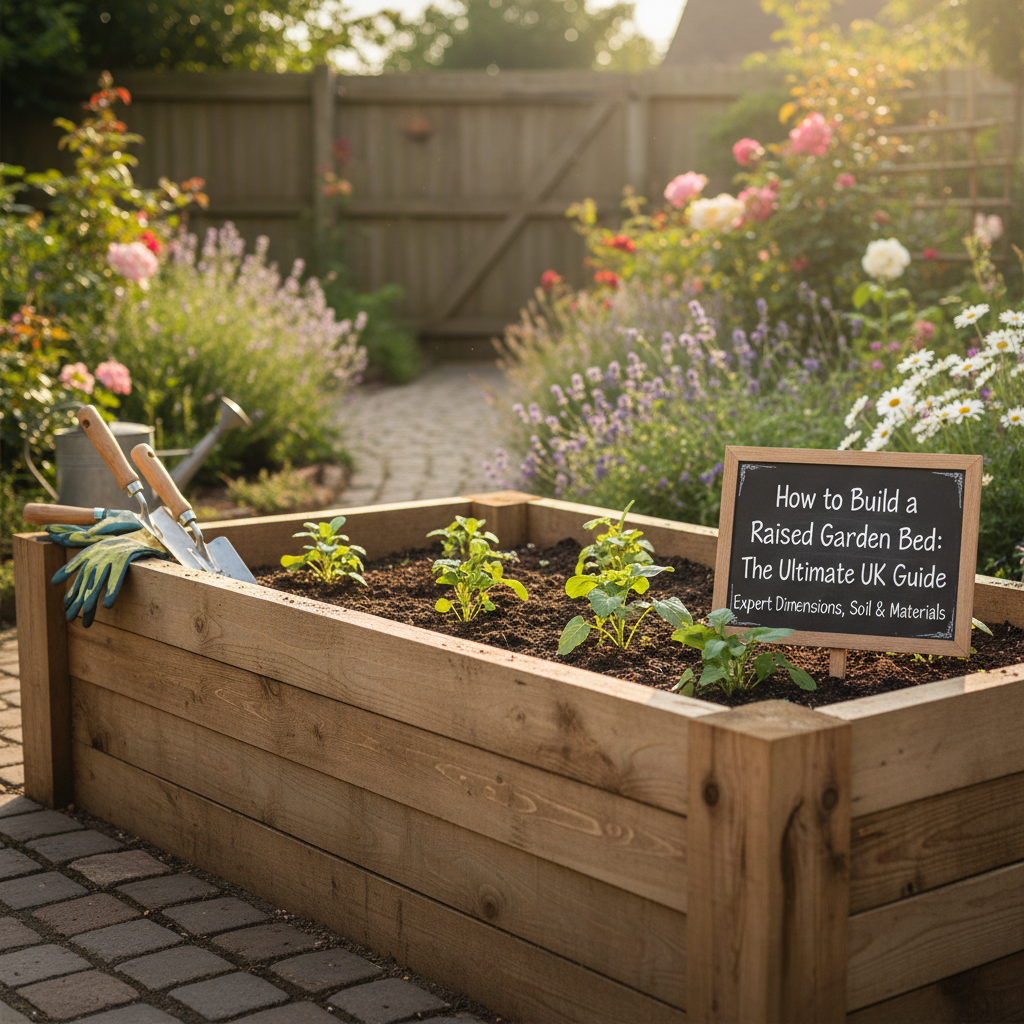
To build a raised garden bed in the UK, you should aim for a height of 15 to 30 inches (38–75cm) and a width no greater than 4 feet (1.2m) to allow ease of access. The best materials include pressure-treated FSC timber, cedar, or masonry, filled with a 60:40 mix of topsoil and organic compost during the spring or autumn months.
Key Takeaways for UK Raised Bed Gardening
- Optimal Dimensions: Keep widths to 1.2m (4ft) so you can reach the centre without stepping on the soil.
- Best Materials: Tanalised (pressure-treated) softwood is the most cost-effective, while Siberian Larch or Cedar offer superior longevity.
- Soil Composition: Use a blend of 60% high-quality topsoil and 40% well-rotted organic matter for the best results.
- Siting: Choose a level area that receives at least 6–8 hours of direct sunlight daily for vegetables.
- Drainage: Ensure the base is cleared of perennial weeds; if building on hardstanding, ensure the bed is at least 45cm deep.
What Are the Benefits of Raised Bed Gardening in the UK?
Raised beds have become the gold standard for UK gardeners, particularly those dealing with heavy clay soils or poor drainage common in many British regions. By elevating the growing area, you gain total control over the soil structure and pH levels. This is particularly beneficial for RHS-recommended vegetable crops like carrots and parsnips, which require stone-free, friable soil to thrive.
Furthermore, raised beds warm up faster in the spring - often 2 to 3 weeks earlier than the surrounding ground - allowing for an extended growing season. They also provide a physical barrier against some pests and offer an ergonomic advantage, reducing the need for bending and kneeling, which is vital for accessible gardening.
Choosing the Best Material for Your Raised Bed
When selecting materials, UK gardeners must balance cost, aesthetics, and durability against the damp British climate. Below is a comparison of the most popular options available at UK timber merchants and garden centres.
| Material | Lifespan | Pros | Cons |
|---|---|---|---|
| Pressure-Treated Softwood | 7–10 Years | Affordable, widely available, easy to cut. | Requires liner to prevent chemical leaching (though modern treatments are safer). |
| Western Red Cedar | 15–20 Years | Naturally rot-resistant, beautiful silver patina, no chemicals. | Expensive; can be harder to source locally. |
| Oak Sleepers | 20+ Years | Incredibly strong, rustic aesthetic, very durable. | Heavy to handle, expensive, can warp slightly over time. |
| Recycled Plastic | 25+ Years | Will never rot, maintenance-free, eco-friendly. | High initial cost, lacks a "natural" look. |
| Brick / Masonry | 50+ Years | Permanent, excellent thermal mass, matches house. | Requires DIY skills (mortaring), permanent location. |
How to Build a Raised Garden Bed: Step-by-Step Instructions
The best time to build and install your raised beds in the UK is during the late autumn (October/November) or early spring (February/March). This allows the soil to settle properly before the main planting season begins in May.
Step 1: Site Selection and Leveling
Select a site that is not under the shade of large trees. Use a spirit level to ensure the ground is relatively flat. If you are building on grass, you do not necessarily need to remove the turf; you can simply "scalp" it very short and cover it with thick cardboard to suppress weeds.
Step 2: Cutting and Treating Timber
If using 100mm x 200mm sleepers, cut them to your desired lengths. For a standard 2.4m x 1.2m bed, you will need two long lengths and two short lengths per tier. Treat any "end cuts" with a wood preservative to prevent moisture ingress at the joints.
Step 3: Assembly
Lay out your first tier. Use long landscape screws (TIMCO or similar) to join the corners. For stability, drive 2x2 inch wooden stakes into the internal corners and screw the sleepers into these stakes. If you are stacking tiers, stagger the joints (like brickwork) for maximum structural integrity.
Step 4: Lining the Bed
While not strictly necessary for all timbers, lining the interior sides with heavy-duty polythene or a dedicated raised bed liner helps protect the wood from constant moisture and prevents any potential treatment leaching into the soil. Crucial: Do not line the bottom of the bed, as this will prevent drainage and stop worms from entering.
What is the Best Soil Mix for Raised Beds?
Filling a raised bed with "garden soil" is a common mistake. Garden soil is often too heavy and may contain weed seeds or pathogens. Experts recommend a balanced "Raised Bed Mix" to ensure aeration and nutrient density.
The ideal ratio for UK vegetable growing is:
- 60% Topsoil: Screened to BS3882 standards.
- 30% Organic Matter: Well-rotted garden compost, mushroom compost, or composted bark.
- 10% Sharp Sand or Perlite: To improve drainage, especially if you plan on growing Mediterranean herbs or root vegetables.
''A common error is over-filling the bed immediately. Soil will settle by about 10-15% over the first few weeks. Fill the bed to the top, water it well, and wait a week before topping it back up to roughly 2 inches below the rim." — Garden-Review Horticultural Advice
Managing Pests and Drainage in Raised Beds
In the UK, slugs and snails are the primary threat to raised bed success. Because the sides of the beds are often dry and textured, they provide the perfect environment for gastropods to hide. Consider attaching copper tape around the top perimeter or using "slug fences."
For drainage, ensure the bed is not sitting in a dip where water collects. In very wet regions like the North West of England or Scotland, adding a 2-inch layer of clean hardcore or gravel at the very bottom of the bed (if it is deeper than 50cm) can help prevent the soil from becoming waterlogged during the winter months.
Frequently Asked Questions on How to Build a Raised Garden Bed
Do I need to put anything at the bottom of my raised garden bed?
How deep should a raised bed be for vegetables?
What is the best wood to use for raised beds in the UK?
Should I line my raised garden bed with plastic?
How often should I top up the soil in my raised bed?
Tags
Comments
Join the conversation
Create a free account to leave comments, share photos, and connect with other gardeners.
Related Articles

Best Garden Lighting: The Ultimate UK Homeowner's Guide
Discover the best garden lighting options for UK homes. From solar DIY to professional mains systems, learn about IP ratings, wildlife safety, and more.

How to Create a Traditional English Garden: The Ultimate UK Guide
Transform your outdoor space with our guide to traditional English gardens. Learn design secrets, plant selection, and UK-specific maintenance tips now!
How to Install a Solar-Powered Garden Pond: UK Guide
Learn how to install and maintain a solar-powered garden pond in the UK. Discover expert tips on placement, plant selection, and the best solar pumps.

Best Plants for Shade UK: North Facing Garden Guide
Discover the best plants for shade UK gardens. Our guide covers north-facing garden ideas, ferns, hostas, and shrubs to transform your shady borders today.

Garden Plant Diseases UK: Identify & Treat Common Problems
Identify and treat common UK garden plant diseases with our expert guide. Learn to spot fungal blights and bacterial cankers to keep your garden healthy.
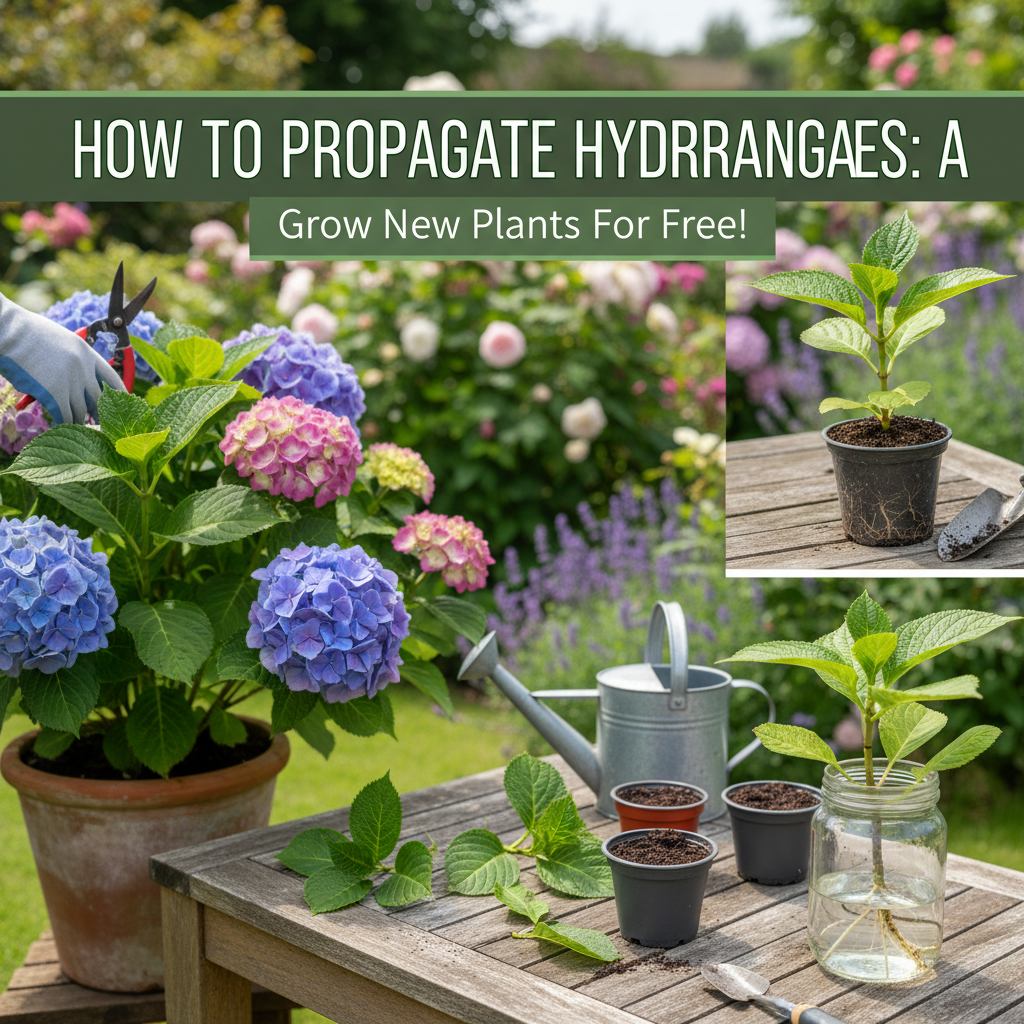
How to Propagate Hydrangeas: A Complete UK Guide
Learn how to propagate hydrangeas with our expert UK guide. Step-by-step instructions for softwood cuttings, timing, and care to grow new plants for free!