
Growing Roses in the UK: The Complete Guide
Everything UK gardeners need to know about choosing, planting, pruning and feeding roses for months of reliable, healthy blooms.
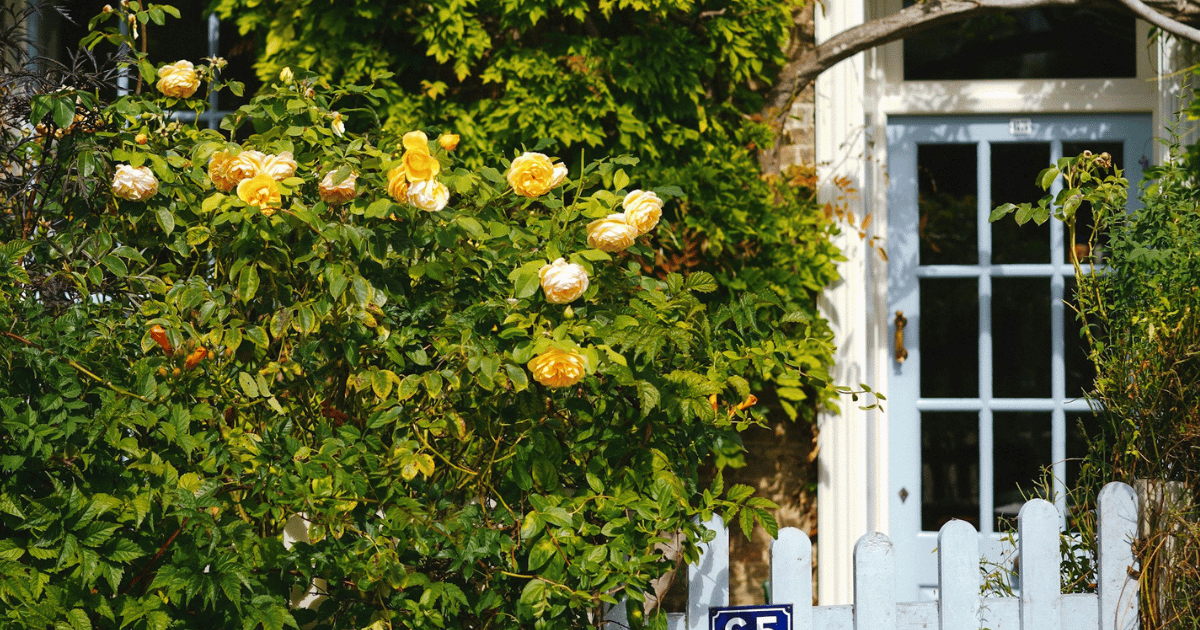
Growing healthy roses in the UK relies on choosing the right type for your space, planting correctly in autumn or spring, and following a simple yearly routine of pruning, feeding and disease prevention. With the right care, most roses will flower reliably from June to September, or later for repeat-flowering varieties.
Key takeaways
- Plant bare-root roses between November and March; container-grown roses can go in almost any time.
- Prune bush and shrub roses in late winter (Feb-March); prune ramblers straight after flowering.
- Feed in early spring and again after the first flush of blooms, but stop feeding after August.
- Roses need at least six hours of sun a day and free-draining, fertile soil to thrive.
- Good air circulation and prompt leaf clearance are the best defences against blackspot and mildew.
Types of roses for UK gardens
Choosing the right type of rose for your space and style is the first step to success. The main categories suited to UK gardens are:
| Rose type | Flowering habit | Typical height | Best for |
|---|---|---|---|
| Hybrid tea | Repeat flowering, large single blooms | 75cm-1.2m | Cutting, formal beds |
| Floribunda | Repeat flowering, clusters of blooms | 60cm-1m | Borders, mass planting |
| Shrub/English roses | Repeat flowering, informal | 1-1.5m | Cottage gardens, mixed borders |
| Climbing rose | Repeat flowering | 2-4m | Walls, fences, pillars |
| Rambling rose | One flush, early-mid summer | 3-8m | Arches, pergolas, trees |
| Patio/miniature rose | Repeat flowering | 30-50cm | Pots, small gardens |
How to plant roses
- Choose a spot with at least six hours of sun a day and free-draining, fertile soil.
- Plant bare-root roses from November to March while dormant; soak roots in water for an hour beforehand.
- Dig a hole wide and deep enough to spread the roots comfortably, working in well-rotted manure or compost.
- Plant so the graft union (the swollen bump near the base) sits just below soil level.
- Backfill, firm in gently, and water thoroughly, even in winter if the soil is dry.
- Mulch around the base in spring to retain moisture and suppress weeds.
For borders and design ideas incorporating roses, see our garden design hub or browse more grow guides.
Pruning roses
Bush, shrub and floribunda roses
Prune in late winter, typically February to early March, before buds break. Remove dead, diseased or crossing stems first, then cut remaining healthy stems back by around a third to a half, always cutting just above an outward-facing bud to keep an open centre and good airflow.
Climbing roses
Prune in late winter too, tying in main framework stems horizontally to encourage more flowering side-shoots, and cutting these side-shoots back to two or three buds.
Rambling roses
Prune immediately after flowering in summer, as ramblers bloom on the previous year's growth. Cut back a proportion of older flowered stems to the base to make way for vigorous new growth.
Feeding roses through the year
- Early spring: apply a granular rose fertiliser as new growth begins.
- Late spring: mulch with well-rotted manure or compost to lock in moisture and nutrients.
- After first flush (June-July): feed again to encourage repeat flowering.
- August onwards: stop feeding to allow growth to harden before winter.
Common rose problems and how to prevent them
Blackspot, a fungal disease causing dark spots and yellowing leaves, is the most widespread issue for UK roses, particularly in mild, damp summers. Reduce risk by watering at the base rather than over foliage, spacing plants for airflow, and clearing fallen leaves in autumn. Aphids often cluster on new shoots in spring; a strong jet of water or encouraging ladybirds usually keeps numbers down without chemicals. Powdery mildew, another common issue, is worsened by dry roots and poor ventilation, so consistent watering and good spacing help prevent it. Choosing disease-resistant varieties recommended by the RHS is the most reliable long-term solution. For further troubleshooting, see our advice section.
Roses for different spaces
Small gardens and patios suit patio or miniature roses in pots, while shrub and English roses work well in mixed borders alongside perennials, as covered in our flowers section. Climbing roses are ideal for framing doorways or covering fences, and ramblers are best given room to scramble over a pergola, arch or into an old tree.
The bottom line
Roses remain one of the most rewarding plants for UK gardens, offering months of colour and fragrance when given the right start, an annual prune, and consistent feeding. Choosing a variety suited to your space, and staying on top of basic disease prevention, will keep roses healthy and flowering for many years.
Frequently Asked Questions
When is the best time to plant roses in the UK?
When should I prune roses in the UK?
How often should roses be fed?
How do I stop blackspot on roses?
What is the difference between climbing and rambling roses?
Tags
Comments
Join the conversation
Create a free account to leave comments, share photos, and connect with other gardeners.
Related Articles
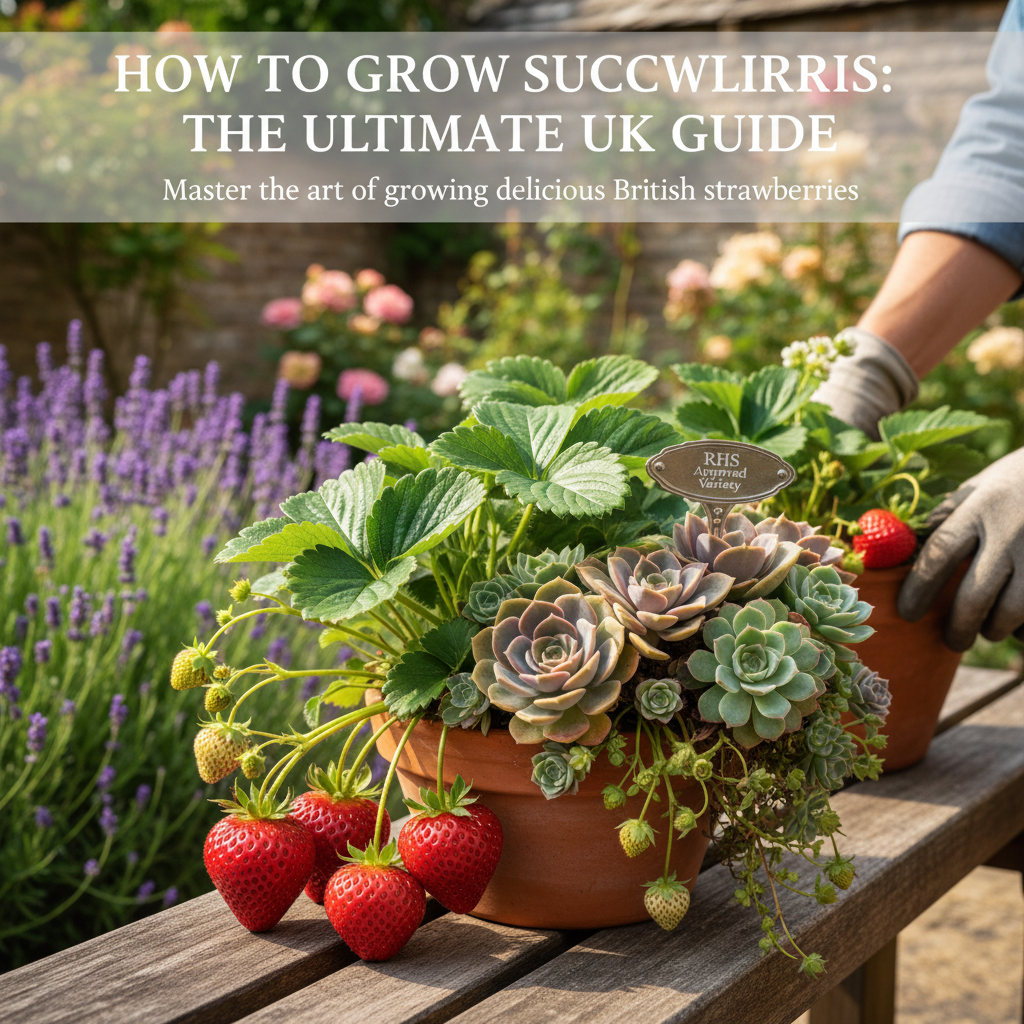
How to Grow Succulent Strawberries: The Ultimate UK Guide
Master the art of growing delicious British strawberries. From choosing Royal Horticultural Society-approved varieties to organic pest control and winter care.
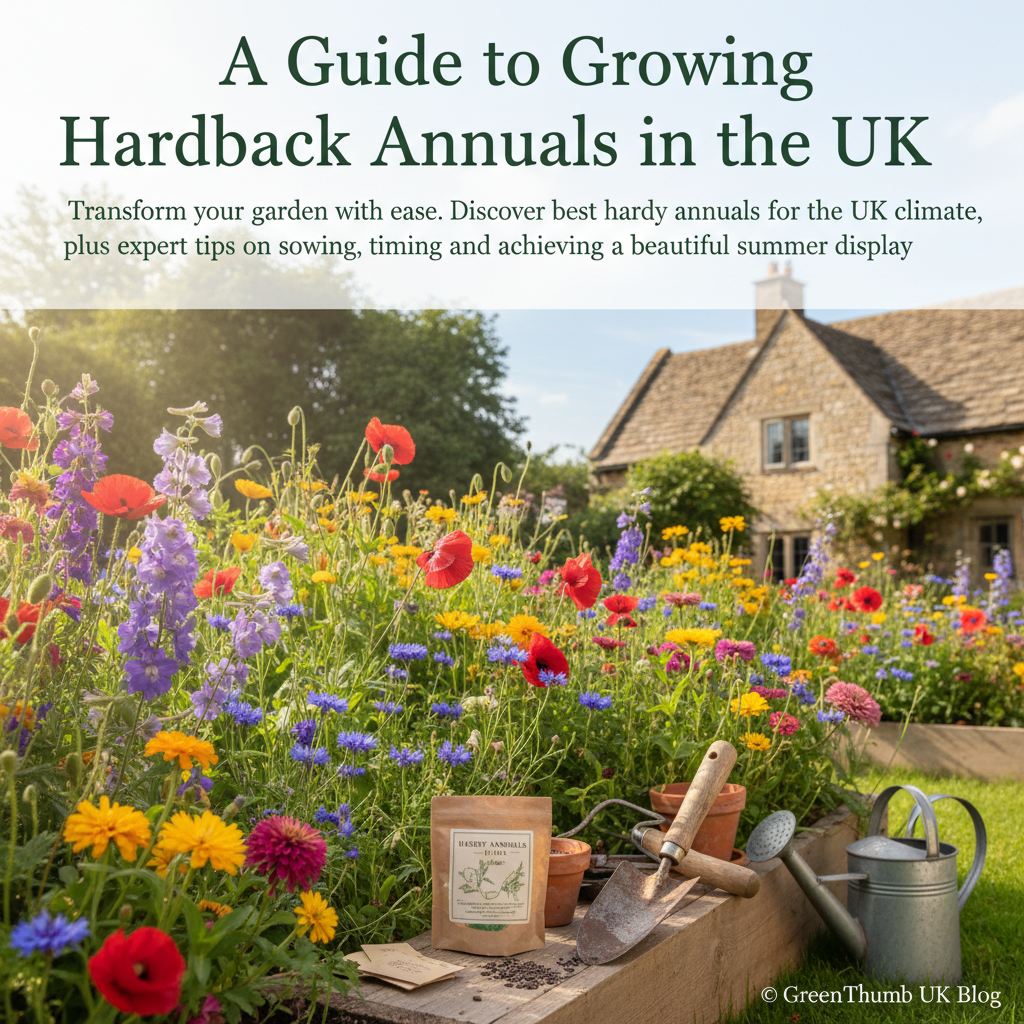
A Guide to Growing Hardback Annuals in the UK
Transform your garden with ease. Discover the best hardy annuals for the UK climate, plus expert tips on sowing, timing, and achieving a beautiful summer display.

Best Summer Flowers for UK Gardens: June to September Colour
Roses, dahlias, geraniums and more: how to choose and care for summer flowers that keep UK gardens blooming right through to autumn.
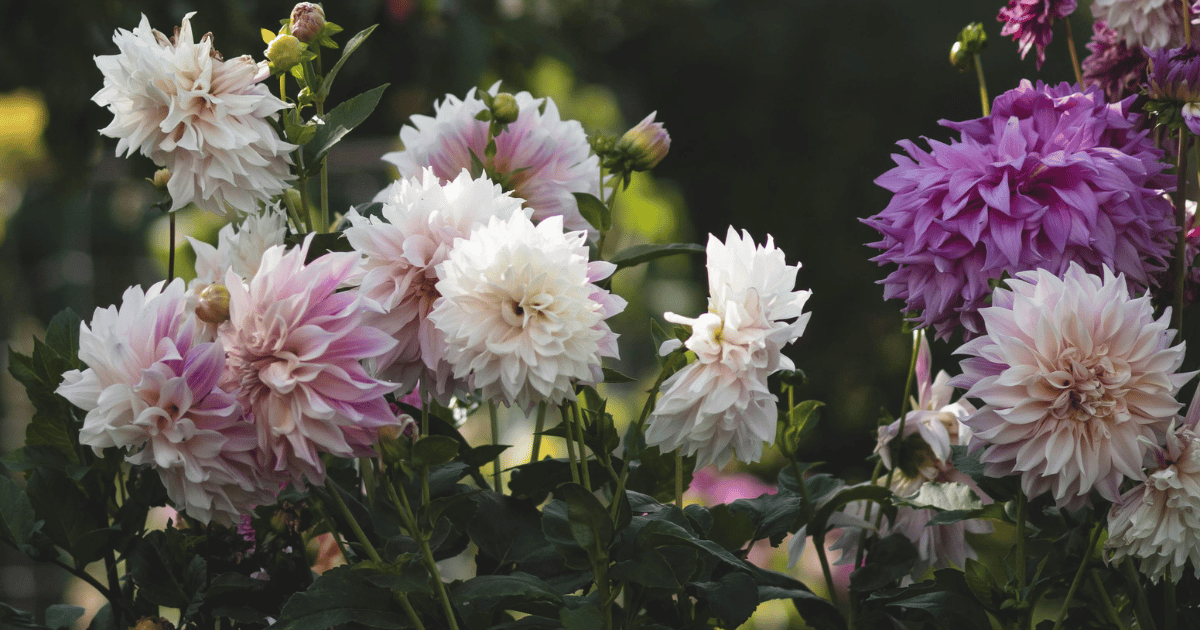
Growing Dahlias in the UK: Tubers to Overwintering
A complete UK guide to growing dahlias, from planting tubers after the last frost to lifting and storing them safely over winter.
How to Design a Pollinator-Friendly Garden in the UK
A UK guide to designing a pollinator-friendly garden, with season-by-season plant choices, nesting habitat tips, and pitfalls to avoid.
How to Create a Wildflower Meadow in a UK Garden
A practical UK guide to creating a wildflower meadow or mini-meadow, from choosing seed mixes and sowing yellow rattle to annual cutting.