
Best Summer Flowers for UK Gardens: June to September Colour
Roses, dahlias, geraniums and more: how to choose and care for summer flowers that keep UK gardens blooming right through to autumn.
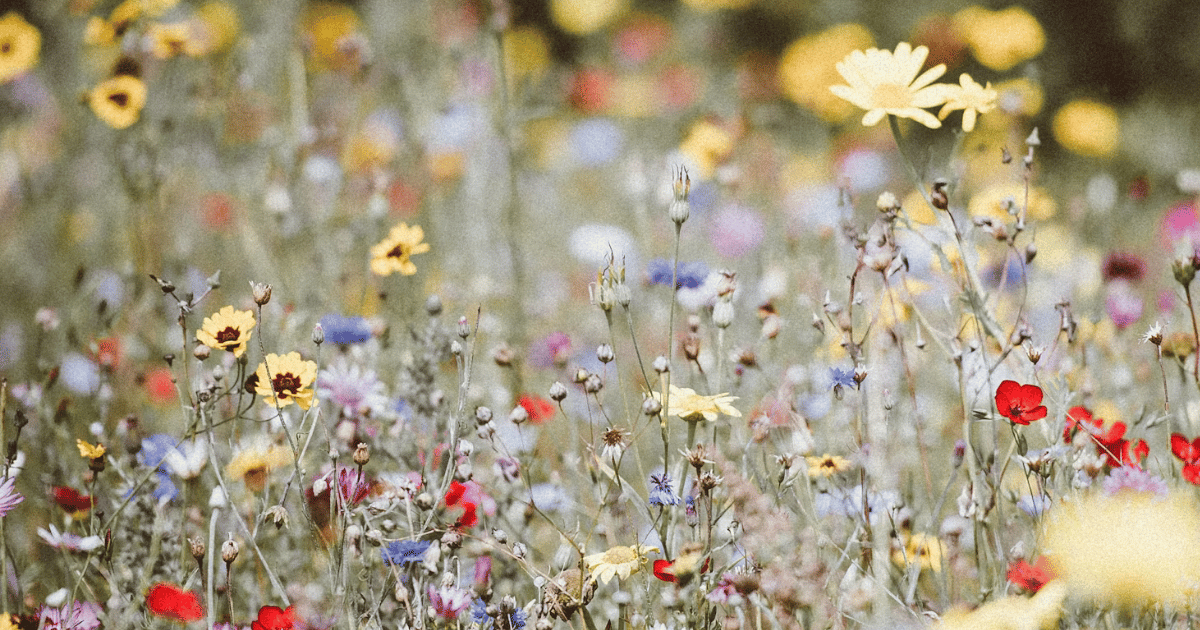
The best summer flowers for UK gardens include roses, dahlias, geraniums, lavender, cosmos and salvias, all of which flower reliably from June to September. Keeping them blooming for the full season comes down to regular deadheading, consistent feeding and watering during dry spells.
Key takeaways
- Dahlias, cosmos and salvias flower non-stop from June until the first autumn frost if deadheaded regularly.
- Plant tender summer bedding out after the last frost, usually mid-to-late May.
- Feed with a high-potash fertiliser such as tomato feed every 1-2 weeks to sustain flowering.
- Water pots and baskets daily in hot weather; established borders usually only need watering in prolonged dry spells.
- Choose open, single flowers like lavender and cosmos to support bees and other pollinators.
Best summer flowers compared
| Flower | Flowering period | Height | Best for |
|---|---|---|---|
| Rose | June-September | 60cm-2m+ | Borders, arches, cutting |
| Dahlia | July-first frost | 40cm-1.5m | Borders, cutting, late colour |
| Geranium (Pelargonium) | June-September | 20-40cm | Pots, hanging baskets |
| Lavender | June-August | 30-60cm | Edging, pollinators, scent |
| Cosmos | June-October | 60cm-1.2m | Cottage borders, cutting |
| Salvia | June-October | 40-90cm | Borders, pollinators |
Choosing summer flowers for your garden
For long-lasting colour, mix hardy perennials such as lavender and salvias, which return each year, with tender bedding like dahlias and cosmos that need replanting annually. Roses provide structure and repeat flowering all summer, while geraniums and petunias are ideal for pots and hanging baskets on patios and balconies. For design inspiration, see our garden design hub.
How to keep summer flowers blooming June to September
1. Deadhead regularly
Removing spent flowers before they set seed is the most effective way to extend flowering. Snip faded roses, dahlias and cosmos just above a healthy leaf or bud every few days during peak summer.
2. Feed consistently
Most summer flowers are hungry plants, especially those in pots. Apply a high-potash liquid feed, such as a tomato fertiliser, every one to two weeks from late May through to early September to encourage continuous flowering.
3. Water wisely
Water deeply and less frequently to encourage strong root growth, rather than a light daily sprinkle. Containers and hanging baskets dry out fastest and may need watering daily in hot weather; mulch borders to retain moisture and reduce watering needs.
4. Support and stake
Tall dahlias and cosmos benefit from staking in May before they get top-heavy, preventing wind damage later in summer.
Month-by-month summer flower care
- May: plant out tender bedding and dahlias after the last frost; stake tall varieties.
- June: begin regular deadheading and fortnightly feeding; watch for aphids on roses.
- July: water deeply in dry spells; continue deadheading roses and dahlias weekly.
- August: cut back leggy geraniums to encourage a second flush; keep feeding pots.
- September: enjoy late cosmos and dahlias; reduce feeding as growth slows towards autumn.
Summer flowers for pollinators
Bees and butterflies favour open, single-flowered varieties such as lavender, cosmos, verbena and salvias, which give easy access to nectar. Avoid overly double or ruffled blooms, which often provide little or no food for pollinators. Grouping several pollinator-friendly plants together, rather than dotting single specimens around, makes borders far more attractive to wildlife. See the RHS Plants for Pollinators list for further recommendations.
Common summer flower problems
Aphids, powdery mildew and blackspot on roses are the most frequent issues during a British summer, worsened by warm, humid weather or poor air circulation. Space plants properly, water at the base rather than over foliage, and remove affected leaves promptly. Browse our advice section for troubleshooting specific pest and disease problems, or explore our wider flowers hub for more seasonal ideas.
The bottom line
A mix of roses, dahlias, salvias and geraniums, combined with regular deadheading, feeding and sensible watering, will keep a UK garden in full colour from June right through to September. Small, consistent maintenance tasks matter far more than any single miracle plant for a long-lasting summer display.
Frequently Asked Questions
What are the best summer flowers for UK gardens?
How do I keep summer flowers blooming all season?
When should I plant summer bedding in the UK?
Do summer flowers need a lot of watering?
What summer flowers are good for pollinators?
Tags
Comments
Join the conversation
Create a free account to leave comments, share photos, and connect with other gardeners.
Related Articles
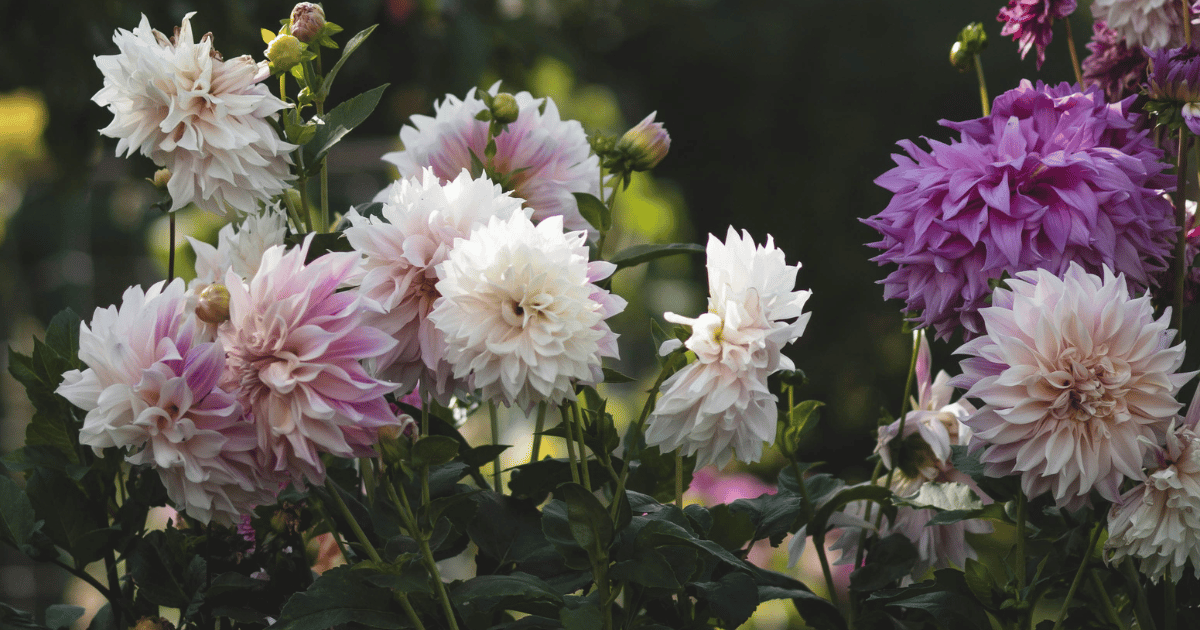
Growing Dahlias in the UK: Tubers to Overwintering
A complete UK guide to growing dahlias, from planting tubers after the last frost to lifting and storing them safely over winter.
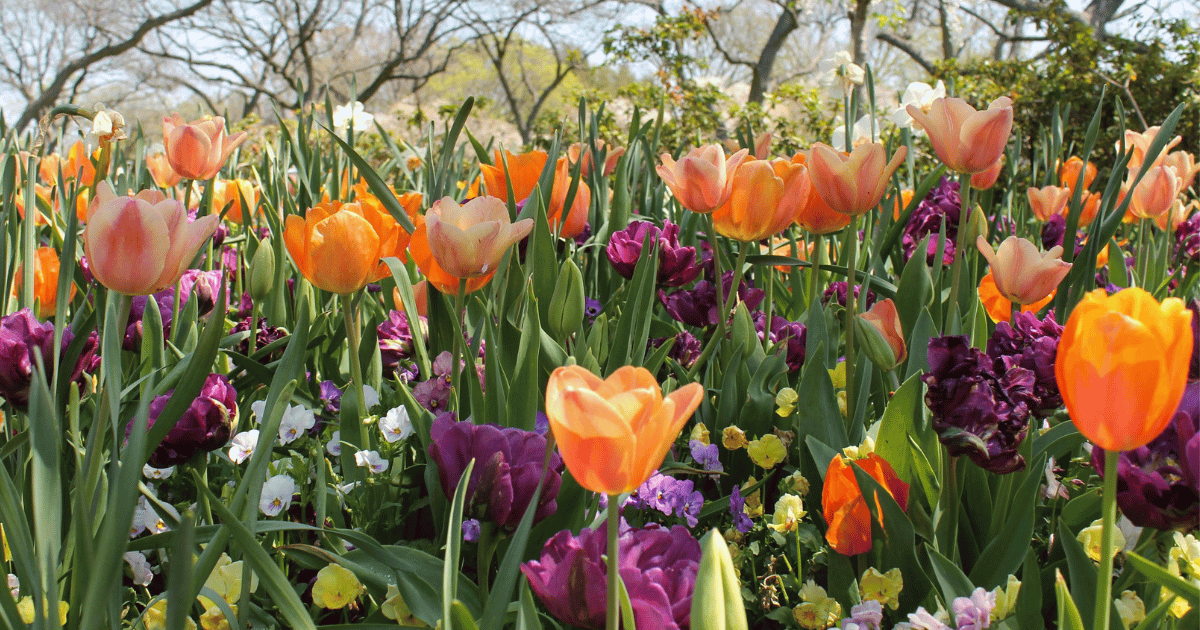
Best Spring Flowers for UK Gardens: A Complete Guide
From snowdrops to tulips, here's when to plant and how to grow the best spring flowers for colourful UK borders and pots.
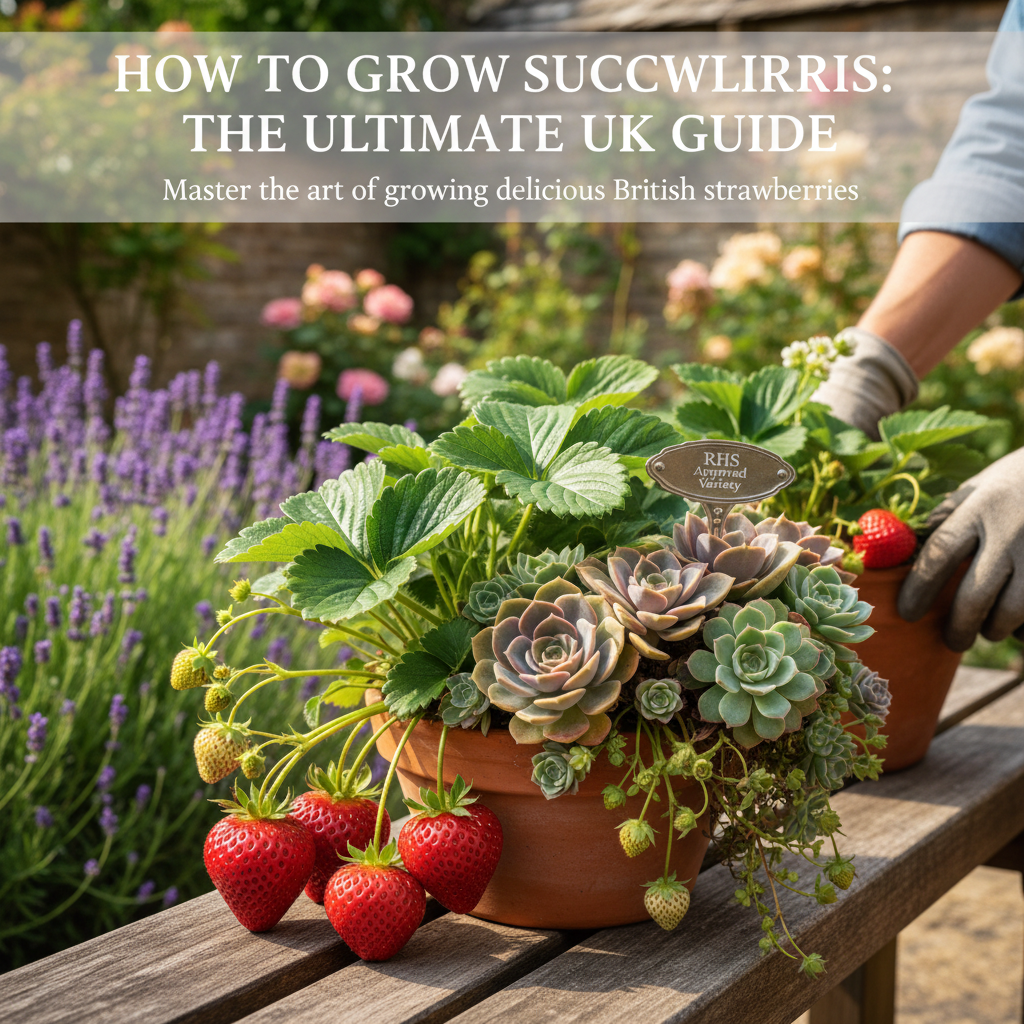
How to Grow Succulent Strawberries: The Ultimate UK Guide
Master the art of growing delicious British strawberries. From choosing Royal Horticultural Society-approved varieties to organic pest control and winter care.
A Guide to Growing Hardback Annuals in the UK
Transform your garden with ease. Discover the best hardy annuals for the UK climate, plus expert tips on sowing, timing, and achieving a beautiful summer display.
Growing Roses in the UK: The Complete Guide
Everything UK gardeners need to know about choosing, planting, pruning and feeding roses for months of reliable, healthy blooms.
How to Design a Pollinator-Friendly Garden in the UK
A UK guide to designing a pollinator-friendly garden, with season-by-season plant choices, nesting habitat tips, and pitfalls to avoid.