
How to Create a Thriving Wildlife Pond in Your Garden
Transform your outdoor space with our expert guide to building and maintaining a wildlife pond. Learn about native UK plants and seasonal care.
Key takeaways
- Before lifting a spade, selecting the right location is essential.
- A wildlife pond is very different from a formal or fish pond.
- The best time to build a wildlife pond in the UK is late summer or early autumn , when the soil is workable but not waterlogged.
- Native pond plants are best adapted to British insects and amphibians.
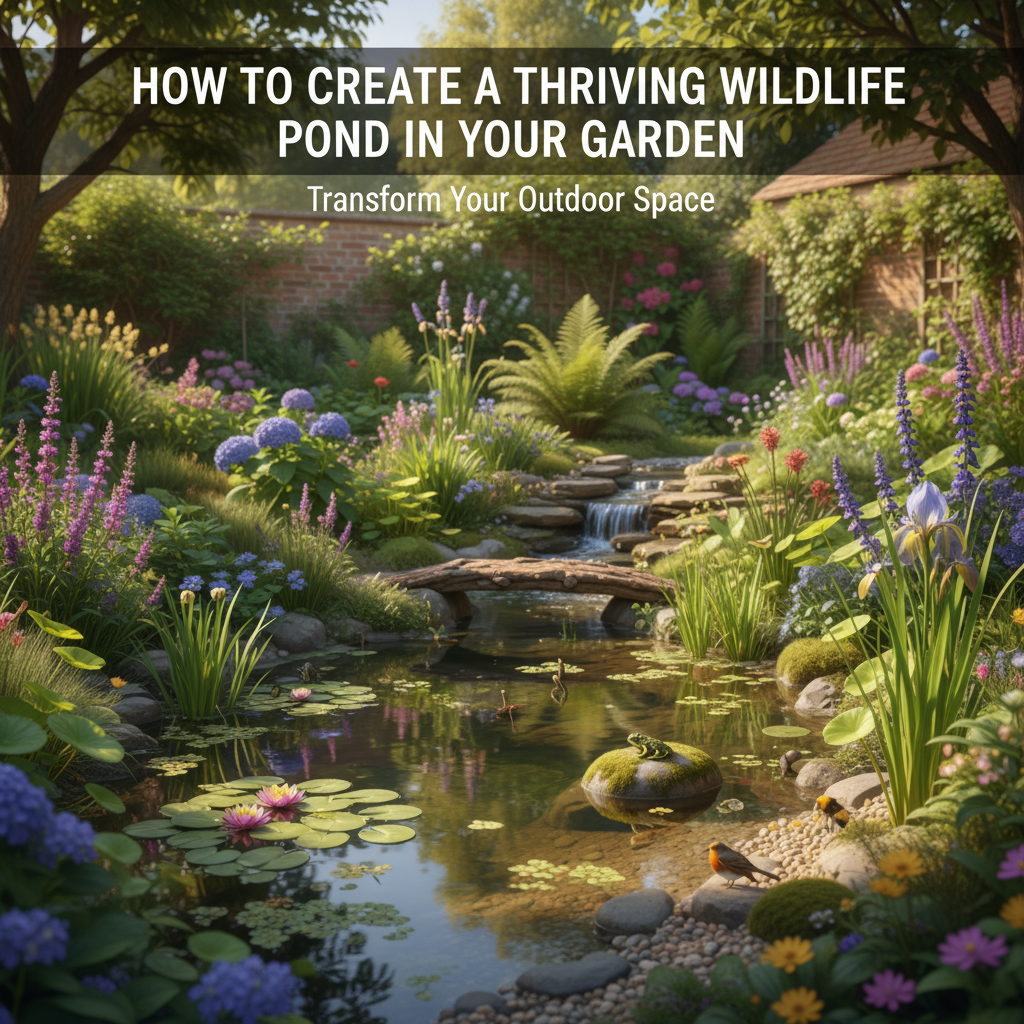
Ask any ecologist what the single most effective action you can take to improve garden biodiversity, and the answer is almost always the same: add water. A wildlife pond provides a vital lifeline for British species including common frogs, smooth newts, dragonflies, and garden birds.
Even a small pond can act as a crucial wildlife “stepping stone” through urban and suburban landscapes. With nearly 70% of natural ponds lost in the UK over the last century, domestic gardens have become a critical front line for aquatic conservation. This guide explains how to design, build, and maintain a wildlife-friendly pond specifically for the UK climate.
Choosing the Perfect Location for a Wildlife Pond
Before lifting a spade, selecting the right location is essential. In British gardens, correct siting determines whether a wildlife pond thrives or struggles.
Sun and Shade Balance
A wildlife pond should receive approximately five to six hours of sunlight per day. Sunlight supports oxygenating plant growth and helps warm the water for cold-blooded amphibians.
Avoid deep shade or areas directly beneath mature trees. Falling leaves decay in the water, increasing sludge levels and reducing oxygen availability.
Safety and Accessibility
Choose a level site. Water always finds its own level, and sloping ground can leave pond liners exposed to UV damage.
From a wildlife perspective, situate the pond near natural cover such as long grass, log piles, or shrubs. This allows frogs and toads to approach safely without exposure to predators like cats or magpies.
Wildlife Pond Design: Form Meets Function
A wildlife pond is very different from a formal or fish pond. To support biodiversity, it must follow several essential design principles.
Shallow Margins and Wildlife “Beaches”
Steep-sided ponds are dangerous. A wildlife pond should have gently shelving sides to allow safe entry and exit.
Creating a shallow pebble “beach” enables birds to bathe and mammals such as hedgehogs to drink without drowning.
Varying Pond Depths
Include a deepest point of at least 60cm (2ft). In the UK climate, this prevents the pond from freezing solid in winter and allows frogs, newts, and aquatic insects to survive in the silt.
How to Build a Wildlife Pond: Step-by-Step
1. Digging and Lining
The best time to build a wildlife pond in the UK is late summer or early autumn, when the soil is workable but not waterlogged.
Once excavated (including shallow shelves), remove sharp stones and roots. Add 5cm of damp sand or underlay, then install a durable EPDM rubber pond liner.
2. Filling the Pond
Where possible, fill the pond with harvested rainwater. UK tap water often contains high levels of nitrates and phosphates that encourage blanket weed.
If tap water is unavoidable, allow it to stand for 48 hours before planting so chlorine can dissipate.
3. Adding Substrate
Avoid nutrient-rich garden soil. Instead, use a thin layer of washed grit or specialised aquatic compost in planting baskets.
Best Native Plants for UK Wildlife Ponds
Native pond plants are best adapted to British insects and amphibians. Aim for a balanced mix of the following:
Oxygenating Plants
- Hornwort (Ceratophyllum demersum): Free-floating and highly effective
- Water Starwort (Callitriche stagnalis): Excellent cover for tadpoles
Floating-Leaved Plants
- European White Water Lily (Nymphaea alba): Suitable for large ponds
- Frogbit (Hydrocharis morsus-ranae): Ideal for smaller ponds
Marginal Plants (0–15cm depth)
- Marsh Marigold (Caltha palustris): Early nectar source in spring
- Water Forget-me-not (Myosotis scorpioides): Favoured by breeding newts
- Lesser Spearwort (Ranunculus flammula): Hardy native with yellow blooms
Seasonal Wildlife Pond Maintenance (UK)
Spring (March – May)
- Introduce new plants as water warms
- Thin oxygenators if overgrown
- Avoid cleaning to protect eggs and larvae
Summer (June – August)
- Top up with rainwater during dry spells
- Remove blanket weed by hand and leave pondside for 24 hours
Autumn (September – November)
- Net ponds under trees to catch leaves
- Cut back dying marginals but leave some stems for insects
Winter (December – February)
- Never smash ice
- Melt a hole using hot water to allow gas exchange
The Rewilding Impact of a Garden Pond
Creating a wildlife pond is one of the most powerful rewilding actions a UK gardener can take. From dragonflies patrolling on warm July evenings to toads emerging at dusk, ponds bring nature back to our gardens.
Your pond doesn’t need to be large - even a small puddle-sized pond can make a difference. Start small, use rainwater, choose native plants, and allow nature to move in at its own pace.
FAQS: Common Wildlife Pond Problems
Why is my pond water green?
Why haven’t frogs found my pond?
Should I add fish?
Tags
Comments
Join the conversation
Create a free account to leave comments, share photos, and connect with other gardeners.
Related Articles
Best Plants for Pollinators UK: Attract Bees and Butterflies
Discover the best plants for pollinators in the UK. Learn how to attract bees and butterflies all year with our expert guide to nectar-rich flowers.
Winter Garden Tidying
Winter might seem like a quiet time in the garden, but it's crucial for laying the groundwork for a spectacular spring and summer. This guide provides UK gardeners with actionable advice on essential winter tidying tasks, from preparing your soil to maintaining tools and creating a pest-free environment.
Winter Lawn Care UK: Your Essential Guide to a Resilient Lawn
Ensuring your lawn thrives through the UK's colder months requires specific preparation. This guide from Garden-Review provides essential, actionable advice to safeguard your lawn against winter stresses, from correct autumnal mowing to combating common issues like moss and fungal diseases, guaranteeing a vibrant return in spring.

How to Grow Perfect, Straight Carrots in UK Soils
Master the art of growing crunchy, straight carrots in your UK garden. From avoiding carrot fly to soil prep, here is everything you need for success.
How to Design a Pollinator-Friendly Garden in the UK
A UK guide to designing a pollinator-friendly garden, with season-by-season plant choices, nesting habitat tips, and pitfalls to avoid.
How to Create a Wildflower Meadow in a UK Garden
A practical UK guide to creating a wildflower meadow or mini-meadow, from choosing seed mixes and sowing yellow rattle to annual cutting.