
How to Plant Early Potatoes UK
Learn how to plant early potatoes in the UK with our expert guide. From chitting in February to harvesting in June, master the best timings and varieties.
Key takeaways
- Early potatoes, often referred to as "new potatoes," are varieties that grow quickly and are harvested while the tubers are still small and the skins are thin.
- The timing for planting early potatoes depends heavily on your regional climate within the UK.
- Chitting is the process of encouraging the potato tubers to grow small shoots before they are planted.
- Potatoes are "hungry" plants that require nutrient-rich soil.
- If you have an allotment or a large veg patch, the trench method is the most traditional way to plant.
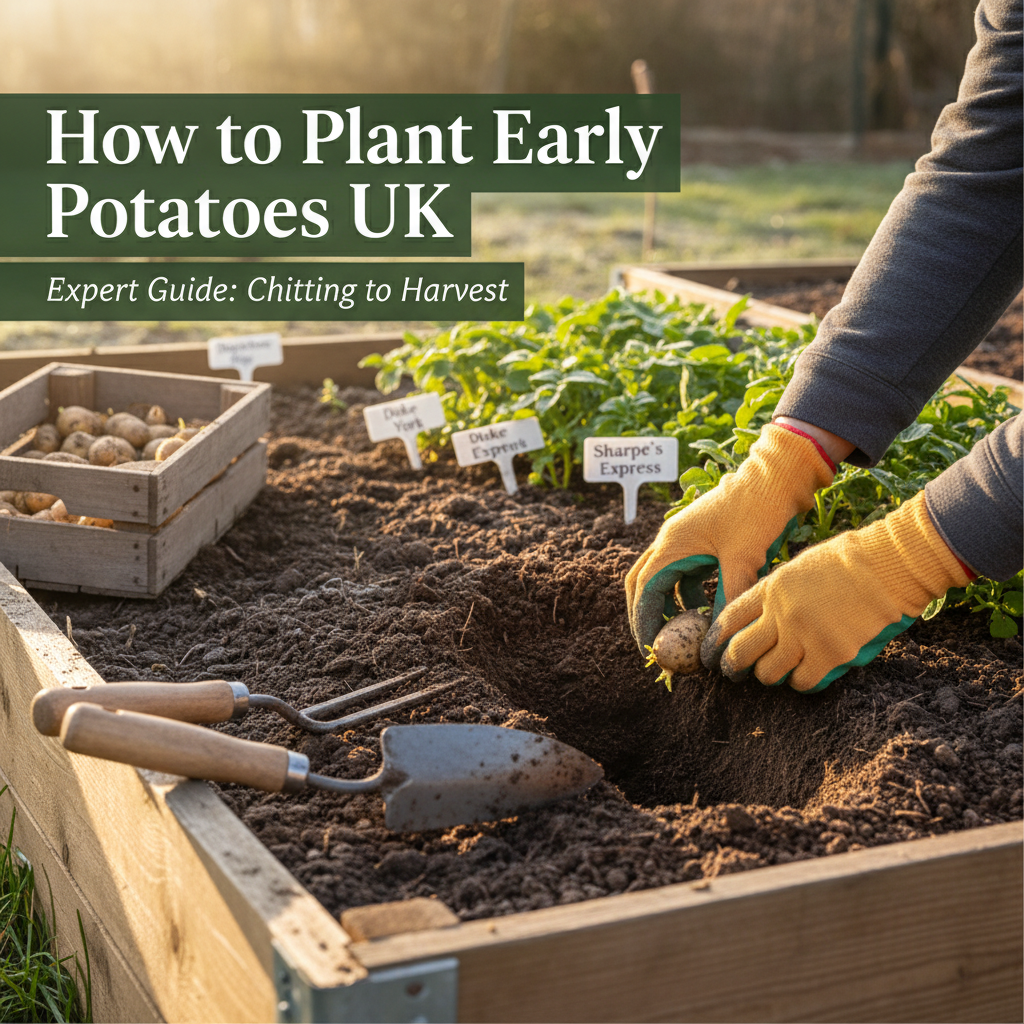
To plant early potatoes in the UK, you should start by chitting (sprouting) tubers in February, then plant them out between late March and early April. Potatoes require a sunny spot with well-drained, fertile soil. Plant tubers 10-12cm deep and 30cm apart, ensuring the frost-sensitive shoots are protected as they emerge.
Tips for Growing Early Potatoes
- Best Time to Plant: Mid-March (South) to mid-April (North).
- Chitting Period: 4-6 weeks before planting (usually February/March).
- Soil Requirements: Deep, loose, slightly acidic soil with plenty of organic matter.
- Spacing: 30cm between tubers; 45-60cm between rows.
- Harvest Time: 10-12 weeks after planting (June to July).
What Are Early Potatoes?
Early potatoes, often referred to as "new potatoes," are varieties that grow quickly and are harvested while the tubers are still small and the skins are thin. In the UK, these are categorised into First Earlies and Second Earlies. First earlies are the quickest to mature, usually ready in about 10 to 12 weeks, while second earlies take approximately 13 to 15 weeks.
Early potatoes are ideal for UK gardeners with limited space because they can be grown in bags or containers and are often harvested before potato blight becomes a significant risk in the warmer, wetter months of late summer.
When to Plant Early Potatoes in the UK?
The timing for planting early potatoes depends heavily on your regional climate within the UK. While the general rule is to plant between late March and early April, you must monitor local soil temperatures and frost risks.
- Southern England and Coastal Areas: Planting can often begin in mid-March if the soil is workable.
- The Midlands and North of England: Aim for late March or the first week of April.
- Scotland and High-Altitude Areas: It is often safest to wait until mid-April to avoid late spring frosts.
Ideally, the soil temperature should be at least 7°C (45°F) before the tubers go into the ground. If you have a particularly cold or wet spring, it is better to wait a week rather than risking the tubers rotting in cold, damp soil.
Step 1: How to Chit Potatoes (Sprouting)
Chitting is the process of encouraging the potato tubers to grow small shoots before they are planted. This gives the plant a head start and results in an earlier harvest. Experts suggest this is particularly beneficial for early potato varieties.
- Buy Certified Seed Potatoes: Always use virus-free seed potatoes rather than supermarket potatoes, which may carry diseases or have been treated with growth suppressants.
- Position the 'Eyes': Look for the end of the potato with the most "eyes" (small indentations). Place the tubers in an old egg carton or seed tray with the eyes facing upwards.
- Provide Light and Coolness: Place the tray in a bright, cool, frost-free place, such as a porch or a cool windowsill. Avoid direct, scorching sunlight.
- Wait for 'Chits': Over 4-6 weeks, sturdy green or purple shoots (chits) will emerge. You are aiming for shoots about 2-3cm long. If the shoots are long, white, and spindly, the potatoes aren't getting enough light.
Step 2: Preparing the Soil for Planting
Potatoes are "hungry" plants that require nutrient-rich soil. Prepare your plot a few weeks before planting by digging in plenty of well-rotted manure or garden compost. Avoid using fresh manure, as it can scorch the young plants and increase the risk of common scab.
The ideal soil pH for potatoes is between 5.0 and 6.0. If your soil is too alkaline, it can encourage potato scab, which affects the skin's appearance (though the potato remains edible).
Step 3: How to Plant Early Potatoes (Traditional Trench Method)
If you have an allotment or a large veg patch, the trench method is the most traditional way to plant.
- Dig a Trench: Dig a narrow trench approximately 12cm (5 inches) deep.
- Spacing: Place the chitted seed potatoes at the bottom of the trench with the shoots pointing upwards. Space them 30cm apart.
- Row Spacing: If planting multiple rows, ensure the rows are 45-60cm apart to allow enough soil for "earthing up" later.
- Cover: Carefully cover the tubers with soil, being mindful not to snap off the delicate chits.
Choosing the Best Early Potato Varieties for the UK
Selecting the right variety depends on whether you value flavour, yield, or disease resistance. Here is a comparison of popular UK early potatoes:
| Variety | Type | Best For... | Key Characteristics |
|---|---|---|---|
| Pentland Javelin | First Early | Boiling & Salads | Excellent scab resistance; produces heavy crops. |
| Arran Pilot | First Early | Boiling | A classic UK favourite since 1930; great traditional flavour. |
| Casablanca | First Early | Chips & Roasting | Versatile; clean white skins and great for exhibition. |
| Charlotte | Second Early | Salads | The most popular salad potato; waxy texture and nutty flavour. |
| Maris Peer | Second Early | New Potatoes | Scented flowers; tubers don't disintegrate when boiled. |
How to Plant Potatoes in Bags or Containers
If you lack garden space, early potatoes perform exceptionally well in containers or dedicated potato bags (at least 30-40 litres).
- Fill the bottom 10-15cm of the container with a high-quality peat-free compost.
- Place 2 or 3 chitted tubers on the surface of the compost.
- Cover with another 10cm of compost and water well.
- As the green shoots grow to about 10cm, add more compost to cover them. Repeat this until the container is full to within 5cm of the rim.
Ongoing Care: Earthing Up and Watering
The Importance of Earthing Up
As the potato stems grow, you must "earth them up." This involves drawing soil up around the stems to create a mound. This serves three vital purposes:
- It prevents the developing tubers from being exposed to light, which turns them green and toxic.
- It provides more soil volume for tubers to develop in.
- It offers some protection against late spring frosts.
Watering and Feeding
Potatoes need consistent moisture, especially once the tubers begin to form (when the plants are in flower). In the UK, spring can be deceptively dry. Water thoroughly at the base of the plant once a week during dry spells. Avoid wetting the foliage to reduce the risk of fungal diseases.
When and How to Harvest Early Potatoes
The "First Early" varieties are usually ready when the flowers start to open or the buds drop. This is typically in June or July in the UK. Second Earlies follow roughly 3 weeks later.
"To check if your potatoes are ready, gently rummage beneath the soil surface with your fingers. If the tubers are the size of a hen's egg, they are ready for the table."
When harvesting, use a garden fork to lift the entire plant from well beneath the root ball, being careful not to pierce the delicate skins. Early potatoes should be eaten fresh as they do not store as well as maincrop varieties.
Frequently Asked Questions about How to Plant Early Potatoes UK
Can I plant potatoes straight from the supermarket?
How do I protect early potato shoots from frost?
Do I need to fertilise my potatoes?
What is potato blight, and do I need to worry?
How many potatoes will I get from one seed potato?
Tags
Comments
Join the conversation
Create a free account to leave comments, share photos, and connect with other gardeners.
Related Articles
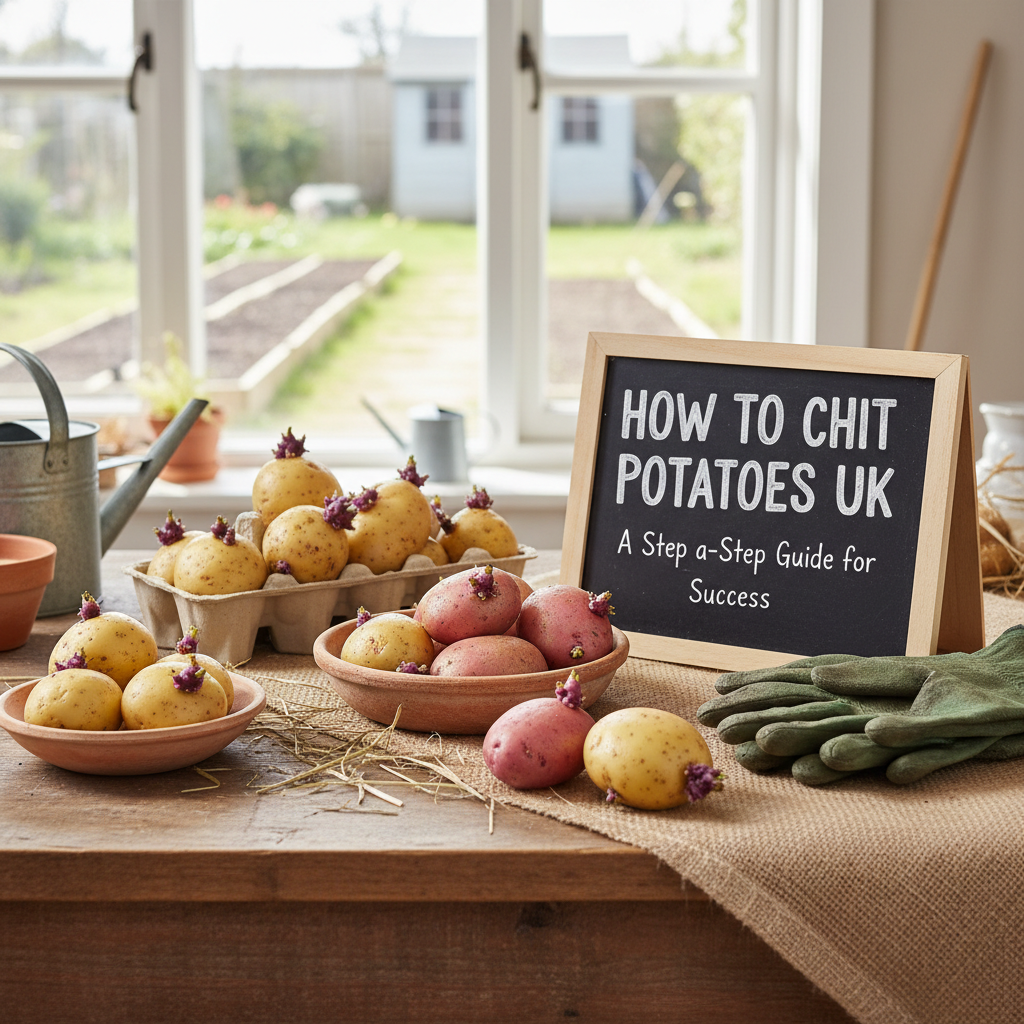
How to Chit Potatoes UK: A Step-by-Step Guide for Success
Master how to chit potatoes in the UK with our expert guide. Learn the best timing, top varieties, and step-by-step tips for a bumper potato harvest.
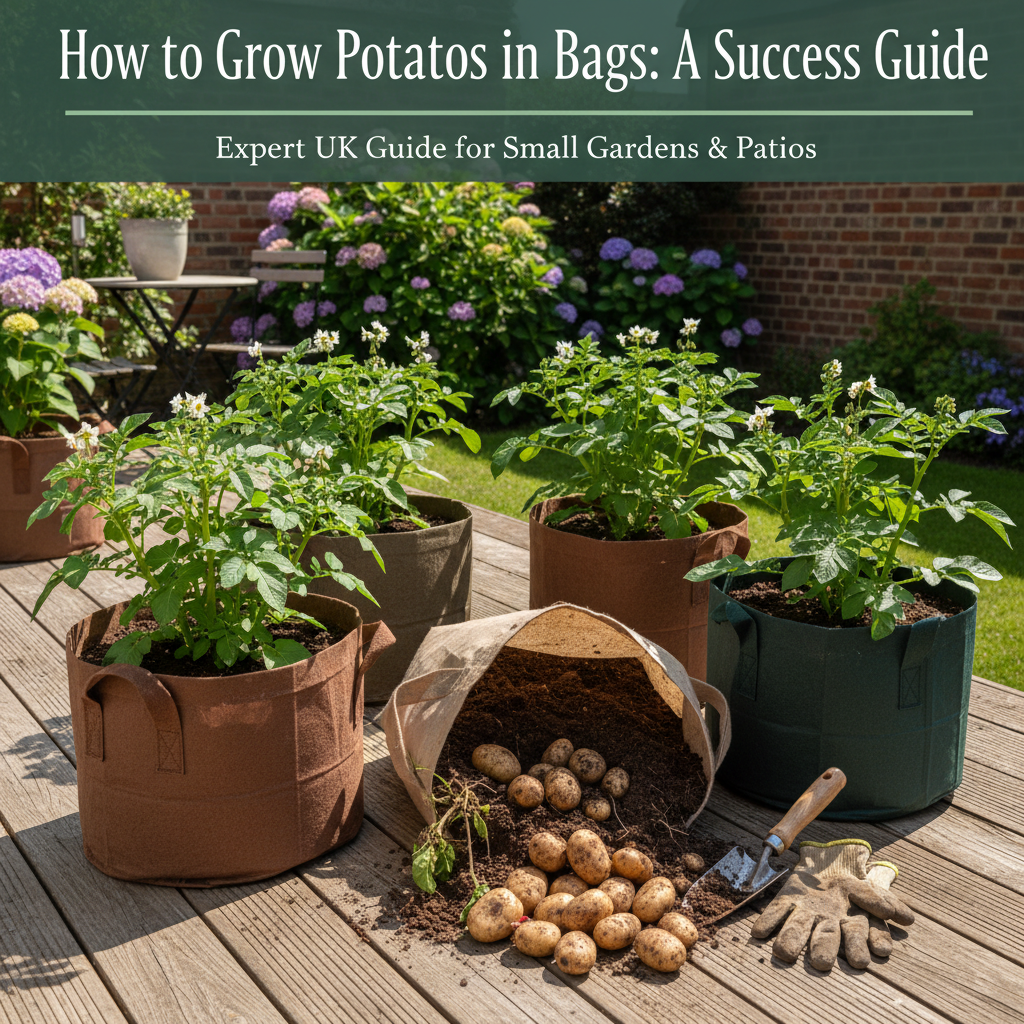
How to Grow Potatoes in Bags: A Success Guide
Discover how to grow a bumper crop of delicious home-grown potatoes in bags and containers with our expert UK guide. Perfect for small gardens and patios.