
Grow Giant Sunflowers: UK Guide to Planting & Care
Sunflowers are a quintessential summer joy, bringing vibrant colour and a touch of the extraordinary to any UK garden. This comprehensive guide will equip you with all the knowledge to cultivate magnificent sunflowers, whether you're aiming for towering giants or charming dwarf varieties.
Key takeaways
- The world of sunflowers is far more diverse than just the classic 'Giant Russian'.
- Timing is crucial for successful sunflower cultivation in the unpredictable UK climate.
- Sowing indoors gives your sunflowers the best possible start, especially important in cooler UK spring conditions.
- For sunflowers started indoors, hardening off is a vital step to acclimatise them to outdoor conditions before planting out.
- Sunflowers are generally low-maintenance, but a little consistent care will result in spectacular blooms.
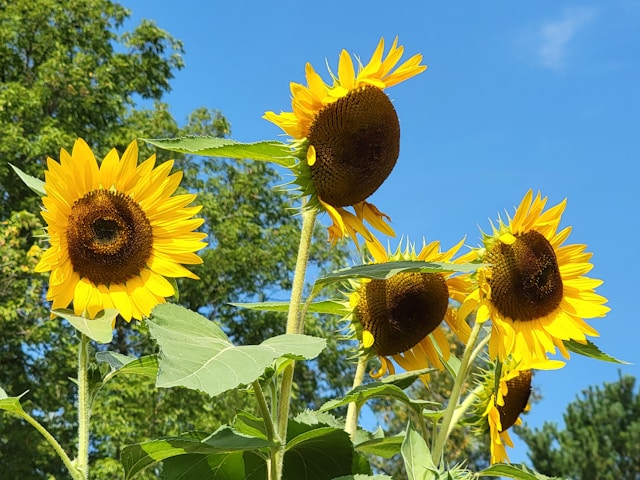
How to Grow Sunflowers in Your UK Garden: The Definitive Guide
Sunflowers (Helianthus annuus) are synonymous with summer, their cheerful, sun-following heads bringing a splash of golden warmth to any garden space. More than just visually stunning, they provide valuable nectar for pollinators and their seeds offer a nutritious treat for birds (and humans!). Growing sunflowers in the UK is a rewarding experience, suitable for gardeners of all levels, from beginners to seasoned enthusiasts.
This comprehensive guide from Garden-Review will walk you through every step, ensuring your sunflower endeavour flourishes, from selecting the perfect variety to harvesting those prized seeds. We'll delve deeper than the competition, providing UK-specific advice, product recommendations, and advanced growing techniques to guarantee your success.
Why Grow Sunflowers?
- Spectacular Blooms: Instantly brightens any garden with vibrant yellows, oranges, and even reds.
- Wildlife Friendly: Attracts bees and other pollinators, and provides seeds for birds in autumn.
- Easy to Grow: Remarkably unfussy plants, making them ideal for beginners and children.
- Cut Flowers: Many varieties make excellent, long-lasting cut flowers for indoor displays.
- Edible Seeds: Harvest your own nutritious sunflower seeds for snacking or bird feed.
- Privacy & Screening: Taller varieties can create effective temporary screens in your garden.
Choosing the Right Sunflower Variety for Your UK Garden
The world of sunflowers is far more diverse than just the classic 'Giant Russian'. Consider your space, desired height, and colour scheme when selecting seeds. Here are some popular and reliable varieties readily available from UK stockists:
Comparison Table: Popular UK Sunflower Varieties
| Variety | Height (approx.) | Flower Colour | Key Features | Best For |
|---|---|---|---|---|
| 'Giant Russian' | 2.5m - 4m | Classic Yellow | Iconic giant, large seed heads, fast growing. | Contests, bird feed, dramatic backdrops. |
| 'Mongolian Giant' | 3.5m - 4.5m+ | Classic Yellow | Record-breaker potential, huge heads. | Competitive growing, impressive height. |
| 'Harlequin' (F1 Hybrid) | 1.5m - 2m | Mixed Reds, Oranges, Yellows | Multi-headed, vibrant colour blend. | Cut flowers, colourful borders. |
| 'Lemon Queen' | 1.8m - 2.2m | Pale Lemon Yellow | Elegant, multi-branched, prolific bloomer. | Borders, cut flowers, softer aesthetic. |
| 'Teddy Bear' | 40cm - 60cm | Fluffy Yellow-Orange | Dwarf, double pom-pom flowers, pollen-free. | Pots, children's gardens, front of borders. |
| 'Red Sun' | 1.5m - 2m | Deep Red/Burgundy | Striking, multi-branched. | Dramatic focal point, cut flowers. |
UK Stockist Tip: Look for seeds from trusted brands like Thompson & Morgan, Suttons, Mr Fothergill's, and Sarah Raven at your local garden centre or online. Some specialised nurseries like Chiltern Seeds offer a wider, more unusual selection.
When to Plant Sunflower Seeds in the UK
Timing is crucial for successful sunflower cultivation in the unpredictable UK climate. Sunflowers love warmth, so avoid planting too early when late frosts are still a risk.
- Indoors (Recommended for UK): Start seeds in pots indoors from mid-April to late May. This gives them a head start and protects vulnerable young seedlings from slugs and snails.
- Outdoors (Direct Sowing): Sow directly into the ground from late May to early June, once all risk of frost has passed and the soil has thoroughly warmed up. This method is generally better for regions with milder springs or if you're sowing a large quantity.
Sowing a batch every two weeks from April to June will ensure a succession of blooms throughout the summer and into early autumn.
Getting Started: Sowing Sunflower Seeds
1. Sowing Indoors (Mid-April to Late May)
Sowing indoors gives your sunflowers the best possible start, especially important in cooler UK spring conditions.
- Containers: Use individual small pots (7-10cm / 3-4 inches) or deep seed trays. Old toilet roll inserts or newspaper pots are also excellent biodegradable options.
- Compost: Fill pots with a good quality, peat-free seed or multi-purpose compost. Brands like New Horizon or Melcourt are widely available in the UK. Lightly firm the compost.
- Sowing: Make a small hole about 2-3cm deep in the centre of each pot. Place one seed per pot, cover with compost, and gently firm down.
- Watering: Water thoroughly from the bottom or with a fine rose watering can to avoid disturbing the seed.
- Warmth & Light: Place pots in a warm spot, ideally 18-21°C (64-70°F). A sunny windowsill, heated propagator, or greenhouse bench is ideal. Germination usually takes 7-14 days.
- After Germination: Once seedlings appear, ensure they get plenty of light to prevent them becoming leggy. Turn pots regularly if on a windowsill.
2. Direct Sowing Outdoors (Late May to Early June)
If you choose to sow directly, prepare your site thoroughly.
- Soil Preparation: Choose a sunny, sheltered spot with well-draining soil. Dig in plenty of well-rotted garden compost or manure a few weeks before sowing to enrich the soil. Sunflowers are heavy feeders!
- Sowing: Create a drill or individual holes about 2-3cm deep. Space seeds about 30-45cm apart for tall varieties, or 15-20cm for dwarf types. Plant 2-3 seeds per spot to account for potential losses from pests or non-germination, thinning to the strongest seedling later.
- Protection: Crucially, protect newly sown seeds and young seedlings from slugs and snails. More on this in the 'Pests and Diseases' section.
Hardening Off & Planting Out
For sunflowers started indoors, hardening off is a vital step to acclimatise them to outdoor conditions before planting out. This prevents shock and ensures robust growth.
- When: From late May (South UK) to early June (North UK), once all risk of frost has definitely passed.
- Process: Over 7-14 days, gradually expose your seedlings to outdoor conditions. Start with a few hours in a sheltered, shaded spot during the day, bringing them in at night. Increase the time outdoors and exposure to sun and wind each day until they are left out overnight.
- Planting Out: Once hardened off, plant your sunflowers into their final positions.
- In the Ground: Dig a hole equivalent to the root ball, ensuring the plant is at the same depth as it was in the pot. Backfill with soil, firm gently, and water well.
- In Pots: Choose large, sturdy pots. A 30-40cm diameter pot is ideal for most tall varieties, while dwarf types can thrive in 20-25cm pots. Use a good quality loam-based compost or John Innes No. 3 mixed with some slow-release fertiliser granules (e.g., Osmocote).
Caring for Your Sunflowers
Sunflowers are generally low-maintenance, but a little consistent care will result in spectacular blooms.
Watering
- Young Plants: Water regularly, especially in dry spells, to encourage deep root development.
- Established Plants: Once established, sunflowers are relatively drought-tolerant, but they will perform best with consistent moisture, particularly during dry periods and when flowering. Water deeply at the base of the plant rather than overhead to prevent fungal issues.
- Pots: Container-grown sunflowers will dry out much faster and may require daily watering in hot UK summer weather.
Feeding
Sunflowers are notoriously hungry plants, especially if you're aiming for impressive height or large heads.
- Initial Feed: If you didn't incorporate manure or compost at planting, consider a balanced granular feed when planting out.
- Growth Phase: For tall varieties, feed weekly or bi-weekly with a high-nitrogen liquid fertiliser (e.g., a general-purpose plant feed or even a diluted nettle feed) during their active growth phase (June-July).
- Flowering Phase: Once buds begin to form, switch to a high-potash feed (e.g., tomato feed like Tomorite) every two weeks to promote larger, healthier blooms.
Staking
Taller varieties, particularly those in exposed gardens, will benefit from staking to prevent them from snapping in strong winds or heavy rain.
- Method: Insert a sturdy bamboo cane or a purpose-built plant stake (e.g., a spiral stake from a UK brand like Gardman) near the main stem when the plant is around 60-90cm tall.
- Tying: Use soft garden twine or specific plant ties (e.g., Velcro plant ties) to loosely secure the stem to the stake, allowing for growth. Check ties regularly to ensure they aren't constricting the stem.
Deadheading (Optional)
For multi-headed varieties, deadheading spent flowers can encourage more blooms. For single-headed varieties, you typically leave the head to develop seeds.
Pests and Diseases
While generally robust, sunflowers can encounter a few issues in the UK garden.
- Slugs & Snails: The number one enemy of young sunflower seedlings! Employ various slug and snail control methods: copper rings, wool pellets (e.g., Slug Gone branded), crushed eggshells, regular patrols, or organic slug pellets (e.g., Growing Success Advanced Slug Killer).
- Birds: As flower heads mature and seeds develop, birds (especially finches) can be a nuisance. You can cover the heads with netting or old tights (pantyhose) once the petals start to fade to protect the seeds.
- Downy Mildew: Appears as yellow patches on the upper leaf surface and a white, fuzzy growth underneath. Ensure good air circulation and avoid overhead watering. Remove affected leaves. Serious infestations are rare in well-maintained plants.
- Rust: Small, dark red/orange pustules on leaves. More prevalent in humid conditions. Ensure good air circulation. Remove and destroy severely affected leaves.
Harvesting Sunflower Seeds
Harvesting your own sunflower seeds is incredibly satisfying and provides a valuable food source.
- When to Harvest: The back of the flower head will turn yellow, then brown, and the petals will shrivel and drop. The seeds will look plump and the outer shell will feel hard. This typically happens from late September to late October in the UK.
- Protection: As mentioned, cover the heads with mesh netting or old tights as they ripen to deter birds.
- Cutting: Cut the head with a good length of stem (around 30cm / 12 inches).
- Drying: Hang the heads upside down in a warm, dry, well-ventilated place (e.g., shed, garage) for several weeks until completely dry. This prevents mould.
- Extracting Seeds: Once dry, rub two heads together or use a stiff brush to dislodge the seeds. You can also carefully pick them out by hand.
- Storage: Store thoroughly dried seeds in an airtight container in a cool, dark place. They can last for several months.
For snacking: Remove the hulls, soak the kernels in salt water, then roast them in a low oven until crisp.
For birds: Offer whole seeds in a bird feeder or spread them on a bird table. They'll be a popular treat!
Beyond the Bloom: The Perennial Sunflower (Helianthus sp.)
While this guide focuses on the popular annual sunflower (Helianthus annuus), it's worth noting perennial sunflowers exist. Varieties like Helianthus tuberosus (Jerusalem Artichoke) and Helianthus salicifolius (Willow-leaved Sunflower) offer beautiful, smaller, multi-stemmed blooms that return year after year. They are generally much hardier and require less fuss once established.
Troubleshooting Common Sunflower Problems
- Leggy Seedlings: Not enough light. Ensure adequate light from germination. You can try to re-pot deeper to bury some of the stem.
- No Flowers/Small Flowers: Often due to insufficient sunlight, poor soil, lack of nutrients, or not enough water. Review your growing conditions and feeding regime.
- Leaves Turning Yellow: Could be nutrient deficiency (especially nitrogen), overwatering (leading to root rot), or underwatering. Check soil moisture and feeding schedule.
- Heads Drooping Prematurely: Usually a sign of severe underwatering or heat stress. Water deeply.
Growing sunflowers in your UK garden is a truly joyous and rewarding experience. With a little planning, the right variety choice, and consistent care, you can enjoy these magnificent, sun-worshipping giants from summer right through to autumn. Not only will they bring a smile to your face, but they'll also provide a vital larder for local wildlife. So, grab a packet of seeds, get digging, and prepare for a spectacular show!
Frequently Asked Questions About Growing Sunflowers (FAQs)
Can I grow sunflowers in small UK gardens or containers?
How long do sunflowers take to grow from seed to flower in the UK?
What soil do sunflowers prefer in the UK?
Do I need to support tall sunflowers in my UK garden?
Why are my sunflower seedlings being eaten by slugs and snails?
Can I save seeds from my homegrown sunflowers for next year?
Tags
Comments
Join the conversation
Create a free account to leave comments, share photos, and connect with other gardeners.
Related Articles

Winter Garden Tidying
Winter might seem like a quiet time in the garden, but it's crucial for laying the groundwork for a spectacular spring and summer. This guide provides UK gardeners with actionable advice on essential winter tidying tasks, from preparing your soil to maintaining tools and creating a pest-free environment.

Autumn Lawn Care
Autumn is a pivotal time for your lawn's health, laying the groundwork for a lush, disease-resistant turf next spring. This comprehensive guide covers all essential tasks for UK gardeners, from tailored feeding regimes to effective moss and weed control, ensuring your lawn thrives through the colder months.

Mastering Autumn Leaf Clearance for a Healthy UK Lawn
Autumn leaves, while beautiful, can pose a serious threat to your UK lawn's health. This comprehensive guide provides actionable advice on why and how to effectively remove, manage, and even repurpose fallen leaves to ensure your grass remains vibrant and disease-free through winter and into spring.
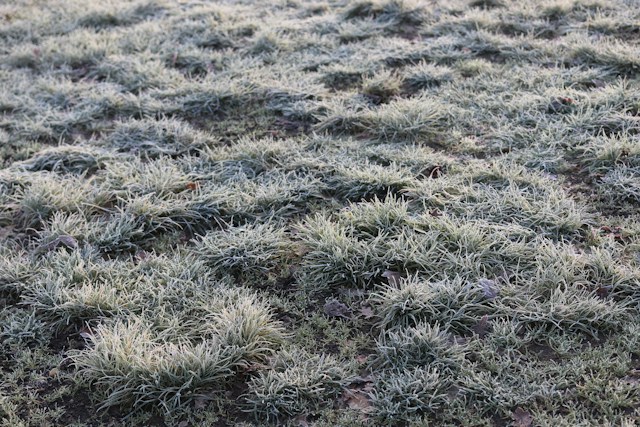
Winter Lawn Care UK: Your Essential Guide to a Resilient Lawn
Ensuring your lawn thrives through the UK's colder months requires specific preparation. This guide from Garden-Review provides essential, actionable advice to safeguard your lawn against winter stresses, from correct autumnal mowing to combating common issues like moss and fungal diseases, guaranteeing a vibrant return in spring.
How to Grow Perfect, Straight Carrots in UK Soils
Master the art of growing crunchy, straight carrots in your UK garden. From avoiding carrot fly to soil prep, here is everything you need for success.
Year-Round Salad Leaves: A Guide for UK Gardeners
Discover how to grow fresh, organic salad leaves in your UK garden all year round. Expert tips on varieties, sowing schedules, and winter protection.