
Essential Winter Pruning Guide for UK Gardens
Winter pruning is a vital task for many UK gardeners, ensuring plant health, vigour, and a bountiful display in the coming seasons. This comprehensive guide covers everything you need to know about pruning dormant plants for optimal results.
Key takeaways
- Having the right tools is paramount for clean cuts that heal well and for your safety.
- Why: To encourage good fruit production, create an open, goblet shape for air circulation and light penetration, and remove dead or crossing branches.
- Just as important as knowing what to prune is knowing what *not* to prune.
- <ul> <li><strong>Clean Cuts:</strong> Always make clean, sharp cuts to minimise damage and promote rapid healing.
- While winter is generally a quiet time for many birds, it's always good practice to check for nesting birds, even in dormant hedges or dense shrubs, before making cuts.
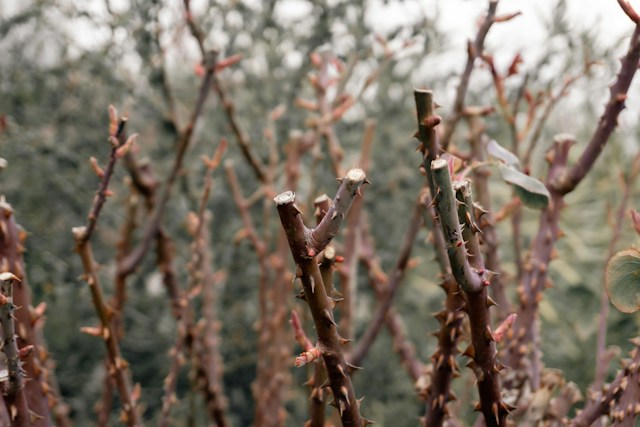
Essential Winter Pruning for a Thriving UK Garden
As the vibrant hues of autumn fade and the chill of winter sets in, many UK gardeners might be tempted to retreat indoors until spring. However, winter, particularly from November through to March, presents a crucial window of opportunity for a vital garden task: pruning. When deciduous plants are dormant, free from their leafy canopies, their skeletal structure is fully exposed, allowing for precise and effective cuts that shape their future growth, enhance flowering and fruiting, and maintain overall plant health. At Garden-Review, we believe in empowering UK gardeners with the best advice, so let's delve into the art and science of winter pruning.
Why Prune in Winter? The Benefits for UK Gardeners
Winter pruning offers several distinct advantages, primarily due to the plants' dormant state:
- Clear Visibility: Without leaves, it's far easier to assess the plant's structure, identify dead, diseased, or crossing branches, and make informed decisions about where to cut.
- Reduced Stress: Dormant plants are under less physiological stress, making them more tolerant of pruning. Wound healing begins slowly but robustly as temperatures rise in spring.
- Disease Prevention: For many species, winter pruning minimises the risk of fungal and bacterial infections (e.g., silver leaf on stone fruits is avoided by pruning in summer). Cold weather also reduces the presence of active pests.
- vigour Stimulation: Pruning stimulates vigorous new growth in spring, which is particularly beneficial for increasing flower and fruit production in many plants.
- Sap Bleeding Minimized: For "bleeders" like grapevines, acers, and birch, winter pruning (typically early to mid-winter) is crucial to avoid excessive sap loss that can weaken the plant.
Essential Tools for Winter Pruning in the UK
Having the right tools is paramount for clean cuts that heal well and for your safety. Always ensure tools are sharp and sterilised before and after use to prevent disease spread.
- Bypass Secateurs: For smaller stems (up to 2cm). Brands like Felco (e.g., Felco 2) or Fiskars are highly recommended for their durability and precision. Available at most UK garden centres like Dobbies or online retailers like Harrod Horticultural.
- Anvil Secateurs: Best for dead or woody stems where a crushing action is less detrimental.
- Loppers: For thicker branches (2-5cm). Long handles provide leverage. Look for models with geared mechanisms for easier cutting.
- Pruning Saw: For branches over 5cm. Japanese-style pull saws are incredibly efficient and make clean cuts. Consider brands like Silky.
- Gloves: Protect your hands from thorns and blisters. Gauntlet-style gloves are excellent for roses and thorny shrubs.
- Sterilising Wipes/Spray: A solution of diluted bleach (1:9) or surgical spirit to clean blades between plants, especially if you suspect disease.
Plants to Prune in Winter: A Comprehensive UK Guide
Below is a detailed guide to common UK garden plants that benefit most from winter pruning.
1. Deciduous Fruit Trees & Bushes
Apples & Pears (Pome Fruits)
When: November to early March (ideally January/February).
Why: To encourage good fruit production, create an open, goblet shape for air circulation and light penetration, and remove dead or crossing branches. Winter pruning promotes the formation of fruiting spurs.
How:
- Remove dead, diseased, or damaged branches.
- Cut out any crossing branches that rub against each other, as these can create entry points for disease.
- Aim for an open 'wine-glass' shape. Remove branches growing into the centre.
- Shorten the previous season's growth on main leaders by about a third to a half, cutting back to an outward-facing bud.
- For established trees, thin out congested fruiting spurs to allow better light and air.
UK Tip: For cordon or espalier trained trees, winter is the key time to prune laterals back to short spurs (2-3 buds) off the main framework. Consult specific guides for different training systems ([How to Prune Espalier Fruit Trees](/how-to-prune-espalier-fruit-trees)).
Berry Bushes (Currants, Gooseberries)
When: Late November to February.
Why: To maintain an open, productive bush, encourage new fruiting wood, and remove old, less productive stems.
How (Blackcurrants): These fruit best on one-year-old wood. Cut back roughly one-third of the oldest, darkest stems to ground level each year. This encourages strong new growth from the base. Aim for 8-10 healthy shoots.
How (Redcurrants & Gooseberries): These fruit on older wood (spurs). Create an open goblet shape. Shorten main leaders by a quarter, and side-shoots by two-thirds, to two buds. Remove any low-hanging branches that touch the ground.
Autumn-Fruiting Raspberries
When: December to February, once fruiting has finished.
Why: They fruit on canes produced in the current year, so cutting back annually ensures a fresh, productive crop.
How: Cut *all* canes down to about 5-10cm above the ground. Simple!
UK Tip: Reputable suppliers like Thompson & Morgan or Suttons Seeds offer robust raspberry canes suitable for the UK climate.
Grapevines
When: December to early January (before mid-January to avoid sap bleed).
Why: To control vigour, direct energy into fruiting wood, and prevent excessive sap loss (bleeding).
How: Cut back side shoots (laterals) from the main permanent rod to one or two buds from the main stem. This will create short, fruiting spurs for the coming season. Remove any dead or weak wood.
2. Roses
When: Late winter, typically January to March, when the worst frosts have passed but before new growth fully emerges.
Why: To promote strong, healthy growth and abundant blooms, remove weak or diseased wood, and maintain an attractive bush shape.
How (Bush Roses – Hybrid Teas, Floribundas):
- Remove all dead, diseased, or damaged wood.
- Cut out any crossing stems.
- Reduce the remaining strong stems by about one-third to a half, cutting to an outward-facing bud.
- Remove any weak, spindly growth.
How (Climbing Roses):
- Focus on maintaining the framework. Tie in new, healthy flexible stems horizontally to encourage more flowers.
- Shorten side shoots emerging from the main framework to 2-3 buds.
- Remove any old, unproductive main stems right from the base every few years to rejuvenate the plant.
UK Tip: David Austin Roses (UK-based) provides excellent specific pruning advice for their varieties. Consider their deep gauntlet pruning gloves for thorn protection.
3. Deciduous Climbers
Group 3 Clematis (Late-flowering varieties like 'Jackmanii', Viticellas)
When: February to early March, before new growth starts.
Why: These flower on new growth, so hard pruning encourages vigorous fresh stems and a strong floral display.
How: Cut all stems back to a strong pair of buds, approximately 15-30cm (6-12 inches) above ground level or to just above the lowest viable buds on a young plant. Don't be shy!
UK Stockists: Taylors Clematis is a highly regarded UK specialist.
Wisteria
When: Twice-yearly pruning: July/August (summer) and December/January (winter).
Why: Winter pruning promotes flowering spurs for the following spring. Summer pruning controls growth and improves flower bud formation.
How (Winter Pruning): Shorten all lateral (side) shoots that were cut back in summer to two or three buds from their base/the main framework. These stubs will develop into flowering spurs.
4. Deciduous Ornamental Trees & Shrubs
When: November to March, when dormant.
Why: To establish a clear trunk (standard trees), remove crossing/rubbing branches, control size, and rejuvenate overgrown specimens.
How (General Deciduous Trees e.g., Acer, Amelanchier, Birch - excluding stone fruits):
- Remove any dead, diseased, or damaged branches.
- Prune out crossing or rubbing branches.
- If establishing a standard tree, remove lower branches gradually to create a clear stem, ensuring you don't remove more than a third of the canopy in one year.
- For specific bleeders like Acers and Birches, prune in late autumn/early winter (December is ideal) to minimise sap loss.
How (Deciduous Shrubs e.g., Cornus (for stem colour), Sambucus, Buddleja davidii, Cotinus - for foliage):
- Cornus (Dogwood) for winter stem colour: Cut back all stems hard to within 10-15cm of the base in late winter/early spring (March) before new growth starts. This promotes vibrant new coloured stems.
- Buddleja davidii (Butterfly Bush): Cut back hard in March to 30-60cm (1-2 feet) from the ground to encourage prolific flowering on new wood.
- Renovation Pruning: For overgrown deciduous shrubs like Viburnum, Mahonia (when not in flower), or older flowering currants, winter is ideal. You can either hard prune over one season (risky for some) or renovate over 2-3 years by removing a third of the oldest, thickest stems each winter.
UK Specifics: Many shrubs grown for their vibrant winter stems (Cornus sanguinea 'Midwinter Fire', Salix alba 'Britzensis') rely on annual hard winter pruning for their best display.
| Plant Type | When to Prune (UK) | Key Reason | Pruning Action |
|---|---|---|---|
| Apple & Pear Trees | Nov - Early Mar | Fruit production, shape | Remove dead/crossing, open centre, shorten leaders & laterals |
| Autumn Raspberries | Dec - Feb | Encourage new fruiting canes | Cut all canes to 5-10cm from ground |
| Blackcurrants | Nov - Feb | Rejuvenate, encourage new wood | Remove 1/3 oldest stems to ground |
| Redcurrants & Gooseberries | Nov - Feb | Shape, fruit on spurs | Open goblet, shorten leaders/laterals |
| Grapevines | Dec - Early Jan | Control vigour, promote fruiting spurs | Shorten laterals to 1-2 buds |
| Bush Roses | Jan - Mar | Vigour, blooms, shape | Remove dead/diseased/crossing, shorten healthy stems by 1/3 to 1/2 |
| Group 3 Clematis | Feb - Early Mar | Encourage new flowering growth | Cut all stems to 15-30cm from ground |
| Wisteria | Dec - Jan (winter) | Promote flowering spurs | Shorten lateral shoots to 2-3 buds |
| Cornus (for stem colour) | Late Feb - Mar | Vibrant new coloured stems | Hard prune all stems to 10-15cm from base |
| Buddleja davidii | Mar | Prolific summer flowers | Cut back hard to 30-60cm from ground |
Plants to AVOID Pruning in Winter
Just as important as knowing what to prune is knowing what *not* to prune. Pruning the wrong plant at the wrong time can severely damage it or prevent it from flowering.
- Stone Fruits (Cherries, Plums, Gages, Apricots, Peaches): These are highly susceptible to Silver Leaf disease (a fungal infection) if pruned in winter. Always prune stone fruits in summer (late July to August) when the disease spores are less prevalent and wounds heal quickly.
- Spring-Flowering Shrubs and Trees: Plants like Forsythia, Lilac, Rhododendron, Azalea, Camellia, and Magnolias form their flower buds on old wood in the previous season. Pruning them in winter will remove all their spring flowers. Prune these immediately *after* they have finished flowering.
- Maples (Acers) and Birches: While some light tidying can be done in very early winter (Dec) to minimise sap bleed, major pruning should ideally be done in late summer/early autumn once leaves are fully developed and sap flow is reduced, or very early winter before sap flow increases. Spring pruning will result in profuse bleeding.
- Evergreen Shrubs: Generally, evergreens are best pruned in late spring or early summer after the risk of hard frosts has passed and before the main heat of summer sets in. Winter pruning can expose vulnerable new growth to cold damage.
- Lavender: Best pruned in late summer after flowering to maintain shape or in very early spring for a light tidy. Avoid hard winter pruning that can expose the woody base to frost.
General Pruning Principles for Winter Success
- Clean Cuts: Always make clean, sharp cuts to minimise damage and promote rapid healing. Jagged cuts invite disease.
- Angle Your Cuts: When cutting back to a bud, angle the cut slightly upwards and away from the bud, about 0.5-1cm above it. This allows water to run off, preventing rot.
- Prune to an Outward-Facing Bud: This encourages new growth to grow outwards, creating a more open and balanced plant.
- Remove the Three Cs: Always remove Dead, Diseased, and Crossing branches first. This improves plant health and structure.
- Don't Over-Prune: Avoid removing more than 20-25% of the plant's total mass in a single year, unless it's a specific rejuvenation prune (like autumn raspberries or cornus).
- Check the Weather: Avoid pruning during periods of severe frost or when heavy rain is forecast, as this can increase the risk of disease entry. A dry, mild winter day is ideal.
- Dispose of Debris: Burn or responsibly dispose of any diseased material promptly to prevent spread. Healthy prunings can be shredded for mulch or added to the compost heap.
Winter Pruning & Wildlife in the UK Garden
While winter is generally a quiet time for many birds, it's always good practice to check for nesting birds, even in dormant hedges or dense shrubs, before making cuts. The official nesting season runs from March to August, but some birds can start earlier. Always observe carefully.
Conclusion: Embrace the Winter Pruning Window
Winter pruning, far from being a chore, is an investment in your garden's future. By following these guidelines, UK gardeners can confidently tackle the task, ensuring their fruit trees yield bumper crops, their roses bloom prolifically, and their ornamental shrubs maintain their vigour and beauty year after year. So, sharpen those secateurs, wrap up warm, and head out into your dormant garden – a thriving spring display awaits! For more seasonal advice, explore our guides on [Winter Garden Tasks](/winter-garden-tasks) and [Protecting Plants from Frost](/protecting-plants-from-frost).
Frequently Asked Questions
Tags
Comments
Join the conversation
Create a free account to leave comments, share photos, and connect with other gardeners.