
First Lawn Cut of the Year UK Tips
Master your first lawn cut of the year with our expert UK guide. Learn the best time to mow, ideal blade heights, and how to avoid common spring mistakes.
Key takeaways
- In the UK, the "first cut" is a significant horticultural milestone.
- Before you pull the mower out of the shed, perform these three essential checks to ensure you don't do more harm than good: Walk across your lawn.
- <ol> <li><strong>Clear the Area:</strong> Use a spring-tine rake to gently remove twigs, stones, and leaf litter.
- Use the table below to determine the ideal height for your specific lawn type during that first spring session.
- The most common mistake UK gardeners make is cutting the grass too short on the first attempt.
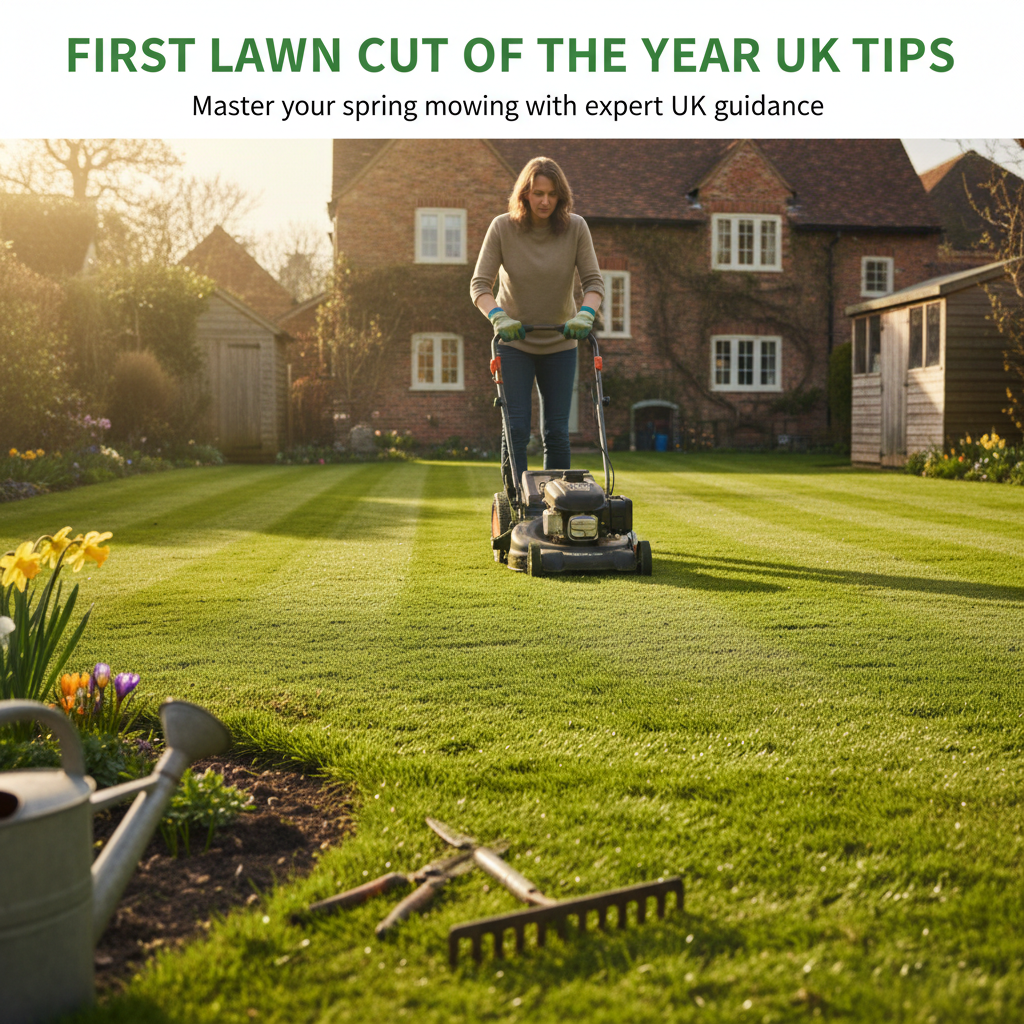
The best time for the first lawn cut of the year in the UK typically falls between mid-March and early April. You should wait for a dry day when the air temperature consistently stays above 6°C and the grass has started to grow. Always use the highest blade setting on your mower for the first trim to avoid "scalping" and stressing the dormant roots.
Your First Spring Mow
- Timing: Aim for late March, provided the ground is firm and dry.
- Blade Height: Follow the "one-third rule" - never remove more than 33% of the grass blade height.
- Weather: Only mow when the grass is dry to prevent soil compaction and disease.
- Preparation: Sharpen mower blades and clear debris before starting.
- Temperature: Ensure the soil is warm enough to sustain active growth (above 6-8°C).
When is the Best Time for the First Lawn Cut of the Year in the UK?
In the UK, the "first cut" is a significant horticultural milestone. While the traditional date is often cited as the Easter weekend, your garden’s specific microclimate and the year's weather patterns are more accurate indicators. Most gardeners in the South of England may find themselves mowing in early March, while those in Scotland or Northern England may need to wait until mid-April.
You should wait until the grass is actively growing. You can tell growth has started when the lawn begins to look "shaggy" and the colour transitions from a dull winter brown to a more vibrant green. Do not be tempted to mow if there is still a risk of heavy frost, as cutting frozen grass will snap the blades and cause "silvering" or permanent damage to the plant tissue.
Checking the Conditions: Is Your Lawn Ready?
Before you pull the mower out of the shed, perform these three essential checks to ensure you don't do more harm than good:
1. The Ground Firmness Test
Walk across your lawn. If your footsteps leave deep indentations or the ground feels "squelchy," it is far too wet to mow. Mowing on waterlogged soil leads to soil compaction, which prevents oxygen from reaching the roots and can cause long-term drainage issues.
2. The Temperature Check
Grass is a living organism that goes dormant when temperatures drop. It typically begins to grow when the soil temperature reaches approximately 6°C (43°F). If the weather is still consistently frosty at night, leave the mower in the garage.
3. The Moisture Level
Never mow a wet lawn. Wet grass clumps together, clogging the mower's discharge chute and tearing the grass rather than cutting it cleanly. This creates jagged edges that are highly susceptible to fungal diseases like Red Thread.
How to Give Your Lawn Its First Cut: A Step-by-Step Guide
- Clear the Area: Use a spring-tine rake to gently remove twigs, stones, and leaf litter. Avoid heavy raking (scarifying) at this stage as the grass is still fragile.
- Check Your Mower: Ensure your mower blades are sharp. Dull blades tear the grass, leading to browning and disease. Check oil levels in petrol mowers or battery life in cordless models.
- Set the Cutting Height: Adjust your mower to its highest setting. For most UK domestic lawns, this is around 4cm to 5cm (1.5 to 2 inches).
- Choose Your Moment: Wait for a dry afternoon when any morning dew has evaporated.
- The Gentle Trim: Mow at a slow, steady pace. Do not aim for a "bowling green" finish immediately; the goal is simply to tidy the tips and encourage lateral growth.
- Dispose of Clippings: For the first cut of the season, it is usually best to collect the clippings. This prevents damp mats of grass from suffocating the emerging blades and helps remove any winter debris.
Comparison: Blade Height Settings for Different Grass Types
Different types of lawns require different care levels. Use the table below to determine the ideal height for your specific lawn type during that first spring session.
| Lawn Type | Typical Use | Winter Height | First Cut Height | Summer Maintenance Height |
|---|---|---|---|---|
| Utility Lawn | Family/Pets/High Traffic | 50mm | 40mm - 50mm | 25mm - 35mm |
| Ornamental Lawn | Fine Fescue/Show | 30mm | 25mm - 30mm | 13mm - 20mm |
| Shady Lawn | Under trees/North facing | 60mm | 50mm - 60mm | 40mm - 50mm |
Why the "One-Third Rule" is Non-Negotiable
The most common mistake UK gardeners make is cutting the grass too short on the first attempt. This is known as "scalping." Expert greenkeepers follow the one-third rule: never remove more than one-third of the total height of the grass in a single session.
"Removing too much of the leaf blade in one go shocks the plant. This redirects all the energy from root development to leaf repair, leaving your lawn vulnerable to drought and weed invasion later in the year."
If your lawn has grown to 9cm over the winter, your first cut should only bring it down to 6cm. You can then gradually lower the blades over the next three or four weekly mows until you reach your desired summer height.
Post-Cut Lawn Care: What Comes Next?
Once you have successfully completed the first cut, you can begin your wider spring lawn care routine. However, timing is everything.
Wait Before Feeding
Don't apply spring fertiliser immediately after the first mow. Wait until the grass is in a cycle of regular growth (usually early April). Look for a "Spring/Summer" fertiliser high in Nitrogen (N) to encourage lush, green leaf growth.
Dealing with Moss
If you notice heavy moss growth, the first cut is a good time to assess the situation. You may need to apply a moss killer or sulphate of iron, wait for the moss to turn black, and then scarify. However, wait at least 2-3 weeks after the first mow before performing a deep scarification.
Trimming the Edges
For a professional finish, use a pair of long-handled edging shears or a half-moon edging tool. Defining the boundary between your lawn and flower beds provides an instant "manicured" look, even if the grass itself is still recovering from winter.
First Lawn Cut of the Year: Frequently Asked Questions
Can I mow my lawn in February in the UK?
What happens if I cut the grass while it's wet?
Should I leave the clippings on the lawn for the first cut?
My lawn looks yellow after the first cut, what's wrong?
How often should I mow after the first cut?
Tags
Comments
Join the conversation
Create a free account to leave comments, share photos, and connect with other gardeners.
Related Articles

Mastering Autumn Leaf Clearance for a Healthy UK Lawn
Autumn leaves, while beautiful, can pose a serious threat to your UK lawn's health. This comprehensive guide provides actionable advice on why and how to effectively remove, manage, and even repurpose fallen leaves to ensure your grass remains vibrant and disease-free through winter and into spring.

Should I Vacuum Artificial Grass?
Discover Cleva’s award-winning Vacmaster & LawnMaster tools—top-rated vacuums, mowers & garden gear praised by expert reviewers.
Has Anyone Actually Mowed Their Lawn This Summer?
After three heatwaves, record temperatures and hosepipe bans across huge parts of the country, brown lawns are everywhere. Jim Fellows explains why your grass probably isn't dead, whether the rain now falling will actually be enough, and when it's safe to mow again.

Top 5 Robot Lawn Mowers for Effortless Lawn Care in 2026
Top 5 robot lawn mowers keep your grass perfectly trimmed, doing the hard work for you so you can relax and enjoy your garden all summer.

How Much Should You Spend on a Lawn Mower? The Ideal Price Range for Small, Medium & Large Gardens
Discover how much to spend on a lawn mower for small, medium, or large gardens with expert tips and top picks for every budget.

Ryobi Lawn Mower Recall: Is Your Model Affected? Here’s What to Do
Ryobi is a trusted name in the power tool and garden machinery industry, known for its extensive lineup of products ranging from drills and grinders to chainsaws and lawnmowers. Combining affordability with reliability, Ryobi tools have become a staple for homeowners and DIY enthusiasts. However, no brand is immune to occasional defects, and in February […]