
Ward 220L Garden Compost Bin Review (GN332)
Tired of seeing your garden and kitchen waste go into the bin? The Ward 220L Compost Bin (also known as the Strata GN332) is a budget-friendly, classic choice for homeowners looking to start their composting journey. We dig into the details to see if this popular model can turn your scraps into black gold.
Key takeaways
- The first thing to consider with any compost bin is its size.
- The first step to using the Ward composter is choosing the right spot.
- This compost bin is aimed squarely at two groups: the beginner composter and the budget-conscious gardener .
- It sits firmly in the budget category, often costing less than a fancy new garden spade.
- The Ward 220L Garden Compost Bin is a British institution for a reason.
Our Rating
Outdoor Garden Compost Bin 220L, Strata GN332 Cylindrical Composter with Hatch Door

Let’s be honest, the amount of waste from a garden and kitchen can be astonishing. Between lawn clippings, pruned stems, vegetable peelings, and tea bags, the municipal bin can fill up alarmingly fast. Not only is that a waste of space, it’s a huge waste of potential. All that organic matter is crying out to be recycled into nutrient-rich compost that your garden will adore. The solution? A home compost bin.
Enter the Ward 220L Garden Compost Bin, also sold under the Strata brand as the GN332 model. It’s one of the most common and recognisable sights in British gardens, and for good reason. This classic, cylindrical "dalek" style composter is often the first step for anyone venturing into the world of home composting. It’s affordable, unassuming, and promises to get the job done. But does it live up to that promise? We’re here to break down every aspect of this ubiquitous green cone to help you decide if it’s the right partner for your garden waste.
At a glance
- Product: Ward 220L Cylindrical Garden Compost Bin
- Model Number: GN332 (Strata)
- Capacity: 220 Litres
- Dimensions (approx.): 90cm (H) x 74cm (Base Diameter)
- Material: Recycled Plastic
- Key Features: Push-fit lid, wide-aperture hatch door, open base
- Colour: Green or Black (depending on retailer)
- Assembly: Minimal, tool-free
Key features explained
220-Litre Capacity
The first thing to consider with any compost bin is its size. At 220 litres, the Ward/Strata model sits firmly in the small-to-medium category. What does that mean in practical terms? It’s the ideal capacity for a small family’s kitchen scraps combined with the waste from a typical small suburban garden. Think lawn mowings from a small patch, seasonal pruning from a few shrubs, and the general tidying-up that happens throughout the year. If you have a huge garden, multiple large hedges, or a vast vegetable patch, you might find you fill it up too quickly. For most, however, 220 litres is the perfect starting point - not so large that you can’t fill it (which can stall the composting process), but not so small that it’s instantly overflowing.
Classic Cylindrical 'Dalek' Design
The shape of this bin is no accident. The traditional cone, or "dalek," design is popular for several reasons. The wide base provides stability and a large surface area for contact with the soil, which is crucial for worms and microbes to get in and start working their magic. The shape then tapers towards the top, which helps to conserve heat. Heat is a vital component of efficient composting; the warmer the pile, the faster your waste will break down. The dark green or black colour of the plastic is also intentional, designed to absorb as much solar energy as possible to further aid the process. It’s a simple, time-tested design that works. The bin is topped with a simple push-fit lid which keeps excess rain out (preventing the contents from becoming a soggy mess) and traps that precious heat in.
Hatch Door for Compost Retrieval
The entire point of composting is to get the good stuff out at the end. The Ward 220L features a large hatch at the base for this very purpose. In theory, this is perfect. As the material decomposes, the finished compost sinks to the bottom of the bin. You should be able to simply slide the hatch open and shovel out the rich, dark, crumbly "black gold" from the bottom, while the material at the top continues to break down. This process is known as continuous composting. In reality, it can be a little more challenging. The hatch itself is just a piece of plastic that slides in grooves, and it can sometimes be stiff or get clogged with soil. Furthermore, it's common for larger, not-quite-decomposed items (like an avocado stone or a chunky twig) to fall down and block the opening. While the hatch is an essential feature, expect to get your hands a little dirty and perhaps use a hand fork to gently coax the finished compost out.
Material and Assembly
These bins are almost always made from recycled plastic, which is a great environmental bonus. This makes them lightweight and easy to handle, especially when empty. When you first receive the bin, it will likely be in a few pieces (often two or three main body panels and the lid). Assembly is a tool-free affair; the pieces simply clip together to form the cone. It’s a five-minute job, and the simplicity is a major plus point. The trade-off for this lightweight convenience is that the plastic can feel a little thin. While it’s perfectly adequate for the job, it won’t stand up to being knocked by a heavy lawnmower or strimmer. Over many years of exposure to UV rays and winter frosts, the plastic can become brittle, but you should still expect to get a good 5-10 years of service from it, which is excellent for the price.
Performance & real-world use
The first step to using the Ward composter is choosing the right spot. It needs to sit on a patch of open ground—bare soil or grass is ideal. Don’t place it on a patio or concrete, as you’ll prevent the essential creatures from the soil from getting in. A sunny spot is best to help build that all-important heat.
Once assembled and in position, you can start filling it. The key to good compost is a balanced diet for your bin. You need a mix of "greens" (nitrogen-rich materials like grass clippings, vegetable peelings, coffee grounds) and "browns" (carbon-rich materials like cardboard, scrunched-up paper, fallen leaves, and small twigs). Aim for roughly a 50/50 mix. This bin’s single-chamber design means you just pile everything in through the top.
Because this is a basic model, it lacks any built-in aeration features. Therefore, manual intervention is key. Every few weeks, you’ll want to aerate the pile by plunging a garden fork in and giving it a good wiggle. This introduces oxygen, which is vital for the aerobic bacteria that do the heavy lifting of decomposition. Without oxygen, the process turns anaerobic, resulting in a slimy, smelly sludge rather than a rich, earthy compost. This is probably the biggest "job" associated with this type of bin.
Over a period of 6-12 months, the contents will break down. Heat retention is reasonable for a plastic bin of this type; on a sunny day, the surface will be warm to the touch. When it comes time to harvest, you have two options. You can use the aforementioned hatch to try and extract the finished material from the bottom. Or, you can do what many gardeners do once a year: lift the entire bin off the pile, set the undecomposed top layer to one side, harvest the beautiful finished compost from the core of the pile, and then place the bin back in its spot and start a new pile with the old material on top. This is often the most effective method and gives you a chance to properly aerate everything.
Pros and cons
| Pros | Cons |
|---|---|
| Excellent value for money, very affordable. | Basic design requires manual turning/aeration. |
| Good starting capacity for small-to-medium gardens. | Plastic can feel a little flimsy; may become brittle over time. |
| Simple, tool-free assembly. | Harvesting hatch can be stiff and awkward to use. |
| Lightweight and easy to move when empty. | No base plate included (standard, but worth noting). |
| Made from recycled materials. | Can be slow to produce compost compared to 'hot bins'. |
Who is it best for?
This compost bin is aimed squarely at two groups: the beginner composter and the budget-conscious gardener. If you’re just starting out and want to dip your toe into the world of composting without a significant financial outlay, this is your ideal starting point. It teaches you the basics of managing a compost pile - balancing greens and browns, the importance of aeration—without any confusing bells and whistles. It’s also perfect for those with smaller gardens who want a simple, contained solution for their modest amount of waste. It's functional, it's effective if managed properly, and it doesn't break the bank.
However, it’s not for everyone. If you have a very large garden generating vast quantities of waste, you’d be better off with multiple bins or a much larger system. Equally, if you’re looking for a low-effort, high-speed solution, you might be more interested in a tumbling composter or an insulated "hot" composting system, which can produce compost in a matter of weeks rather than months (though these come with a much higher price tag).
Price & value
This is where the Ward 220L bin truly shines. It sits firmly in the budget category, often costing less than a fancy new garden spade. For the price, the value proposition is exceptional. You are getting a functional tool that can divert a significant amount of your household waste from landfill and, in return, provide you with a free, high-quality soil improver that will make your plants thrive. The bin will effectively pay for itself in a single season when you consider the cost of buying bags of commercial compost. While you could build a compost heap for free from pallets, this bin offers a neater, more contained, and arguably more efficient solution for the typical urban or suburban garden.
Our Verdict
The Ward 220L Garden Compost Bin is a British institution for a reason. It’s a simple, honest, and effective piece of kit. It’s not flashy, it doesn’t have high-tech features, and it requires a bit of hands-on management. But it does exactly what it sets out to do: it contains your garden and kitchen waste in a neat package and, with a little patience and effort, helps you turn it into wonderfully rich compost.
It’s the perfect gateway into the rewarding practice of home composting. It’s affordable, easy to set up, and a great size for the majority of UK gardens. The plastic could be thicker and the hatch more user-friendly, but these are minor quibbles for a product at this price point. If you're ready to start your composting journey and are looking for a reliable, no-frills workhorse, you can’t go far wrong with this classic green cone.
Frequently Asked Questions: Ward 220L Garden Compost Bin Review (GN332)
Does this compost bin come with a base or bottom?
How easy is it to assemble this compost bin?
What is the best location for a compost bin in the garden?
Is a 220L compost bin big enough for my needs?
How long does it take to get finished compost?
Tags
Comments
Join the conversation
Create a free account to leave comments, share photos, and connect with other gardeners.
Related Articles
Denny International 300L Compost Bin Review: Your First Step to Black Gold?
Tired of throwing away kitchen scraps and garden clippings? We take a close look at the Denny International 300L Outdoor Compost Bin to see if this simple, affordable model can turn your waste into a valuable resource for your garden.
Webb 76cm (30'') Ride on Lawnmower Review
Read our Webb 76cm (30”) Ride-On Lawnmower Review 2026 to discover whether this compact petrol ride-on mower is the right choice for your garden. We test its cutting performance, comfort, reliability, mulching ability, and manoeuvrability while comparing it with popular alternatives from Mountfield and Husqvarna. Ideal for medium-to-large UK lawns, this beginner-friendly ride-on mower combines a Briggs & Stratton engine with versatile 3-in-1 mowing functions and excellent value for money.
Hyundai HYW2000E 2000W Electric Pressure Washer Review
The Hyundai HYW2000E Electric Pressure Washer offers a clear step up from entry-level models, with 2000W power and 150 bar pressure for faster, more effective cleaning. Ideal for patios, driveways, and tougher grime, it delivers strong performance while staying compact and easy to use - making it a great-value upgrade for UK homeowners.
Hyundai Scarifier and Aerator Buying Guide (2026)
Revitalise your lawn with our Hyundai scarifier and aeraror buying guide. Compare top petrol and electric models to remove thatch and improve grass health.
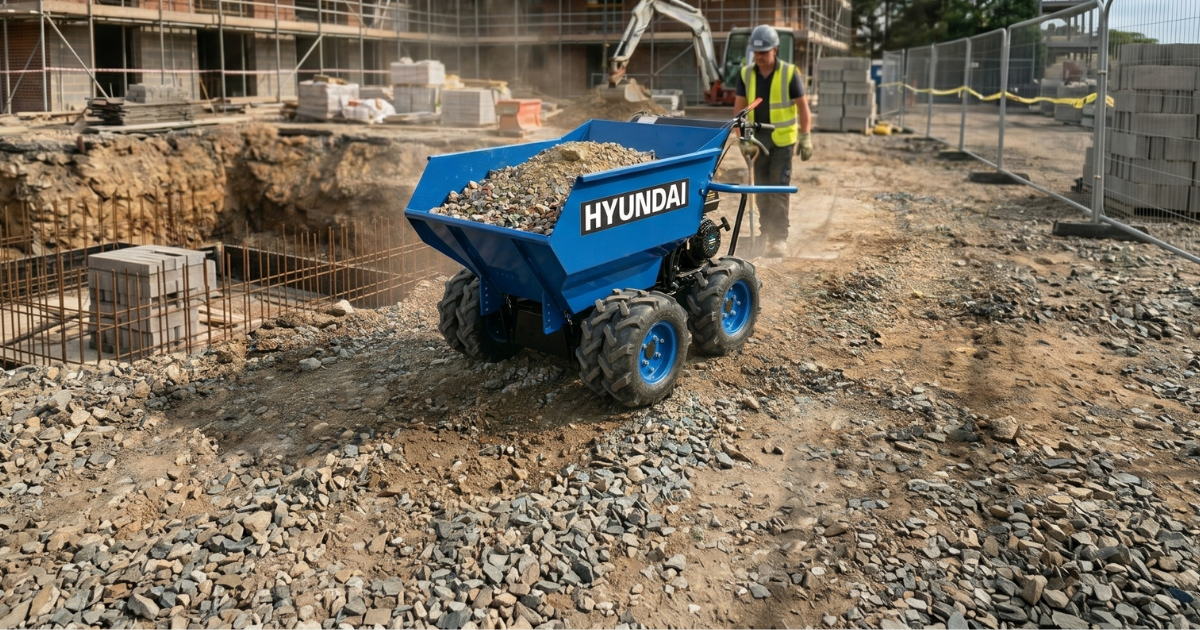
Hyundai HYMD500 500kg 196cc 4x4 Drive Mini Dumper Review
The Hyundai HYMD500 500kg 4x4 mini dumper is a powerful petrol-powered power barrow designed for heavy-duty material handling across construction sites, farms, and large gardens. With a robust 196cc engine, all-terrain 4WD traction, and high load capacity, it offers a reliable and cost-effective alternative to manual wheelbarrows and premium mini dumpers.
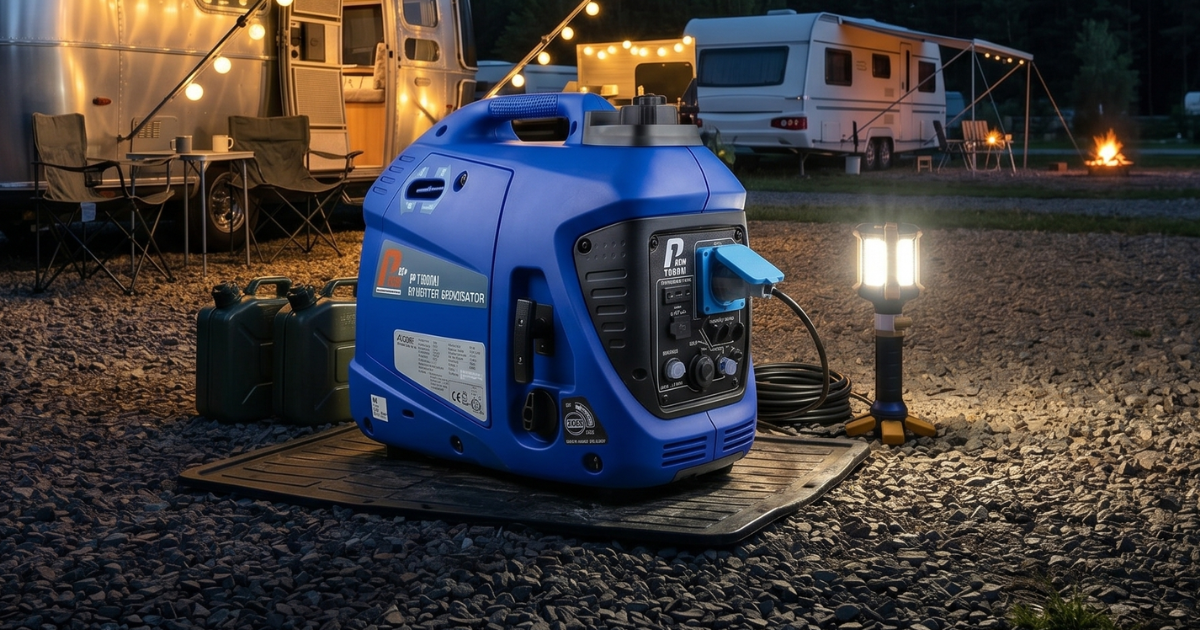
P1 P1000i 1000W Petrol Inverter Suitcase Generator Review
The P1 P1000i is a lightweight and affordable inverter generator designed for low-power applications. It’s ideal for charging electronics and running small appliances while camping, but its limited output means it won’t handle high-demand devices.