
Winter Garden Tidying
Winter might seem like a quiet time in the garden, but it's crucial for laying the groundwork for a spectacular spring and summer. This guide provides UK gardeners with actionable advice on essential winter tidying tasks, from preparing your soil to maintaining tools and creating a pest-free environment.
Key takeaways
- Winter tidying isn't just about aesthetics; it's about creating a healthier environment for your plants and reducing future pest and disease issues.
- Getting a head start on spring sowings can be truly rewarding, especially with our often unpredictable UK weather.
- Once the tidying is done, take some time to plan for the upcoming growing season.
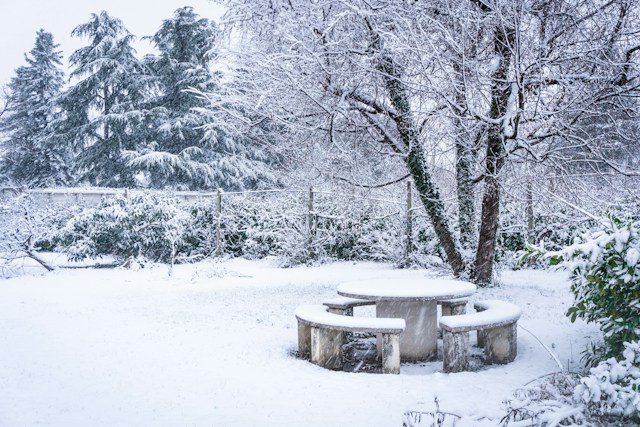
Winter Garden Tidying: Essential Jobs for a Thriving UK Garden
As the vibrant hues of autumn fade and the chill of winter sets in, many gardeners might assume their work is done until spring. However, winter is a pivotal season for preparation, offering a golden opportunity to refresh, organise, and protect your garden. At Garden-Review, we believe a little effort now can significantly impact the health and productivity of your garden come spring. This comprehensive guide, tailored for UK gardeners, covers everything you need to know for effective winter garden tidying, ensuring your green space is primed for success.
Why Winter Tidying Matters for Your UK Garden
Winter tidying isn't just about aesthetics; it's about creating a healthier environment for your plants and reducing future pest and disease issues. The cooler, often damp, UK winter weather can be an ideal breeding ground for pathogens if debris is left unchecked. By dedicating time to these essential tasks, you're investing in the future vitality of your garden, making spring gardening less of a chore and more of a joy.
Key Winter Tidying Tasks for UK Gardeners
1. Soil Preparation and Warming for Early Crops
Getting a head start on spring sowings can be truly rewarding, especially with our often unpredictable UK weather. Warming your soil now can make a significant difference.
How to Warm Your Soil:
- Black Polythene Sheeting: Cover areas designated for early spring planting with thick black polythene sheeting. The black material absorbs solar radiation, gently warming the soil beneath by a few degrees. This also helps to prevent waterlogging by keeping heavy winter rains off the surface. Secure the edges with bricks or soil to prevent it from blowing away in winter gales. Reputable brands like Hozelock or NetXL offer durable options.
- Cloches and Cold Frames: For smaller beds or specific crops, cloches or cold frames (such as those from Harrod Horticultural) can provide excellent protection and warmth. They also shield young seedlings from harsh winds and frosts.
Benefits:
Warm soil encourages earlier germination, faster root development, and allows you to plant out tender crops sooner, potentially extending your growing season.
2. The All-Important Pot Cleaning Ritual
Clean pots are a cornerstone of healthy plant growth. Neglecting this simple task can lead to a host of problems.
Why Clean Pots?
- Pest and Disease Prevention: Old compost harbours fungal spores, bacteria, and overwintering pests like slug eggs and vine weevil larvae. Thorough cleaning eliminates these threats.
- Improved Plant Health: Clean pots ensure a sterile environment for new seedlings and plants, reducing the risk of damping-off and other diseases.
Cleaning Methods:
Plastic Pots:
- Remove all old compost and debris.
- Soak in a solution of warm soapy water (e.g., washing-up liquid) for 30 minutes to an hour to loosen caked-on residue.
- Scrub thoroughly with a stiff brush or kitchen scourer. Pay close attention to rims and drainage holes.
- Rinse well with clean water. For an extra layer of sterilisation, you can rinse in a weak solution of Jeyes Fluid (following manufacturer guidelines carefully) and then a final plain water rinse.
Terracotta (Clay) Pots:
- Terracotta is porous, so it absorbs salts and fertilisers, which can leave white residue.
- Soak in clean water for several hours or overnight to loosen built-up salts and compost.
- Scrub with a stiff brush. A dedicated pot brush, like those available from Burgon & Ball, can be very effective for removing stubborn grime from the porous surface.
- For heavy deposits, a solution of one part bleach to nine parts water can be used, followed by a very thorough rinsing to remove all traces of bleach. Alternatively, a vinegar solution can help remove mineral deposits.
- Ensure pots are completely dry before storing to prevent mould and frost damage.
Crocks and Pot Feet: Don't forget these! Give them a good wash too, as they can also harbour pests and diseases. For drainage, always place crocks concave-side down over the drainage hole to prevent blockage.
3. Tool Maintenance: Sharpen, Clean, and Protect
Well-maintained tools are a gardener's best friend. Winter is the perfect time for a thorough overhaul.
Essential Tool Maintenance:
- Cleaning: Remove all soil and plant debris from spades, forks, hoes, and secateurs. A wire brush is excellent for this.
- Sharpening: Sharp tools make light work and cause cleaner cuts on plants, which aids healing. Use a sharpening stone or a specialised tool sharpener (e.g., the Burgon & Ball bypass secateur sharpener) for secateurs, loppers, and knives. Hoes and spades can benefit from occasional sharpening to keep their edges keen.
- Oiling/Lubricating: Apply a light coat of universal oil (such as WD-40 or a specialised tool oil) to metal parts to prevent rust. Moving parts on secateurs and loppers will benefit from a drop of lubricant. Wooden handles can be treated with linseed oil to prevent drying and cracking.
- Storage: Store all tools in a dry, well-ventilated space, ideally hanging them to prevent damage and keep them tidy.
Recommended Products:
- Tool Sharpeners: Darlac Diamond Tool Sharpener
- Protective Oil: Camellia Oil (for secateurs) or general purpose tool oil.
4. Greenhouse and Shed Organisation
Your greenhouse and garden shed can quickly become cluttered. Winter offers the chance for a thorough declutter and clean.
Greenhouse Deep Clean:
- Empty and Clean: Remove all plants (unless overwintering), staging, and pots. Sweep out all debris.
- Wash Surfaces: Wash glass panes inside and out with warm soapy water to maximise light penetration. Use a specialist greenhouse cleaner (e.g., Vitax Greenhouse Cleaner) to kill algae, fungi, and pests. Pay attention to nooks and crannies where pests can hide.
- Disinfect: Disinfect all staging and surfaces.
- Check for Repairs: Inspect for cracked panes, loose vents, or draughts. Address any issues before spring.
Shed Tidy:
- Declutter: Dispose of broken tools, empty chemical containers, and any items no longer needed.
- Organise: Invest in shelving, hooks, and tool racks to keep everything tidy and easily accessible. Consider labelled containers for seeds, fertilisers, and small tools.
- Pest Control: Check for signs of rodent activity. Store bird seed and other tempting items in airtight metal containers.
5. Battling Winter Pests: Slugs, Snails, and More
While many pests are dormant, some, like snails and slugs, find sheltered spots to overwinter. A proactive approach now can save headaches later.
- Manual Removal: Regularly check under pots, logs, and dense foliage for hibernating slugs and snails. Dispose of them responsibly (e.g., relocate far from your garden, or humanely dispatch).
- Weed Control: Remove winter weeds, as they can provide shelter for pests.
- Tidy Debris: Leaf litter and garden debris offer ideal hiding spots. Clear these away from susceptible plants.
- Consider Barriers: If you have specific problem areas, consider installing copper tape around raised beds or vulnerable plants, though this is often more effective in spring.
Sustainability in Winter Tidying
Embrace sustainable practices in your winter garden:
- Composting: Divert all suitable plant waste to your compost bin. Avoid composting diseased material.
- Leaf Mould: Collect fallen leaves to create nutrient-rich leaf mould for soil conditioning. A simple chicken wire cage works wonders.
- Wildlife Havens: While tidying, consider leaving some areas undisturbed for overwintering insects and wildlife, such as a log pile or a patch of hollow stems. [Read our guide on creating a wildlife-friendly garden here](/creating-a-wildlife-friendly-garden-uk).
Comparison Table: Winter Tidying Tools & Products
| Task | Recommended Tool | Key Benefit | UK Stockist/Brand |
|---|---|---|---|
| Pot Cleaning | Stiff Pot Brush (e.g., Burgon & Ball) | Effective on terracotta & plastic | Burgon & Ball, Dobbies |
| Tool Sharpening | Darlac Diamond Tool Sharpener | Versatile, easy to use | Amazon UK, Garden centres |
| Tool Protection | Camellia Oil (for secateurs) | Non-toxic, prevents rust on blades | Niwaki, specialist tool suppliers |
| Soil Warming | Heavy Duty Black Polythene | Raises soil temperature, prevents waterlogging | Hozelock, NetXL, builders' merchants |
| Greenhouse Cleaning | Vitax Greenhouse Cleaner | Sterilises, removes algae | Vitax, most garden centres |
| Pest Control (Manual) | Garden Trowel / Gloves | Direct removal of overwintering pests | Any reputable garden brand |
Planning for Spring
Once the tidying is done, take some time to plan for the upcoming growing season. Peruse seed catalogues, sketch out new border designs, and make a list of any plants or equipment you'll need. This quiet period is ideal for reflection and dreaming about your spring garden.
Conclusion
Winter garden tidying is more than just a chore; it's an act of care and foresight that pays dividends when spring arrives. By following these comprehensive steps, UK gardeners can ensure their outdoor spaces are clean, healthy, and perfectly prepared for another season of vibrant growth and abundance. Your efforts now will truly allow your garden to flourish.
Further Reading & Resources:
- [Winter Pruning Guide: What to Prune and When](/winter-pruning-guide-uk)
- [Protecting Tender Plants from UK Winter Frosts](/protecting-tender-plants-winter)
- [Best Winter Flowering Plants for UK Gardens](/best-winter-flowering-plants-uk)
Frequently Asked Questions
Tags
Comments
Join the conversation
Create a free account to leave comments, share photos, and connect with other gardeners.