
What to Plant in May: Your UK Garden Guide
May is a pivotal month in the UK gardening calendar, marking the true arrival of warmer weather and the departure of late frosts across much of the nation. This comprehensive guide from Garden-Review will help you get the most out of your garden, detailing exactly what vegetables, herbs, flowers, and fruits you can confidently sow and plant for a bountiful year.
Key takeaways
- While May signals warmer temperatures, it's crucial for UK gardeners to remember regional variations.
- May is prime time for sowing and planting out a vast array of vegetables.
- Most herbs thrive in May's conditions, either direct-sown or as young plants.
- May is the month to bring vibrant colour to your borders, containers, and hanging baskets.
- While many fruit trees and bushes are best planted in autumn or winter, May still offers opportunities, particularly for soft fruits.
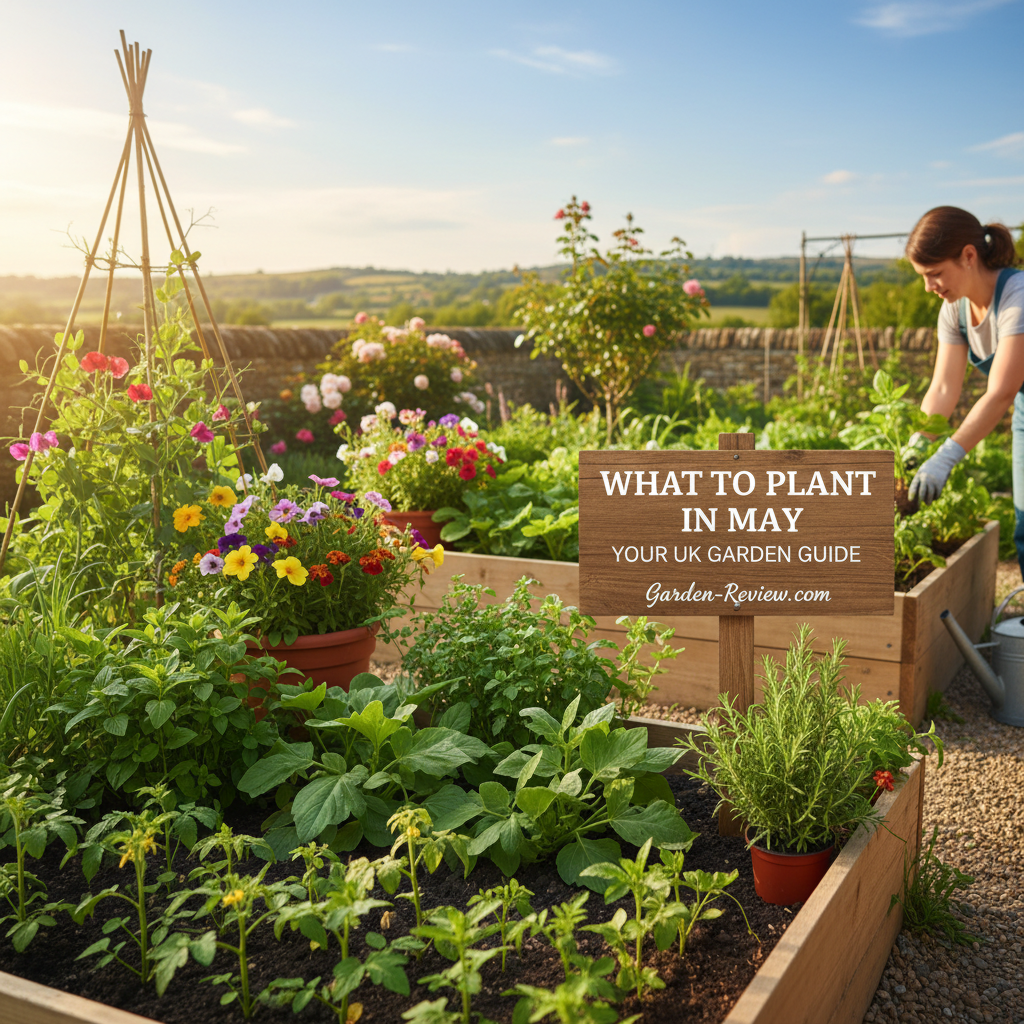
As the days lengthen and the specter of late frosts recedes across much of the UK, May emerges as arguably the most exciting month for British gardeners. The soil is warming, young plants are raring to go, and the possibilities for a productive and beautiful garden seem endless. This comprehensive guide from Garden-Review will walk you through everything you need to know about what to plant in May, ensuring your efforts yield a truly magnificent display and harvest.
Understanding May's Climate for UK Gardeners
While May signals warmer temperatures, it's crucial for UK gardeners to remember regional variations. Southern England and coastal areas typically see significantly less frost risk earlier in the month compared to northern Scotland or elevated regions. Always check your local forecast before planting out tender crops. The Royal Horticultural Society (RHS) advises that the average last frost date for many inland UK areas is around mid-May, but this can fluctuate wildly year to year.
Another key consideration is the increasing day length and intensifying sunlight. Young plants moved outdoors will need careful hardening off to prevent shock, and those directly sown will benefit from consistently moist, well-prepared soil.
Essential May Gardening Tasks
Before we delve into specific plants, here are some crucial tasks to undertake in May:
- Harden Off Tender Plants: Any plants started indoors (e.g., tomatoes, peppers, half-hardy annuals) must be gradually acclimatised to outdoor conditions over 7-14 days before planting out.
- Prepare Planting Beds: Ensure your soil is well-dug, free of weeds, and enriched with plenty of organic matter like well-rotted compost or manure. This sets the stage for strong growth.
- Install Supports: For climbing plants such as peas, beans, and some tomatoes, erect a sturdy support system (canes, netting, obelisks) at planting time to prevent damage later.
- Protect from Pests: Slugs and snails will be highly active. Consider environmentally friendly control methods such as copper tape, beer traps, or nematode treatments from brands like Nemaslug, readily available at UK garden centres like Dobbies or Notcutts.
Vegetables to Plant in May
May is prime time for sowing and planting out a vast array of vegetables. Many warmth-loving crops can now go directly into the ground or be transplanted from indoor starts.
Direct Sowing Outdoors
For a continuous harvest, remember 'successional sowing' – planting a small batch every 2-3 weeks.
Root Vegetables
- Carrots: Sow 'Autumn King 2' for maincrop or 'Amsterdam Forcing' for earlier harvests. Choose fine, stone-free soil to prevent forking. Consider carrot fly resistant varieties like 'Resistafly F1' from Suttons.
- Beetroot: 'Boltardy' remains a firm UK favourite for its reliability and resistance to bolting. 'Cylindra' offers long, uniform roots. Sow directly in shallow drills.
- Radishes: Quick to mature, ideal for impatient gardeners. Sow a few rows of 'French Breakfast' or 'Cherry Belle' every couple of weeks for a constant supply.
Legumes
- Runner Beans: A quintessential British crop! Sow 'Scarlet Emperor' or 'Polestar' direct into moist, fertile soil near their supports.
- French Beans: Both dwarf (e.g., 'Masterpiece') and climbing (e.g., 'Blue Lake') varieties can be sown. Dwarf varieties are excellent for containers like the Stewart Garden Squat Planter.
- Peas: Continue successional sowings of shelling peas like 'Hurst Green Shaft' or mangetout 'Oregon Sugar Pod'. Provide pea netting or twiggy sticks for support.
Leafy Greens & Brassicas
- Lettuce & Salad Leaves: Continual sowings of mixed salad leaves, 'Salad Bowl' lettuce, or crisphead 'Great Lakes' will provide fresh greens all summer, especially if grown in partial shade during the hottest part of the day.
- Spinach & Swiss Chard: 'Giant Winter' spinach or 'Rhubarb Chard' can be sown for a steady supply of nutritious leaves. Keep well-watered to prevent bolting.
- Kale: Sow hardy varieties like 'Cavolo Nero' or 'Red Russian' for a winter harvest.
Other Vegetables
- Sweetcorn: If you haven't started indoors, 'Swift F1' or 'Sparrow F1' can be sown direct in blocks (not rows) for good pollination. Protect from birds.
- Courgettes & Marrows: Direct sow 'Defender F1' or 'Partenon F1' into rich, well-composted soil. These are hungry plants, so ensure ample space and consistent watering.
- Squash & Pumpkins: Sow butternut squash 'Waltham Butternut' or pumpkin 'Munchkin' directly. Give them plenty of room to ramble.
Planting Out Transplants (Hardened Off)
Plants started indoors or purchased as young plants can now confidently go into their final positions.
- Tomatoes: Plant bush (e.g., 'Hundreds & Thousands' for containers) and cordon (e.g., 'Gardener's Delight') tomatoes. Indeterminate (cordon) types will need staking as they grow. Water well and consider a self-watering planter system for consistent moisture.
- Peppers & Chillies: These heat-lovers thrive in sunny, sheltered spots or greenhouses. Varieties like 'California Wonder' (sweet pepper) and 'Hot Wax' (chilli) perform well in the UK.
- Cucumbers: Greenhouse varieties (e.g., 'Burpless Tasty Green') and outdoor types (e.g., 'Marketmore 76') can be planted. Ensure consistent moisture and consider vertical training.
- Aubergines: Best suited for greenhouses or very warm, sheltered spots in the south of the UK. 'Black Beauty' is a common choice.
- Brassica Plug Plants: Broccoli (e.g., 'Calabrese Apollo'), Cabbage, Cauliflower, and Brussels Sprouts can be planted out. Protect young plants from cabbage white butterflies with fine insect netting.
May Vegetable Sowing & Planting Guide
| Vegetable | Sowing Method (May) | UK Variety Recommendation | Harvest Time |
|---|---|---|---|
| Carrots | Direct Sow Outdoors | 'Autumn King 2', 'Resistafly F1' | July - Oct |
| Beetroot | Direct Sow Outdoors | 'Boltardy', 'Cylindra' | July - Oct |
| Runner Beans | Direct Sow Outdoors | 'Scarlet Emperor', 'Polestar' | July - Oct |
| French Beans | Direct Sow Outdoors | 'Masterpiece' (Dwarf), 'Blue Lake' (Climbing) | July - Oct |
| Sweetcorn | Direct Sow or Transplants | 'Swift F1', 'Sparrow F1' | Aug - Oct |
| Courgettes | Direct Sow or Transplants | 'Defender F1', 'Partenon F1' | July - Oct |
| Tomatoes | Transplants (Hardened Off) | 'Gardener's Delight', 'Hundreds & Thousands' | July - Oct |
| Cucumbers | Transplants (Hardened Off) | 'Marketmore 76' (Outdoor), 'Burpless Tasty Green' (Greenhouse) | July - Sept |
Herbs to Plant in May
Most herbs thrive in May's conditions, either direct-sown or as young plants.
- Basil: A tender herb, best planted out when all frost risk has passed. 'Sweet Genovese' is a classic. Consider growing in pots near the kitchen door.
- Coriander: Sow 'Leisure' directly for its leaves. For continuous supply, sow small batches every 3-4 weeks. It tends to bolt in hot, dry conditions, so keep it moist.
- Parsley: 'Italian Giant' (flat-leaf) or 'Moss Curled' can be sown directly or planted as small plants.
- Dill: 'Tetra Dill' is a good choice for both leaves and seeds. Sow directly where it is to grow.
- Mint, Chives, Oregano, Thyme: These hardier herbs can be planted from pots. Dividing existing clumps of mint or chives is also effective now.
Flowers to Plant in May
May is the month to bring vibrant colour to your borders, containers, and hanging baskets. Both seeds and young plants can be utilised.
Direct Sowing Half-Hardy Annuals
Create stunning displays by sowing these directly after the last frost.
- Nasturtiums: 'Alaska Mixed' offers variegated leaves and bright flowers, while 'Empress of India' boasts dark foliage and scarlet blooms. Edible and great for pollinators!
- Cosmos: 'Sensation Mixed' or the popular 'Purity' (white) and 'Dazzler' (pink). Sow thinly in well-drained soil for continuous summer blooms.
- Calendula (Pot Marigold): 'Pacific Beauty Mixed' provides cheerful orange and yellow flowers. Self-seeds readily.
- Sunflowers: From dwarf varieties like 'Teddy Bear' (ideal for pots) to towering 'Giganteus'. Kids love growing these!
- Cleome (Spider Flower): Unique, airy flowers in shades of pink, purple, and white. 'Queen Mixed' is a good option.
Planting Out Bedding Plants & Summer-Flowering Bulbs
Now is the time to fill those gaps and create instant impact.
- Bedding Plants: Begonias, busy lizzies (impatiens, especially disease-resistant 'Beacon' varieties), petunias, salvias, lobelia, and pelargoniums (geraniums). Source healthy young plants from UK nurseries like Hillier Garden Centres or online specialists like Thompson & Morgan.
- Summer-Flowering Bulbs & Tubers: Dahlias (e.g., 'Café au Lait', 'Karma Choc'), Gladioli, Canna Lilies, and Eucomis (Pineapple Lily). Plant them into fertile, well-drained soil in sunny locations. Dahlias, in particular, benefit from a good feed as they establish.
- Climbing Annuals: Sweet Peas (e.g., 'Spencer Mixed', 'Cupani'), Morning Glory (Ipomoea), and Black-Eyed Susan (Thunbergia alata). Provide support like obelisks or trellises.
May Flower Sowing & Planting Guide
| Flower Type | Sowing/Planting Method (May) | UK Variety Recommendation | Flowering Time |
|---|---|---|---|
| Nasturtium | Direct Sow Outdoors | 'Alaska Mixed', 'Empress of India' | June - Oct |
| Cosmos | Direct Sow Outdoors | 'Sensation Mixed', 'Purity' | July - Oct |
| Sunflowers | Direct Sow Outdoors | 'Teddy Bear', 'Giganteus' | Aug - Sept |
| Dahlias | Plant Tubers/Transplants | 'Café au Lait', 'Karma Choc' | July - First Frost |
| Petunias | Plant Bedding Plants | 'Surfinia' series, 'Easy Wave' series | June - Oct |
| Sweet Peas | Direct Sow or Transplants | 'Spencer Mixed', 'Cupani' | June - Sept |
Fruit to Plant in May
While many fruit trees and bushes are best planted in autumn or winter, May still offers opportunities, particularly for soft fruits.
- Strawberry Runners: May is your last real chance to plant strawberry runners (e.g., 'Cambridge Favourite', 'Eves Delight') if you want a crop this year. Plant in well-drained soil or specialist strawberry planters. Protect ripening fruit from birds and slugs.
- Containerised Fruit Trees & Bushes: Pot-grown fruit trees (apples, pears, plums, cherries) and bushes (gooseberries, currants, blueberries) can be planted all year round, provided they are kept well-watered. May is a good time to get them established before the peak summer heat. Look for varieties suitable for UK climate from reputable nurseries like Blackmoor Nurseries.
- Melons: Treat these like cucumbers, giving them lots of warmth and a protected environment (greenhouse or polytunnel) in the UK. 'Outdoor Wonder' is one of the more reliable outdoor varieties.
Looking After Your May Plantings: Key Tips for UK Gardeners
- Watering: Consistent watering is critical for newly planted subjects, especially during dry spells. Use a good quality hose pipe and sprayer, or consider an irrigation system for larger areas.
- Feeding: As plants establish and start to flower/fruit, they'll benefit from feeding. Use a balanced liquid feed like Tomorite for tomatoes and other fruiting plants, or a general purpose feed for flowers and vegetables.
- Weeding: Keep on top of weeds before they compete with your plants for water and nutrients.
- Pest & Disease Watch: Regularly inspect your plants for signs of pests (aphids, slugs, caterpillars) and diseases (powdery mildew, blight). Early detection makes control easier.
- Support & Training: Continue to tie in climbers and stake taller plants as they grow to prevent wind damage.
- Successional Sowing: For many vegetables and annual flowers, sow small batches every 2-3 weeks to ensure a continuous supply throughout the summer and autumn.
By following these guidelines and adapting to your local UK microclimate, May can be one of the most productive and rewarding months in your gardening year. Enjoy watching your efforts transform into a lush and vibrant outdoor space!
Frequently Asked Questions: What plant in May in the UK
Is it safe to plant out tender plants in May in the UK?
What are the easiest vegetables to sow directly outdoors in May?
Can I still plant strawberry runners in May?
What flowers should I plant for continuous colour in my garden?
How often should I water new May plantings?
Tags
Comments
Join the conversation
Create a free account to leave comments, share photos, and connect with other gardeners.
Related Articles
July Gardening Jobs: Your Complete UK Garden Checklist
July is the month the garden peaks - and the month it can quietly fall apart if you look away. Our UK checklist covers watering through restrictions, deadheading, harvesting, what you can still sow, lawn care in a dry spell, hedge cutting and holiday-proofing.

Winter Garden Tidying
Winter might seem like a quiet time in the garden, but it's crucial for laying the groundwork for a spectacular spring and summer. This guide provides UK gardeners with actionable advice on essential winter tidying tasks, from preparing your soil to maintaining tools and creating a pest-free environment.

Winter Lawn Care UK: Your Essential Guide to a Resilient Lawn
Ensuring your lawn thrives through the UK's colder months requires specific preparation. This guide from Garden-Review provides essential, actionable advice to safeguard your lawn against winter stresses, from correct autumnal mowing to combating common issues like moss and fungal diseases, guaranteeing a vibrant return in spring.
How to Grow Perfect, Straight Carrots in UK Soils
Master the art of growing crunchy, straight carrots in your UK garden. From avoiding carrot fly to soil prep, here is everything you need for success.

The Three Sisters: A Harmony of Growth in Vegetable Planting
In the ever-evolving world of allotment and vegetable growing, some methods stand the test of time. Among them is the ancient practice of Three Sisters planting, a technique rooted in Indigenous agricultural traditions of the Americas. This time-honoured method not only exemplifies the ingenuity of early growers but also offers a blueprint for sustainable, symbiotic […]

Can you use tomato feed on other plants?
Tomato feed is suitable for many flowering and fruiting plants due to its high potassium content, with specific precautions.