
Slug and Snail Control UK: Expert Guide to Protection
Looking for effective slug and snail control in the UK? Discover the best organic methods, from nematodes to hedgehog-friendly tips, to protect your garden.
Key takeaways
- The British climate, characterised by mild winters and damp summers, provides the ideal breeding ground for gastropods.
- This involves using a selection of methods to keep populations at a manageable level rather than attempting total eradication, which is impossible and ecologically damaging.
- As of April 2022, the sale and use of metaldehyde slug pellets have been banned in the UK due to their toxicity to birds and hedgehogs.
- The most sustainable way to manage slug and snail populations is to transform your garden into a balanced ecosystem.
- Changing how you garden can significantly reduce the "attractiveness" of your borders to pests.
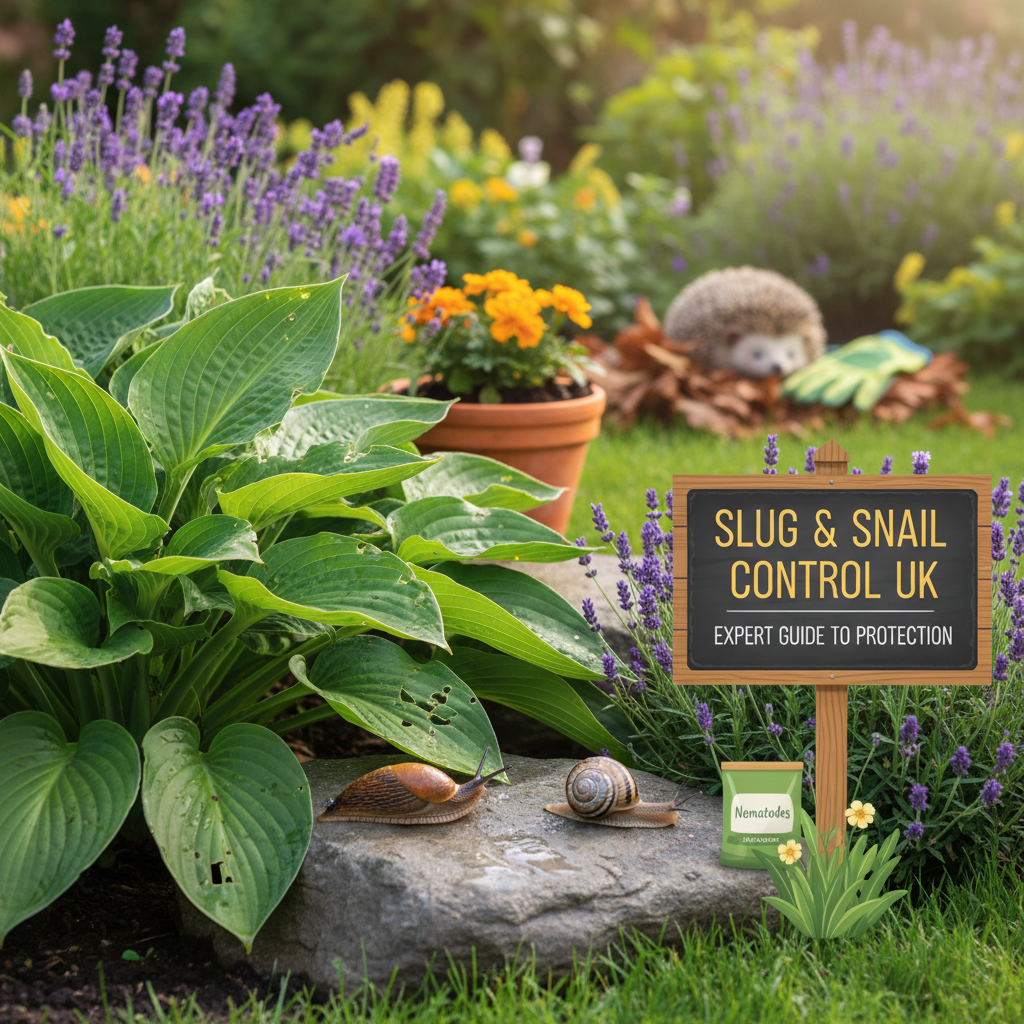
Effective slug and snail control UK requires an integrated approach combining biological controls, physical barriers, and cultural garden management. The most successful methods include applying nematodes (Phasmarhabditis hermaphrodita) during damp weather, using copper tapes for container plants, and encouraging natural predators like hedgehogs and song thrushes to maintain ecological balance in your garden.
Managing Slugs and Snails
- Best Timing: Start control measures in early spring (March/April) as soil temperatures rise above 5°C.
- Biological Control: Nematodes are the most effective organic solution for soil-dwelling slugs.
- Wildlife Support: Create habitats for frogs, toads, and beetles which are natural slug hunters.
- Vulnerable Plants: Provide extra protection for delphiniums, hostas, sweet peas, and young vegetable seedlings.
- Night Patrols: Manual removal by torchlight is one of the most immediate ways to reduce populations.
Why Are Slugs and Snails Such a Problem in UK Gardens?
The British climate, characterised by mild winters and damp summers, provides the ideal breeding ground for gastropods. In a typical UK garden, it is estimated there can be up to 200 slugs per cubic metre. Research suggests that the average garden may host over 20,000 slugs and snails, which can consume up to 40 times their weight in a single day.
While often viewed as pests, it is important to note that many of the 40+ species of slugs in the UK are actually beneficial decomposers. However, species like the Grey Field Slug (Deroceras reticulatum) and the Spanish Slug (Arion vulgaris) are voracious eaters of living plant tissue, capable of stripping a row of lettuce overnight.
What Is the Best Slug and Snail Control Method?
There is no "silver bullet" for slug and snail control. Instead, "Integrated Pest Management" (IPM) is recommended. This involves using a selection of methods to keep populations at a manageable level rather than attempting total eradication, which is impossible and ecologically damaging.
1. Biological Control: Using Nematodes
Nematodes, specifically Phasmarhabditis hermaphrodita, are microscopic worms that live in the soil. They infect slugs with bacteria that stop them from feeding within days. This is widely considered the most effective organic method for UK gardeners.
- When to apply: Between March and October when the soil is moist and temperatures are consistently above 5°C.
- How to apply: Mix the powder with water and apply using a watering can with a coarse rose.
- Pro Tip: Apply in the evening to prevent the nematodes from drying out in the sun.
2. Physical Barriers and Deterrents
Barriers work by making it physically uncomfortable or impossible for the mollusc to reach the plant. However, their effectiveness can vary significantly based on weather conditions.
| Method | Effectiveness | Best Used For... |
|---|---|---|
| Copper Tape | High | Pots, containers, and raised bed borders. |
| Sheep's Wool Pellets | Medium | Mulching around individual prize plants. |
| Crushed Eggshells | Low | Temporary deterrent; easily bypassed when wet. |
| Slug Collars | High | Protecting young brassicas and lettuce seedlings. |
How to Use Slug Pellets Safely in the UK
As of April 2022, the sale and use of metaldehyde slug pellets have been banned in the UK due to their toxicity to birds and hedgehogs. Gardeners must now use ferric phosphate pellets.
Ferric phosphate is considered safe for organic gardening. When slugs ingest these pellets, they stop feeding and retreat underground to die. This means you won't see a "trail of destruction" or dead slugs on the surface. To use them effectively:
- Scatter pellets thinly around the base of plants; do not heap them in piles.
- Apply after rain or watering when slugs are most active.
- Use sparingly - only a few pellets per square metre are required.
Encouraging Natural Predators: The Long-Term Solution
The most sustainable way to manage slug and snail populations is to transform your garden into a balanced ecosystem. By encouraging natural predators, you delegate the "pest control" to nature.
Attracting Garden Helpers
To reduce your reliance on manual control, consider the following additions to your garden:
- Hedgehog Highways: Create 13cm x 13cm holes in fences to allow hedgehogs to roam between gardens.
- Garden Ponds: Frogs, toads, and newts are prolific slug eaters. Even a small sunken container pond can attract them.
- Bird Feeders: Song thrushes are famous for cracking snail shells against "anvil" stones.
- Ground Beetles: Leave some leaf litter or a log pile to house carabid beetles, which hunt slug eggs and small slugs.
Habits to change to Deter Slugs and Snails
Changing how you garden can significantly reduce the "attractiveness" of your borders to pests. These expert-recommended cultural controls are the foundation of a healthy garden.
Watering Habits
Avoid watering your garden in the evening. This leaves the soil and foliage damp overnight- prime time for slug activity. Instead, water in the early morning. This allows the surface soil to dry out during the day, making it harder for slugs to move around at night.
Plant Selection
If you have a persistent slug problem, choose "slug-resistant" plants. These typically have hairy leaves, thick waxy cuticles, or strong scents that deter feeding.
- Astrantia (Masterwort)
- Digitalis (Foxgloves)
- Aquilegia (Columbine)
- Geranium (Cranesbill)
- Euphorbia (Spurge)
- Sedum (Stonecrop)
Monthly Checklist for Slug and Snail Control UK
Effective control follows the UK seasons. Use this timeline to stay ahead of the pests:
- February/March: Clean up leaf litter where snails hibernate. Look for clusters of clear, pearl-like eggs in the soil and expose them for birds.
- April/May: Apply first round of nematodes. Install copper tape on new pots.
- June/July: Conduct evening "slug hunts" during damp spells. Keep the area around vulnerable plants clear of weeds to reduce hiding spots.
- August/September: Apply a second round of nematodes to catch the autumn breeding peak.
- October/November: Leave some seed heads and tidy up carefully, but keep habitat piles away from the main vegetable patch.
"Prevention is better than cure. By watering only at the base of the plant and keeping the surrounding soil dry, you create a desert-like environment that slugs find difficult to navigate." - UK Gardening Expert Recommendation.
Frequently Asked Questions
What is the most effective biological slug control?
Are coffee grounds effective at stopping slugs?
When is the best time of day to catch slugs and snails?
Do beer traps actually work?
Is it true that some slugs are good for the garden?
Can I still use blue slug pellets in the UK?
Tags
Comments
Join the conversation
Create a free account to leave comments, share photos, and connect with other gardeners.
Related Articles
How to Get Rid of Slugs and Snails: UK Garden Expert Guide
Learn how to get rid of slugs and snails in your UK garden with expert tips on organic pellets, nematodes, and natural barriers. Stop pest damage today!
How to Prevent Plant Diseases: A Complete UK Guide
Learn how to prevent plant diseases in your UK garden with expert tips on hygiene, airflow, and resistant varieties. Stop blight and mildew before they start!

Best Garden Lighting: The Ultimate UK Homeowner's Guide
Discover the best garden lighting options for UK homes. From solar DIY to professional mains systems, learn about IP ratings, wildlife safety, and more.

How to Create a Traditional English Garden: The Ultimate UK Guide
Transform your outdoor space with our guide to traditional English gardens. Learn design secrets, plant selection, and UK-specific maintenance tips now!
How to Install a Solar-Powered Garden Pond: UK Guide
Learn how to install and maintain a solar-powered garden pond in the UK. Discover expert tips on placement, plant selection, and the best solar pumps.
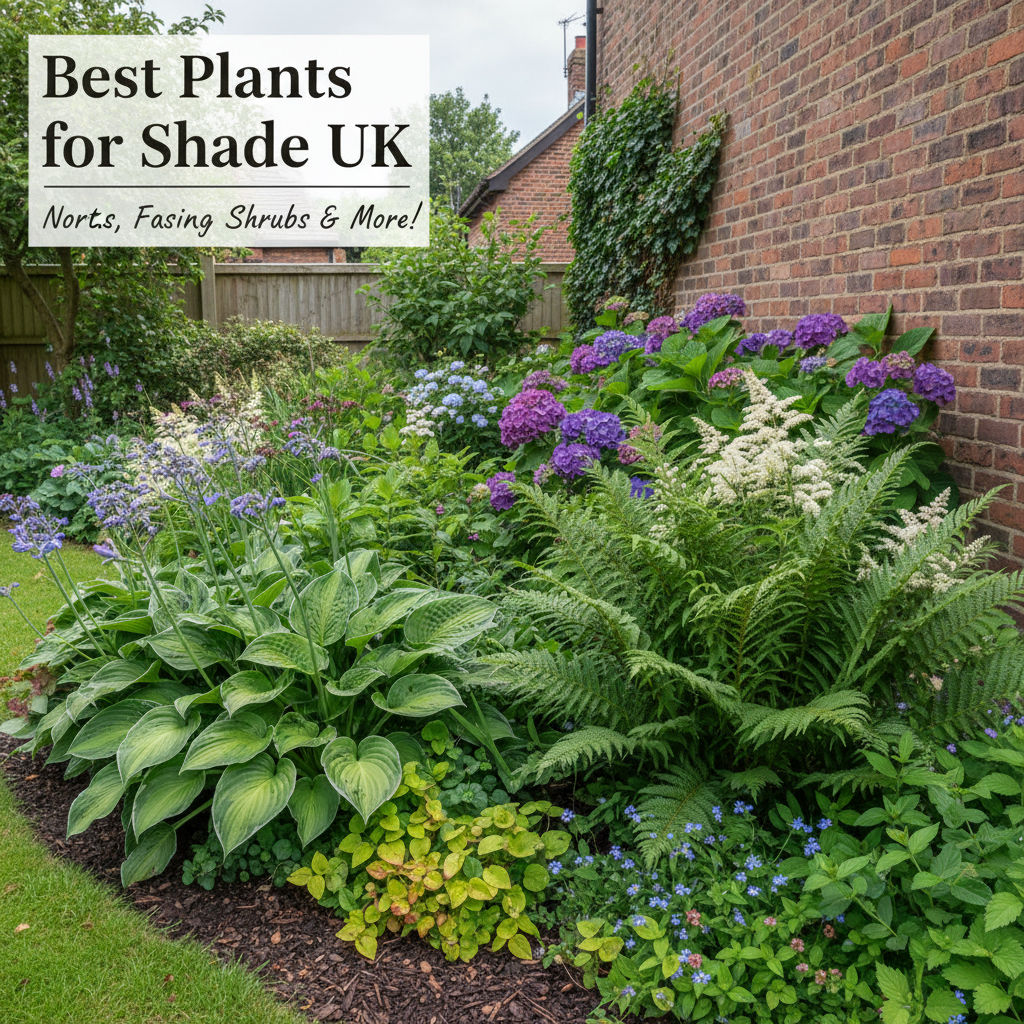
Best Plants for Shade UK: North Facing Garden Guide
Discover the best plants for shade UK gardens. Our guide covers north-facing garden ideas, ferns, hostas, and shrubs to transform your shady borders today.