
How to Kill a Tree Stump UK - The Best Methods Compared
A tree stump left after felling can regrow, harbour disease, and create a trip hazard. Here are six proven methods to kill it - from a £10 chemical killer to same-day professional grinding.
Key takeaways
- Six proven methods for killing a tree stump - from a £5 bag of Epsom salt to professional stump grinding.
- ⚠ Do This Before Any Other Step A Tree Preservation Order (TPO) protects specific trees from felling or damage.
- Best for: Fresh stumps (recently cut), most tree species, when you want results within weeks rather than months.
- Best for: Families with children or pets, wildlife-friendly gardens, anyone who wants to avoid synthetic herbicides.
- Best for: Anyone who wants the stump gone today, large stumps, stumps where you want to replant, or where the stump is a trip hazard or nuisance.
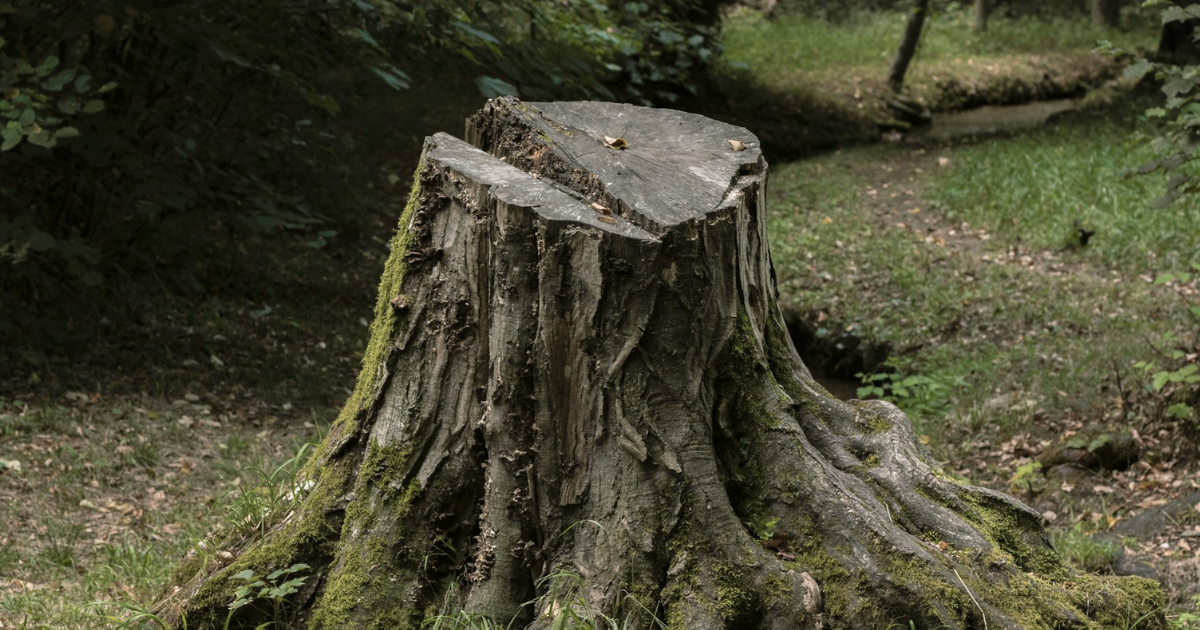
"The right method depends entirely on three things: how quickly you need the stump gone, whether you want to replant in that spot, and whether the stump might be protected by a Tree Preservation Order. Get those three questions answered before you buy a single product or hire any equipment."
How to Kill a Tree Stump UK — Every Method Compared
Six proven methods for killing a tree stump - from a £5 bag of Epsom salt to professional stump grinding. Timescales, costs, UK legal requirements, and honest advice on which method works for which situation. Includes the TPO check you must do before you start and the products that actually work in the UK.
⚡ Quick Answer — How to Kill a Tree Stump in the UK
Fastest method: Chemical stump killer (Roundup Tree Stump Killer or SBK) - cut stump fresh, apply product immediately, works in 2–6 weeks on fresh cuts.
Cheapest method: Epsom salt or rock salt - drill holes, pack with salt, cover with tarp — takes 6–12 months.
Fastest physical removal: Stump grinding — professional service costs £100–£500, done in hours, same-day result. Natural/chemical-free: Cover and rot method — takes 1–3 years.
Before any method: Check whether the tree was subject to a Tree Preservation Order (TPO) — some councils treat the stump as a protected structure even after felling.
In This Guide
- Check for a TPO First —- Important
- All 6 Methods Compared
- Method 1: Chemical Stump Killer
- Method 2: Epsom Salt or Rock Salt
- Method 3: Stump Grinding
- Method 4: Cover and Rot Naturally
- Method 5: Manual Digging Out
- Method 6: Burning - Risks & UK Rules
- Which Method Is Right for You?
- What to Do After the Stump Is Dead
- Frequently Asked Questions
1. Check for a Tree Preservation Order Before You Do Anything
⚠ Do This Before Any Other Step
A Tree Preservation Order (TPO) protects specific trees from felling or damage. Critically, in UK law, some councils treat the stump as still being part of a TPO-protected tree even after the tree has been felled. This means killing or removing the stump without council permission could be a criminal offence, regardless of who cut the tree down or when.
Similarly, if your tree is in a Conservation Area, you must give your local planning authority six weeks' written notice before carrying out any significant works, including stump removal.
How to check: Contact your local council's planning department or search the Planning Portal at planningportal.co.uk. You can also check the council's tree register or ring the duty planning officer — most councils respond to a simple phone query within a few days. If in doubt, submit a prior notification before proceeding.
If your tree was not protected and is not in a conservation area, you are free to proceed. The remainder of this guide assumes you have confirmed no TPO applies.
2. All 6 Methods Compared at a Glance
| Method | Timescale | DIY Cost | Effort | Can Replant After? | Best For |
|---|---|---|---|---|---|
| Chemical stump killer ★ | 2–8 weeks | £10–£25 | Low | Wait 6 weeks+ after treatment | Fresh stumps, quick kills, most DIYers |
| Epsom / rock salt | 6–12 months | £5–£10 | Low (with drill) | Salt depletes soil — wait 1 year+ | No chemicals, pets & children in garden |
| Stump grinding (pro) | Same day | £100–£500 (pro) | None (pro does it) | Yes — after refilling hole | Speed, replanting, large stumps |
| Cover & rot naturally | 1–3 years | £0–£5 | Minimal | Yes — once fully rotted | Out-of-the-way stumps, no chemicals |
| Manual digging out | 1–2 days | £10–£30 (tools) | Very high | Yes — immediately | Small stumps, replanting same spot |
| Burning | Hours–days | £5–£20 | Moderate + supervision | Poor — damages soil | Rural areas only — many UK restrictions apply |
3. Method 1: Chemical Stump Killer - Fastest DIY Option
Best for: Fresh stumps (recently cut), most tree species, when you want results within weeks rather than months. The most reliable DIY kill method for the majority of UK gardens.
Chemical stump killers are the most widely used DIY method for killing tree stumps in the UK, and for good reason - applied correctly to a freshly cut stump, they can kill the root system within 2–6 weeks and begin accelerating decomposition of the woody tissue. The two main products available in UK garden centres and online are:
Roundup Tree Stump & Rootkiller
Active ingredient: Glyphosate · ~£8–£15
Kills the stump and roots. Glyphosate is a non-selective systemic herbicide - it kills all plant tissue it reaches, so apply directly to the stump only. Effective on most UK tree species. Ready-to-use formulation available (no dilution needed). Best applied within 30 minutes of cutting the stump.
Vitax SBK Tree Stump Killer
Active ingredient: Triclopyr · ~£12–£18
Glyphosate-free alternative. Triclopyr is a selective broadleaf herbicide — it targets woody plants without affecting grass, making it safer if the stump is adjacent to your lawn. Best used autumn–winter (avoid April–June when sap is rising). Requires dilution. Up to 8 stumps per 250ml concentrate.
Step-by-Step: How to Apply Chemical Stump Killer
Step 1 — Cut as low as possible
Use a chainsaw or pruning saw to cut the stump as close to ground level as you can. The fresher and flatter the cut surface, the better the chemical penetration. Apply the product within 30 minutes of cutting — once the surface dries, effectiveness drops significantly.
Step 2 — Drill holes (larger stumps)
For stumps wider than about 15cm, drill multiple holes 2–3cm wide and 20–25cm deep across the cut surface and angled into the sides. Space them 5–8cm apart. This increases the surface area that absorbs chemical and speeds the kill. For small stumps, simply painting the cut surface is sufficient.
Step 3 — Apply the product
Paint or pour the chemical directly onto the cut surface and into any drilled holes. Follow the label instructions exactly — rates vary between products. Wear gloves, eye protection and old clothing. Keep children and pets away from the treated area for the period stated on the label.
Step 4 — Cover and wait
Cover the stump with a waterproof tarp, bin bag or sheet of polythene secured with bricks or stones. This prevents rain from washing the chemical away before it's absorbed. Leave for the period specified on the label — typically 2–6 weeks for fresh cuts. Older or dry stumps may need a repeat application.
⚠ Important: Fresh vs Old Stumps
Chemical stump killers are significantly less effective on old, dried-out stumps. If your stump has been in the ground for more than a few weeks, the cut surface will have dried and bark will have begun to seal over the phloem — the layer that transports chemicals through the tree. For older stumps, you need to make a fresh cut with a saw or drill multiple deep holes before applying the chemical. Even then, results may be slower and a repeat application is likely needed.
When to use SBK vs Roundup: Roundup works faster and is effective on a wider range of species, but will kill any plant it contacts - apply it with precision and cover nearby plants if in doubt. SBK's triclopyr won't harm grass, making it the safer choice if the stump is surrounded by lawn or you're applying in less controlled conditions. Neither product can be used near watercourses or where they could contaminate water supplies - check the label for the required setback distance.
4. Method 2: Epsom Salt or Rock Salt — The Budget Natural Option
Best for: Families with children or pets, wildlife-friendly gardens, anyone who wants to avoid synthetic herbicides. Requires patience — typically 6–12 months.
Salt-based stump treatments are the most popular chemical-free alternative in UK gardens. Epsom salt (magnesium sulphate) works by drawing moisture out of the wood tissue, dehydrating the stump and accelerating its natural decomposition. Rock salt (sodium chloride) achieves a similar result through a different mechanism — it disrupts the osmotic balance in the woody cells, effectively poisoning the remaining living tissue.
Epsom salt vs rock salt: Epsom salt is generally preferred because it's less harmful to surrounding soil — high concentrations of sodium chloride (rock salt) can persist in the soil and inhibit future planting for a year or more. Epsom salt breaks down more cleanly. Either will kill the stump, but if you plan to replant in the area within 12–18 months, Epsom salt is the safer choice.
Step-by-Step: Epsom Salt Method
- Cut the stump as low to the ground as possible with a chainsaw or saw.
- Drill multiple holes across the top of the stump - aim for 2–3cm wide and at least 20–25cm deep, spaced 5–8cm apart. The more holes the better - this is what makes the method work. A standard cordless drill with a wide auger bit works well.
- Pour Epsom salt into each hole until roughly three-quarters full. Pack it in firmly.
- Add a small amount of water to dissolve the salt and help it penetrate down into the root system — but don't flood the holes or the salt will simply run off.
- Cover the entire stump with a waterproof tarp or polythene sheet, secured with bricks or stones. This keeps rain from diluting the salt and helps retain moisture.
- Reapply Epsom salt and a small amount of water every 2–3 weeks. Each application builds up the concentration in the wood.
- After 6–12 months, the stump should be noticeably softer and beginning to decay. You can speed removal by breaking up the softened wood with an axe and removing chunks. The process is gradual but thorough.
ⓘ Sarah's Honest Note on Epsom Salt
Epsom salt works, but it works slowly and requires commitment - drilling good holes and reapplying every few weeks consistently for several months. The people who report it doesn't work usually drilled too few holes or stopped reapplying after the first application. Large hardwood stumps (oak, ash, beech) will take significantly longer than softwood stumps (conifers, silver birch). If your stump is over 30cm wide, expect 12 months minimum even with regular applications.
5. Method 3: Stump Grinding — Fastest Complete Result
Best for: Anyone who wants the stump gone today, large stumps, stumps where you want to replant, or where the stump is a trip hazard or nuisance. The only method that physically removes the stump on the same day.
Stump grinding is the method professional tree surgeons use for good reason - a dedicated grinding machine reduces the stump to below ground level in a matter of minutes to an hour, leaving behind nothing but wood chip mulch. It is fast, clean, and allows replanting almost immediately. It is also the most expensive option if you hire a professional.
Professional Stump Grinding — UK Costs 2026
| Stump Size | Typical Cost | Notes |
|---|---|---|
| Small (under 20cm) | £100–£175 | Most shrubs and small ornamental trees |
| Medium (20–40cm) | £150–£300 | Typical garden tree — apple, cherry, conifers |
| Large (40–70cm) | £250–£400 | Ash, beech, mature fruit trees |
| Very large (70cm+) | £350–£500+ | Oak, large beech, limited access adds cost |
Costs sourced from MyBuilder, MyJobQuote and tradesmencosts.co.uk (2025–2026). London and South East typically 20–30% higher. Multiple stumps on same visit often priced at a discount.
DIY Stump Grinder Hire
You can hire a small stump grinder from plant hire companies such as HSS Hire, Sunbelt Rentals, or local independent hire shops. Small machine hire typically costs £80–£150 per day, larger machines £150–£380 per week. Factor in fuel, transport, and a damage deposit. Stump grinders are powerful machines with rapidly rotating carbide-tipped cutting wheels — they cause serious injury if misused. Unless you have experience operating them, professional hire is the safer and often equally cost-effective choice.
✓ Advantages of grinding
- Same-day result — stump gone in hours
- Can replant or turf almost immediately
- No chemicals in the soil
- Wood chips can be used as mulch
- Eliminates trip hazard immediately
✗ Limitations
- Most expensive method
- Needs access (~80cm minimum for machine)
- Leaves roots underground to decay naturally
- DIY hire requires competence and care
Finding a professional: Always use a qualified arborist - look for membership of the Arboricultural Association (AA) or a City & Guilds NPTC certificate. Get at least two or three quotes. Most will quote on-site free of charge. Post your job on Checkatrade, TrustATrader or MyBuilder to get competing quotes.
6. Method 4: Cover and Rot Naturally — The Slow but Free Option
Best for: Out-of-the-way stumps where there's no urgency, no replanting planned nearby, and you prefer a completely chemical-free approach. Costs almost nothing but takes 1–3 years.
This is the simplest approach — accelerate what nature would do anyway by creating the right conditions for fungi, bacteria, and wood-boring insects to decompose the stump. Left completely alone, a hardwood stump can take 5–10 years to fully rot. With the following steps, you can reduce that to 1–3 years depending on species and size.
- Cut it low. Reduce the stump to as close to ground level as possible.
- Drill holes across the top. Wide holes (2–3cm) will allow moisture and organisms to penetrate the wood core.
- Pack with nitrogen. Fill the holes with a high-nitrogen fertiliser, fresh manure, or well-rotted compost. Nitrogen feeds the fungi and bacteria that break down wood. Coffee grounds also work well and are free.
- Keep it damp. Decomposition requires moisture. If the stump is in a dry or exposed spot, water it periodically and keep it mulched heavily.
- Cover completely. Cover with a thick layer of mulch, bark, or topsoil, then a black polythene sheet or old compost bag on top. The darkness prevents photosynthesis (which prevents regrowth from the stump) and retains moisture. Secure the edges.
- Check progress every few months. After 12–18 months, begin testing the stump with a firm kick or by prodding with a screwdriver. Softened areas can be broken up and added to the compost heap.
Wildlife note: Rotting stumps are genuinely valuable wildlife habitats — they support beetles, stag beetles (a protected species in parts of the UK), hedgehogs, toads, and a wide range of fungi. If the stump is in an out-of-the-way corner, leaving it to rot slowly and undisturbed is the most ecologically valuable option in this guide.
7. Method 5: Manual Digging Out - Complete Physical Removal
Best for: Small stumps (under 20cm) and situations where you want to replant in exactly the same spot. Physically demanding — realistic for younger trees, but a significant undertaking for mature stumps.
Digging out a stump and its root system by hand is the only method in this guide that results in complete removal of the root structure - useful if you intend to plant a new tree or build a structure directly over the site. For stumps under 20cm in diameter, it's achievable with basic tools and a day's effort. For stumps above 30cm, it becomes an extremely demanding job that most people abandon in favour of professional grinding.
Tools needed: Mattock or heavy grubbing hoe (£15–£30), spade, pruning saw or reciprocating saw for root cutting, pry bar or crow bar, and potentially a high-lift jack or block and tackle for pulling out the main root ball on larger stumps.
- Dig a trench around the stump, working outward until you expose the main lateral roots.
- Cut exposed roots with a pruning saw or reciprocating saw. Work progressively further from the stump, cutting each root you encounter.
- Use the mattock and pry bar to lever the stump loose from the soil as roots are severed. On clay soils, this requires considerable force.
- For larger stumps, attach a tow rope or chain to the stump and use a vehicle or a come-along hand winch to pull it free once enough roots are severed.
- Remove as many root fragments as possible, fill the hole with topsoil, and consolidate well before replanting.
⚠ Check for underground services first
Before digging, call Dial Before You Dig (0800 096 8390) or use the GroundSure service to check for buried cables, pipes and drains in the area. Tree roots frequently grow alongside drainage and service runs. Hitting a gas pipe or water main while digging is a genuine risk near the boundary of a property.
8. Method 6: Burning - UK Rules and Significant Risks
Caution: Burning a tree stump is illegal in some UK areas, requires significant supervision, can spread to underground roots and re-emerge days later, causes air quality and nuisance issues, and is generally the method recommended least by tree surgeons for urban and suburban properties.
Burning is mentioned here because it is a method some UK gardeners attempt — particularly in rural areas with more space and fewer restrictions. It is not recommended for most UK gardens, but understanding the method and its risks is useful.
UK legal position: There is no specific national law against burning garden waste or stumps in England, Wales or Scotland, but open burning is subject to the Clean Air Act 1993, local authority bylaws, and nuisance law. In practice, burning a stump in a residential garden will almost certainly generate smoke that affects neighbours — this constitutes a statutory nuisance under the Environmental Protection Act 1990 and can result in an abatement notice or fine. Many urban and suburban councils actively discourage or prohibit it. London boroughs generally prohibit garden burning. Always check with your local council before attempting this method.
The hidden fire risk: Tree roots can smoulder underground for days after a surface fire appears extinguished. Root systems can extend many metres from the stump, and underground smouldering can re-emerge near structures, fences, or other trees without warning. This is not a theoretical risk — the UK Fire and Rescue Service attends multiple garden-fire incidents per year caused by stump burning that was believed finished.
If you are in a rural area with space, no neighbours within smoke distance, no underground service risk, and you have checked local regulations — burning can work on a dry, dead stump. Build a fire around and on top of the stump and maintain it for 12–24 hours. The stump must be completely dry (several months old minimum). Maintain supervision throughout and for 48 hours after apparent extinction. Keep a water source immediately to hand. Do not use petrol, diesel, or other accelerants — diesel in particular hardens the wood surface and makes removal significantly harder.
9. Which Method Is Right for You?
The right method depends on three factors: how quickly you need results, whether you want to replant in the spot, and your budget. Use the cards below to find your match.
I want it gone as fast as possible
Stump grinding — professional, same-day result
£100–£500 depending on size. Book a qualified arborist.
I want to kill it myself cheaply within a few weeks
Chemical stump killer (Roundup or SBK) — £10–£25
Drill holes, apply product, cover with tarp. Works in 2–8 weeks on fresh stumps.
I have children / pets — no synthetic chemicals
Epsom salt method — £5 to try, 6–12 months
Safe, chemical-free, requires regular reapplication. Cover with tarp between treatments.
I want to replant in the same spot
Stump grinding or manual digging — both give clear ground
Chemical methods leave the stump in the ground and require waiting 6+ weeks before replanting. Salt depletes soil for up to 12 months.
The stump is old and dry (cut months/years ago)
Make a fresh cut first, then chemical or salt method
Old stumps have sealed surfaces. Cutting fresh or drilling deep holes first is essential for any chemical method to work.
The stump is in an out-of-the-way corner
Cover and rot — costs nothing, no chemicals, 1–3 years
The most wildlife-friendly option. Rotting stumps support beetles, fungi, toads, and hedgehogs.
The tree might have been protected by a TPO
Stop — contact your local council first
Some councils treat the stump as part of the protected tree. Removing it without consent can be a criminal offence.
The stump is a trip hazard near a public path or driveway
Grinding — fastest way to eliminate the hazard
A protruding stump creates liability. Don't delay — a professional grinder will have it below ground level on the same day.
10. What to Do After the Stump Is Dead or Removed
Once the stump is dead and breaking down, or has been physically ground out, you have several options for what to do with the space and the soil.
Replanting in the Same Spot
After grinding: wait 6–12 months before planting a new tree in the same location — residual root material in the soil can harbour honey fungus and other root diseases that will affect a replacement tree. If using chemical methods: wait at least 6 weeks (Roundup) or 12 months (salt methods) and check the label for specific replanting intervals. Fill the hole with a 50/50 mix of topsoil and compost before planting.
Turfing or Seeding Over
After grinding, the wood chip left in the stump hole is nutrient-poor and nitrogen-hungry — it will rob nitrogen from grass seed as it decomposes. Fill the hole with good quality topsoil (at least 10cm) before turfing or seeding. Firm the soil well as it will settle. After salt methods, test soil pH before seeding — high salt concentrations will prevent grass germination until leached by rainfall.
Watch for Regrowth
Some trees — particularly poplars, willows, sycamores, cherries, and many conifers — produce vigorous suckers or new shoots from root systems even after the stump appears dead. Treat any new shoots immediately by cutting them back and painting the cut surface with chemical stump killer. Suckers left to grow for a season will re-establish the root system and the stump will take much longer to kill.
Honey Fungus Risk
Dying and dead tree stumps — particularly of susceptible species such as birch, privet, and fruit trees — can be colonised by honey fungus (Armillaria spp.), which spreads through soil to attack living roots of nearby plants. If you see distinctive honey-coloured toadstools near a dead stump in autumn, or black bootlace-like rhizomorphs under the bark, consult an arborist. There is no chemical treatment for honey fungus — physical removal of all root material is the most effective response.
★ Garden-Review Summary
For most UK garden owners, the answer is simple: if the stump is fresh, apply Roundup or SBK and cover it. The job is done in a single afternoon for under £20. If you need the stump completely gone the same day, book a qualified arborist to grind it out — £100–£500 is a fair price for a complete, professional result. If you have children and pets and no urgency, Epsom salt does work — it just takes time and consistency. Whatever method you choose, do the TPO check first.
Fastest DIY kill
Roundup / SBK
£10–£25 · 2–8 weeks
Cheapest / no chemicals
Epsom salt
£5 · 6–12 months
Same-day complete removal
Professional grinding
£100–£500 · hours
Do nothing (wildlife)
Cover and rot
£0 · 1–3 years
UK legal information on Tree Preservation Orders sourced from the Town and Country Planning Act 1990 and Planning Portal guidance, corroborated by Beechwood Trees & Landscapes, Chigwell Tree Services, and C&C Tree Services (2025–2026). Chemical stump killer efficacy information sourced from DIYGarden.co.uk, Vitax SBK product label, and Roundup UK product documentation. Timescale figures (Epsom salt 6–12 months, Roundup 2–6 weeks) corroborated across multiple arborist and landscape sources including GGM Landscaping, Epic Tree Care, and Tree Surgeon Wolverhampton (2025). UK stump removal costs sourced from MyBuilder (£100–£500 professional grinding), MyJobQuote (£50–£100/day DIY hire) and TradesCosts.co.uk (£250–£380/week grinder hire). Burning regulations reflect Clean Air Act 1993 and Environmental Protection Act 1990. Always read and follow product label instructions and verify current HSE approval numbers before purchasing pesticide products. Sarah Mitchell is Garden Machinery and Outdoor Editor at Garden-Review.co.uk. She holds RHS Level 2 Horticulture and has no commercial relationship with Roundup, Vitax, or any chemical manufacturer.
Frequently Asked Questions
What is the fastest way to kill a tree stump in the UK?
Does Epsom salt really kill tree stumps?
Is it illegal to remove a tree stump in the UK?
How long does it take to kill a tree stump with chemicals?
Can I plant in the same spot after killing a tree stump?
Will bleach kill a tree stump?
How do I stop a tree stump from sprouting new growth?
What is the best product to kill a tree stump in the UK?
Tags
Comments
Join the conversation
Create a free account to leave comments, share photos, and connect with other gardeners.
Related Articles

Can You Grow Pomegranate Trees in the UK?
Pomegranate trees can grow in the UK, particularly in warmer, sheltered areas, but fruiting is inconsistent and depends on climate.

Choosing and Planting Ornamental Trees for Small Gardens
Transform your outdoor space with the best ornamental trees for small gardens. Expert advice on UK varieties, planting techniques, and seasonal care.

How to Grow Acers: Complete UK Care Guide for Japanese Maples
Japanese maples reward UK gardeners with spectacular foliage colour, provided they are given shelter from wind and harsh sun and consistently moist, well-drained soil.
How to Maintain Your Lawn Mower
Learn how to maintain your lawn mower with our complete UK guide. Step-by-step mower maintenance tips, seasonal care, and FAQs to keep your mower running smoothly.

How Early Can You Use Noisy Lawn Equipment in the UK? Here’s What the Rules Say
UK garden noise rules typically allow equipment use from 8am-6pm weekdays, with stricter limits on weekends and holidays.

Canker Disease in Plants: Causes, Symptoms, Identification & Control
Canker is a destructive plant disease caused by fungal or bacterial pathogens, affecting various plants and requiring early management for prevention.