
Harvesting & Storing UK Fruit and Veg: Month-by-Month Guide
A practical UK guide to harvesting fruit and vegetables at their peak and storing them correctly, from curing onions to keeping potatoes and apples fresh all winter.
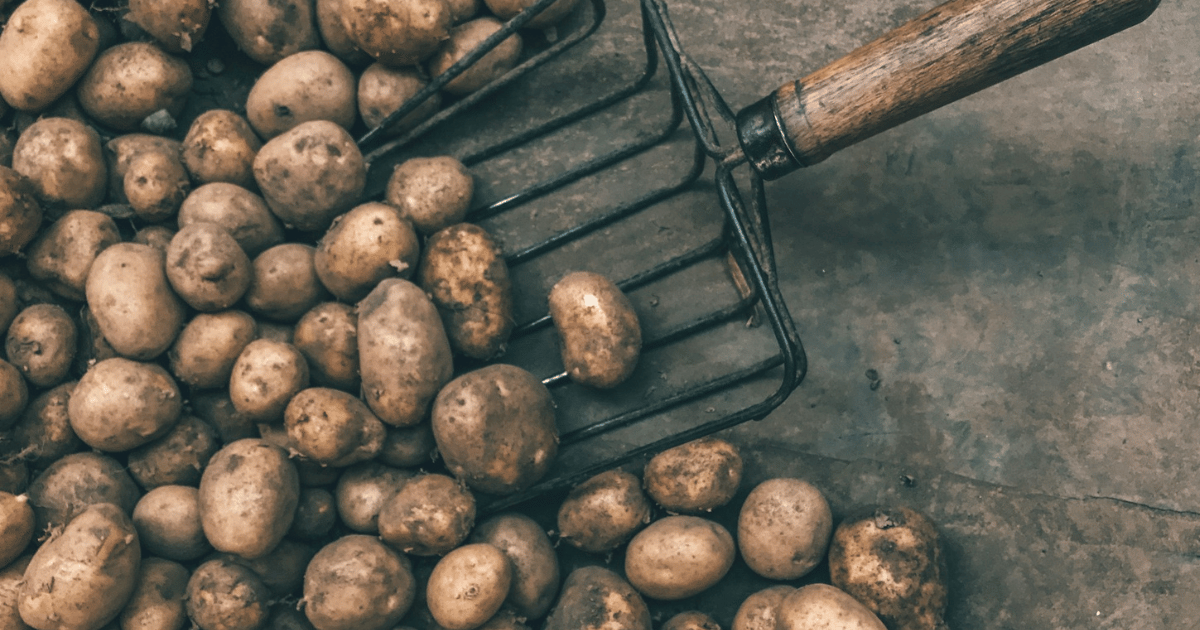
Harvest UK fruit and vegetables at peak ripeness in the cool of morning, then match storage method to crop: root vegetables and squash need curing and cool, dark, dry conditions; apples and pears need cool, humid, dark storage separate from onions; soft fruit and many vegetables freeze well once blanched or prepared correctly. Getting timing and technique right can extend usable harvests from weeks into months.
Key takeaways
- Harvest most crops in the morning once dew has dried, and handle produce gently to avoid bruising that causes rot in storage.
- Onions, garlic and squash need 1-3 weeks of curing in a warm, airy spot before long-term storage.
- Potatoes and apples should never be stored together with onions, as ethylene gas speeds up sprouting and spoilage.
- A cool, dark, frost-free shed or garage (around 2-10°C depending on crop) beats a warm kitchen for almost everything.
- Blanching vegetables before freezing preserves colour, texture and nutrients for up to a year.
Month-by-month harvest calendar
UK harvest timing varies with region and season, but this table gives a realistic guide for an average year based on typical sowing dates.
| Month | Typically ready to harvest | Storage priority |
|---|---|---|
| June | Broad beans, early potatoes, lettuce, radish, strawberries | Eat fresh or freeze; little stores long-term |
| July | Courgettes, garlic, broad beans, raspberries, blackcurrants | Cure garlic; freeze soft fruit |
| August | Runner beans, sweetcorn, tomatoes, plums, onions | Cure onions; freeze or bottle surplus |
| September | Maincrop potatoes, squash, apples (early), sweetcorn | Cure squash; cure potatoes before storing |
| October | Maincrop apples, pears, pumpkins, leeks, beetroot | Wrap apples; store roots in sand or boxes |
| November | Parsnips, swede, remaining squash, quince | Leave parsnips in ground until after frost for sweetness |
| December | Brussels sprouts, leeks, winter cabbage, kale | Harvest as needed; most hardy veg store best in the ground |
Harvesting for the best storage results
How and when you pick a crop has a bigger effect on storage life than most gardeners realise.
- Pick on a dry day, ideally mid-morning, once any dew has evaporated, to reduce surface moisture that encourages rot.
- Handle potatoes, apples and squash carefully; even minor knocks bruise the flesh and create entry points for fungal rot.
- Leave onions and garlic in the ground until the foliage has yellowed and flopped over naturally.
- Lift maincrop potatoes on a dry day once the foliage has died back, using a fork rather than a spade to avoid piercing tubers.
For more seasonal timing across the garden, see our seasonal guide hub.
Curing: the step often skipped
Curing toughens skins and seals wounds, dramatically extending storage life. It's essential for onions, garlic, shallots, winter squash and pumpkins.
- Lift the crop on a dry day and leave it on the soil surface for a few hours if rain isn't forecast.
- Move to a warm, dry, well-ventilated spot such as a greenhouse, cold frame, or sunny windowsill (out of direct hot sun for onions).
- Leave onions and garlic for 1-3 weeks until the outer skins are papery and the necks are fully dry.
- Cure squash and pumpkins for 7-10 days at around 20-25°C to harden the skin.
- Once cured, trim roots and any loose foliage, then move to cool, dry storage.
Storing potatoes, apples and onions
Potatoes
Store cured, dry maincrop potatoes in hessian or heavy paper sacks, never plastic, which traps moisture. Keep them somewhere cool (7-10°C), dark and frost-free, such as a shed or garage. Light causes tubers to turn green and produce solanine, which is toxic, so exclude it completely. Check sacks monthly and remove any softening or sprouting tubers promptly.
Apples and pears
Only store perfect, unbruised fruit picked with the stalk intact; a healthy apple should come away from the branch with a gentle twist when ready. Wrap each apple individually in newspaper or use single layers in slatted wooden trays so fruits don't touch. Store in a cool shed or garage at 2-7°C with reasonable humidity. Check every few weeks, as the old saying holds true: one rotten apple genuinely does spoil the barrel.
Onions and garlic
Once cured, plait onions or hang them in old tights or net bags in a cool, dry, airy place. Ideal storage temperature is around 4-10°C with low humidity; a garage or porch often works better than a kitchen, which is usually too warm and damp. Well-cured onions can last 4-6 months; garlic often keeps even longer.
Freezing surplus fruit and vegetables
Freezing is the most reliable way to preserve gluts of beans, peas, sweetcorn and soft fruit.
- Blanch vegetables (beans, peas, sweetcorn, broccoli) in boiling water for 1-3 minutes, then plunge into iced water to halt cooking before freezing.
- Open-freeze soft fruit like raspberries and blackcurrants on trays before bagging, so they don't clump together.
- Label bags with the date; most blanched vegetables keep good quality for 10-12 months.
- Courgettes and tomatoes freeze well when cooked into sauces or purées rather than raw, as their texture suffers otherwise.
The RHS has further detail on preparing produce for storage on the RHS website, and BBC Gardeners' World offers seasonal harvesting reminders too, via BBC Gardeners' World.
Common storage mistakes to avoid
| Mistake | Why it causes problems | Better approach |
|---|---|---|
| Storing potatoes and apples together | Apples release ethylene gas, causing potatoes to sprout early | Store in separate areas or rooms |
| Using sealed plastic bags | Traps moisture, encouraging mould and rot | Use hessian sacks, paper, or slatted crates |
| Storing bruised or damaged produce | Damaged tissue rots quickly and spreads to healthy produce nearby | Sort carefully; eat imperfect items first |
| Keeping stores in a warm kitchen | Warmth encourages sprouting and shortens storage life | Use an unheated shed, garage or cellar |
| Skipping curing for onions and squash | Skins stay soft, leading to faster spoilage | Always cure for 1-3 weeks before storing |
If you're planning next year's plot around better storage crops, our grow guides and general advice section cover variety choices suited to long keeping, and our garden design hub has ideas for fitting a proper store or cold frame into smaller gardens.
The bottom line
Good storage starts at harvest: pick at the right moment, handle produce gently, and cure onions, garlic and squash before they go into store. Keep potatoes, apples and onions apart in cool, dark, well-ventilated conditions, freeze gluts promptly with proper blanching, and check stores regularly to catch problems early. Follow these habits and a single UK growing season can feed a household for many months beyond the harvest itself.
Frequently Asked Questions
How long can potatoes be stored?
Do apples need to be stored differently to onions?
What is curing and why does it matter?
Can you freeze runner beans and courgettes without blanching?
Why do my stored vegetables keep going mouldy?
Tags
Comments
Join the conversation
Create a free account to leave comments, share photos, and connect with other gardeners.
Related Articles
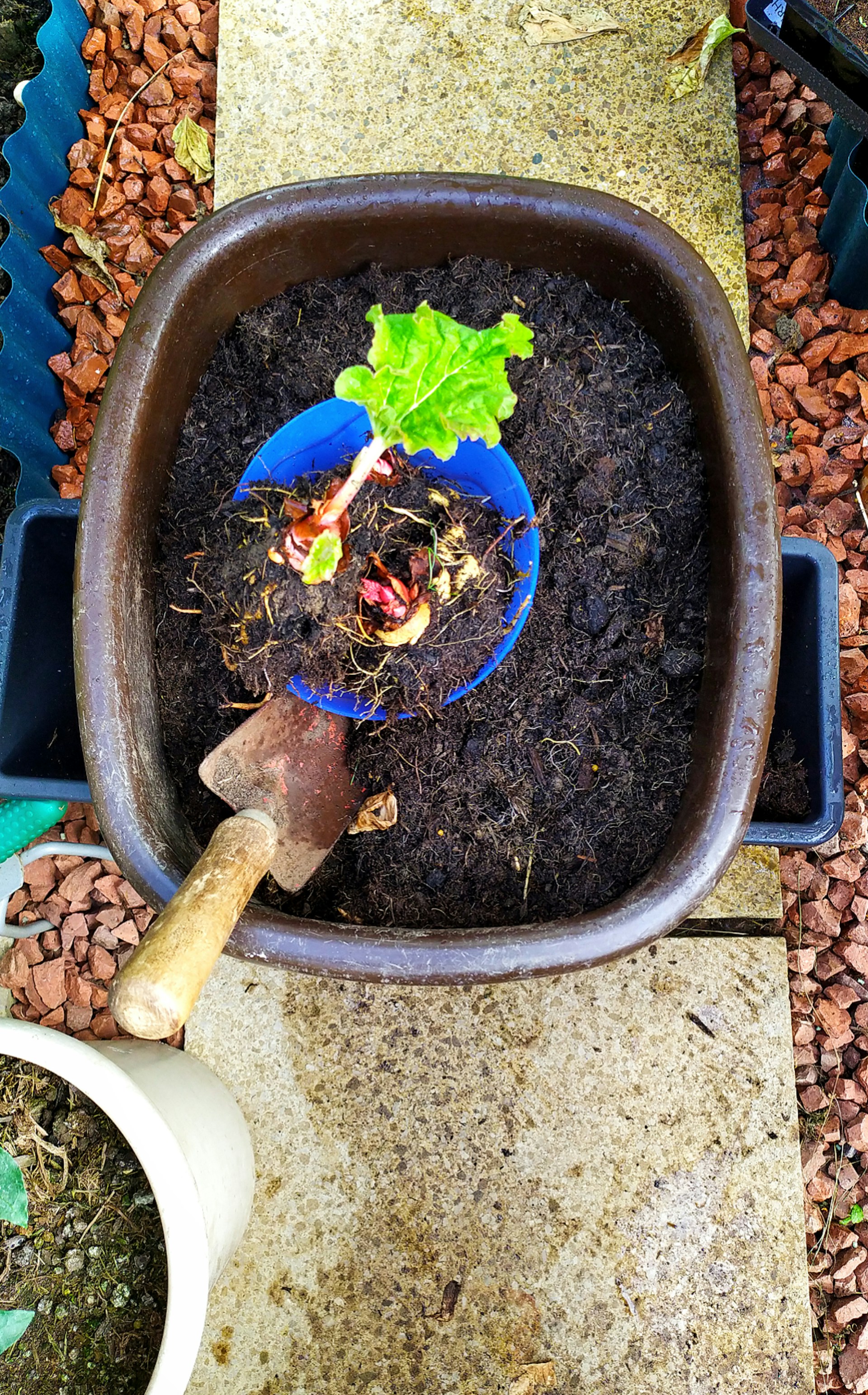
How to Transplant Rhubarb: When and How to Move a Crown
Move and divide rhubarb between November and March while it is dormant. Jim Fellows on lifting a crown, splitting it properly, the planting depth that kills crowns, and when you can harvest again.
How to Grow Rhubarb: A Complete UK Planting, Feeding and Harvesting Guide
Rhubarb crops every spring for the best part of a decade with almost no attention. Jim Fellows covers varieties, planting crowns, feeding, forcing, harvesting properly and the mistakes that kill a crown.
What to Do in the Garden in August
August continues the summer bounty. Plan for autumn while enjoying abundant harvests and late summer colour.
What to Do in the Garden in September
September bridges summer and autumn. Make the most of the harvest while preparing for the colder months ahead.
July Gardening Jobs: Your Complete UK Garden Checklist
July is the month the garden peaks - and the month it can quietly fall apart if you look away. Our UK checklist covers watering through restrictions, deadheading, harvesting, what you can still sow, lawn care in a dry spell, hedge cutting and holiday-proofing.

A Guide to Growing Perennial Herbs in UK Gardens
Discover how to grow and maintain a productive perennial herb garden in the UK. Expert advice on rosemary, thyme, mint, and sage for year-round harvests.