
Best Autumn Flowers for UK Gardens: Late-Season Colour
Asters, sedums, dahlias and Japanese anemones: the best autumn flowers to extend colour and support pollinators into November.
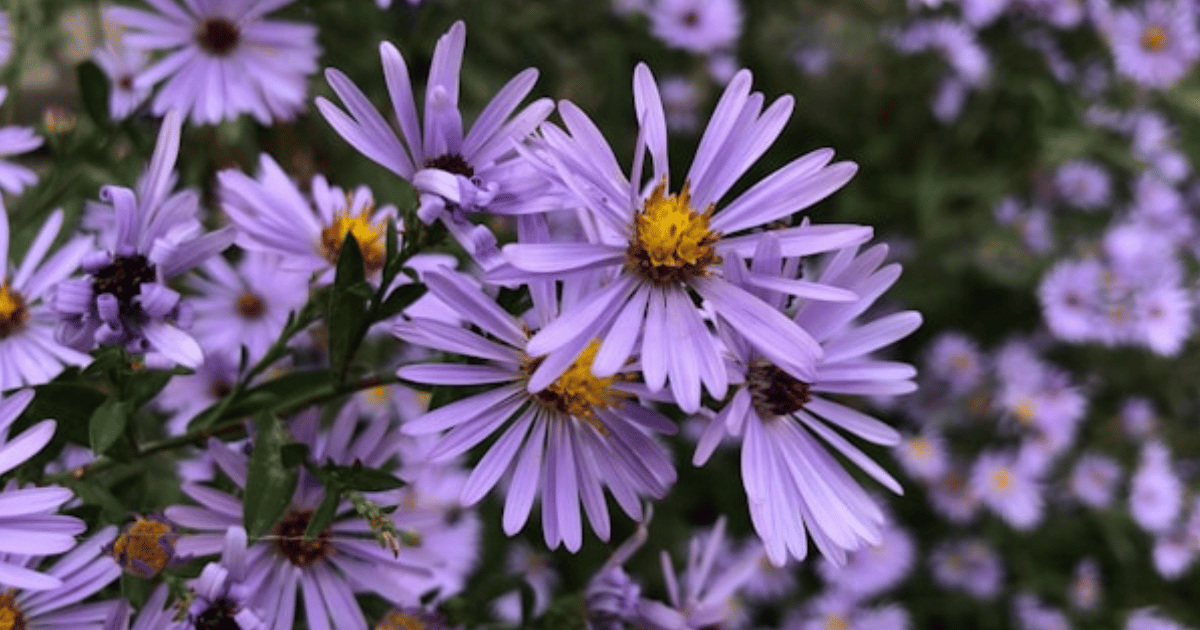
The best autumn flowers for UK gardens include asters, sedums, Japanese anemones, dahlias and chrysanthemums, which bloom from September into November and provide vital late nectar for pollinators. Choosing a mix of these hardy performers keeps borders colourful well after most summer flowers have faded.
Key takeaways
- Asters, sedums and Japanese anemones are reliable perennials that peak naturally in September and October.
- Dahlias and cosmos will keep flowering into autumn if deadheaded regularly and protected from early frost.
- Plant autumn perennials in spring or early autumn while soil is still warm for the best establishment.
- Leave seed heads on sedums and asters over winter to feed birds and shelter insects.
- Lift and store dahlia tubers after the first hard frost in colder or wetter parts of the UK.
Why autumn colour matters
As days shorten and temperatures drop, many summer flowers fade, but a well-chosen selection of autumn performers can keep gardens vibrant into November. Late flowers are also crucial for bees and butterflies building up reserves before winter, making autumn planting valuable for wildlife as well as looks. For more seasonal planning, see our seasonal guide.
Best autumn flowers compared
| Flower | Flowering period | Height | Best for |
|---|---|---|---|
| Aster (Michaelmas daisy) | Sept-Oct | 40-120cm | Borders, pollinators |
| Sedum (Hylotelephium) | Aug-Oct | 30-60cm | Borders, drought-tolerant sites |
| Japanese anemone | Aug-Oct | 60-120cm | Shady borders, cut flowers |
| Dahlia | July-first frost | 40cm-1.5m | Cutting, bold late colour |
| Chrysanthemum | Sept-Nov | 30-90cm | Pots, borders, cutting |
| Helenium | Aug-Sept | 60-150cm | Prairie-style borders |
Planting for autumn colour: step by step
- Plan borders in spring, choosing a mix of asters, sedums and anemones for succession from August through October.
- Plant new perennials in spring or early autumn, watering well until established.
- Continue deadheading dahlias and cosmos through September to prolong summer bedding.
- Cut back early-flowering perennials such as geraniums in midsummer to encourage a fresh, later flush.
- Mulch around the base of tender plants like dahlias in October to protect roots from early frost.
- Leave seed heads on sedums and asters standing through winter for birds and insects.
Autumn flowers for different garden spots
Sunny borders
Sedums, heleniums and asters thrive in full sun and free-draining soil, offering strong structure and colour well into October. Combine with ornamental grasses for a naturalistic, prairie-style planting.
Shady corners
Japanese anemones are one of the few perennials that flower well in partial shade, spreading gently to fill borders under trees or against north-facing walls.
Pots and containers
Chrysanthemums and late-flowering dahlias in containers can be moved to sheltered spots as temperatures drop, extending their display by several weeks. See our garden design hub for container planting ideas.
Protecting autumn flowers from frost
Tender plants such as dahlias and tuberous begonias are vulnerable once the first hard frost blackens their foliage. In milder, well-drained southern gardens, tubers can often be left in the ground under a thick mulch of bark or compost. In colder or waterlogged areas, it's safer to lift tubers, dry them off, and store in a frost-free shed or garage over winter, as recommended by the RHS dahlia growing guide.
Common autumn flower problems
Powdery mildew often appears on asters and other late perennials in damp autumn weather; improve air circulation by dividing congested clumps every few years. Slugs and snails can also target soft new growth on Japanese anemones and dahlias, particularly after rain. For more troubleshooting, visit our advice section or the wider plants hub.
The bottom line
Asters, sedums, Japanese anemones and well-maintained dahlias can keep a UK garden colourful and full of life right through September, October and into November. Planning ahead in spring, deadheading through summer, and protecting tender plants from frost are the keys to a long and rewarding autumn display.
Frequently Asked Questions: Best Autumn Flowers for UK Gardens
What flowers bloom in autumn in the UK?
How do I extend flowering into autumn?
When should I plant autumn-flowering perennials?
Are autumn flowers good for bees?
Do dahlias survive UK winters?
Tags
Comments
Join the conversation
Create a free account to leave comments, share photos, and connect with other gardeners.
Related Articles
How to Grow Succulent Strawberries: The Ultimate UK Guide
Master the art of growing delicious British strawberries. From choosing Royal Horticultural Society-approved varieties to organic pest control and winter care.
A Guide to Growing Hardback Annuals in the UK
Transform your garden with ease. Discover the best hardy annuals for the UK climate, plus expert tips on sowing, timing, and achieving a beautiful summer display.
Best Summer Flowers for UK Gardens: June to September Colour
Roses, dahlias, geraniums and more: how to choose and care for summer flowers that keep UK gardens blooming right through to autumn.
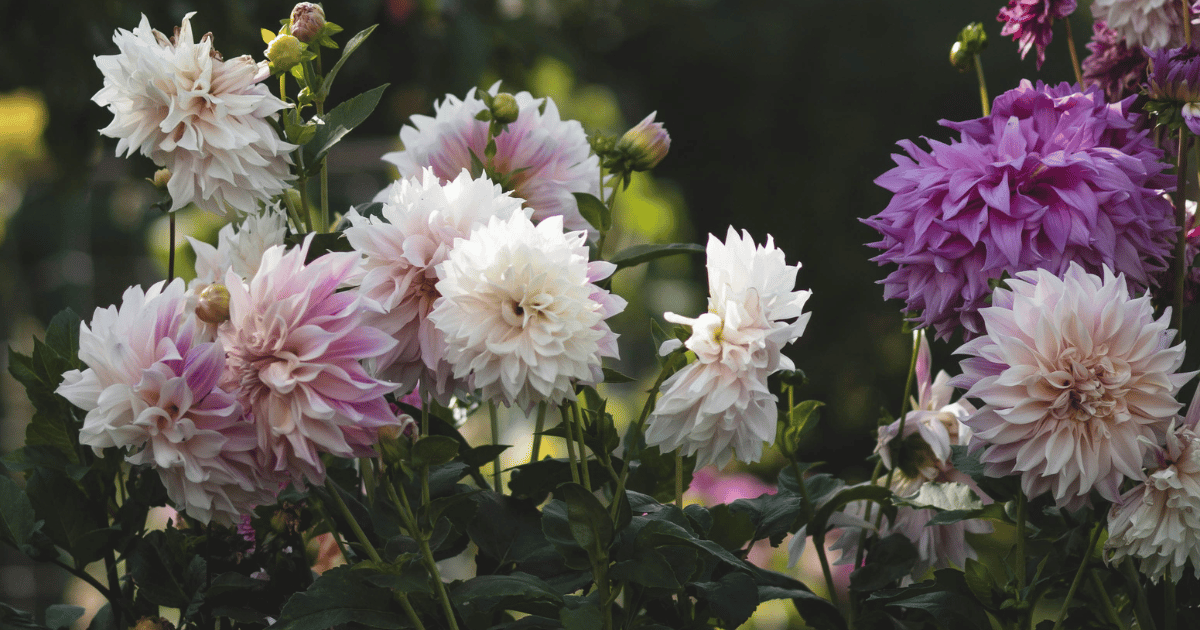
Growing Dahlias in the UK: Tubers to Overwintering
A complete UK guide to growing dahlias, from planting tubers after the last frost to lifting and storing them safely over winter.
Growing Roses in the UK: The Complete Guide
Everything UK gardeners need to know about choosing, planting, pruning and feeding roses for months of reliable, healthy blooms.
How to Design a Pollinator-Friendly Garden in the UK
A UK guide to designing a pollinator-friendly garden, with season-by-season plant choices, nesting habitat tips, and pitfalls to avoid.