
July Gardening Jobs: Your Complete UK Garden Checklist
July is the month the garden peaks - and the month it can quietly fall apart if you look away. Our UK checklist covers watering through restrictions, deadheading, harvesting, what you can still sow, lawn care in a dry spell, hedge cutting and holiday-proofing.
Key takeaways
- Priority job Watering - deeply, early or late, and at the roots.
- Most July casualties are watering failures rather than pest or disease problems.
- Remove the faded flower before the seed forms and it simply tries again.
- July is the first month the kitchen garden genuinely repays the effort.
- It feels late, but July sowings are what stand between you and an empty November plot.
Quick Answer
The essential July garden jobs in the UK are watering deeply but less often, deadheading roses and bedding to keep flowers coming, feeding tomatoes and hanging baskets weekly, harvesting courgettes and beans before they go over, and cutting hedges now that nesting season has ended. Raise your mower blades to 5cm in dry weather, sow winter crops such as spring cabbage and chard, and prepare the garden for holidays before you go.
Written by Jim Fellows
Garden & Outdoor Specialist, Garden-Review.co.uk · Updated August 2026
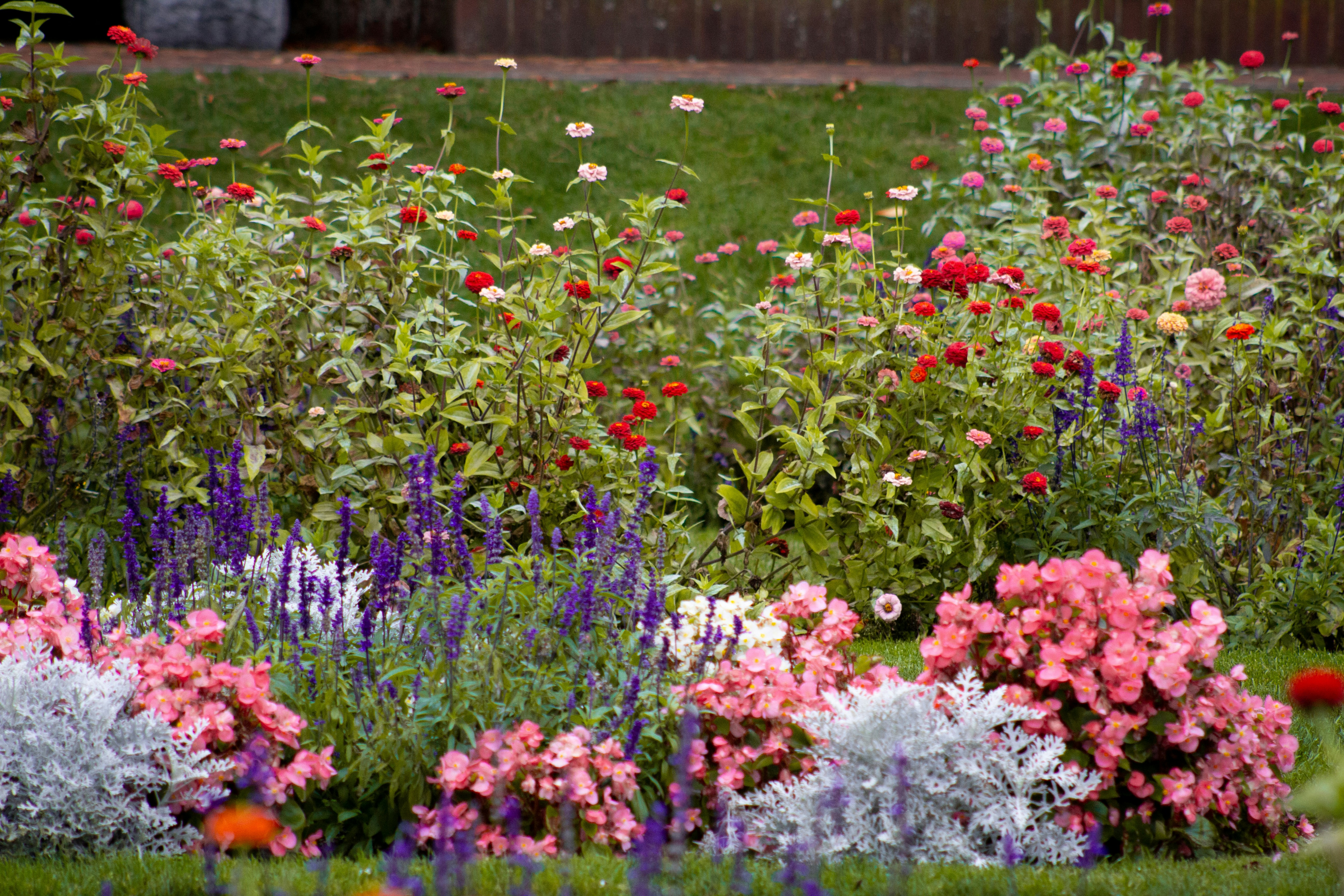
July is the month the British garden hits its stride - and the month it can quietly unravel while your back is turned. Borders are at their fullest, the veg patch is finally paying you back, and a fortnight of dry weather can undo the lot. This is a month of maintenance rather than grand projects: water well, pick often, deadhead relentlessly, and keep one eye on the months ahead.
Here is everything worth doing in a UK garden in July, in rough order of urgency.
July at a Glance
Priority job
Watering - deeply, early or late, and at the roots.
Biggest risk
Drought stress in containers and hosepipe restrictions.
Now allowed
Hedge cutting - most nesting is finished by late July.
Easy win
Deadheading. Ten minutes a day doubles your flowering season.
1. Watering: Get This Right and Everything Else Follows
Most July casualties are watering failures rather than pest or disease problems. The rule is less often, but much more thoroughly. A daily splash wets the top 2cm and encourages shallow, vulnerable roots. A proper soak every two or three days drives roots down where the soil stays cool and damp.
- Water early morning or after 7pm - midday watering loses a large share to evaporation and can scorch wet foliage.
- Aim at the soil, never the leaves. Wet foliage overnight invites mildew and blight.
- Containers and hanging baskets may need water twice a day in a heatwave. They have no reservoir to draw on.
- Mulch beds with 5cm of compost or bark after watering to lock the moisture in.
- Prioritise ruthlessly if water is short: new plantings, containers, and anything fruiting come first. Established shrubs and lawns can fend for themselves.
Under a hosepipe ban? Stored rainwater, watering cans and butt pumps remain legal under a standard temporary use ban. Our ban-proof watering kit guide covers pumps, drip kits and soaker hoses, and our water butt buying guide explains sizing and diverters. Always check your own supplier's current restrictions.
2. Deadhead Everything, Constantly
A plant flowers to set seed. Remove the faded flower before the seed forms and it simply tries again. This single habit is the difference between borders that fade in August and borders that carry on to October.
- Roses: cut back to the first outward-facing leaf with five leaflets, not just the spent bloom.
- Sweet peas: pick every few days. Let a single pod set and the plant stops entirely.
- Dahlias: spent flowers go conical and pointed, buds are round - the mistake everyone makes at least once.
- Bedding and baskets: pinch off daily and give a high-potash liquid feed weekly.
- Leave alone: anything grown for autumn seedheads or hips - alliums, teasels, rugosa roses, honesty.
Hardy geraniums, catmint and alchemilla that have collapsed and gone tatty can be sheared back hard to a low mound. Water and feed afterwards, and most will produce fresh foliage and a second flush within a month.
3. Harvest Little and Often
July is the first month the kitchen garden genuinely repays the effort. Picking regularly is not just about the harvest - it directly tells the plant to keep producing.
| Crop | Picking advice |
|---|---|
| Courgettes | Cut at 10-15cm every two or three days. Miss a week and you own a marrow. |
| Runner & French beans | Pick while slim and before the beans swell inside the pod. Cropping stops once pods mature. |
| Broad beans | Finish the crop, then cut plants to ground level and leave the nitrogen-fixing roots in the soil. |
| Early potatoes | Lift once flowers open. Clear the ground promptly to reduce blight risk to maincrops. |
| Garlic | Lift when the lower third of leaves has yellowed. Dry in an airy, rain-free spot for two weeks. |
| Soft fruit | Currants, gooseberries, raspberries and early blueberries. Net against blackbirds. |
| Salad & herbs | Cut-and-come-again leaves; pinch basil tips out to delay flowering. |
Growing blueberries? Early varieties ripen from mid-July - our UK blueberry growing guide covers picking, netting and keeping the pH right through a hot summer.
4. What You Can Still Sow in July
It feels late, but July sowings are what stand between you and an empty November plot. Sow into moist soil and shade the drills until seedlings appear - soil in a July heatwave is often too warm for good germination.
- Spring cabbage - sow now to plant out in September for an April harvest.
- Chard, perpetual spinach and kale - reliable croppers straight through winter.
- Turnips, beetroot and carrots - fast-maturing varieties still have time for an autumn crop.
- French beans - a final sowing early in the month for a September picking.
- Oriental leaves - pak choi, mizuna and mustards do better sown now than in spring, as they bolt less.
- Biennials - wallflowers, foxgloves and sweet William sown now flower next spring.
5. Lawn Care in a Dry Month
The instinct in July is to keep mowing as normal. Resist it. Grass under heat stress needs length, not a close shave.
- Raise the cutting height to around 5cm. Longer blades shade the soil, hold moisture and stay green far longer.
- Mow less often in dry spells, and skip it entirely once growth has stopped.
- Leave the clippings during drought - a light scattering acts as a mulch and returns nitrogen.
- Do not feed a stressed, dry lawn. High-nitrogen summer feeds on parched grass will scorch it.
- Don't panic about browning. UK lawns go dormant, not dead. Autumn rain brings them back.
Blunt blades tear grass rather than cutting it, and torn tips brown off within a day - which looks exactly like drought damage. July is a good moment to check the edge: see our step-by-step guide to sharpening a mower blade.
6. Hedges, Topiary and Summer Pruning
Most garden birds have finished nesting by late July, which reopens the hedge-cutting window. It remains an offence to damage an active nest, so check the hedge thoroughly before you start - and again on the far side.
- Formal hedges (box, yew, privet, beech) take their main cut from late July into August.
- Cut the sides tapered, wider at the base than the top, so light reaches the bottom growth.
- Wisteria gets its summer prune now - shorten this year's whippy growth to five or six leaves.
- Trained apples and pears (cordons, espaliers, fans) are summer-pruned from late July.
- Cut in cool, overcast weather. Fresh cuts in full sun scorch, particularly on box and beech.
If you are cutting more than a few metres, a cordless trimmer will save your arms - our best cordless hedge trimmers for 2026 compares standard and long-reach pole models for UK gardens.
7. Pests and Problems to Watch
| Problem | What to do |
|---|---|
| Aphids | Squash by hand or blast off with water. Ladybird and hoverfly larvae will do the rest if you avoid sprays. |
| Tomato & potato blight | Warm, humid spells are the trigger. Improve airflow, water at soil level, remove affected foliage immediately. |
| Powdery mildew | A drought symptom as much as a disease. Water more consistently and mulch; thin congested growth. |
| Cabbage white caterpillars | Net brassicas with fine mesh and check leaf undersides weekly for egg clusters. |
| Lily beetle | Bright red, unmistakable. Pick off by hand - they drop and land upside down to hide. |
| Vine weevil in pots | Notched leaf edges are the warning. Apply a nematode drench to containers. |
8. Greenhouse Jobs
A closed greenhouse in July can exceed 40°C, which stops tomatoes setting fruit altogether.
- Ventilate fully from early morning, and use shade paint or netting on the sunny side.
- Damp down the floor each morning to raise humidity and deter red spider mite.
- Feed tomatoes, peppers and cucumbers weekly with a high-potash tomato feed.
- Remove tomato sideshoots on cordon varieties and take off the lower leaves to improve airflow.
9. Holiday-Proofing the Garden
July and August are when gardens are abandoned for a fortnight at exactly the wrong moment. Twenty minutes of preparation saves a great deal of disappointment.
- Move all containers into a shaded, sheltered spot and group them together - they shade each other and lose less water.
- Stand pots in trays or use capillary matting, and fit a timer-controlled drip system if you have one.
- Harvest everything remotely ready, including under-sized courgettes and beans.
- Deadhead and cut back hard before you go, rather than after you get back.
- Mow the lawn slightly higher than usual, never shorter.
- Offer a neighbour the run of the veg patch in exchange for watering. It works every time.
10. Get Ahead for August and Autumn
- Order spring bulbs now while the best varieties are in stock - daffodils and alliums go in from September.
- Peg down strawberry runners into small pots of compost to make free plants for next year.
- Take cuttings of pelargoniums, penstemons, fuchsias and lavender - they root fast in July warmth.
- Collect seed from aquilegia, poppies, honesty and calendula as pods dry.
- Plan your September lawn renovation - scarifying, aerating and overseeding all happen next month, not now.
July Jobs: Printable Checklist
- Water deeply, early or late, at the roots
- Feed containers and tomatoes weekly with high-potash feed
- Deadhead roses, dahlias, sweet peas and bedding
- Harvest courgettes, beans and soft fruit every few days
- Lift garlic and early potatoes
- Sow spring cabbage, chard, turnips and oriental leaves
- Raise mower height to 5cm; skip feeding the lawn
- Cut hedges after checking for active nests
- Summer-prune wisteria and trained fruit
- Ventilate and damp down the greenhouse
- Take cuttings and peg down strawberry runners
- Order spring bulbs and prepare for holidays
July rewards little-and-often over grand gestures. Ten minutes with a watering can and a pair of snips each evening will do more for your garden this month than a full Saturday of heavy work - and it is a far more pleasant way to spend a summer evening. Keep picking, keep deadheading, and start quietly planning September, when the real work begins again.
Related Reading
How we produced this guide: this is a research-based seasonal guide compiled from established UK horticultural practice, rather than a trial of individual products or varieties. Timings are given for an average British season - gardens in Scotland, upland areas and the far south-west will run one to three weeks either side. Always check current water restrictions with your own supplier before watering.
Frequently Asked Questions
Tags
Comments
Join the conversation
Create a free account to leave comments, share photos, and connect with other gardeners.