
How to Design a Pollinator-Friendly Garden in the UK
A UK guide to designing a pollinator-friendly garden, with season-by-season plant choices, nesting habitat tips, and pitfalls to avoid.
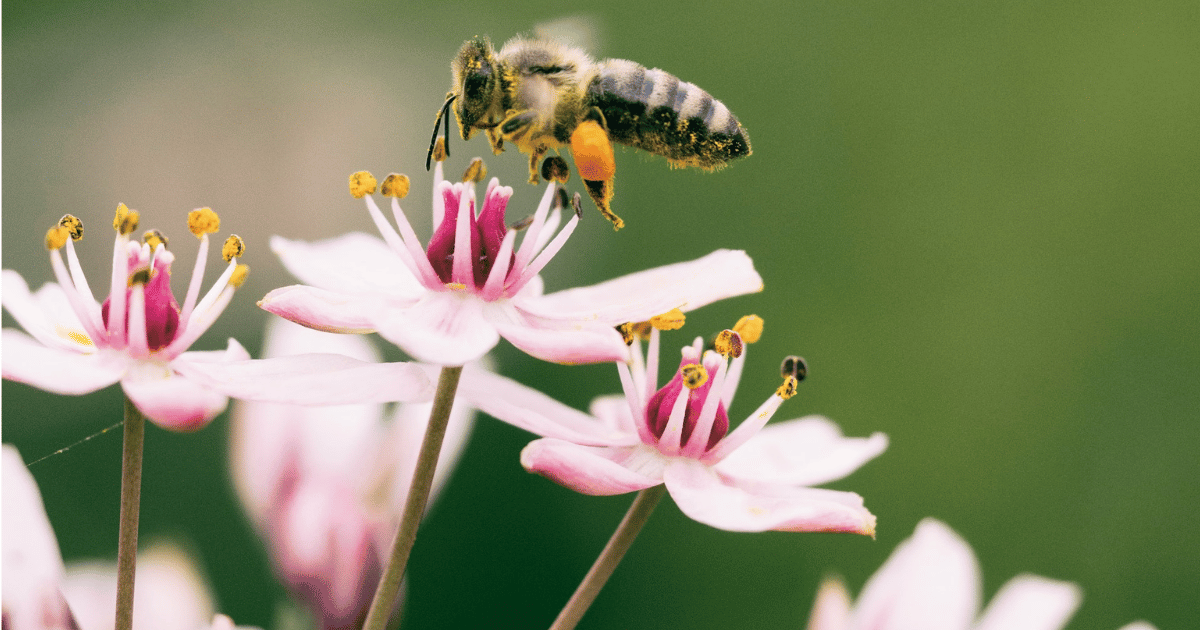
A pollinator-friendly UK garden combines single-flowered plants spread across all three seasons, undisturbed nesting habitat such as bare soil and hollow stems, and a complete avoidance of pesticides. Prioritise native and near-native species where possible, but don't discount well-chosen exotics that extend the flowering season. Small changes, like leaving a patch of lawn unmown or delaying the fussy autumn tidy-up, make a measurable difference.
Key takeaways
- Plant for all three seasons; gaps in spring and autumn hurt pollinators most.
- Choose single, open flowers over double varieties for accessible nectar and pollen.
- Provide nesting habitat: bare soil, hollow stems, log piles and long grass.
- Avoid pesticides and slug pellets entirely, including on ornamental plants.
- Leave seed heads and stems standing over winter rather than cutting back in autumn.
Why season-long planting matters
Bumblebee queens emerge from hibernation as early as February needing forage immediately, while many solitary bees and late broods are still active into October and November. A garden planted only for a showy midsummer peak leaves long gaps that pollinators struggle to bridge, so aim for something in flower in every month from February to November.
Best pollinator plants by season
| Season | Plants | Notes |
|---|---|---|
| Early spring | Crocus, pulmonaria, willow catkins, hellebores | Vital for emerging queen bumblebees |
| Late spring | Foxgloves, aquilegia, apple/pear blossom, ceanothus | Supports solitary bees and early butterflies |
| Summer | Lavender, borage, echinops, verbena bonariensis, single dahlias | Peak diversity of pollinators |
| Autumn | Sedum, ivy, Michaelmas daisies, Verbena bonariensis | Ivy is crucial late-season forage |
| Winter | Mahonia, winter honeysuckle, snowdrops | Feeds pollinators on mild winter days |
Design principles
Group plants in blocks rather than dotting single specimens throughout a border, since pollinators forage more efficiently on drifts of the same flower. Mix flower shapes and depths, tubular flowers like foxgloves suit long-tongued bumblebees, while open daisy-shaped flowers such as ox-eye daisy suit hoverflies and short-tongued species. See our garden design hub for planning a mixed border.
Providing nesting habitat
- Leave a patch of bare, undisturbed soil in a sunny spot for mining bees
- Install or make a bee hotel with hollow bamboo or reed stems, sited in sun
- Leave a pile of logs or twigs undisturbed in a shady corner
- Allow a section of lawn to grow long over summer for shelter and larval food plants
- Delay cutting back perennial stems until March, leaving hollow stems for overwintering insects
- Retain any wall or fence gaps that solitary bees may already be using
What to avoid
Avoid pesticides and slug pellets, including those marketed as garden-safe, since many affect bees and other beneficial insects even at low doses. Skip double-flowered cultivars where a single form is available, as breeding for extra petals often removes accessible nectaries and pollen. According to RHS Plants for Pollinators guidance, resist an overly tidy approach in autumn, since stripped borders and bare, mown lawns offer very little shelter through winter.
Working with a small or urban garden
Even a balcony or small courtyard can support pollinators with a few well-chosen pots of lavender, thyme or single-flowered geraniums. A short length of ivy-covered fence provides valuable autumn forage and nesting cover in the smallest of spaces, while a shallow dish of water with pebbles gives insects somewhere safe to drink. Explore more ideas in our plants and advice sections.
The bottom line
A genuinely pollinator-friendly UK garden isn't about a single wildflower patch, it's a year-round approach combining continuous flowering, real nesting habitat and a hands-off attitude to pesticides and autumn tidying. Start with a few seasonal gaps filled and one nesting feature added this year, and you'll see a noticeable increase in bees, hoverflies and butterflies within a season or two.
Frequently Asked Questions
What are the best plants for pollinators in a UK garden?
How do I provide nesting habitat for bees?
Do double-flowered plants help pollinators?
Are pesticides harmful to pollinators in gardens?
What is the biggest mistake people make in pollinator gardens?
Tags
Comments
Join the conversation
Create a free account to leave comments, share photos, and connect with other gardeners.
Related Articles
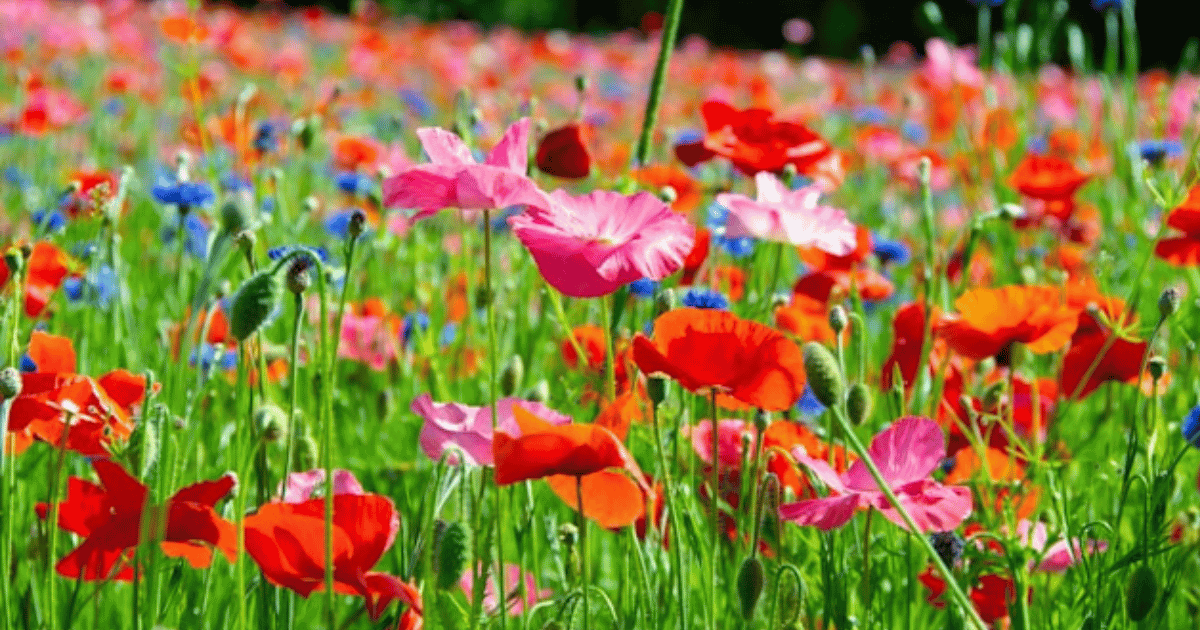
How to Create a Wildflower Meadow in a UK Garden
A practical UK guide to creating a wildflower meadow or mini-meadow, from choosing seed mixes and sowing yellow rattle to annual cutting.
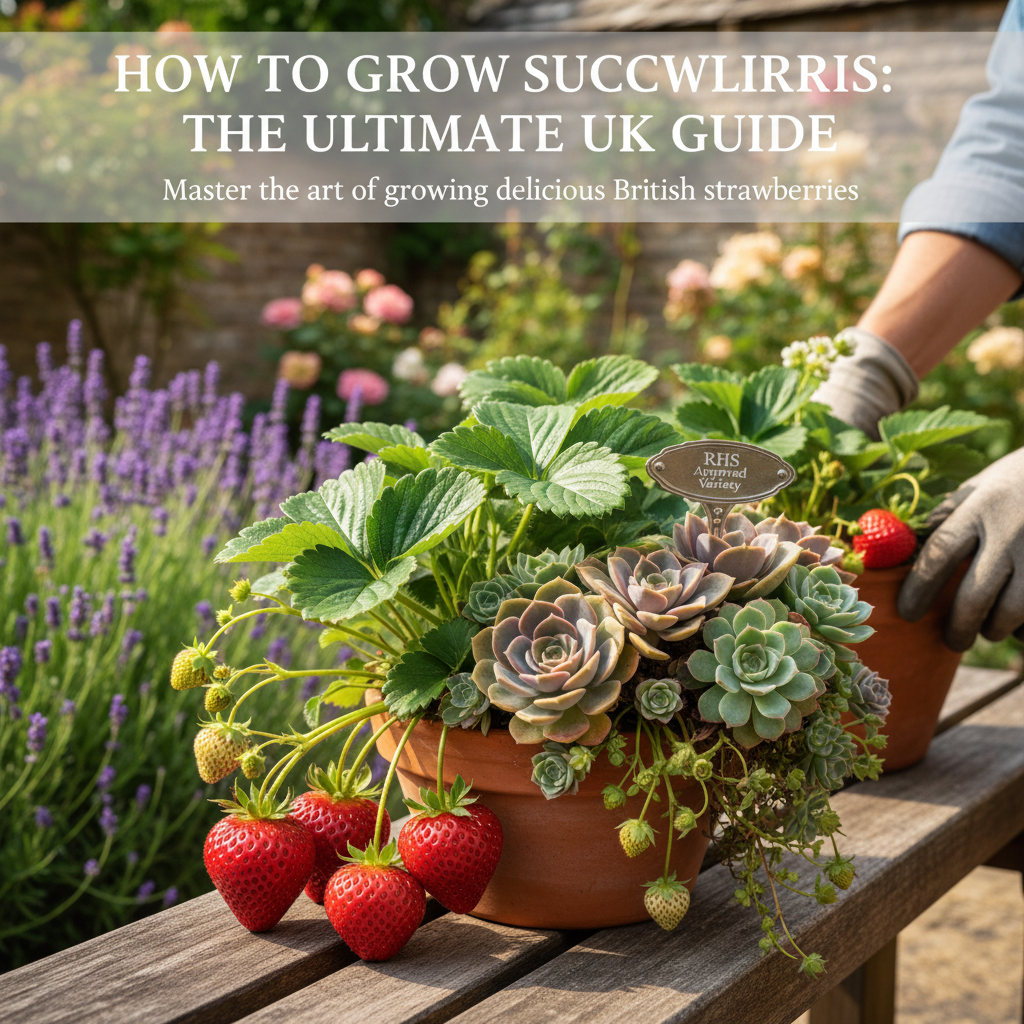
How to Grow Succulent Strawberries: The Ultimate UK Guide
Master the art of growing delicious British strawberries. From choosing Royal Horticultural Society-approved varieties to organic pest control and winter care.
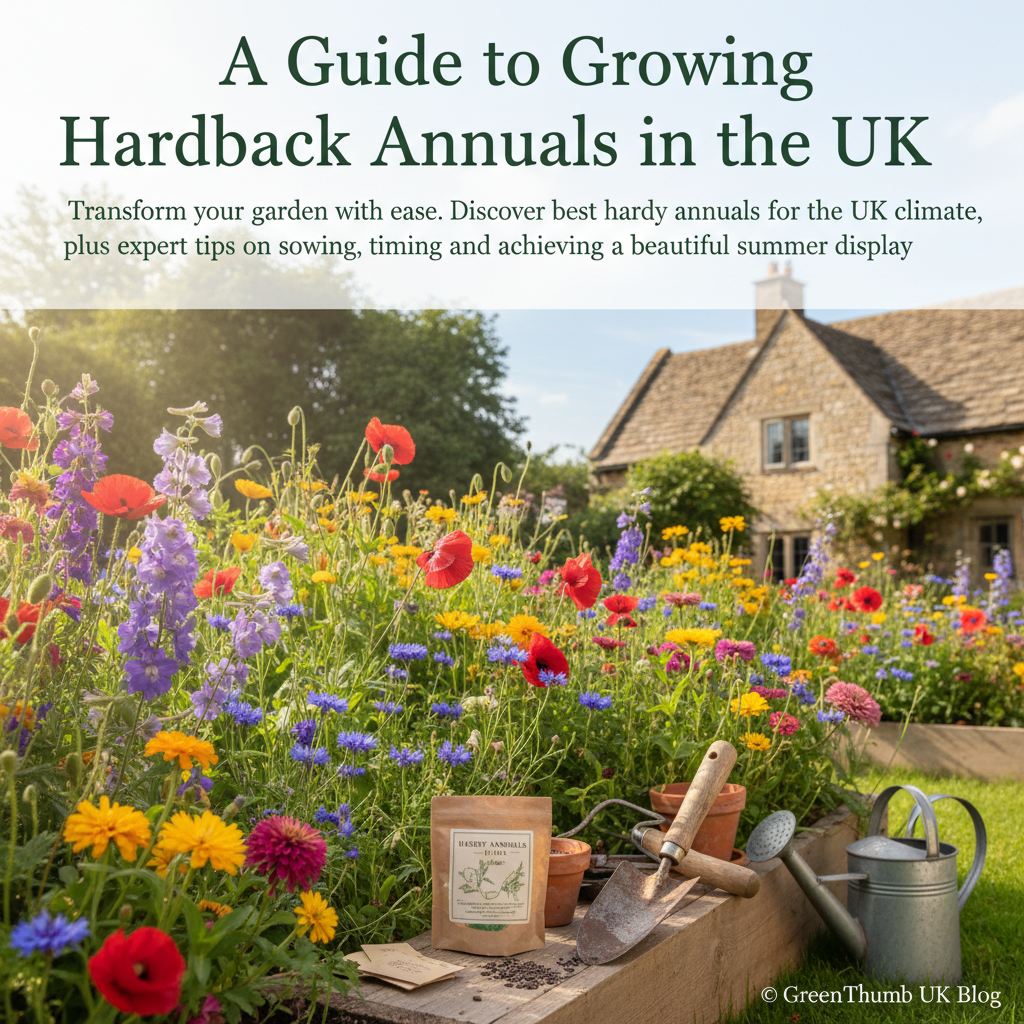
A Guide to Growing Hardback Annuals in the UK
Transform your garden with ease. Discover the best hardy annuals for the UK climate, plus expert tips on sowing, timing, and achieving a beautiful summer display.
Best Summer Flowers for UK Gardens: June to September Colour
Roses, dahlias, geraniums and more: how to choose and care for summer flowers that keep UK gardens blooming right through to autumn.
Large Garden Design: Zoning, Sightlines & Low-Maintenance Ideas
A practical guide to planning a large UK garden, from zoning and sightlines to meadows, orchards and the machinery you'll actually need.
Growing Dahlias in the UK: Tubers to Overwintering
A complete UK guide to growing dahlias, from planting tubers after the last frost to lifting and storing them safely over winter.