
How to Control Weeds in a UK Garden Without Chemicals
Identify common UK weeds like bindweed and couch grass, then control them long-term with mulching, hand-weeding and other non-chemical methods.
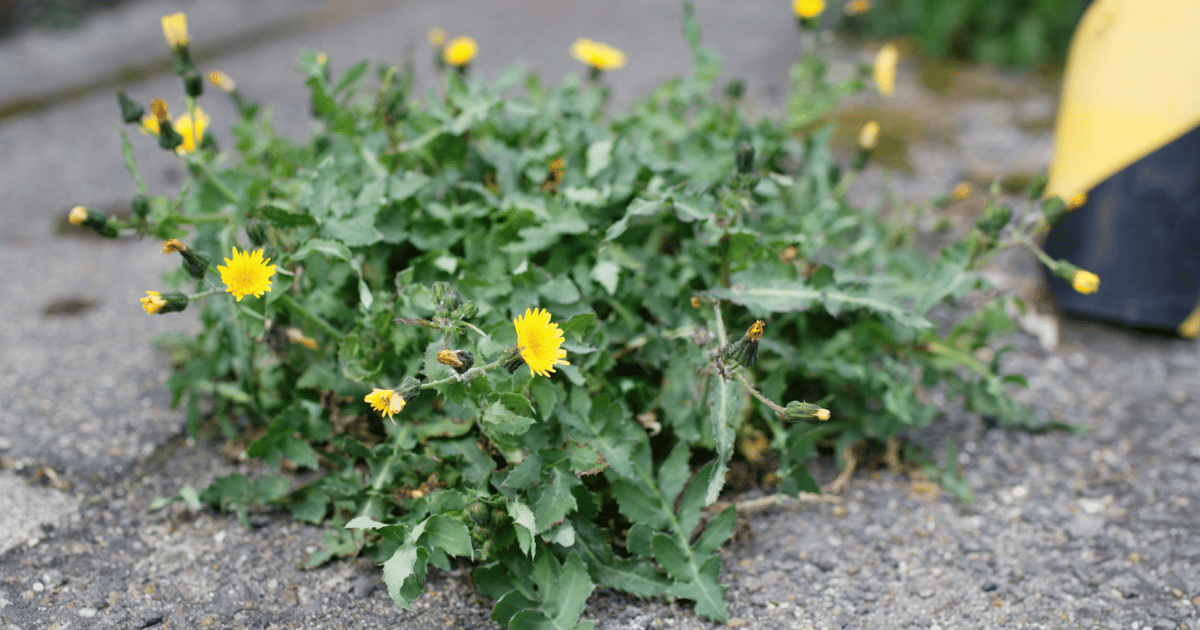
Controlling weeds without chemicals relies on three things: identifying what you're dealing with, removing roots thoroughly, and preventing new seeds or regrowth with mulch and ground cover. Persistent perennial weeds like bindweed and couch grass need repeated effort over a season or two rather than a single fix.
Key takeaways
- Correctly identifying a weed determines the best control method, as roots and growth habits vary widely.
- Perennial weeds with spreading roots (bindweed, ground elder, couch grass, horsetail) need persistent, repeated removal.
- Mulching bare soil 5-7cm deep is one of the most effective non-chemical prevention methods.
- Hand-weed after rain when soil is soft, making it easier to remove whole root systems.
- Never compost perennial weed roots without drying or drowning them first.
Identifying common UK garden weeds
Correct identification matters because pulling the top growth off some weeds without removing the roots simply encourages them to spread further. Here are four of the most troublesome perennial weeds found in UK gardens.
Bindweed
Recognisable by its twining stems and trumpet-shaped white or pink flowers, bindweed spreads via brittle white roots that snap easily, with each fragment capable of regrowing. It smothers other plants by climbing and twining tightly around stems.
Ground elder
A vigorous spreader with bright green, celery-like leaves and white umbrella flowerheads, ground elder spreads via a dense network of shallow white rhizomes that can travel metres from the original plant.
Couch grass
This coarse, clump-forming grass spreads through tough, pale underground rhizomes that push through borders and lawns alike, making it particularly troublesome in vegetable beds.
Horsetail (mare's tail)
An ancient, primitive plant with jointed, bamboo-like stems, horsetail spreads via deep roots that can reach well over a metre down, making it one of the hardest UK weeds to eradicate fully.
Weed identification and control at a glance
| Weed | Key feature | Best non-chemical control |
|---|---|---|
| Bindweed | Twining stems, white/pink trumpet flowers | Dig out roots, train up canes and cut back repeatedly, or smother with membrane |
| Ground elder | Celery-like leaves, white rhizomes | Dig out thoroughly, suppress regrowth with thick mulch or membrane |
| Couch grass | Coarse grass, tough pale rhizomes | Fork out rhizomes carefully, mulch bare soil after clearing |
| Horsetail | Jointed bamboo-like stems, no flowers | Repeated removal of top growth every 2 weeks over several seasons |
| Dandelion | Deep taproot, yellow flower | Dig out with a weeding fork, removing the full taproot |
| Annual weeds (chickweed, groundsel) | Shallow roots, quick to seed | Hoe off regularly before they set seed |
Non-chemical control methods
Hand-weeding
The most reliable method for perennial weeds is careful hand-weeding with a fork, removing as much root as possible in one go. Weed after rain when soil is soft, making it far easier to lift whole root systems rather than snapping them off, which triggers regrowth. Work through problem areas little and often rather than waiting for a big, overwhelming job.
Mulching
Applying a 5-7cm layer of mulch — bark chip, well-rotted compost, leaf mould or even cardboard topped with woodchip — blocks light from reaching weed seeds in the soil, drastically cutting germination. Always weed the area thoroughly and water the soil before mulching, as mulch won't kill existing perennial weeds on its own. See the RHS guide to mulching for application tips.
Smothering with membrane or cardboard
For badly infested ground, covering the area with heavy-duty black membrane, old carpet or thick cardboard for a full growing season starves persistent weeds like bindweed and ground elder of light, weakening their roots. This works particularly well when preparing a new bed or allotment plot.
Hoeing
A sharp hoe run across the soil surface on a dry, sunny day severs annual weed seedlings from their roots, leaving them to shrivel in the sun. This is quick and effective for open beds but does little against established perennial roots.
- Identify the weed before deciding on a method.
- Hand-weed or fork out roots after rain when soil is workable.
- Dry or drown perennial roots before considering composting.
- Mulch cleared soil straight away to prevent new seedlings.
- Revisit persistent patches every few weeks through the growing season.
Preventing weeds returning
Bare soil is an open invitation for weed seeds, so the best long-term prevention is dense planting and consistent mulching. Ground cover plants, closely spaced perennials, and a thick mulch layer all reduce the light and space available for weeds to establish. Check our garden design and plants hubs for ground cover planting ideas.
The bottom line
There's no instant non-chemical fix for persistent perennial weeds like bindweed, ground elder, couch grass and horsetail — success comes from correct identification, thorough root removal, and consistent mulching to prevent regrowth. Stay on top of annual weeds with regular hoeing, and tackle perennial problem patches season after season until the roots are exhausted.
Frequently Asked Questions
What is the most effective way to kill bindweed without chemicals?
Does mulching actually stop weeds?
How do I get rid of ground elder for good?
Is horsetail impossible to remove?
Can I compost weeds I've pulled up?
Tags
Comments
Join the conversation
Create a free account to leave comments, share photos, and connect with other gardeners.