
A Guide to Growing Perennial Herbs in UK Gardens
Discover how to grow and maintain a productive perennial herb garden in the UK. Expert advice on rosemary, thyme, mint, and sage for year-round harvests.
Key takeaways
- There is nothing quite like the aromatics of a kitchen garden, and for the UK gardener, perennial herbs are the backbone of that experience.
- When selecting herbs, it is vital to categorise them by their origin.
- As the soil warms up in April, you can plant out young herbs bought from garden centres or those you have raised from seed indoors.
- If there is one secret to growing perennial herbs in the UK, it is drainage .
- Without pruning, perennial herbs quickly become 'leggy' and woody, with very few leaves to harvest.
Why Every UK Garden Needs Perennial Herbs
There is nothing quite like the aromatics of a kitchen garden, and for the UK gardener, perennial herbs are the backbone of that experience. Unlike annuals like basil or coriander that fizzle out at the first sign of a British frost, perennial herbs are the hardy stalwarts that return year after year. Once established, they require minimal intervention, provide beautiful structure to the garden, and offer an almost endless supply of fresh flavours for your cooking.
In this guide, we will explore the best perennial herbs for our temperate maritime climate, how to plant them for success, and how to maintain them through the damp UK winters.
Choosing the Right Perennial Herbs for Your Garden
When selecting herbs, it is vital to categorise them by their origin. Generally, our favourite perennials fall into two camps: the 'Mediterranean' lovers and the 'Moisture' lovers.
The Mediterranean Group (Sun Seekers)
These herbs evolved in dry, rocky soils and intense sunlight. In the UK, their biggest enemy isn't the cold, but the winter wet.
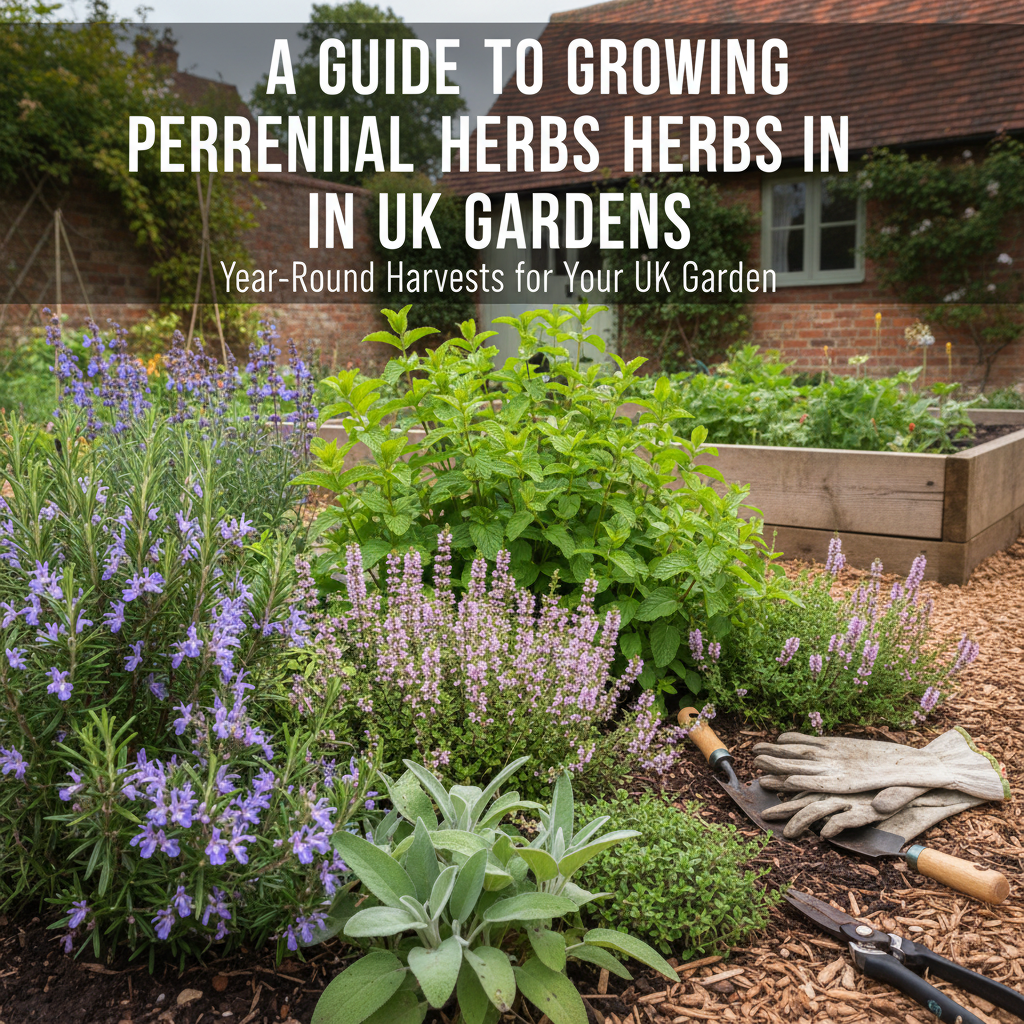
- Rosemary (Salvia rosmarinus): Look for 'Miss Jessopp’s Upright' for height or 'Severn Sea' for a more spreading habit. Rosemary thrives in the UK provided it has sharp drainage.
- Thyme (Thymus vulgaris): From the classic 'Common Thyme' to the citrusy 'Lemon Thyme', these are perfect for rockeries or gaps in paving.
- Sage (Salvia officinalis): 'Purpurascens' (Purple Sage) is as ornamental as it is delicious. Sage survives well through UK winters but can become woody if not managed.
- Lavender (Lavandula): Stick to 'English Lavender' varieties like 'Hidcote' or 'Munstead' as they are far hardier than French or Spanish varieties.
The Moisture Lovers (Shade Tolerant)
These are better suited to the heavier soils and cooler corners of many British gardens.
- Mint (Mentha): Whether it's Peppermint, Spearmint, or Apple Mint, these are vigorous growers. Warning: Always grow mint in a pot or a contained bed, or it will take over your garden.
- Chives (Allium schoenoprasum): One of the first herbs to pop up in spring, providing beautiful purple edible flowers in early summer.
- Fennel (Foeniculum vulgare): Bronze fennel looks stunning at the back of a border and provides feathery fronds all summer.
Timing Your Planting: The UK Calendar
Spring (March - May)
This is the prime time for planting. As the soil warms up in April, you can plant out young herbs bought from garden centres or those you have raised from seed indoors. This gives them a full growing season to establish a deep root system before their first winter.
Summer (June - August)
During hot spells, newly planted herbs will need regular watering. However, established Mediterranean herbs like rosemary and lavender are remarkably drought-tolerant once they've been in the ground for a year.
Autumn (September - November)
Early autumn is a great time to divide overgrown clumps of chives or mint. It’s also the time to stop pruning your evergreen herbs; any new growth stimulated now will be too soft to survive the frost.
Winter (December - February)
This is the season of protection. If you live in the North of the UK or in a frost pocket, consider wrapping expensive rosemary bushes in horticultural fleece during particularly harsh snaps.
Planting for Success: Soil and Drainage
If there is one secret to growing perennial herbs in the UK, it is drainage. Most herb deaths over winter are caused by 'root rot' in waterlogged soil rather than the temperature itself.
Improving the Soil
Before planting, dig in plenty of horticultural grit or sharp sand, especially for sage, rosemary, and thyme. If you have heavy clay soil, consider growing your herbs in raised beds or terracotta pots. Pots are particularly useful because they can be moved to a sheltered 'rain shadow' next to a house wall during the wet winter months.
The 'Sun' Factor
Most herbs need at least 6 to 8 hours of sun to develop the essential oils that give them their scent and flavour. South or West-facing borders are ideal. If you have a North-facing garden, stick to mint, chives, and wild garlic.
The Art of Pruning: Keeping Herbs Productive
Without pruning, perennial herbs quickly become 'leggy' and woody, with very few leaves to harvest.
Pruning Lavender and Rosemary
Never cut back into the 'old wood' (the brown, leafless parts of the stem). If you do, the plant likely won't regrow from that point. Instead, give them a light haircut in late summer after flowering, removing the spent flower heads and about an inch of the current year's green growth.
Pruning Sage and Thyme
Every spring (around April), look for new growth at the base of the plant. You can cut back about a third of the plant to encourage a bushy, dense habit.
Managing Mint
Mint is herbaceous, meaning it dies back to the ground in winter. Cut the dead stems back to soil level in late autumn. In the spring, it will emerge with renewed vigour.
Propagating: Growing More for Free
One of the joys of perennial herbs is how easy they are to multiply.
- Softwood Cuttings: In early summer, take a 10cm snip of non-flowering rosemary or sage. Remove the lower leaves, dip in hormone rooting powder, and place in a pot of gritty compost. By autumn, you'll have a new plant.
- Division: This works best for chives and mint. In spring, dig up the clump, slice it in half with a sharp spade, and replant the two halves. It’s a great way to rejuvenate an old, tired plant.
Dealing with UK Pests and Diseases
Fortunately, the high essential oil content in many herbs makes them naturally resistant to many pests. However, there are a few things to watch for:
- Rosemary Beetle: These shiny, metallic purple and green beetles can strip a plant. Pick them off by hand in late summer.
- Mint Rust: This shows up as orange spots on the leaves. If you see it, cut the plant to the ground immediately and dispose of the foliage (don't compost it). The new growth is usually clear.
- Sage Mildew: Often caused by a lack of airflow. Ensure your plants aren't too crowded and water at the base, not over the leaves.
Garden-Review Expert Tips for Your Herb Garden
- The Pot-in-Pot Trick: If you want mint in your borders but fear its spreading, plant it in a large plastic pot and then bury that pot in the ground. The rim should sit slightly above the soil level to prevent the runners from 'escaping' over the top.
- Companion Planting: Plant sage near your brassicas (broccoli, cabbage) as the scent helps deter the cabbage white butterfly.
- Harvesting for Flavour: For the best flavour, harvest your herbs in the morning after the dew has evaporated but before the sun gets too hot. This is when the concentration of essential oils is at its peak.
Summary
Investing time in a perennial herb garden is one of the most rewarding projects a UK gardener can undertake. By focusing on drainage and choosing varieties that match your garden's microclimate, you can enjoy a kitchen garden that produces year-round interest and flavour. Start with the 'big four'—rosemary, sage, thyme, and chives—and you’ll soon find yourself reaching for the garden shears every time you head to the kitchen.
Tags
Comments
Join the conversation
Create a free account to leave comments, share photos, and connect with other gardeners.
Related Articles
Winter Garden Tidying
Winter might seem like a quiet time in the garden, but it's crucial for laying the groundwork for a spectacular spring and summer. This guide provides UK gardeners with actionable advice on essential winter tidying tasks, from preparing your soil to maintaining tools and creating a pest-free environment.
Winter Lawn Care UK: Your Essential Guide to a Resilient Lawn
Ensuring your lawn thrives through the UK's colder months requires specific preparation. This guide from Garden-Review provides essential, actionable advice to safeguard your lawn against winter stresses, from correct autumnal mowing to combating common issues like moss and fungal diseases, guaranteeing a vibrant return in spring.

How to Grow Perfect, Straight Carrots in UK Soils
Master the art of growing crunchy, straight carrots in your UK garden. From avoiding carrot fly to soil prep, here is everything you need for success.

Harvesting & Storing UK Fruit and Veg: Month-by-Month Guide
A practical UK guide to harvesting fruit and vegetables at their peak and storing them correctly, from curing onions to keeping potatoes and apples fresh all winter.
Year-Round Salad Leaves: A Guide for UK Gardeners
Discover how to grow fresh, organic salad leaves in your UK garden all year round. Expert tips on varieties, sowing schedules, and winter protection.

What to Plant in May: Your UK Garden Guide
May is a pivotal month in the UK gardening calendar, marking the true arrival of warmer weather and the departure of late frosts across much of the nation. This comprehensive guide from Garden-Review will help you get the most out of your garden, detailing exactly what vegetables, herbs, flowers, and fruits you can confidently sow and plant for a bountiful year.