
Growing Tulips in the UK: Planting to Tulip Fire
Everything UK gardeners need to know about growing tulips, from November planting to spotting tulip fire and deciding whether to lift bulbs.
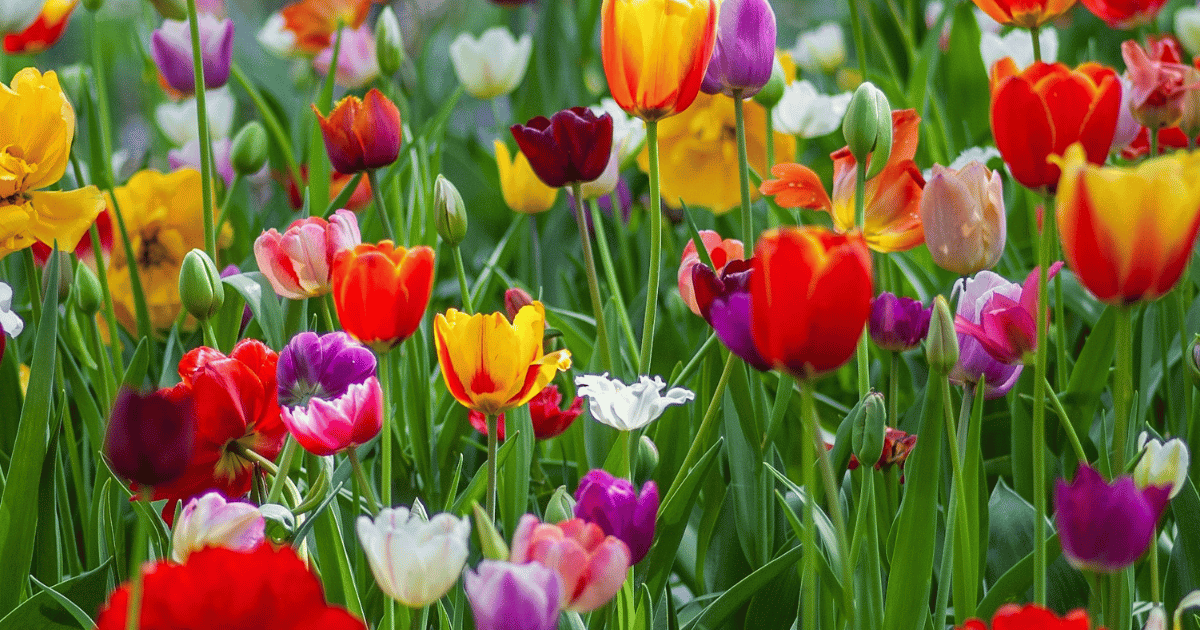
Tulip bulbs are best planted in November in the UK, once soil has cooled, to reduce the risk of tulip fire disease. Choose Darwin hybrids or species tulips for the best chance of flowers returning year after year, and grow showier hybrids in pots for a reliable spring display. With good drainage and a sunny spot, tulips are one of the easiest spring bulbs to grow well.
Key takeaways
- Plant tulip bulbs in November, later than daffodils, to avoid tulip fire.
- Species and Darwin hybrid tulips naturalise best for repeat flowering.
- Pots suit hybrid tulips grown as one-season displays; borders suit naturalising types.
- Good drainage is essential; bulbs rot quickly in waterlogged soil.
- Remove any plants showing scorched or distorted leaves promptly to stop tulip fire spreading.
When to plant tulip bulbs
Unlike most spring bulbs, tulips are planted later in the season, ideally in November once the soil has cooled. Cooler soil reduces the fungal spores responsible for tulip fire, and bulbs still have plenty of time to root before flowering the following April or May. Plant at roughly three times the bulb's depth, generally 15-20cm, in free-draining soil or gritty compost.
Best tulip varieties for UK gardens
| Variety type | Flowering | Height | Likely to return? |
|---|---|---|---|
| Species tulips e.g. Tulipa sprengeri | April | 15-25cm | Yes, naturalises well |
| Darwin hybrids e.g. 'Apeldoorn' | Mid-spring | 50-60cm | Good, often several years |
| Triumph tulips e.g. 'Negrita' | Mid-spring | 40-50cm | Moderate |
| Parrot tulips e.g. 'Black Parrot' | Late spring | 45-55cm | Poor, best as annuals |
| Double late tulips e.g. 'Angelique' | Late spring | 40-45cm | Poor, best as annuals |
Pots versus borders
Growing tulips in pots gives excellent drainage and lets you discard spent hybrid bulbs each year, refreshing the compost for a new display; this suits smaller gardens and patios well. Border planting suits naturalising species tulips, provided the site is sunny and drains freely; heavy clay is best improved with grit and organic matter, or avoided in favour of raised beds. See our garden design hub for planning ideas.
Planting and care step by step
- Choose firm, unblemished bulbs; discard any that are soft or mouldy
- Plant in November, 15-20cm deep, pointed end up
- Space bulbs roughly 10cm apart for a full display
- Water in if the soil is dry, then leave over winter
- Feed with a balanced fertiliser as shoots emerge in spring
- Deadhead once flowers fade, leaving foliage to die back naturally
- Lift bulbs once leaves have yellowed if reusing pots for summer displays
Tulip fire and other problems
Tulip fire (Botrytis tulipae) causes scorched, twisted leaves and spotted or streaked petals, and spreads quickly in mild, damp conditions. The RHS advises removing and destroying affected plants and bulbs, avoiding replanting tulips in the same spot for at least two years, and planting late to reduce risk. Squirrels and mice can also dig up newly planted bulbs; a layer of chicken wire over the planting area deters them.
Will tulips come back next year?
Many hybrid tulips flower magnificently in year one but produce smaller, fewer blooms afterwards as bulbs split. For reliable repeat flowering, choose species tulips or sturdy Darwin hybrids, plant deeply, and allow foliage to die back fully before removing it, since this is when the bulb rebuilds its reserves for next spring.
The bottom line
Tulips are forgiving, dramatic and among the best value spring bulbs for UK gardens, provided you plant them late, in free-draining soil or compost, and choose the right type for your goals. Treat showy hybrids as a glorious one-off display and species tulips as a longer-term investment, and you'll get colour from March through to May.
Frequently Asked Questions
When is the best time to plant tulip bulbs in the UK?
Do tulips come back every year in the UK?
What is tulip fire and how do I avoid it?
Should I grow tulips in pots or in the border?
Should I deadhead tulips after flowering?
Tags
Comments
Join the conversation
Create a free account to leave comments, share photos, and connect with other gardeners.
Related Articles

Best Spring Flowers for UK Gardens: A Complete Guide
From snowdrops to tulips, here's when to plant and how to grow the best spring flowers for colourful UK borders and pots.

How to Grow Succulent Strawberries: The Ultimate UK Guide
Master the art of growing delicious British strawberries. From choosing Royal Horticultural Society-approved varieties to organic pest control and winter care.

A Guide to Growing Hardback Annuals in the UK
Transform your garden with ease. Discover the best hardy annuals for the UK climate, plus expert tips on sowing, timing, and achieving a beautiful summer display.

Best Summer Flowers for UK Gardens: June to September Colour
Roses, dahlias, geraniums and more: how to choose and care for summer flowers that keep UK gardens blooming right through to autumn.
Growing Dahlias in the UK: Tubers to Overwintering
A complete UK guide to growing dahlias, from planting tubers after the last frost to lifting and storing them safely over winter.
Growing Roses in the UK: The Complete Guide
Everything UK gardeners need to know about choosing, planting, pruning and feeding roses for months of reliable, healthy blooms.