
Best Spring Flowers for UK Gardens: A Complete Guide
From snowdrops to tulips, here's when to plant and how to grow the best spring flowers for colourful UK borders and pots.
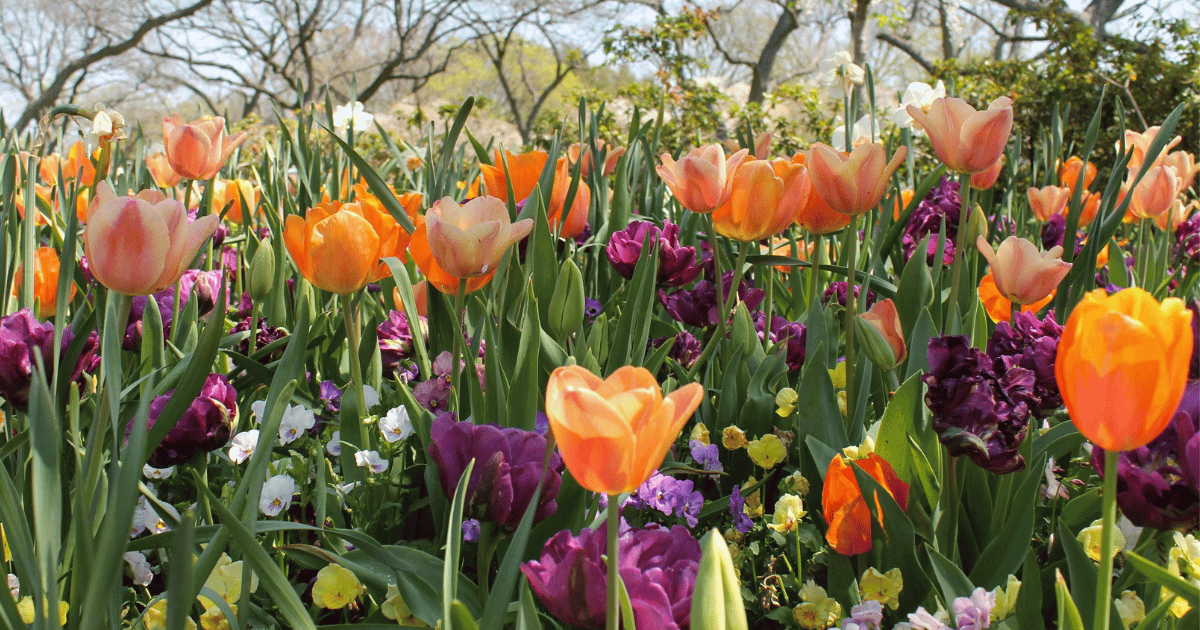
The best spring flowers for UK gardens include daffodils, tulips, crocuses, hyacinths and primroses, blooming in succession from February through to May. Plant most bulbs in autumn for a reliable, low-maintenance display in borders, pots and naturalised lawns.
Key takeaways
- Plant daffodils, crocuses and hyacinths in September-October, and tulips in November for the best results.
- Snowdrops and crocuses flower first (Feb-March), followed by daffodils and hyacinths, with tulips and alliums extending the display into May.
- Leave bulb foliage to die back naturally for six weeks after flowering to build up energy for next year.
- Combine early, mid and late bloomers in borders and 'bulb lasagne' pots for months of continuous colour.
- Bedding plants such as pansies and primroses fill gaps and add colour through winter into spring.
When do spring flowers bloom in the UK?
Spring flowering in the UK typically runs from late February to the end of May, though mild winters can bring snowdrops out as early as January in sheltered southern gardens. Timing depends on soil temperature, aspect and regional climate, with gardens in Cornwall or London often two to three weeks ahead of Scotland or the north-east.
A rough flowering calendar
- February-March: snowdrops, crocuses, early daffodils, winter aconites.
- March-April: daffodils, hyacinths, primroses, forget-me-nots.
- April-May: tulips, alliums, bluebells, wallflowers.
Best spring flowers compared
| Flower | Typical flowering | Height | Best for |
|---|---|---|---|
| Snowdrop (Galanthus) | Jan-March | 10-15cm | Naturalising under trees |
| Crocus | Feb-March | 8-12cm | Lawns, pots, border edges |
| Daffodil (Narcissus) | March-April | 15-45cm | Borders, naturalising, cutting |
| Hyacinth | March-April | 20-30cm | Pots, scented borders |
| Tulip | April-May | 25-60cm | Borders, pots, cut flowers |
| Allium | May-June | 40-100cm | Structural border interest |
Planting spring bulbs: a step-by-step guide
- Choose firm, plump bulbs free from mould or soft patches.
- Plant daffodils, crocuses and hyacinths from September to October, when soil is still workable but not too warm.
- Plant tulips in November, once the ground has cooled, to reduce the risk of tulip fire disease.
- Dig a hole roughly three times the depth of the bulb, generally 10-15cm for larger bulbs.
- Plant with the pointed tip facing upwards and space bulbs a bulb's width apart for a natural drift.
- Water well after planting if the soil is dry, then leave undisturbed over winter.
Spring flowers for borders
For impact in borders, plant bulbs in generous drifts of 10-20 rather than single rows. Combine early snowdrops and crocuses with mid-season daffodils and finish with tulips or alliums for a succession lasting three months. Underplant with hardy perennials such as hellebores and pulmonaria to hide dying bulb foliage. See our seasonal planting guide for more month-by-month ideas.
Spring flowers for pots and containers
Containers are ideal for small gardens, patios and balconies. Try a 'bulb lasagne': layer tulips at the bottom, daffodils in the middle and crocuses near the top of a deep pot, so each layer flowers in succession from the same container. Use peat-free compost with added grit, and position pots somewhere sheltered from hard frost. For more container ideas, browse our garden design hub.
Caring for spring flowers after blooming
Deadhead spent flowers to tidy the display, but always leave the foliage in place. Bulbs use their leaves to photosynthesise and store energy for the following year, so cutting them back too soon significantly weakens next spring's display. Wait at least six weeks, or until leaves turn yellow and papery, before removing them. A general-purpose or potash-rich feed after flowering also helps replenish bulbs, particularly in pots where nutrients are quickly used up. The RHS bulb growing guide has further detail on aftercare.
Common problems with spring flowers
Squirrels and mice can dig up and eat freshly planted bulbs, particularly crocuses and tulips; a layer of chicken wire pegged over the planting area helps deter them. Waterlogged soil is the most common cause of bulb rot, so improve drainage with grit or horticultural sand on heavy clay. Tulip fire, a fungal disease causing scorched leaves, is best avoided by planting late and rotating tulip beds each year. For further advice on plant health, see our advice section or the RHS website.
The bottom line
A well-planned combination of snowdrops, daffodils, hyacinths and tulips will bring reliable colour to UK gardens from February through to May with minimal effort. Plant bulbs at the right time in autumn, let foliage die back naturally, and mix early and late varieties in borders and pots for the longest possible season of spring interest.
Frequently Asked Questions
When do spring flowers bloom in the UK?
When should I plant spring bulbs?
What are the easiest spring flowers to grow in the UK?
Can spring flowers be grown in pots?
How do I keep spring bulbs flowering year after year?
Tags
Comments
Join the conversation
Create a free account to leave comments, share photos, and connect with other gardeners.
Related Articles
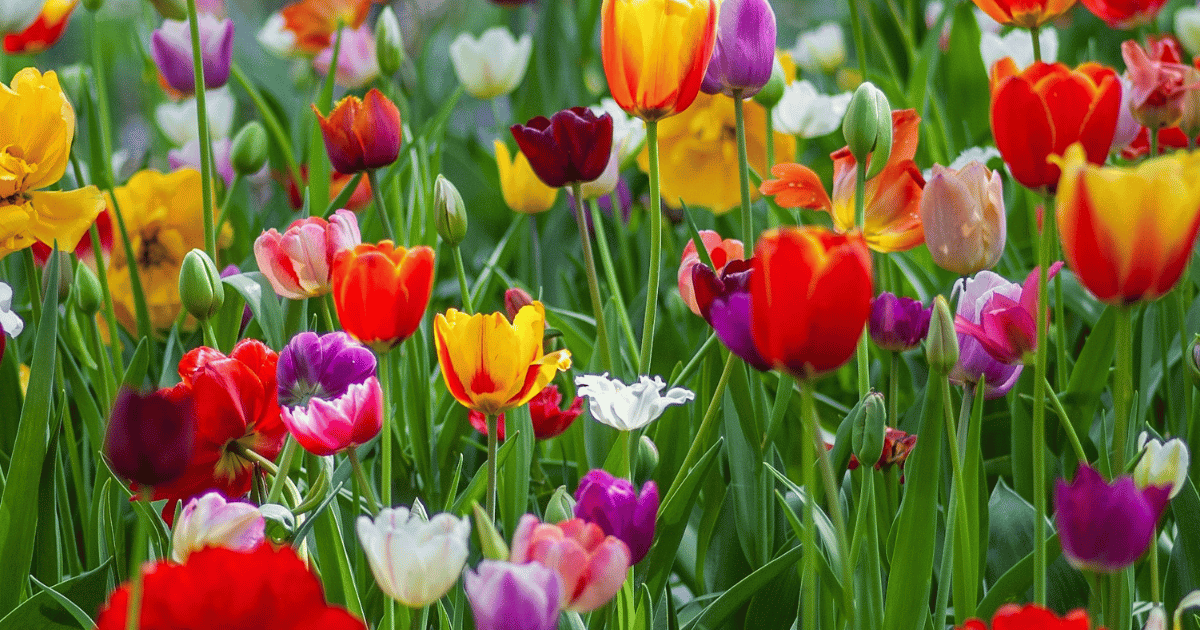
Growing Tulips in the UK: Planting to Tulip Fire
Everything UK gardeners need to know about growing tulips, from November planting to spotting tulip fire and deciding whether to lift bulbs.
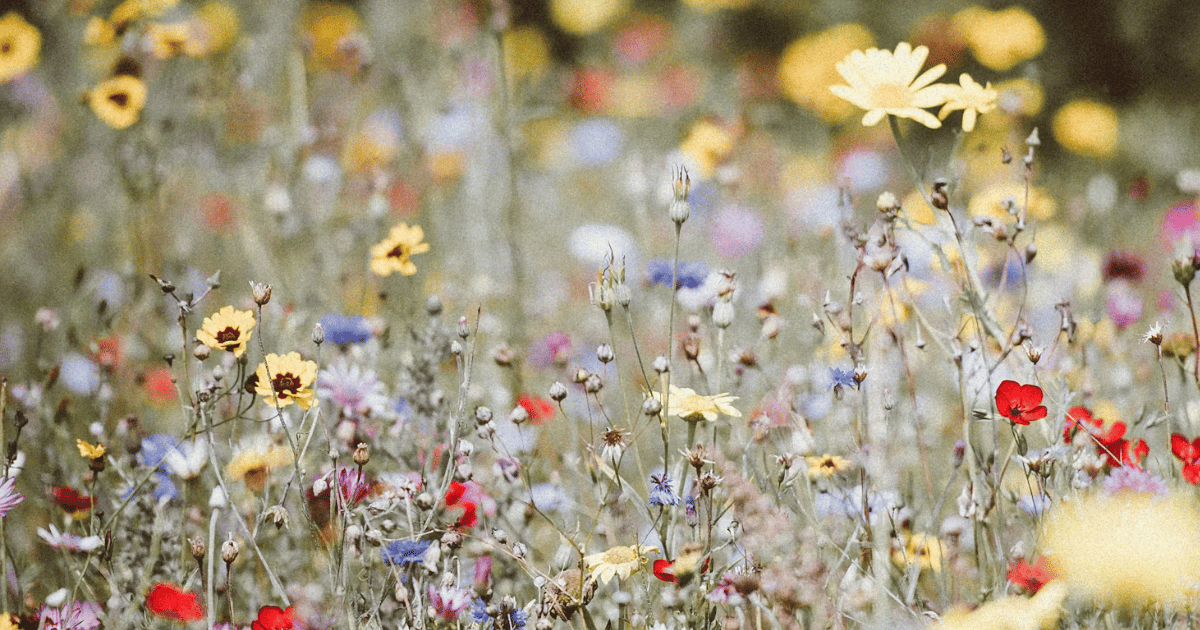
Best Summer Flowers for UK Gardens: June to September Colour
Roses, dahlias, geraniums and more: how to choose and care for summer flowers that keep UK gardens blooming right through to autumn.
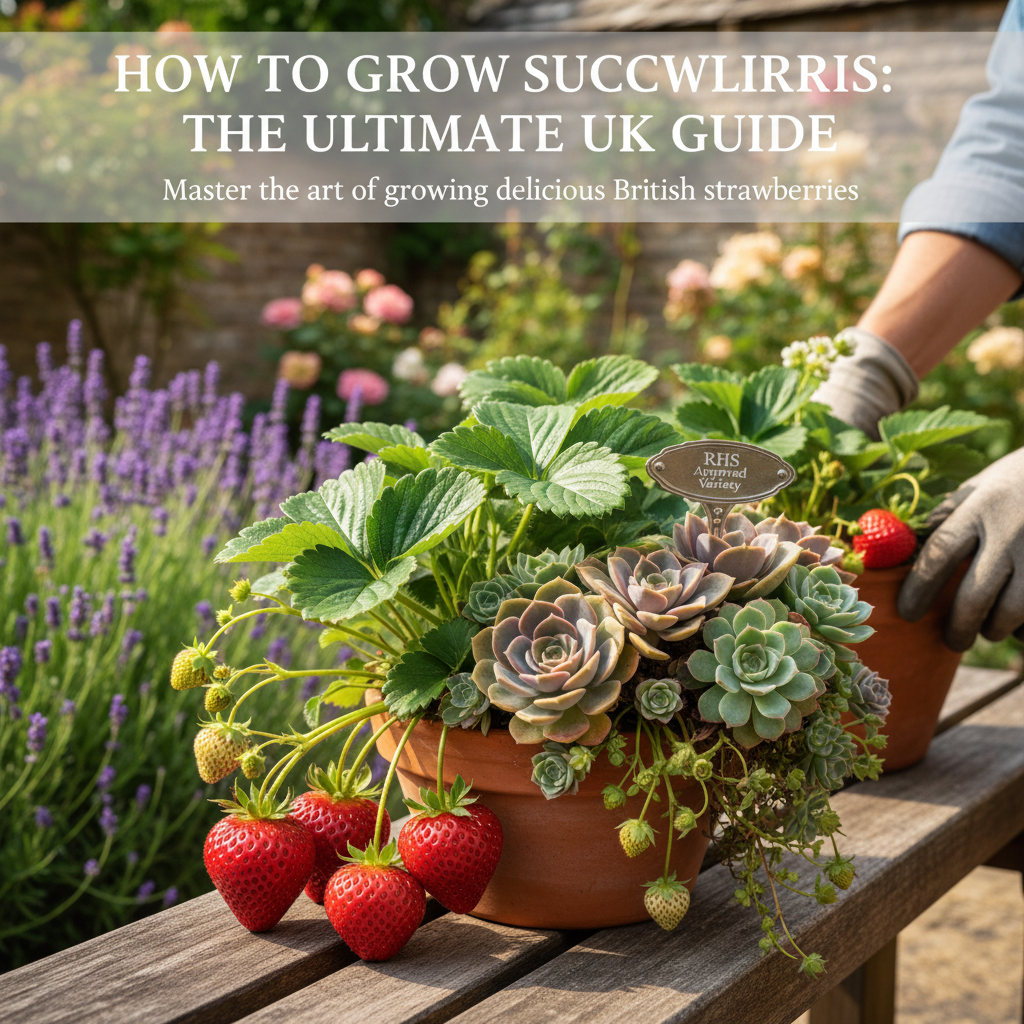
How to Grow Succulent Strawberries: The Ultimate UK Guide
Master the art of growing delicious British strawberries. From choosing Royal Horticultural Society-approved varieties to organic pest control and winter care.
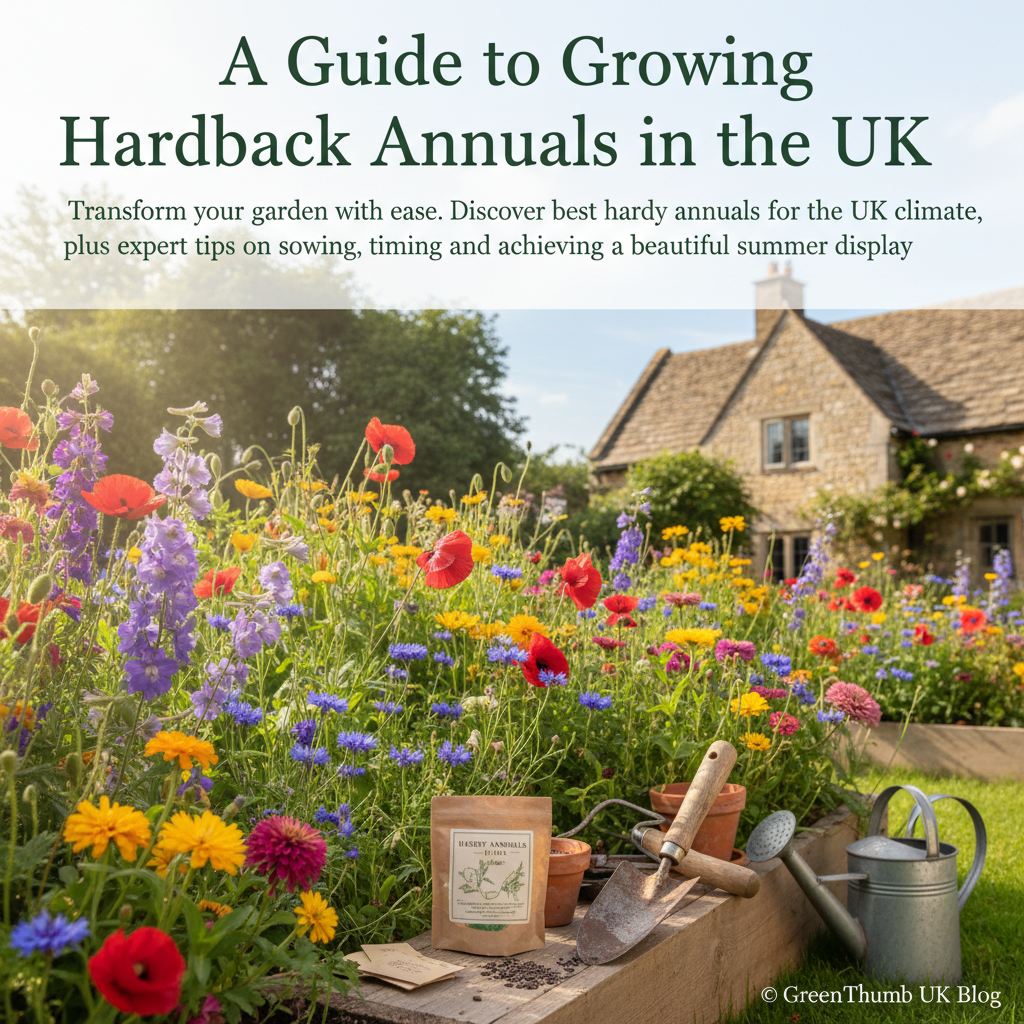
A Guide to Growing Hardback Annuals in the UK
Transform your garden with ease. Discover the best hardy annuals for the UK climate, plus expert tips on sowing, timing, and achieving a beautiful summer display.
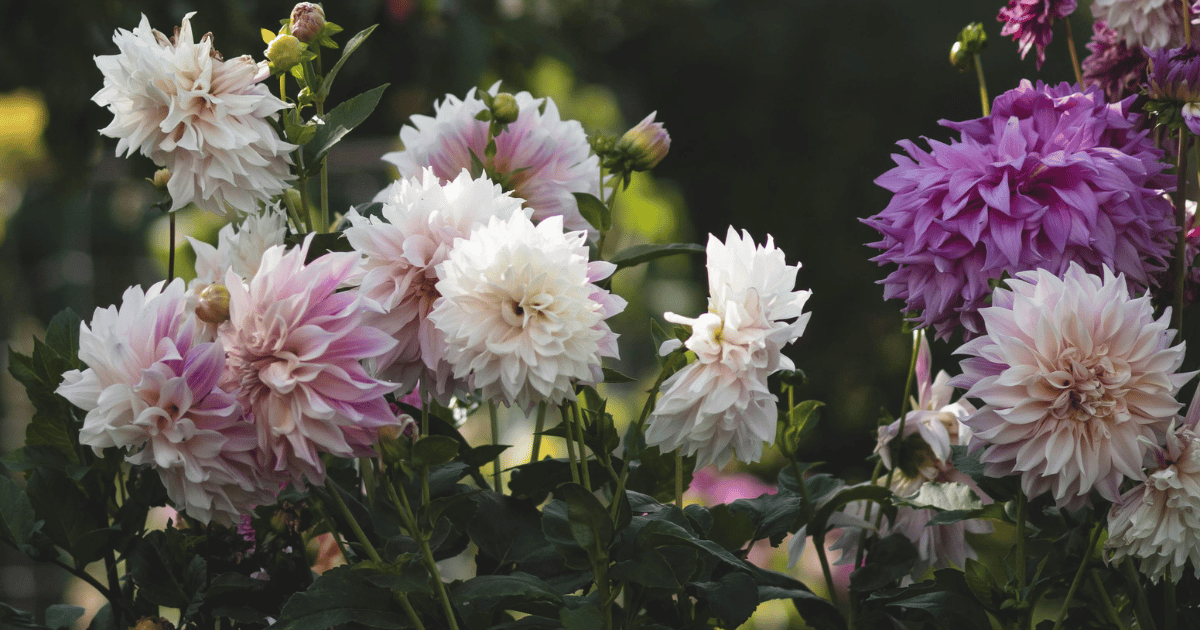
Growing Dahlias in the UK: Tubers to Overwintering
A complete UK guide to growing dahlias, from planting tubers after the last frost to lifting and storing them safely over winter.
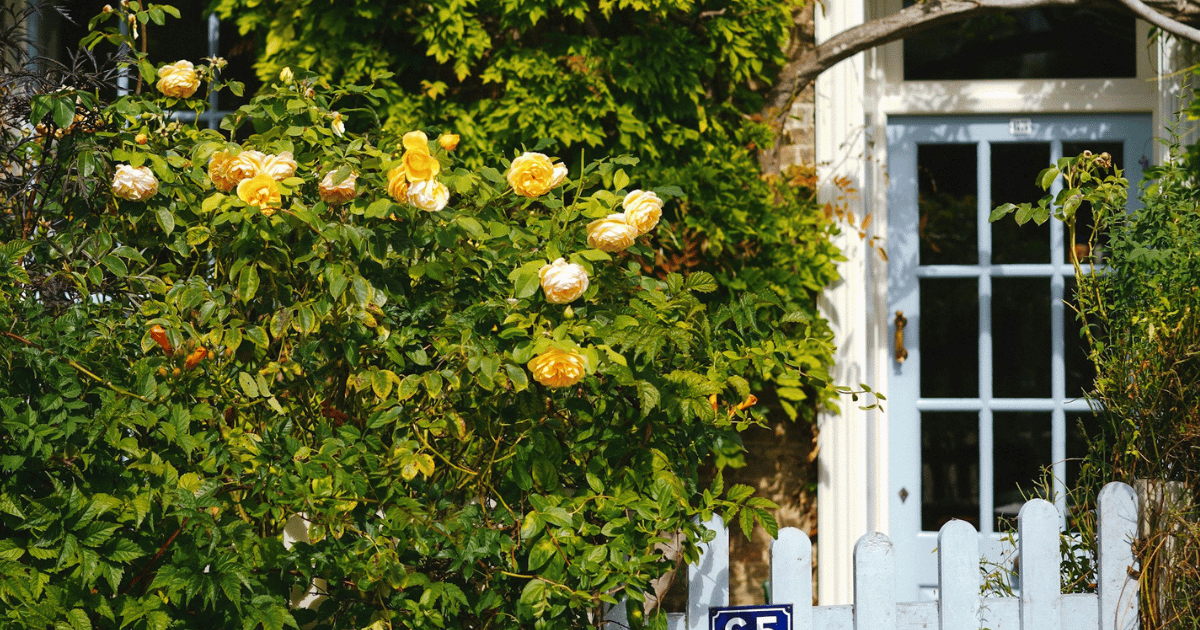
Growing Roses in the UK: The Complete Guide
Everything UK gardeners need to know about choosing, planting, pruning and feeding roses for months of reliable, healthy blooms.