
How to Create a Wildflower Meadow in a UK Garden
A practical UK guide to creating a wildflower meadow or mini-meadow, from choosing seed mixes and sowing yellow rattle to annual cutting.
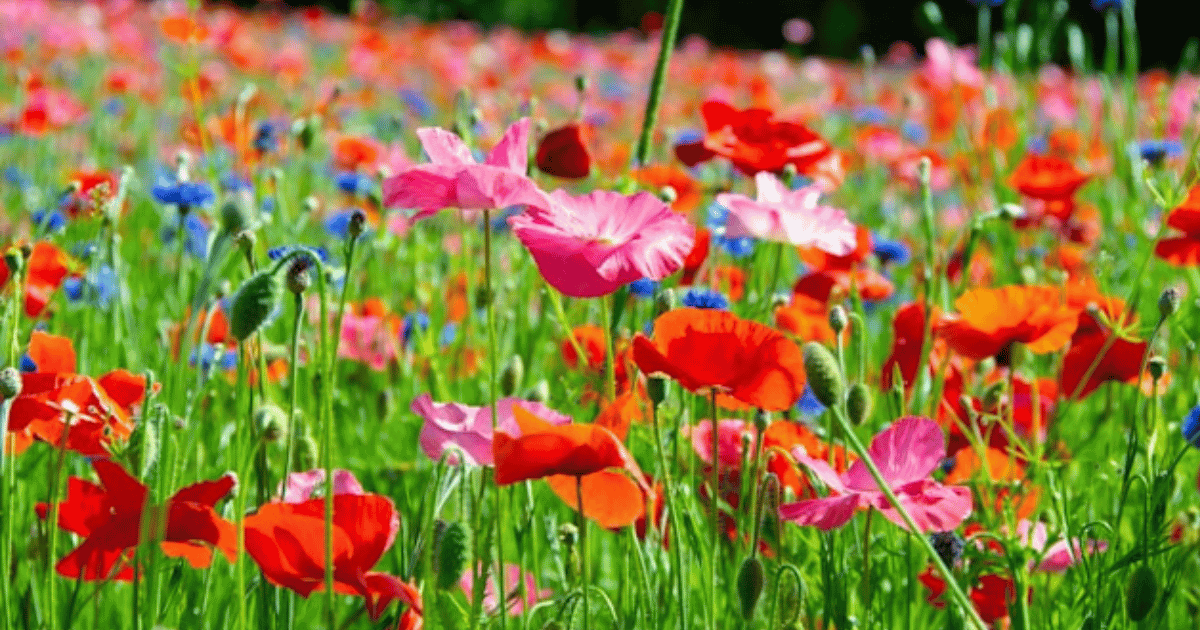
A UK wildflower meadow is created by sowing native wildflower and grass seed onto low-fertility, bare soil in September or spring, then managing it with an annual cut rather than mowing. Yellow rattle is key to suppressing vigorous grasses so wildflowers can compete, and cuttings must be removed after mowing to keep soil fertility low. Even a small patch of lawn can become a productive mini-meadow within two seasons.
Key takeaways
- Choose a sunny site with poor, low-fertility soil; wildflowers dislike rich ground.
- Sow native UK wildflower-grass mixes in early autumn or spring onto bare soil.
- Introduce yellow rattle to weaken grass and let wildflowers establish.
- Cut once a year, after flowering and seed set, and always remove cuttings.
- Even a small mini-meadow patch supports significant numbers of pollinators.
Choosing your site and soil
Wildflowers thrive on poor, free-draining soil low in nutrients, the opposite of what most lawns and borders are managed for. If your soil is fertile, strip off the top layer of turf and topsoil, or scarify hard, to expose a leaner subsoil. Never add fertiliser or compost, as this only encourages grass and weeds to outcompete wildflowers.
Meadow options for different spaces
| Space | Approach | Best sowing time |
|---|---|---|
| Full lawn conversion | Strip turf, sow perennial native mix | September |
| Mini-meadow patch (1-4m²) | Scarify, sow annual or mixed seed | Spring or autumn |
| Border edge or verge | Overseed with yellow rattle first | Autumn |
| Pots and containers | Peat-free, low-nutrient compost, annual mix | Spring |
Choosing a seed mix
Buy a UK native wildflower and grass mix suited to your soil type, sold as sun/dry, wet meadow, clay or chalk blends by specialist native seed suppliers. Cornfield annual mixes such as poppies and cornflowers give quick colour in year one but need bare soil disturbed each spring to keep reseeding, whereas perennial meadow mixes take longer to establish but return every year.
Sowing step by step
- Clear the site of turf, weeds and topsoil to leave bare, low-fertility ground
- Rake to a fine, level tilth
- Sow seed at the rate recommended on the packet, mixing with sand to spread evenly
- Rake lightly to cover seed and firm with the back of a rake or roller
- Water in dry spells until germination
- Introduce fresh yellow rattle seed in September if not already in the mix
- Leave uncut through spring and summer flowering
The role of yellow rattle
Yellow rattle (Rhinanthus minor) draws nutrients from the roots of grasses, weakening their growth and opening space for wildflowers to establish. It's an annual, so needs to be allowed to seed and germinate fresh each year; sow it into short, disturbed turf in autumn, as it requires a period of cold to break dormancy. The Wildlife Trusts recommend it as the single most useful tool for converting grassy areas into flower-rich meadow.
Cutting regime
Timing depends on whether your meadow is spring or summer flowering. Cut a spring meadow (with species like cowslips) in July after seed has shed, and a summer meadow (oxeye daisy, knapweed) in September. Always remove cuttings after leaving them to dry for a few days, letting seed drop before you clear the arisings, since left-in-place cuttings raise soil fertility and favour grass.
Maintaining meadow diversity
Over a few years, monitor which wildflowers dominate and consider plug-planting extra species, such as field scabious or knapweed, to boost diversity. Avoid pesticides and herbicides entirely, and resist the urge to tidy edges too often, as many pollinators and other invertebrates overwinter in old stems and thatch. For more wildlife-friendly ideas, see our garden design and advice hubs.
The bottom line
A UK wildflower meadow, however small, is one of the most valuable things you can do for garden biodiversity, and it asks for far less maintenance than a mown lawn once established. Get the soil poor, the seed mix right, and yellow rattle established, then commit to a single annual cut with cuttings removed, and the meadow will improve year on year.
Frequently Asked Questions: How to Create a Wildflower Meadow in a UK Garden
What is the easiest way to start a wildflower meadow?
Why is yellow rattle important for a wildflower meadow?
When should I cut a wildflower meadow?
Can I make a mini wildflower meadow in a small garden?
Do wildflower meadows need watering?
Tags
Comments
Join the conversation
Create a free account to leave comments, share photos, and connect with other gardeners.
Related Articles
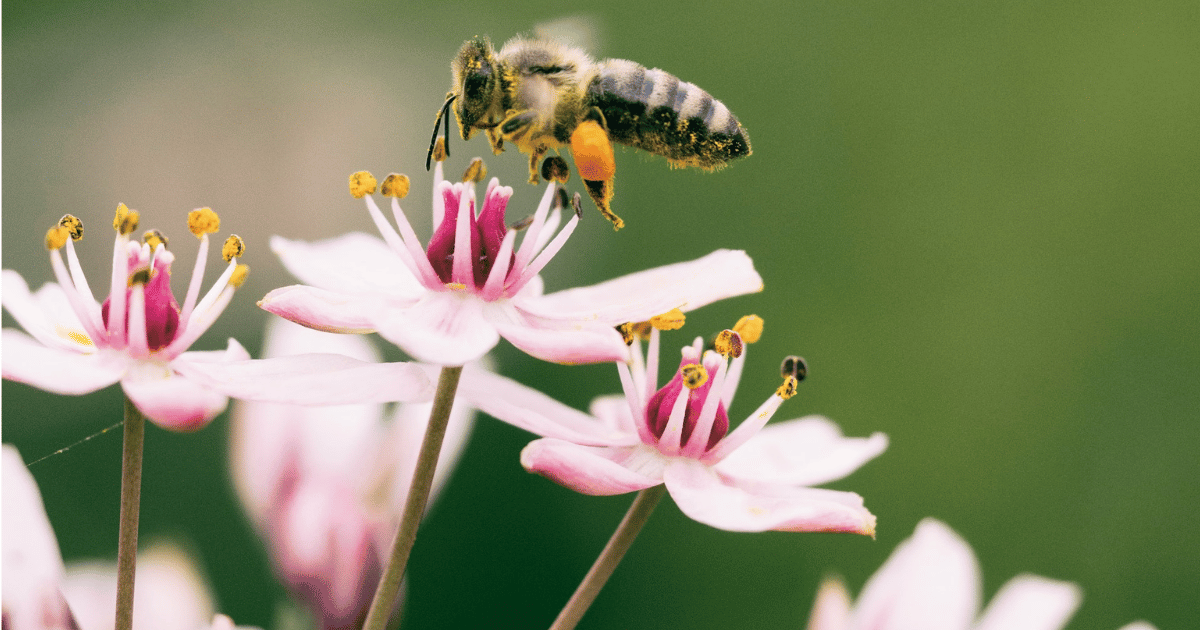
How to Design a Pollinator-Friendly Garden in the UK
A UK guide to designing a pollinator-friendly garden, with season-by-season plant choices, nesting habitat tips, and pitfalls to avoid.
How to Grow Succulent Strawberries: The Ultimate UK Guide
Master the art of growing delicious British strawberries. From choosing Royal Horticultural Society-approved varieties to organic pest control and winter care.
A Guide to Growing Hardback Annuals in the UK
Transform your garden with ease. Discover the best hardy annuals for the UK climate, plus expert tips on sowing, timing, and achieving a beautiful summer display.
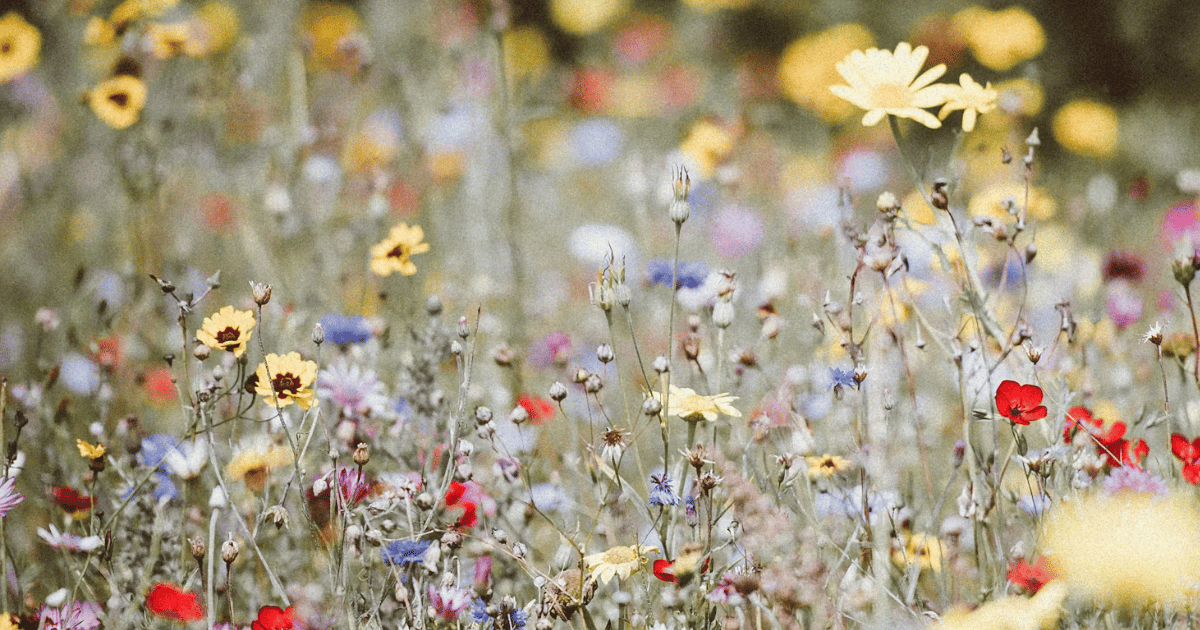
Best Summer Flowers for UK Gardens: June to September Colour
Roses, dahlias, geraniums and more: how to choose and care for summer flowers that keep UK gardens blooming right through to autumn.
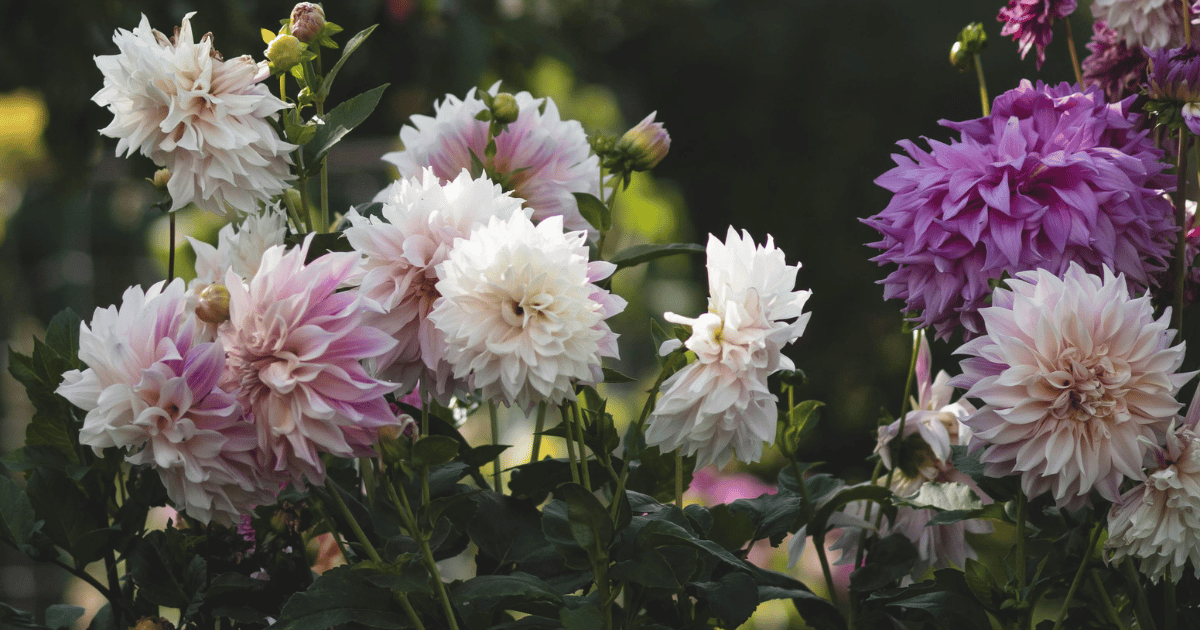
Growing Dahlias in the UK: Tubers to Overwintering
A complete UK guide to growing dahlias, from planting tubers after the last frost to lifting and storing them safely over winter.
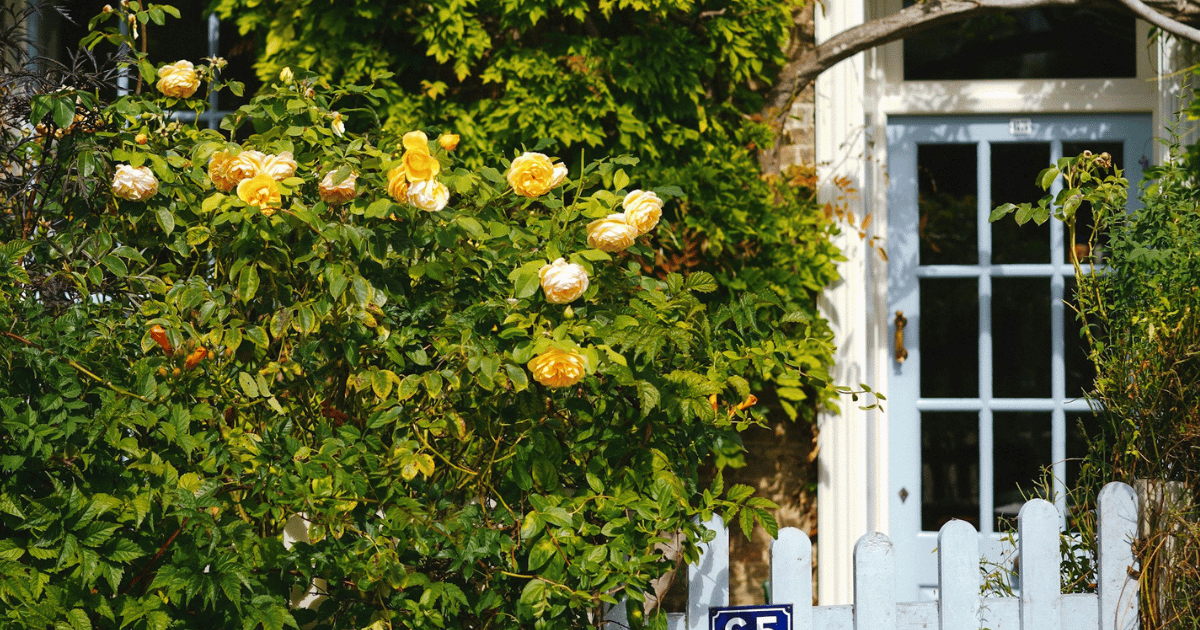
Growing Roses in the UK: The Complete Guide
Everything UK gardeners need to know about choosing, planting, pruning and feeding roses for months of reliable, healthy blooms.