
UK Gardener's Guide to Feeding and Watering Plants
A practical guide to choosing the right fertiliser, understanding NPK, and watering efficiently through UK summers and hosepipe bans.
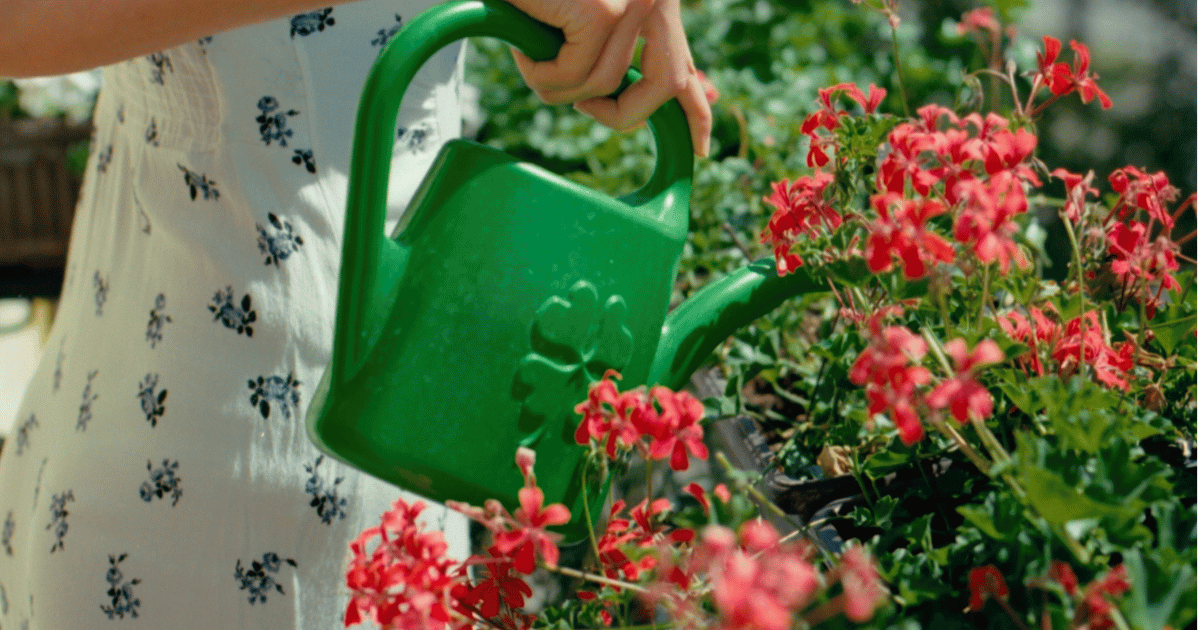
Feed plants little and often during their active growing season using a fertiliser matched to their needs (nitrogen for leaves, potassium for flowers and fruit), and water deeply but infrequently to encourage strong roots. In dry spells or hosepipe bans, prioritise thirsty containers and new plantings, and rely on stored rainwater from a water butt wherever possible.
Key takeaways
- NPK numbers on fertiliser packs show nitrogen, phosphorus and potassium content — match the feed to the plant's job.
- Feed during active growth (roughly March to August) and stop by early autumn to avoid soft, frost-prone growth.
- Water deeply and less often rather than little and often, to encourage deep, resilient roots.
- Water butts and mulching are the best defences against hosepipe bans and summer droughts.
- Containers and hanging baskets need far more frequent watering and feeding than plants in open ground.
Understanding fertiliser types
Fertilisers broadly fall into two camps: organic and inorganic (synthetic). Organic feeds such as well-rotted manure, seaweed extract, blood fish and bone, and chicken pellets release nutrients slowly as soil organisms break them down, improving soil structure along the way. Inorganic fertilisers, like Growmore or liquid tomato feed, act faster and give more precise nutrient control but do nothing for soil health on their own.
Slow-release granular feeds are ideal for beds and borders in spring, giving a steady supply over several months. Liquid feeds are best for containers and hungry crops like tomatoes, as they act quickly but wash through the compost fast, needing weekly top-ups.
What NPK actually means
Every fertiliser pack shows three numbers, for example 7-7-7 or 4-5-8, representing the percentage of Nitrogen (N), Phosphorus (P) and Potassium (K). As a rule of thumb: nitrogen for leafy greens and lawns, phosphorus for root development and establishment, and potassium for flowers, fruit and overall hardiness. A balanced feed like Growmore suits general beds, while high-potash tomato feed suits fruiting crops.
| Feed type | NPK emphasis | Best used for | When to apply |
|---|---|---|---|
| Growmore (general purpose) | Balanced 7-7-7 | Vegetable beds, borders | Spring, at planting |
| Blood, fish and bone | Balanced, slow release | New shrubs, trees, roses | Spring and autumn |
| Tomato feed (liquid) | High potassium | Tomatoes, peppers, courgettes, flowering pots | Weekly, June-September |
| Chicken pellets | High nitrogen | Leafy crops, lawns | Spring to midsummer |
| Ericaceous feed | Balanced, acidic | Rhododendrons, camellias, blueberries | Spring and after flowering |
| Sulphate of potash | High potassium | Fruit trees, dahlias, roses | Late winter/spring |
When to feed what
Most plants need feeding during their active growth from March to August, tapering off as growth slows. Container-grown plants exhaust their compost's nutrients within six to eight weeks, so need supplementary feeding all summer. Established trees and shrubs in reasonable soil often need little beyond an annual mulch of garden compost.
- Late winter: feed fruit trees and bushes with sulphate of potash or blood, fish and bone.
- Spring: apply general fertiliser to beds and borders as growth resumes; feed lawns with a spring feed.
- Early summer: start weekly liquid feeding of tomatoes, courgettes and container displays.
- Midsummer: continue liquid feeding hungry crops; give roses a second feed after their first flush.
- Early autumn: stop nitrogen feeds; apply an autumn lawn feed if needed.
- Winter: hold off feeding almost everything; plants are dormant.
Watering wisely through the seasons
New plantings need regular watering for their first year or two while roots establish, but once settled, most trees, shrubs and perennials cope with UK rainfall alone except in extended dry spells. The biggest mistake gardeners make is light, frequent watering, which encourages roots to stay near the surface. A thorough soak once or twice a week, allowing water to penetrate deeply, builds drought-resilient plants.
Water in the early morning or evening to reduce evaporation loss, and direct water at the base of plants rather than over foliage, which reduces disease risk and waste. See the RHS guidance on efficient watering for further detail.
Coping with drought and hosepipe bans
During a hosepipe ban, sprinklers and hosepipes connected to the mains are generally prohibited, but watering cans filled from taps or water butts remain permitted, as does drip irrigation gravity-fed from a butt. Prioritise: newly planted trees and shrubs, containers and hanging baskets, and vegetables at flowering or fruiting stage. Established lawns will usually recover from browning once rain returns, so they're the lowest priority.
Mulching bare soil with a 5-7cm layer of bark, compost or gravel after rain locks in moisture and can cut watering needs significantly. Grouping containers together and using saucers underneath also reduces water loss.
Making the most of water butts
A standard 200-litre water butt connected to a shed, greenhouse or house downpipe can collect a surprising amount of rain even in a typical UK autumn to spring period. Position butts near your thirstiest areas — the vegetable patch, greenhouse or patio containers — to save carrying cans long distances. Raise the butt on a stand so you can fit a watering can underneath the tap, and fit a simple rain diverter kit (from around £15-£25) to route downpipe water in automatically.
Consider linking two or three butts together with a connector kit for extra storage capacity ahead of dry summer months. Check the Met Office's seasonal outlooks via the Met Office to plan ahead for particularly dry summers.
Feeding and watering in containers
Pots and hanging baskets dry out and use up nutrients far faster than open ground because roots are confined and compost volume is limited. In warm weather, check containers daily — terracotta pots and hanging baskets may need watering twice a day at the height of summer. Adding water-retaining granules or a mulch of gravel on top of compost helps reduce the frequency needed. For further planning ideas, browse our grow guides and seasonal guide hub.
Common feeding and watering mistakes
- Overfeeding with high-nitrogen fertiliser, producing lush leaves but few flowers or fruit.
- Watering little and often, creating shallow, drought-vulnerable roots.
- Feeding dormant or stressed plants, which can scorch roots.
- Ignoring mulch, which is one of the cheapest ways to conserve soil moisture.
For more planting and border advice, see our plants and garden design sections.
The bottom line
Good feeding and watering comes down to matching the right nutrients to the season and the plant, then watering deeply and thoughtfully rather than by habit. Invest in a water butt, mulch bare soil, and save liquid feeds for hungry container plants — your garden will stay healthier through summer dry spells and hosepipe bans alike.
Frequently Asked Questions
What does NPK mean on fertiliser packs?
When should I stop feeding plants in autumn?
Is tap water bad for plants?
Can I water my garden during a hosepipe ban?
How often should I water established plants?
Tags
Comments
Join the conversation
Create a free account to leave comments, share photos, and connect with other gardeners.
Related Articles
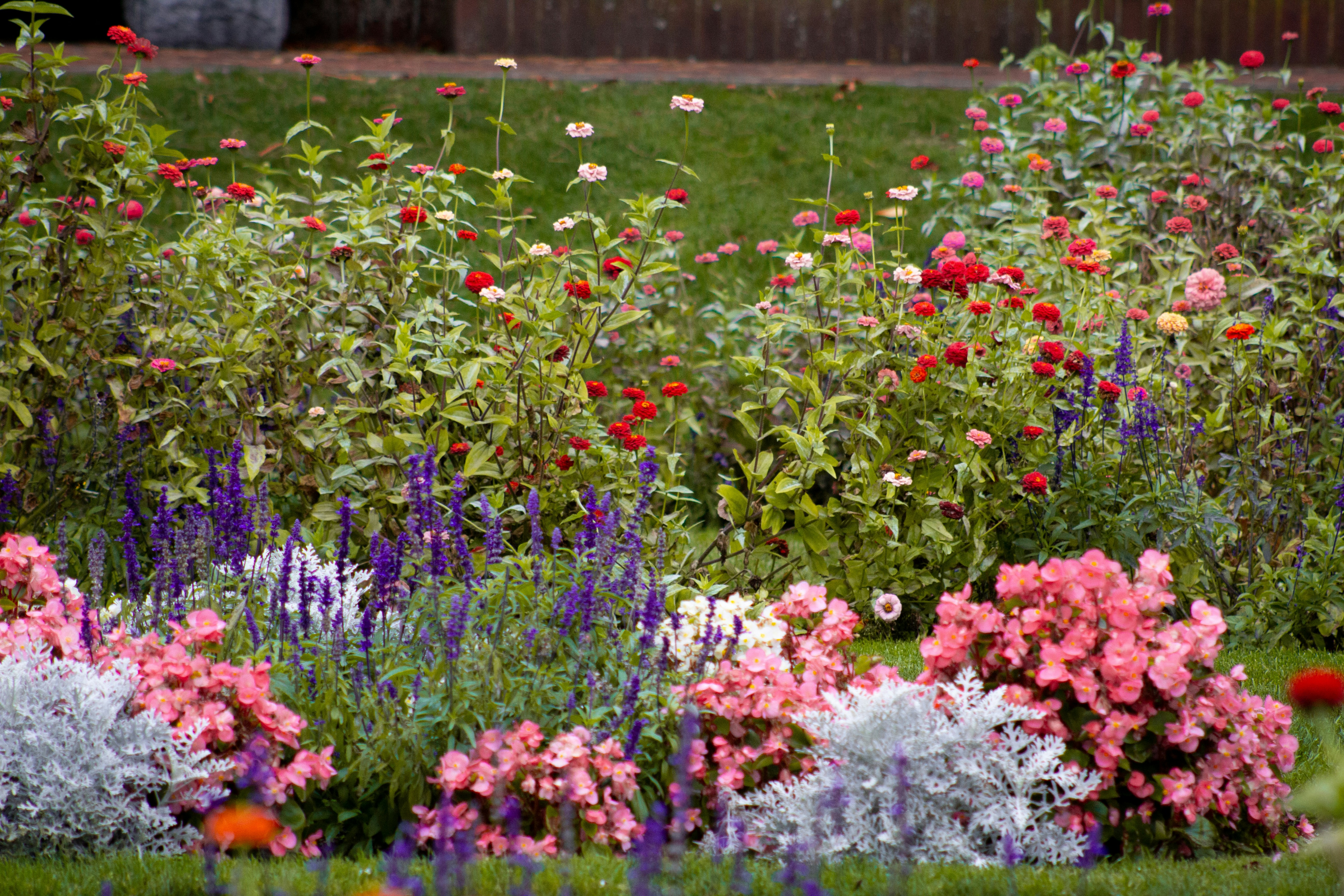
July Gardening Jobs: Your Complete UK Garden Checklist
July is the month the garden peaks - and the month it can quietly fall apart if you look away. Our UK checklist covers watering through restrictions, deadheading, harvesting, what you can still sow, lawn care in a dry spell, hedge cutting and holiday-proofing.
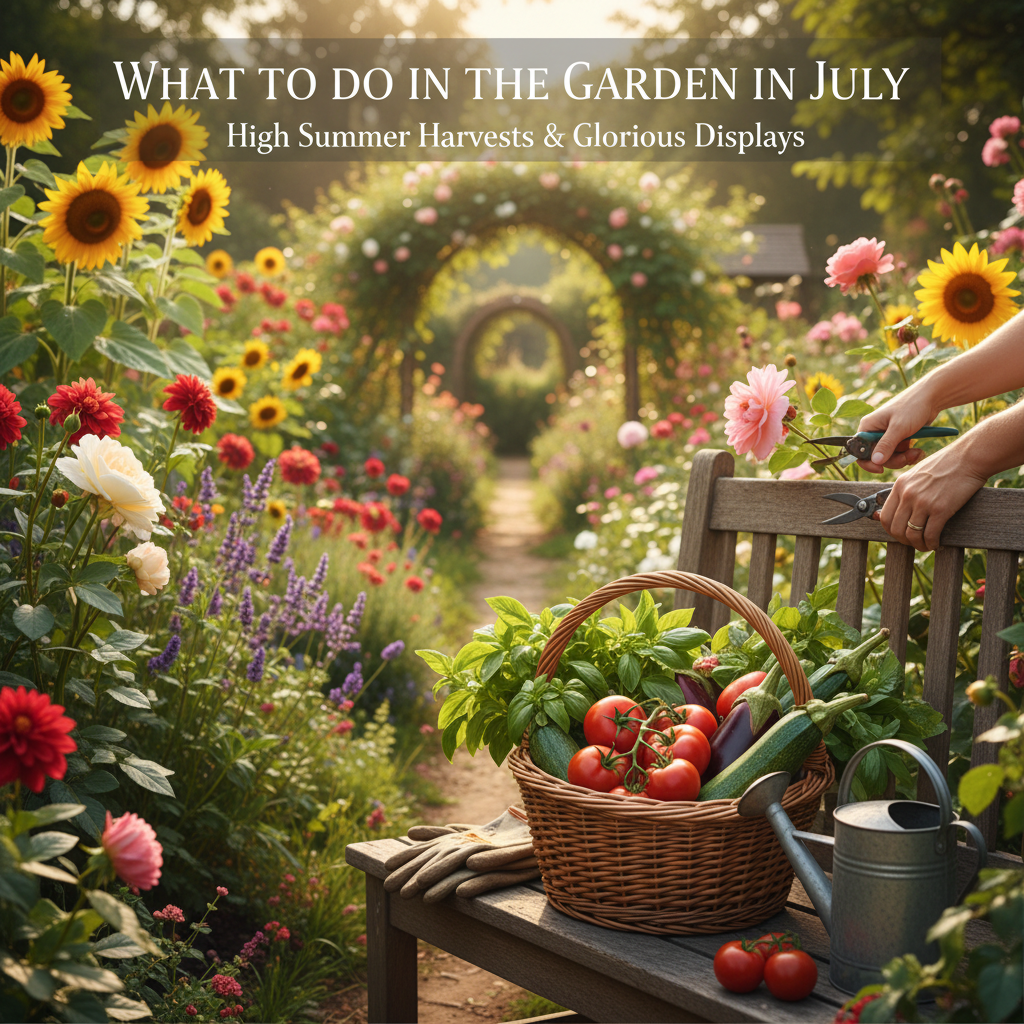
What to Do in the Garden in July
July brings high summer with abundant harvests and glorious displays. Keep on top of watering and deadheading to maintain momentum.
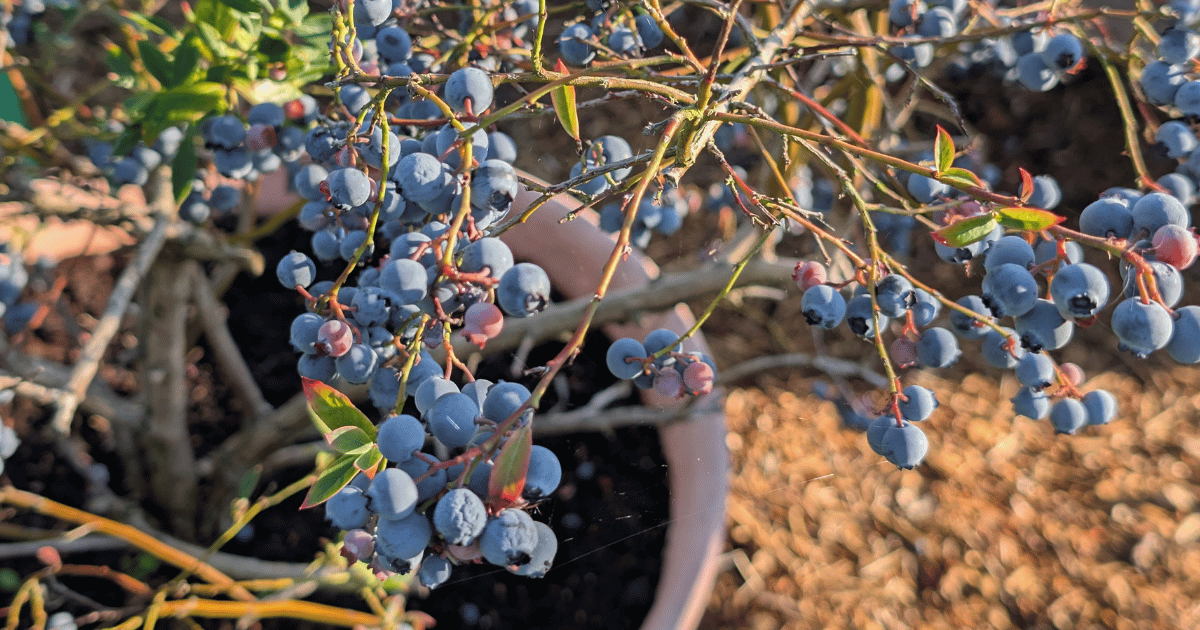
How to Grow Blueberries in the UK: Complete Planting & Care Guide
Blueberries are hardy, near pest-free and crop for 20+ years - but they are fussy about one thing: soil pH. Our complete UK guide covers the best varieties, ericaceous compost, container growing, rainwater, feeding, pruning and harvesting.