
Large Garden Design: Zoning, Sightlines & Low-Maintenance Ideas
A practical guide to planning a large UK garden, from zoning and sightlines to meadows, orchards and the machinery you'll actually need.
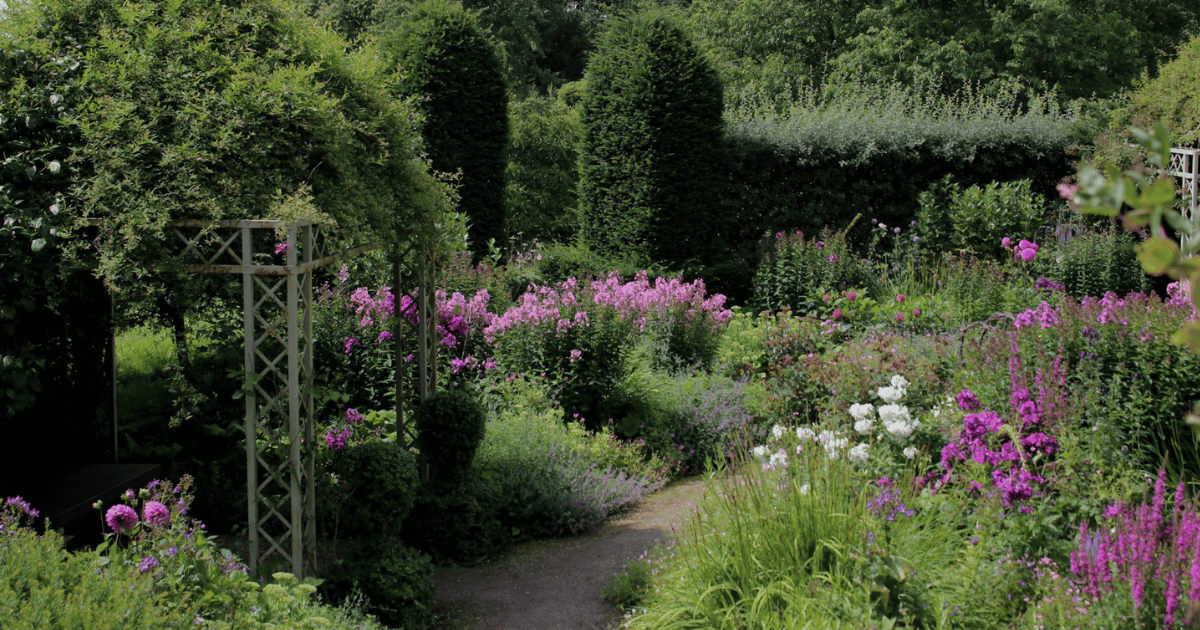
Designing a large UK garden successfully comes down to dividing the plot into clear zones, planning sightlines from the house and key paths, and choosing planting and machinery that keep ongoing maintenance realistic. Meadow and orchard areas, low-maintenance shrub planting, and the right-sized mower or tractor are usually the difference between a large garden that thrives and one that becomes a burden.
Key takeaways
- Divide the garden into zones by function and maintenance level, working outwards from the house.
- Plan sightlines and focal points before planting, so views are framed rather than accidental.
- Convert unused lawn into meadow, orchard or shrub planting to cut mowing time.
- Match machinery to plot size and terrain rather than buying the biggest option available.
- Group plants by soil and water needs to reduce watering and maintenance rounds.
Start with zoning, not planting
The biggest mistake in large gardens is planting before deciding what each area is for. Walk the plot and mark rough zones: a formal or entertaining space near the house, productive areas such as a kitchen garden or orchard, a play or lawn zone, and wilder areas such as meadow, woodland edge or pond. This mirrors advice from the RHS on garden design, which recommends working from the house outward in decreasing formality.
Linking zones with paths and hedges
Once zones are set, connect them with paths that suit their use – mown or paved routes for daily access, mown strips through meadow for occasional wandering. Hedges, whether yew, beech or mixed native species, are excellent for screening one zone from another and can be maintained efficiently with a good hedge trimmer; see our best hedge trimmers UK guide for options suited to longer runs of hedging.
Planning sightlines and focal points
Stand at the kitchen window, the back door and the main terrace, and note what you see. Large gardens benefit from a mix of open views and partially hidden spaces revealed as you walk further out. A specimen tree, sculpture, bench or archway makes an effective focal point at the end of a sightline. Avoid placing large features dead centre on a lawn; slightly off-centre positioning generally reads as more natural.
Meadow and orchard areas
Meadows and orchards are ideal for large plots because they need far less routine attention than mown lawn or dug borders, while supporting significantly more wildlife. A simple approach:
- Choose a spring-flowering meadow (mown once in late summer) or a summer-flowering meadow (left until early autumn) depending on the bulbs and species you want.
- Sow or plant into low-fertility soil; scrape off topsoil if the ground is rich, as wildflowers generally outcompete grass better on poorer soil.
- Introduce plug plants of species such as knapweed, oxeye daisy and yellow rattle to suppress vigorous grasses.
- Underplant a young orchard with the same meadow mix, mowing a ring around each tree base for the first few years.
- Cut and remove arisings after flowering to keep fertility low, as recommended by the Woodland Trust for wildlife-friendly grassland.
Low-maintenance planting for scale
Borders that look wonderful at 20m2 can become unmanageable at 200m2. For large gardens, favour structural shrubs, ground-cover perennials and repeated blocks of a smaller palette of plants rather than intricate mixed borders throughout. See our plants and grow guides hubs for variety-specific advice.
| Area | Suggested planting | Approx. maintenance |
|---|---|---|
| Sunny bank/slope | Lavender, rosemary, ornamental grasses | Low – annual cut back only |
| Shaded woodland edge | Hellebores, ferns, epimedium, bulbs | Low – mulch yearly |
| Formal terrace border | Box alternatives, hydrangeas, roses | Medium – seasonal pruning |
| Open meadow | Native wildflower mix, yellow rattle | Low – one to two cuts a year |
| Orchard understorey | Naturalised daffodils, camassia | Low – mow after foliage dies back |
Choosing the right machinery
Machinery choice should match plot size, slope and the amount of open grass rather than personal preference alone. A ride-on mower or compact tractor with a trailer and towed attachments becomes worthwhile above roughly 1,500m2 of mown grass, while smaller plots are usually served well by a robotic or self-propelled petrol mower; our best lawn mowers UK guide compares options across this range. For hedges and rougher meadow edges, a petrol brushcutter or long-reach trimmer copes better than domestic electric tools.
Seasonal task planning
| Season | Key large-garden tasks |
|---|---|
| Spring | First mow, meadow area left uncut, orchard pruning finished, mulch borders |
| Summer | Regular mowing of formal lawn, meadow paths mown, irrigation checks |
| Autumn | Cut and remove meadow hay, plant bulbs, hedge trimming, leaf clearance |
| Winter | Machinery servicing, structural tree and hedge work, planning changes |
For further seasonal planning across the whole garden, our seasonal guide hub breaks tasks down month by month, and the garden design hub covers layout principles in more depth.
The bottom line
A large UK garden becomes manageable, not overwhelming, once it is zoned by function, planned around clear sightlines, and planted with scale in mind. Letting meadow and orchard areas do more of the work, choosing a repeated low-maintenance plant palette, and matching machinery to the actual mowing and hedge workload will keep a big plot enjoyable rather than exhausting.
Frequently Asked Questions
How do I make a large garden low maintenance?
What is garden zoning?
How big a lawn mower do I need for a large garden?
When should I cut a wildflower meadow?
How do I plan sightlines in a large garden?
Tags
Comments
Join the conversation
Create a free account to leave comments, share photos, and connect with other gardeners.
Related Articles
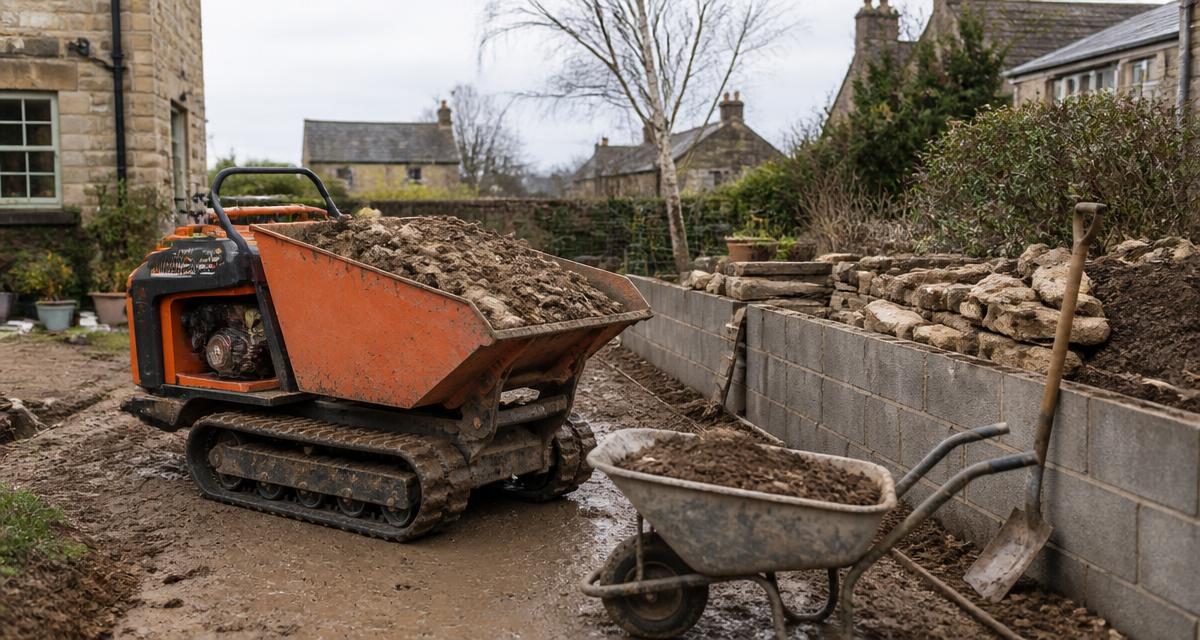
Top 10 Mini Dumpers for 2026: Best Tracked & Wheeled Models Tested
The best mini dumpers for UK buyers in 2026, ranked: Hyundai HYTD500, Altrad Belle BMD300, Clarke CDT300 and more tracked and wheeled models compared.

Clarke CDT300 Review: 300kg Petrol Dumper Truck Tested
Hands-on review of the Clarke CDT300 300kg petrol dumper truck: payload, traction, tipping, running costs and whether this £900 mini dumper beats hiring.
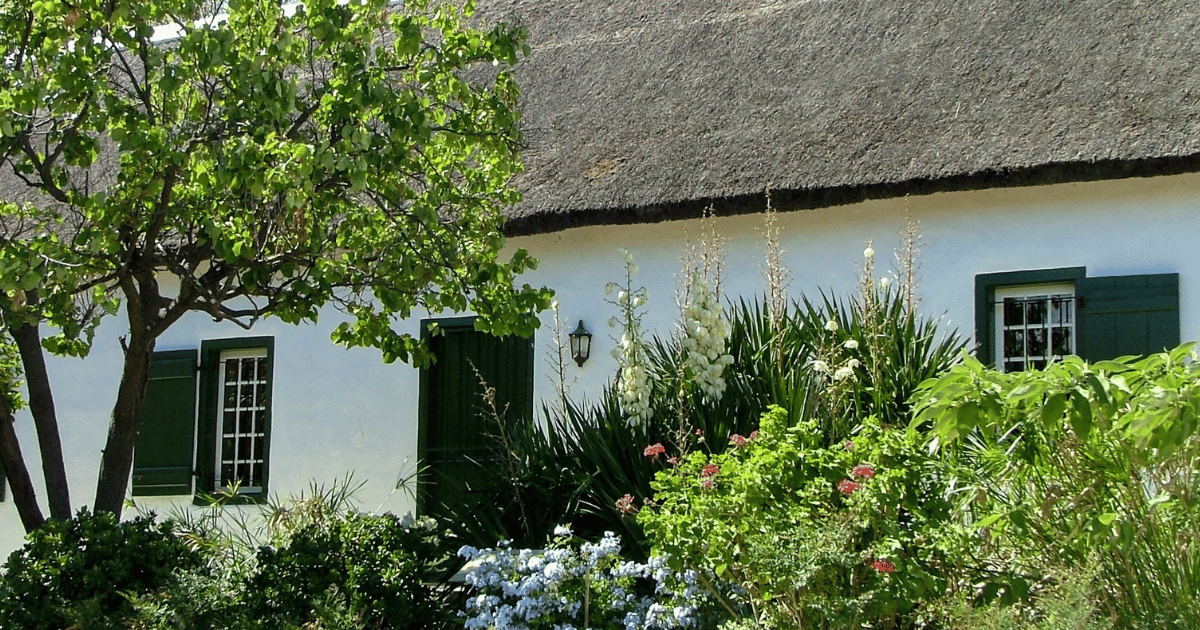
Front Garden Design Ideas UK: Kerb Appeal & Parking Rules
Practical UK front garden ideas balancing kerb appeal, parking needs and planning rules, with low-maintenance planting and security tips.
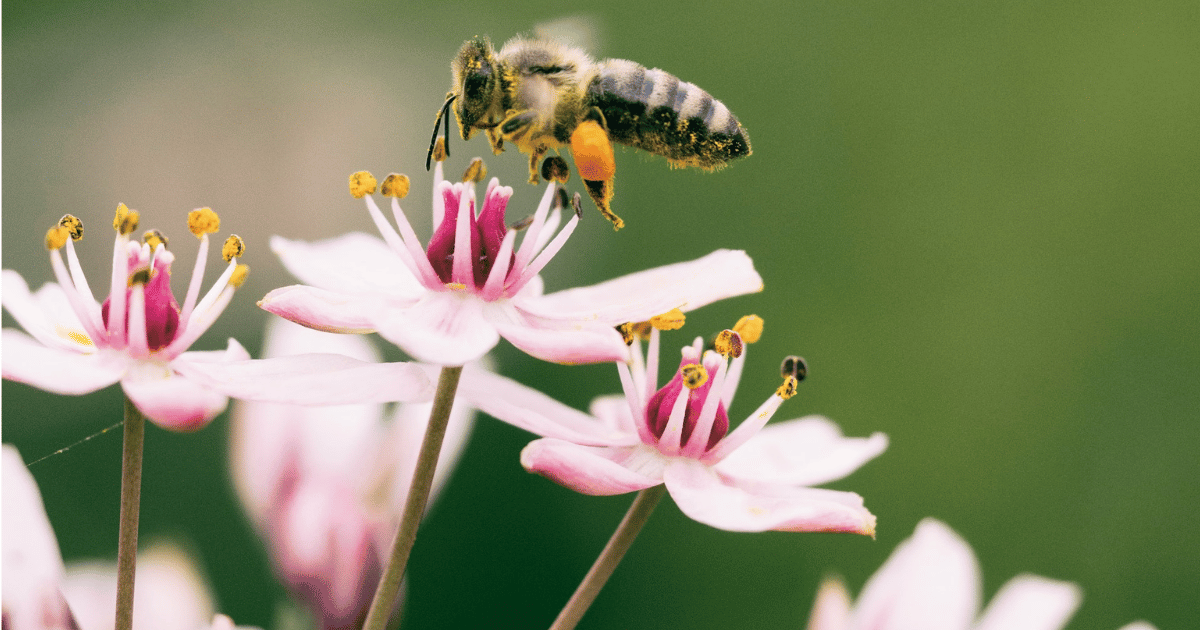
How to Design a Pollinator-Friendly Garden in the UK
A UK guide to designing a pollinator-friendly garden, with season-by-season plant choices, nesting habitat tips, and pitfalls to avoid.
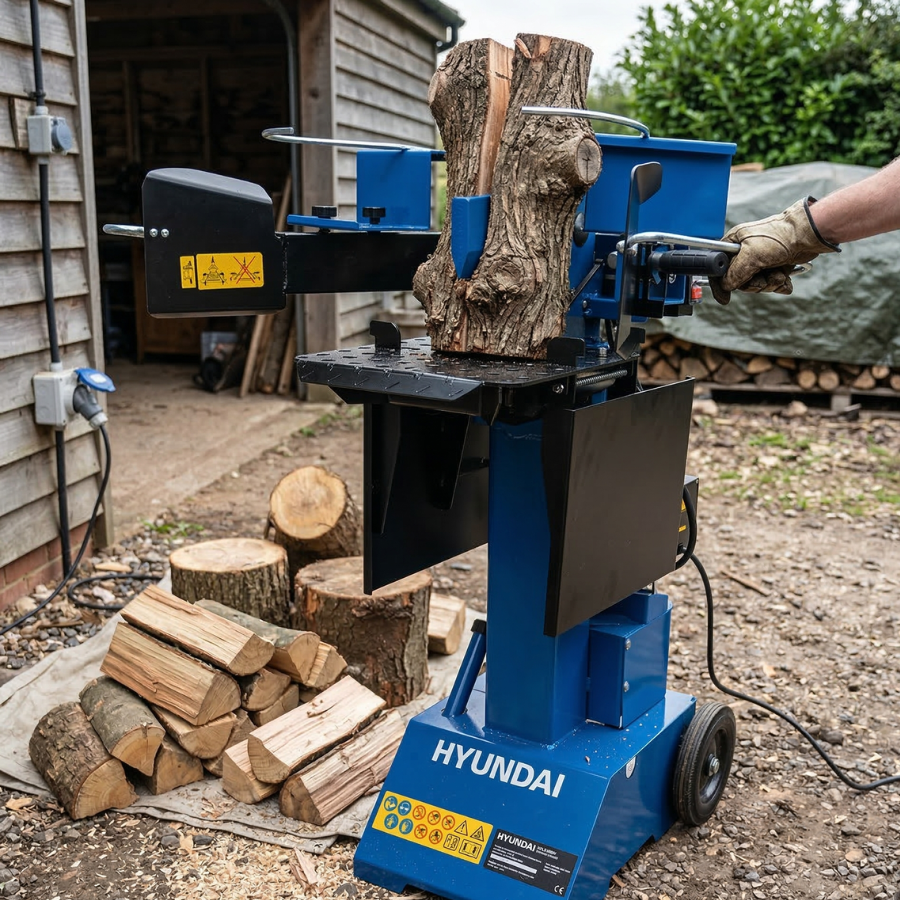
Hyundai HYLS8000V Log Splitter: A UK Gardener's In-Depth Review
The Hyundai HYLS8000V 8-tonne electric log splitter is a serious contender for converting large quantities of timber into usable firewood. In this comprehensive UK review, we delve into its performance, features, safety, and overall value, helping you decide if this robust machine is the ideal choice for your garden or smallholding.

Top 10 Evergreen Shrubs for Year-Round Interest in UK Gardens
Discover the best evergreen shrubs for UK gardens. From winter blooms to structural foliage, learn how to maintain year-round colour and structure in your borders.