
How to Create a Low-Maintenance Courtyard Garden: UK Guide
Discover how to design a stunning, low-maintenance courtyard garden in the UK. Expert tips on porcelain paving, top evergreen plants, and automated care.
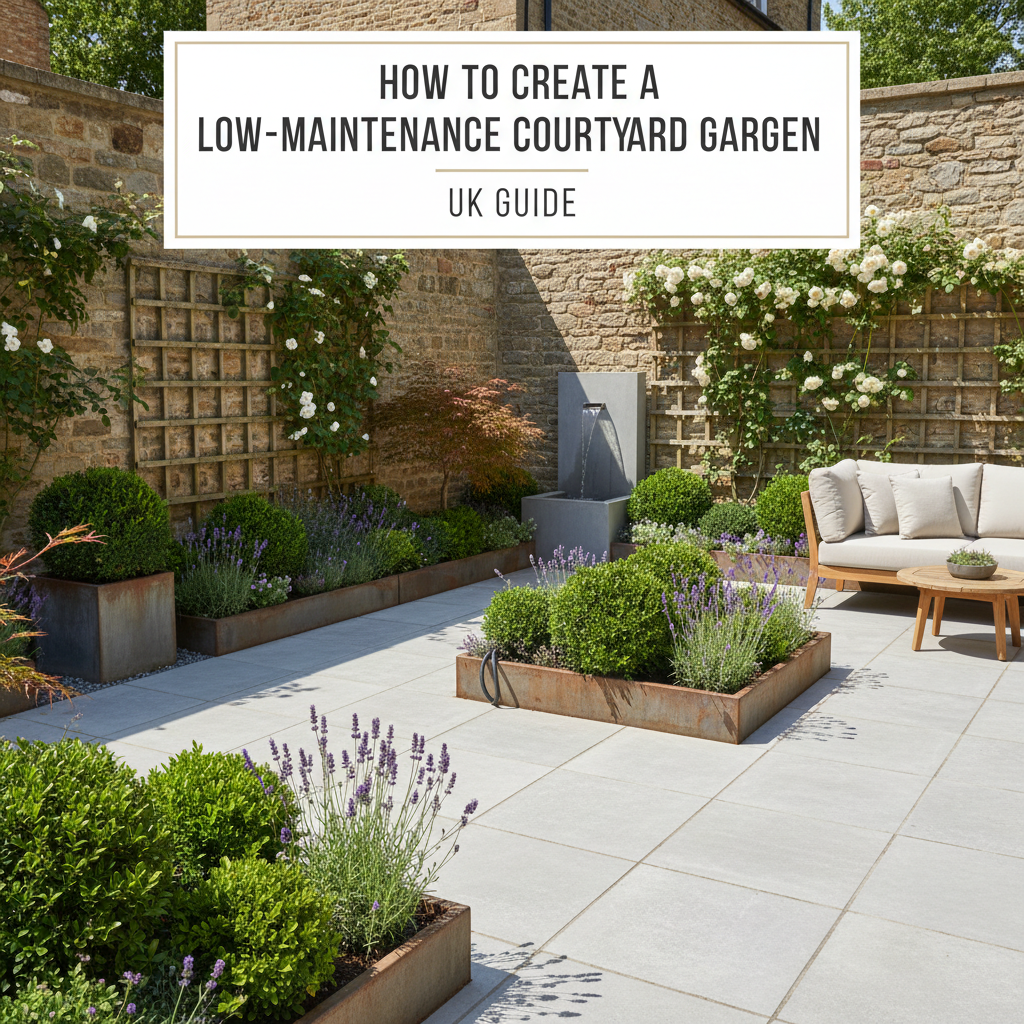
How to Create a Low-Maintenance Courtyard Garden (UK Complete Guide)
To create a low-maintenance courtyard garden in the UK, prioritise porcelain paving, evergreen architectural plants, and automated irrigation. This guide explains the best materials, plants, layouts, and seasonal routines to achieve a stylish outdoor space with minimal upkeep.
Quick Summary: Key Takeaways
- Best Surface: Porcelain paving resists algae, stains, and frost.
- Best Plants: Fatsia japonica, Sarcococca, and Star Jasmine.
- Smart Layout: Hard landscaping reduces weeding and mowing.
- Essential Upgrade: Drip irrigation on a timer.
- Maintenance Schedule: Just two main tidy-ups per year (March & October).
Why Choose a Low-Maintenance Courtyard Garden?
The UK’s damp, changeable climate makes traditional lawns and flower beds time-consuming. A courtyard garden replaces high-effort features with hard landscaping and evergreen structure, creating a usable outdoor “room” all year round.
By eliminating lawns and annual bedding plants, many homeowners reduce garden work by up to 80%.
Best Materials for a Low-Maintenance Courtyard Patio
1. Porcelain Paving (Best Overall)
Porcelain paving is non-porous, meaning it absorbs virtually no water. This makes it ideal for the UK, where moss and algae thrive on natural stone.
- Resistant to moss, lichen, and algae
- Slip-resistant and frost-proof
- Requires only occasional cleaning
2. Sealed Natural Sandstone
Indian sandstone offers a softer, traditional look but must be sealed to prevent staining.
Expert tip: Use a breathable sealant to stop black spot lichen.
3. Composite Decking
Composite decking outperforms timber in the UK climate. It won’t rot, warp, or require annual treatment.
| Material | Maintenance | Durability | Style |
|---|---|---|---|
| Porcelain | Very Low | 20+ years | Modern |
| Composite Decking | Low | 15–25 years | Contemporary |
| Sandstone | Medium | 30+ years | Traditional |
Best Low-Maintenance Plants for UK Courtyards
Choose plants with the RHS Award of Garden Merit (AGM) for reliability in UK conditions.
Evergreen Structural Plants
- Fatsia japonica: Thrives in shade with bold, glossy foliage.
- Taxus baccata: Neat, architectural, and needs just one trim a year.
- Sarcococca confusa: Perfect for dry shade with winter fragrance.
Climbers for Vertical Space
- Trachelospermum jasminoides: Evergreen, scented, and wall-friendly.
- Hydrangea petiolaris: Ideal for north-facing walls.
Low-Work Perennials
- Liriope muscari: Grass-like and virtually indestructible.
- Heuchera: Year-round colour with no deadheading.
How to Design a Small Courtyard for Minimal Work
The Big Pot Rule
Large containers retain moisture longer and reduce watering frequency. Aim for pots at least 50cm wide.
Built-In Raised Planters
Raised planters reduce weed invasion and allow full control of soil quality.
Automated Drip Irrigation
A battery-powered timer and drip hose system removes daily watering chores in summer.
Step-by-Step Courtyard Garden Setup
- March: Install paving with correct drainage fall.
- April–May: Plant evergreen structure and mulch containers.
- June: Set irrigation timers (early morning watering).
- October: Clean paving and reposition tender plants.
Frequently Asked Questions
What is the lowest-maintenance courtyard surface?
Porcelain paving due to its near-zero water absorption.
Can you have a low-maintenance garden without a lawn?
Yes. Removing lawns eliminates mowing, edging, and feeding entirely.
What are the best small trees for UK courtyards?
Amelanchier lamarckii and Acer palmatum are slow-growing and easy to manage.
Conclusion
A low-maintenance courtyard garden is about smart choices. Porcelain paving, evergreen plants, and automated watering create a calm, stylish outdoor space that thrives in the UK climate with minimal effort.
Tags
Comments
Join the conversation
Create a free account to leave comments, share photos, and connect with other gardeners.
Related Articles
Winter Garden Tidying
Winter might seem like a quiet time in the garden, but it's crucial for laying the groundwork for a spectacular spring and summer. This guide provides UK gardeners with actionable advice on essential winter tidying tasks, from preparing your soil to maintaining tools and creating a pest-free environment.
Winter Lawn Care UK: Your Essential Guide to a Resilient Lawn
Ensuring your lawn thrives through the UK's colder months requires specific preparation. This guide from Garden-Review provides essential, actionable advice to safeguard your lawn against winter stresses, from correct autumnal mowing to combating common issues like moss and fungal diseases, guaranteeing a vibrant return in spring.

How to Grow Perfect, Straight Carrots in UK Soils
Master the art of growing crunchy, straight carrots in your UK garden. From avoiding carrot fly to soil prep, here is everything you need for success.
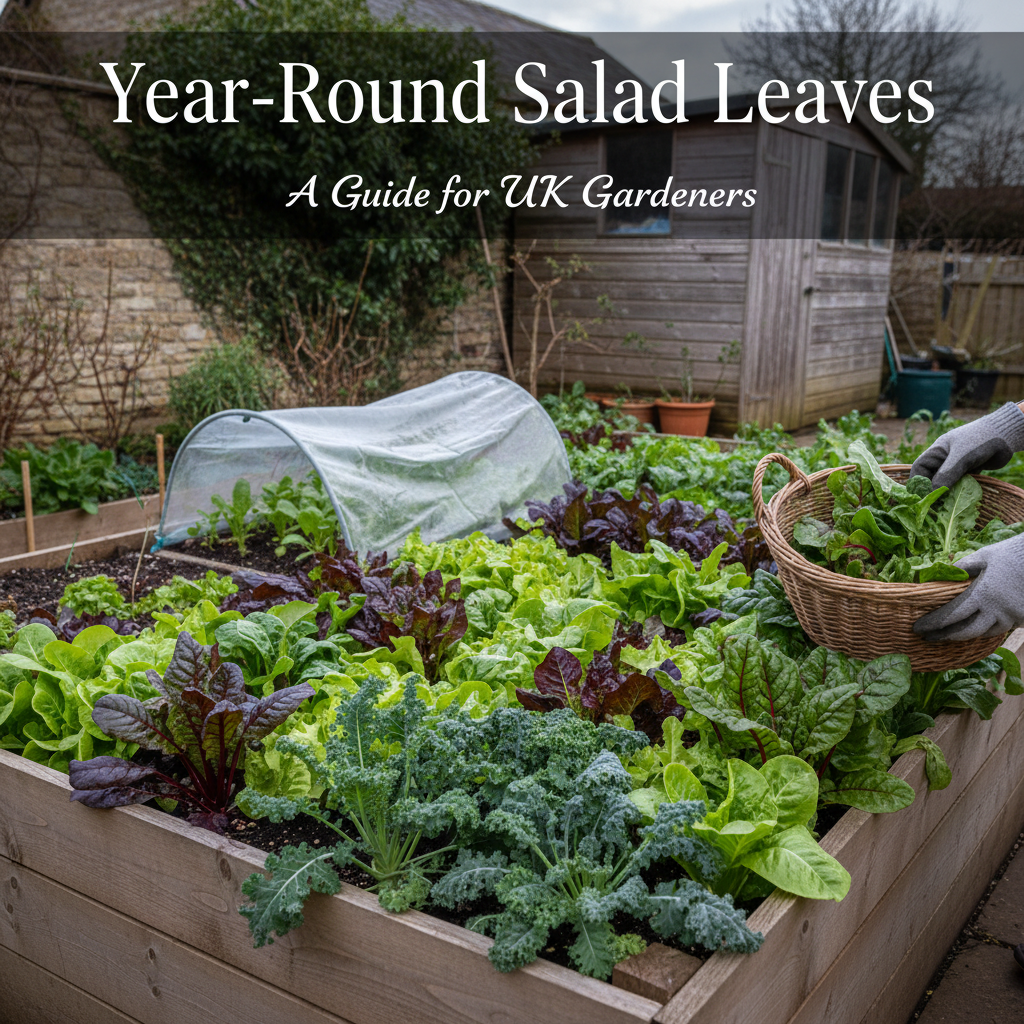
Year-Round Salad Leaves: A Guide for UK Gardeners
Discover how to grow fresh, organic salad leaves in your UK garden all year round. Expert tips on varieties, sowing schedules, and winter protection.
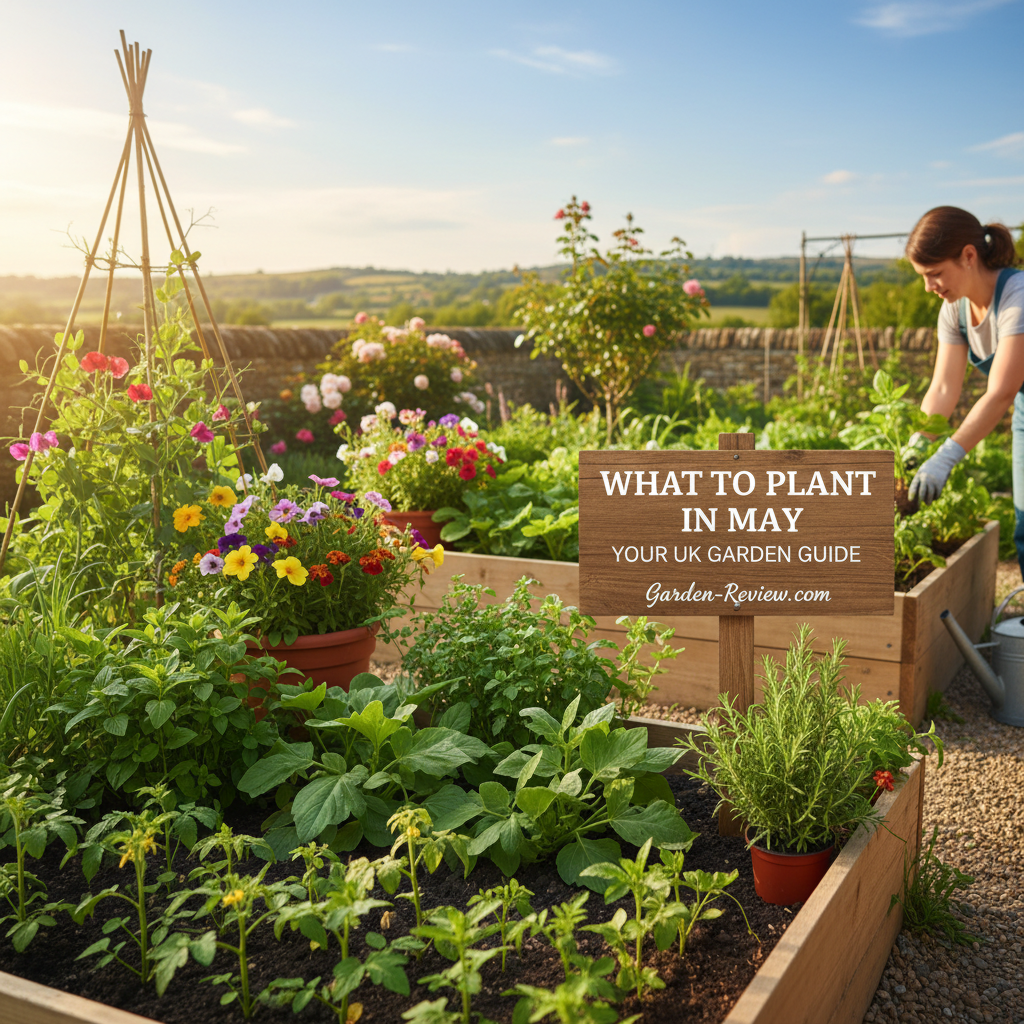
What to Plant in May: Your UK Garden Guide
May is a pivotal month in the UK gardening calendar, marking the true arrival of warmer weather and the departure of late frosts across much of the nation. This comprehensive guide from Garden-Review will help you get the most out of your garden, detailing exactly what vegetables, herbs, flowers, and fruits you can confidently sow and plant for a bountiful year.

Autumn Lawn Care
Autumn is a pivotal time for your lawn's health, laying the groundwork for a lush, disease-resistant turf next spring. This comprehensive guide covers all essential tasks for UK gardeners, from tailored feeding regimes to effective moss and weed control, ensuring your lawn thrives through the colder months.