
Choosing and Planting Ornamental Trees for Small Gardens
Transform your outdoor space with the best ornamental trees for small gardens. Expert advice on UK varieties, planting techniques, and seasonal care.
Key takeaways
- Many UK gardeners believe that their outdoor space is too small to accommodate a tree.
- For a small garden, you should look for trees that offer at least two—if not three—seasons of interest (e.g., spring blossom, summer fruit, and fiery autumn colour).
- In the UK, the best time to plant a tree is during the dormant season , which typically runs from November to March .
- Clear a circle of at least one metre in diameter of all grass and weeds.
- Even after a rainy winter, a dry spell in April or May can kill a newly planted tree.

Introduction: The Power of a Small Tree
Many UK gardeners believe that their outdoor space is too small to accommodate a tree. Whether you have a compact urban courtyard in London or a modest suburban plot in the Midlands, the right tree can be the most valuable investment you make.
In the UK, trees provide more than just aesthetic beauty; they offer vital habitats for local wildlife, contribute to carbon sequestration, and provide structural interest during our long, grey winters. Selecting a tree for a restricted space requires careful thought, focusing on ultimate height, spread, and multi-seasonal interest. This guide will walk you through the best varieties for British gardens and how to plant them for long-term success.
Choosing the Right Tree for Your Space
When space is at a premium, every plant must work hard. For a small garden, you should look for trees that offer at least two—if not three—seasons of interest (e.g., spring blossom, summer fruit, and fiery autumn colour).
Ornamental Cherries (Prunus)
For a spectacular spring display, few can rival the Prunus genus. For small gardens, the Prunus 'Amanogawa' (the Japanese Flowering Cherry) is a top recommendation. It has a pillar-like, fastigiate growth habit, meaning it grows upwards rather than outwards, making it perfect for tight corners.
Japanese Maples (Acer palmatum)
Acers are the royalty of the small garden. Varieties like 'Sango-kaku' (the Coral Bark Maple) provide stunning winter interest with their bright pink stems, even after the golden autumn leaves have fallen. They are slow-growing and perfectly suited to large containers if you have a patio garden.
Crab Apples (Malus)
If you want to support UK pollinators, the Crab Apple is a fantastic choice. Malus 'Evereste' is particularly well-suited to British climates. It offers clouds of white blossom in spring, followed by bright orange-red fruits that persist well into winter, providing food for birds like fieldfares and redwings.
Rowans (Sorbus)
The native Sorbus aucuparia might grow a bit large for a tiny plot, but its compact cousin, Sorbus 'Joseph Rock', is ideal. It features delicate, feathery foliage that turns deep purple and red in autumn, contrasted against clusters of amber-yellow berries.
When to Plant: Timing for the UK Climate
In the UK, the best time to plant a tree is during the dormant season, which typically runs from November to March.
- Bare-root trees: These are often cheaper and are only available from late autumn to early spring. They should be planted as soon as they arrive, provided the ground isn't frozen or waterlogged.
- Pot-grown trees: These can technically be planted year-round, but avoid the height of summer. If you plant in June or July, you will need to be incredibly diligent with watering, as the young roots will struggle to establish in dry soil.
- Expert Tip: Aim for October or November. The soil still retains some summer warmth, which encourages root growth before the deep winter chill sets in, giving the tree a head start for spring.
Step-by-Step Guide to Planting Your Tree
Success starts with the hole. Follow these steps to ensure your tree thrives for decades.
1. Preparing the Site
Clear a circle of at least one metre in diameter of all grass and weeds. This reduces competition for nutrients and moisture. Dig a hole that is no deeper than the tree's root ball but at least twice as wide. Square holes are often recommended by UK experts as they encourage roots to grow out into the corners and penetrate the surrounding soil rather than spiralling.
2. Mycorrhizal Fungi
When planting in UK soils, especially if they are heavily cultivated or depleted, add a sprinkle of Mycorrhizal fungi (such as Rootgrow) directly to the roots. This biological additive forms a symbiotic relationship with the tree, dramatically increasing its ability to take up water and nutrients.
3. Planting Depth
This is the most common mistake made by home gardeners. Look for the 'flare'—the point where the trunk meets the roots. This should be level with the soil surface. Planting too deep can cause the trunk to rot, while planting too shallow can cause the roots to dry out.
4. Backfilling and Firming
Refill the hole with the soil you dug out. You don't need to add a lot of rich compost to the hole itself; you want the tree to get used to the natural soil of your garden. Firm the soil gently with your heel to remove air pockets, but don't compact it so much that water can't penetrate.
5. Staking and Protection
For most ornamental trees in the UK, a short stake driven in at a 45-degree angle is sufficient. This secures the root ball while allowing the trunk to flex in the wind, which actually helps strengthen the tree. Use a flexible rubber tie.
Essential Aftercare for the First Two Years
A tree is not 'plant and forget'. The first two years are critical.
Watering
UK weather can be unpredictable. Even after a rainy winter, a dry spell in April or May can kill a newly planted tree. Apply at least two large buckets of water per week during the first two growing seasons. On hot summer days, you may need to increase this.
Mulching
Apply a 5-8cm layer of organic matter (woodchips, well-rotted manure, or leaf mould) around the base of the tree every spring. Ensure the mulch does not touch the trunk itself, as this can trap moisture and cause bark disease. Mulching suppresses weeds and locks in vital soil moisture.
Pruning Basics
Most ornamental trees require very little pruning. However, you should remove the 'Three Ds': Dead, Damaged, or Diseased wood. For most deciduous trees, do this in winter. For Prunus species (Cherries), always prune in mid-summer to avoid the risk of Silver Leaf disease.
Soil and Aspect: Matching Tree to Site
Before you buy, you must understand your garden's conditions:
- Clay Soils: Common in many parts of the UK. Choose Crab Apples or Hawthorns (Crataegus), which can tolerate the heavy, occasionally waterlogged conditions of a British winter.
- Sandy/Chalky Soils: These drain quickly. Birches (Betula) or Rowans are often more resilient here.
- Shady Gardens: If your garden is overshadowed by buildings, try Amelanchier lamarckii. It is remarkably tolerant of dappled shade and offers beautiful white star-shaped flowers.
- Exposed/Windy Sites: Avoid large-leaved Acers as the wind will tatter the foliage. Opt for the hardy Hawthorn 'Paul's Scarlet' which can withstand a bit of a battering.
Dealing with Common UK Tree Pests and Diseases
While trees are generally hardy, the UK gardener should look out for a few specific issues:
- Aphids: Common on young shoots in spring. Usually, ladybirds will take care of them, but you can blast them off with a garden hose.
- Honey Fungus: A serious issue in many older UK gardens. If you know you have honey fungus, choose resistant species like Yew (Taxus baccata) or Liquidambar.
- Apple Scab: Can affect Malus varieties. Ensure good air circulation through the canopy to prevent the fungal spores from settling.
Summary: A Legacy in the Making
Planting a tree is one of the most rewarding tasks in gardening. By choosing a variety suited to the UK's temperate climate and paying close attention to planting depth and early watering, you can create a centerpiece that provides beauty for you and a home for nature. Whether it's the fiery leaves of an Acer in October or the delicate blossom of a Cherry in April, a small tree brings a sense of permanence and seasonal rhythm to even the smallest British garden.
Quick Reference Planting Calendar
| Season | Task |
|---|---|
| Autumn (Oct-Nov) | Peak Planting Time. Best soil conditions for root establishment. |
| Winter (Dec-Feb) | Pruning & Planning. Order bare-root trees. Prune most deciduous trees (except stone fruits). |
| Spring (Mar-May) | Mulching & Feeding. Apply organic mulch. Begin regular watering of new trees. |
| Summer (Jun-Aug) | Watering. Critical period for trees planted within the last two years. |
Tags
Comments
Join the conversation
Create a free account to leave comments, share photos, and connect with other gardeners.
Related Articles

How to Grow Acers: Complete UK Care Guide for Japanese Maples
Japanese maples reward UK gardeners with spectacular foliage colour, provided they are given shelter from wind and harsh sun and consistently moist, well-drained soil.

Choosing and Growing the Best Clematis for UK Gardens
Discover how to grow beautiful Clematis in the UK. This guide covers pruning groups, seasonal care, and the best varieties for vertical interest in your garden.
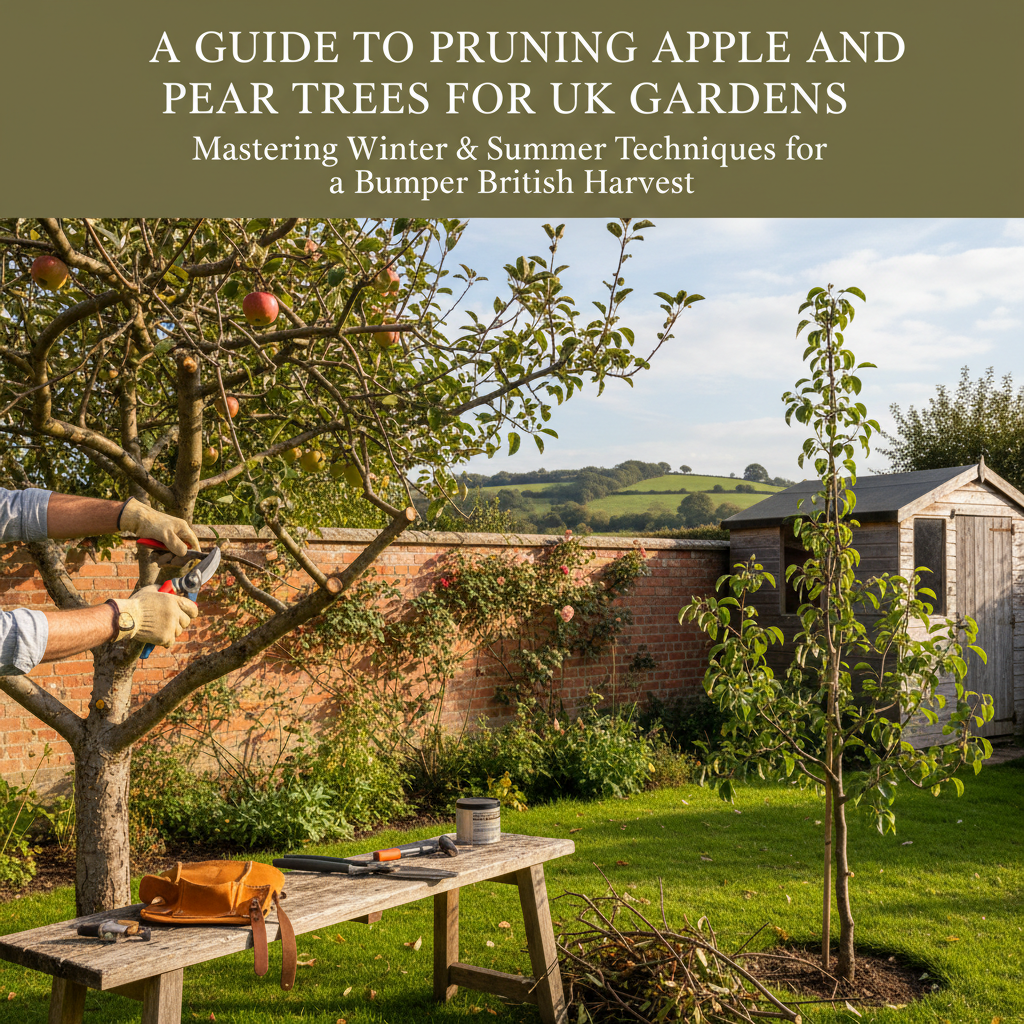
A Guide to Pruning Apple and Pear Trees for UK Gardens
Master the art of winter and summer pruning for apple and pear trees. Our guide covers timing, techniques, and tool care for a bumper British fruit harvest.

Can You Grow Pomegranate Trees in the UK?
Pomegranate trees can grow in the UK, particularly in warmer, sheltered areas, but fruiting is inconsistent and depends on climate.
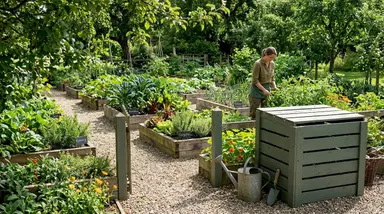
What is a kitchen garden layout: a UK guide
Discover what a kitchen garden layout is and how to design one for easy access to fresh herbs and veggies right at home. Start growing today!
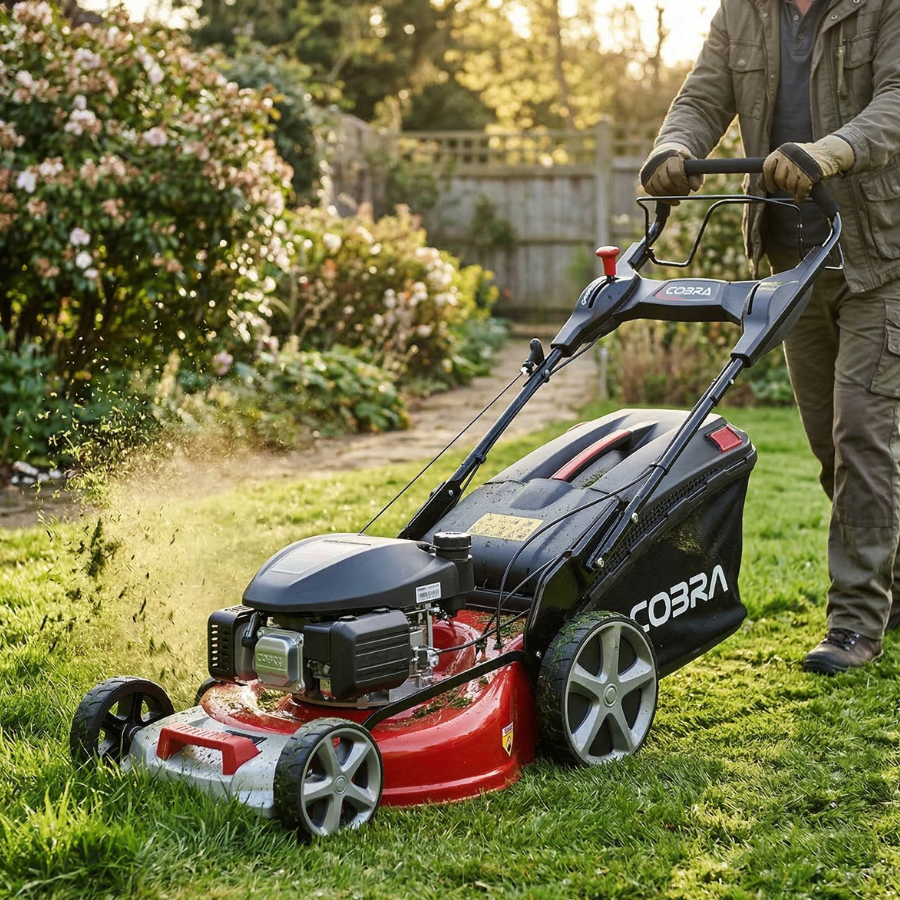
Cobra MX534SPH Review: UK Gardener's Guide
The Cobra MX534SPH is a popular petrol lawnmower among UK gardeners, boasting a powerful Honda GCVX170 engine and versatile 4-in-1 cutting options. Our in-depth review explores its suitability for various British lawn types, from suburban plots to expansive country gardens, providing specific insights, practical advice, and comparisons to help you make an informed decision.