
Dry Gardening Guide: Thriving in a Warming UK Climate
Discover how to create a stunning, drought-tolerant garden in the UK. Expert advice on xeriscaping, water-wise plants, and soil health for a resilient landscape.
Key takeaways
- For generations, the British gardener’s greatest foe was the persistent drizzle.
- Before you head to the garden centre, the most important work happens beneath your feet.
- To build a resilient border, look for plants with specific adaptations: silvery foliage (which reflects sunlight), hairy leaves (which trap moisture), or thick, fleshy leaves (which store water).
- To ensure your drought-tolerant garden succeeds, timing is everything.
- Aside from plant choice, how you manage your garden makes a huge difference to its resilience.

Embracing the Change: The Rise of the UK Dry Garden
For generations, the British gardener’s greatest foe was the persistent drizzle. However, as our climate shifts, we are increasingly facing longer, hotter summers and unpredictable periods of drought. From the sun-baked terraces of Kent to the increasingly dry pockets of East Anglia, the concept of 'xeriscaping'—gardening with little to no supplemental water—is no longer just for Mediterranean landscapes.
Creating a drought-tolerant garden in the UK isn't about replacing your lawn with a sea of gravel and three lonely cacti; it’s about choosing resilient plants that thrive in our specific conditions while requiring minimal intervention. This guide will walk you through the principles of water-wise gardening, the best species for the UK climate, and how to maintain a lush, vibrant space even when a hosepipe ban looms.
The Foundations of a Drought-Proof Garden
Before you head to the garden centre, the most important work happens beneath your feet. A drought-tolerant garden is built on healthy soil and smart design.
Soil Preparation and the Power of Mulch
Counter-intuitively, the best way to help plants survive a dry spell is to ensure the soil can hold onto what little moisture it receives. Adding well-rotted organic matter—such as garden compost or leaf mould—improves soil structure. In sandy soils, it adds water-holding capacity; in heavy clay, it improves drainage, preventing the roots from rotting during our wet winters (the 'other' side of the UK climate challenge).
Expert Tip: Apply a thick layer of mulch (5-7cm) in late spring. Use woodchips, bark, or gravel. This acts as a lid on the soil, reducing evaporation by up to 70% and suppressing weeds that would otherwise compete for water.
The Right Plant, The Right Place
Observe your garden’s microclimates. A south-facing wall will be significantly hotter and drier than a spot under a north-facing fence. Grouping plants with similar water needs together—a technique known as 'hydrozoning'—ensures you aren't overwatering your lavender just to keep a nearby hydrangea happy.
Top Plant Picks for UK Drought Tolerance
To build a resilient border, look for plants with specific adaptations: silvery foliage (which reflects sunlight), hairy leaves (which trap moisture), or thick, fleshy leaves (which store water).
1. The Structural Stars
- Cotinus coggygria (Smoke Bush): Species like ‘Royal Purple’ offer stunning deep-red foliage and are incredibly tough once established.
- Arbutus unedo (Strawberry Tree): An evergreen hero that tolerates dry coastal winds and poor soil.
- Pinus mugo (Dwarf Mountain Pine): Slow-growing and architectural, these need almost zero water once their roots are down.
2. The Perennial Backbone
- Verbena bonariensis: A staple of the modern British border. Its tall, wiry stems and purple clusters love the heat and provide height without shading out smaller neighbours.
- Eryngium (Sea Holly): Try Eryngium bourgatii for its striking blue, metallic flowers and thistle-like foliage. It thrives in poor, well-drained soil.
- Sedum (Stonecrop): Varieties like ‘Autumn Joy’ (now Hylotelephium) provide late-summer colour and are virtually indestructible.
- Stachys byzantina (Lamb’s Ears): The soft, woolly silver leaves are a classic indicator of drought tolerance.
3. Ornamental Grasses
Grasses add movement and texture, and many are incredibly water-efficient.
- Stipa tenuissima (Mexican Feather Grass): This fine, blonde grass catches the slightest breeze and glows in the summer sun.
- Festuca glauca (Blue Fescue): Perfect for the front of a border or in containers, forming neat blue-grey mounds.
Seasonal Timing: A UK Calendar for Dry Gardening
To ensure your drought-tolerant garden succeeds, timing is everything. In the UK, the goal is to get plants established during the cooler, wetter months so they have a deep root system before the summer heat hits.
Autumn (September – November)
This is the golden window for planting. The soil is still warm from summer, but the autumn rains provide the moisture needed for roots to settle. Planting now gives your shrubs and perennials six months of root growth before they face their first summer.
Spring (March – May)
If you missed the autumn window, early spring is the next best time. Focus on mulching now. As the soil begins to warm, a thick layer of organic mulch will lock in the winter moisture before the sun can bake it away.
Summer (June – August)
This is the time for observation. Even drought-tolerant plants need watering during their first year. Water deeply and infrequently—once a week, a thorough soak is better than a daily sprinkle. This encourages roots to grow downwards in search of water rather than staying near the surface.
Winter (December – February)
Check for ‘winter wet.’ Many drought-tolerant plants, especially Mediterranean herbs like Rosemary and Thyme, will die in waterlogged soil. Ensure your pots are raised on 'pot feet' and improve drainage in heavy soil areas.
Expert Techniques for Water Conservation
Aside from plant choice, how you manage your garden makes a huge difference to its resilience.
The 'Minder' Plant Strategy
When establishing a new dry border, use 'pioneer' plants—fast-growing, short-lived species like Calendula or Nigella—to provide temporary shade for the soil and the base of young permanent plants. This mimics natural succession and keeps the soil cool.
Intelligent Irrigation
If you must water, do it at the crack of dawn or in the late evening. Watering in the heat of the day leads to massive losses through evaporation. Consider installing a leaky hose system buried under the mulch; this delivers water directly to the roots where it is needed most.
The Gravel Garden Approach
Inspired by the late Beth Chatto, the gravel garden is the pinnacle of UK dry gardening. By replacing a lawn with a deep layer of gravel (at least 10cm), you create an environment where plants self-seed freely. The gravel acts as a permanent mulch, keeping roots cool and preventing the collar of the plant from rotting in winter.
Creating a Mediterranean Herb Garden
One of the most practical ways to embrace drought-tolerance is through a dedicated herb garden. Most of our favourite culinary herbs—Rosemary, Thyme, Oregano, and Sage—originate from the rocky, dry hillsides of the Mediterranean.
- Design Tip: Build a raised bed or a 'herb spiral' using old bricks or stones. This ensures excellent drainage.
- UK Advice: Lavender is a must, but choose Lavandula angustifolia (English Lavender) over Lavandula stoechas (French Lavender) for better frost hardiness in northern UK regions.
Common Pitfalls to Avoid
- Over-feeding: Avoid high-nitrogen fertilisers. They encourage lush, soft growth that is the first to wilt in a drought. Use slow-release organic fertilisers instead.
- Neglecting the First Year: No plant is drought-tolerant the day it is planted. It takes at least one full growing season for a plant to establish the root system required to survive on its own.
- Tidying Too Early: Leave spent flower heads and foliage over winter. They provide a layer of protection for the crown of the plant against frost and help trap moisture.
Summary: A Resilient Future
Gardening in a drying climate shouldn't be seen as a limitation, but as an opportunity to experiment with new textures, silvers, and structural forms. By focusing on soil health, choosing the right species like Verbena and Stipa, and planting in the autumn, you can create a garden that remains a lush sanctuary even in the driest of British summers.
Remember, a drought-tolerant garden is not just about survival; it’s about creating a landscape that works in harmony with the changing environment. Start small, mulch heavily, and watch your garden thrive where others wither.
Tags
Comments
Join the conversation
Create a free account to leave comments, share photos, and connect with other gardeners.
Related Articles

How to Grow Citrus Trees in the UK: A Complete Guide
Discover how to grow lemons, limes, and oranges in the UK climate. Learn about overwintering, summer care, and the best citrus varieties for British gardens.
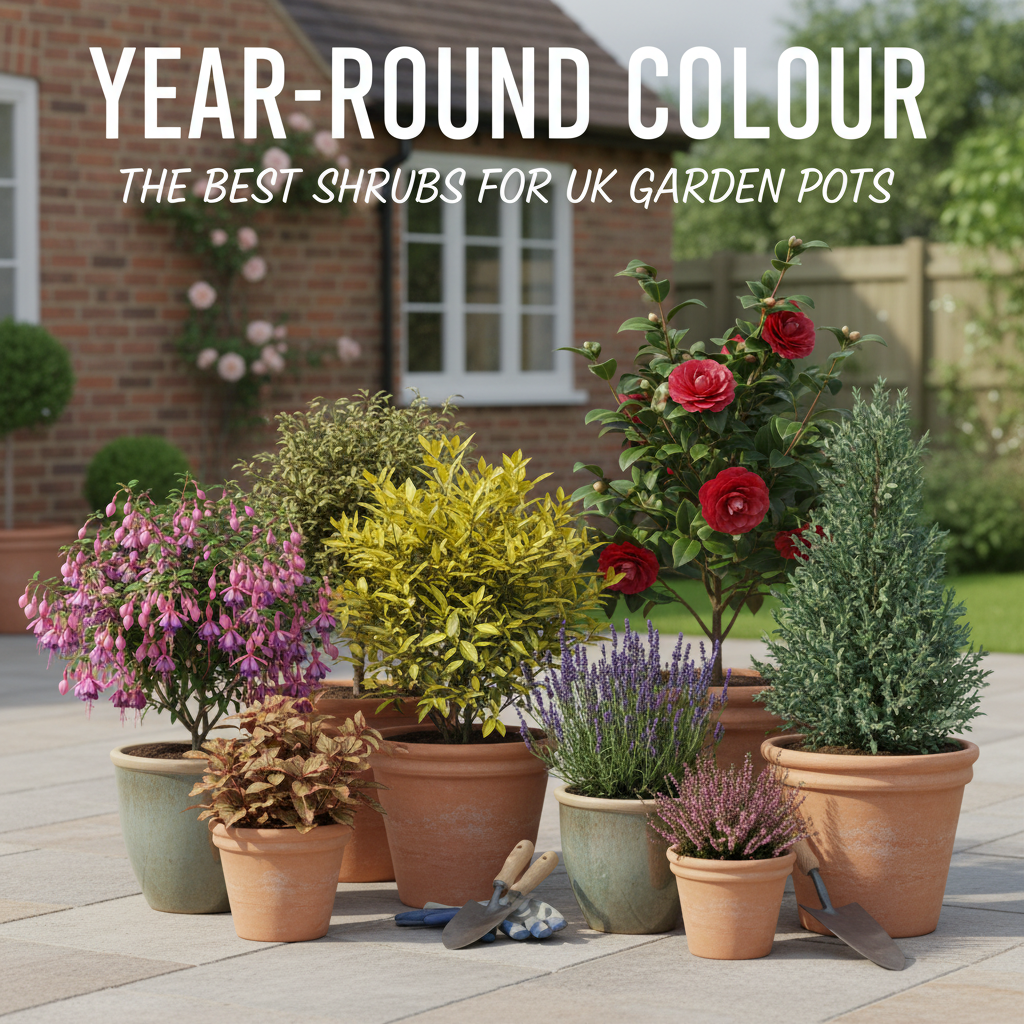
Year-Round Colour: The Best Shrubs for UK Garden Pots
Transform your patio with our guide to the best container shrubs for UK gardens. Master seasonal care, potting tips, and the best varieties for all-year colour.