
Choosing and Growing the Best Clematis for UK Gardens
Discover how to grow beautiful Clematis in the UK. This guide covers pruning groups, seasonal care, and the best varieties for vertical interest in your garden.
Key takeaways
- No UK garden is truly complete without the 'Queen of Climbers'.
- The most common mistake gardeners make is pruning at the wrong time, which often results in cutting off the season's flower buds.
- In the UK, the biggest challenge is often managing moisture and soil temperature.
- To keep your climbers in peak condition, follow this seasonal schedule tailored to the British Isles.
- Clematis Wilt is a fungal disease that causes a healthy-looking plant to collapse and turn black almost overnight.

The Queen of Climbers: A Guide to Success with Clematis
No UK garden is truly complete without the 'Queen of Climbers'. Whether you have a sprawling country estate in the Cotswolds or a compact balcony in South London, the Clematis offers an unparalleled vertical display of colour, texture, and fragrance. With thousands of cultivars available, these versatile plants can cover an unsightly fence, scramble through a rose bush, or provide a stunning focal point on a dedicated obelisk.
However, for many British gardeners, the Clematis can feel a little intimidating. Success lies in understanding the distinct 'Pruning Groups' and providing the right conditions for their 'cool feet, warm head' philosophy. In this guide, we will break down everything you need to know to grow thriving Clematis in the British climate.
Understanding the Three Clematis Pruning Groups
The most common mistake gardeners make is pruning at the wrong time, which often results in cutting off the season's flower buds. In the UK, Clematis are categorised into three distinct groups based on when they bloom and how they grow.
Group 1: Early Bloomers
These varieties flower in early spring (March to May) on wood produced the previous year. They require very little pruning.
- Best for: Covering large walls or garages quickly.
- Top Varieties: Clematis montana 'Grandiflora' (vigorous white), Clematis alpina 'Pamela Jackman' (nodding blue bells), and Clematis armandii (evergreen with a delicious almond scent).
- When to prune: Only if necessary, immediately after flowering in late spring.
Group 2: Large-Flowered Summer Hybrids
These produce the classic, dinner-plate-sized blooms in May, June, and sometimes a second flush in late summer. They flower on short side-shoots from the previous year’s growth.
- Best for: Ornamental pillars and trellis work near seating areas.
- Top Varieties: 'Nelly Moser' (striped pink), 'The President' (deep purple), and 'Marie Boisselot' (pure white).
- When to prune: February. Lightly thin out dead or weak stems and cut the remaining stems back to a pair of healthy, plump buds.
Group 3: Late Bloomers and Viticellas
These are the easiest for beginners. They flower on the current year’s growth from mid-summer through to autumn.
- Best for: Growing through trees or over pergolas. Viticella types are particularly resistant to Clematis Wilt.
- Top Varieties: 'Jackmanii' (cobalt purple), 'Ville de Lyon' (carmine red), and 'Etoile Violette' (prolific dark purple).
- When to prune: Late February. Hard prune everything down to about 30cm (12 inches) above ground level, just above a healthy pair of buds.
Perfect Planting: The 'Cool Feet' Rule
In the UK, the biggest challenge is often managing moisture and soil temperature. Clematis love having their foliage in the sun, but their roots must remain cool and moist.
Site Selection
Most Clematis prefer a south or west-facing aspect. However, if you have a north-facing wall, don't despair; varieties like Clematis 'Nelly Moser' actually prefer partial shade as it prevents their delicate pale pink stripes from fading in the harsh sun.
Soil Preparation
Clematis are hungry plants. They require deep, fertile, moisture-retentive but well-drained soil.
- Dig Wide and Deep: Dig a hole twice as wide and slightly deeper than the root ball.
- Enrich: Mix in plenty of well-rotted garden compost or manure.
- The Deep Planting Secret: Unlike most plants, Clematis should be planted about 5-10cm (2-4 inches) deeper than they were in their nursery pot. This helps protect the crown and encourages new stems to grow from below the soil surface, providing insurance against Clematis Wilt.
The Shading Technique
To keep the roots cool, mulch the base of the plant with bark or gravel. Many British gardeners use the 'paving slab' trick—placing a decorative tile or a flat stone over the root zone to deflect the midday sun.
Seasonal Care Calendar for UK Gardeners
To keep your climbers in peak condition, follow this seasonal schedule tailored to the British Isles.
Spring (March - May)
- Feeding: As the soil warms up, apply a handful of high-potassium fertiliser (like rose food) around the base.
- Training: New growth is rapid. Tie in young stems to your support system using soft twine. Be gentle; Clematis stems are notoriously brittle.
- Watering: If we have a dry spring, ensure newly planted specimens receive at least 10 litres of water a week.
Summer (June - August)
- Deadheading: For Group 2 plants, remove faded flowers to encourage a second flush in late summer.
- Monitoring: Keep an eye out for aphids or signs of wilt.
- Vigor: For Group 3 types, ensure they have enough support as they can grow several inches in a single day during a warm UK July.
Autumn (September - November)
- Mulching: Apply a thick layer of organic matter around the base (keeping it away from the direct stem) to insulate the roots for winter.
- Cleaning: Remove fallen leaves from the base of the plant to prevent fungal issues over winter.
Winter (December - February)
- Pruning: February is the crucial month for pruning Groups 2 and 3. Wait for a day when it isn't freezing to avoid damaging the exposed tissue.
- Structure Check: Ensure your trellis or wires haven't pulled away from the wall during winter gales.
Dealing with Clematis Wilt
Clematis Wilt is a fungal disease that causes a healthy-looking plant to collapse and turn black almost overnight. It primarily affects the large-flowered hybrids (Group 2).
The Expert Fix: If you see a wilting stem, don't panic. Because you followed our advice and planted the Clematis 10cm deep, the plant can recover. Cut the affected stems back to ground level immediately and burn the foliage (do not compost it). Often, new, healthy shoots will emerge from the buried buds within a few weeks.
Expert Tips for Small Spaces and Containers
Not every garden has a 20-foot wall. If you are gardening on a patio, look for 'Patio Clematis'—varieties specifically bred for pots.
- Recommended Patio Varieties: The 'Boulevard' series, such as 'Fleuri' or 'Cezanne', stay compact (around 1-1.5m) and flower over a long period.
- Container Choice: Use a large, deep pot (at least 45cm deep). Terracotta is beautiful but can dry out quickly in a UK heatwave; plastic or glazed pots retain moisture better.
- Potting Mix: Use a 50/50 mix of John Innes No.3 and peat-free multipurpose compost to provide stability and nutrients.
Companion Planting for Vertical Interest
Clematis look their best when paired with other climbers. The classic English combination is Clematis and Climbing Roses.
- Pro Tip: Choose a Group 3 Clematis to grow through a rose. This way, you can cut the Clematis right back to the ground in February, allowing you to prune the rose more easily without a tangled mess of old Clematis stems in the way.
- Colour Theory: Pair a pale pink rose like 'New Dawn' with a dark purple Clematis like 'Etoile Violette' for a high-contrast, professional look.
Conclusion
Growing Clematis in the UK is a rewarding experience that adds a new dimension to your garden. By selecting the right variety for your aspect, planting it deep, and following the simple pruning rules, you can enjoy a cascade of colour from the first days of spring until the first frosts of autumn. Take a look at your garden fences this weekend—isn't it time they were covered in flowers?
Tags
Comments
Join the conversation
Create a free account to leave comments, share photos, and connect with other gardeners.
Related Articles
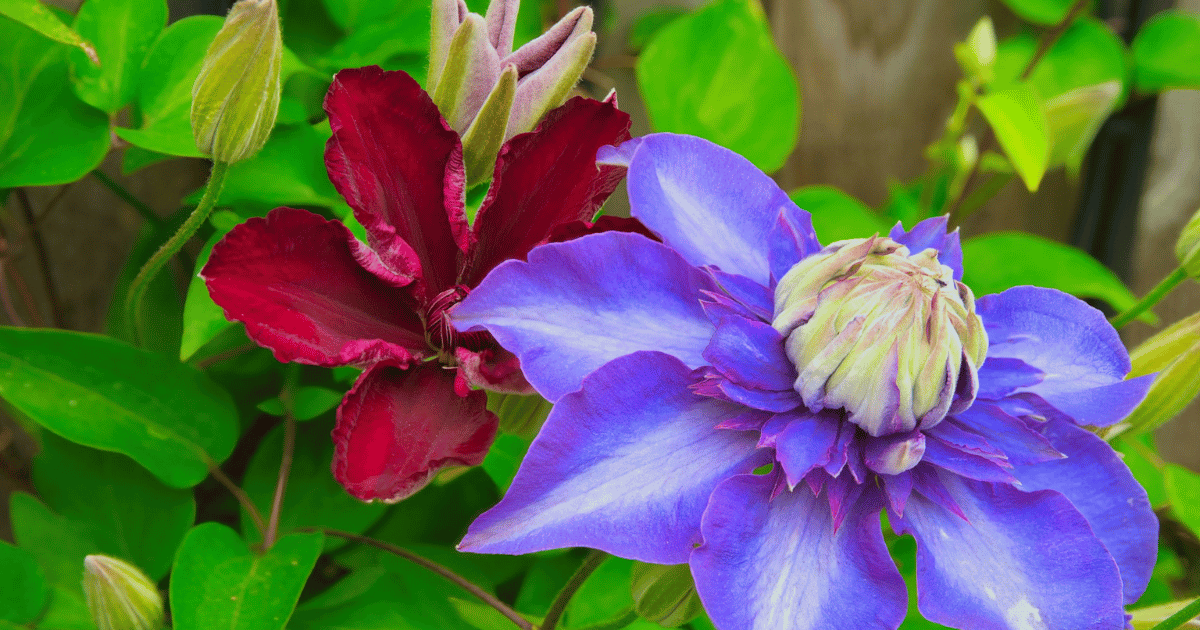
How to Grow Clematis: Complete UK Care Guide
A complete guide to growing clematis in the UK, covering pruning groups, planting depth and how to avoid clematis wilt.
A Guide to Pruning Apple and Pear Trees for UK Gardens
Master the art of winter and summer pruning for apple and pear trees. Our guide covers timing, techniques, and tool care for a bumper British fruit harvest.

Discover the Top 5 Clematis Varieties to Flourish in the UK
If you’re a gardening enthusiast in the UK, you’re likely familiar with the allure of clematis, the stunning flowering vine that adds a touch of elegance to any garden. Discover the Top 5 Clematis Varieties to Flourish in the UK
Essential Winter Pruning Guide for UK Gardens
Winter pruning is a vital task for many UK gardeners, ensuring plant health, vigour, and a bountiful display in the coming seasons. This comprehensive guide covers everything you need to know about pruning dormant plants for optimal results.

Choosing and Planting Ornamental Trees for Small Gardens
Transform your outdoor space with the best ornamental trees for small gardens. Expert advice on UK varieties, planting techniques, and seasonal care.

Maximise Your Space: Small Garden Design Ideas UK Guide
Discover expert tips to maximise your small UK garden. Learn about vertical planting, space-saving layouts, and the best plants for compact spaces. Read more!