
A Guide to Growing a Medicinal Herb Garden in the UK
Transform your garden into a natural pharmacy. Learn how to grow, harvest, and use powerful medicinal herbs like Calendula and Echinacea in the UK climate.
Key takeaways
- There is a profound sense of satisfaction that comes from stepping into the garden to harvest a remedy you have grown yourself.
- Setting aside a corner of your garden for medicinal plants offers several benefits beyond the bioactive compounds they contain.
- When choosing herbs, it is vital to select species that can handle the UK's dampen winters and unpredictable summers.
- Our 'Chelsea fringe' weather and late frosts can catch out the unwary.
- <ol> <li><strong>Soil Quality Matters:</strong> While most herbs are 'scrappy' and grow in poor soil, medicinal herbs benefit from a balanced soil.
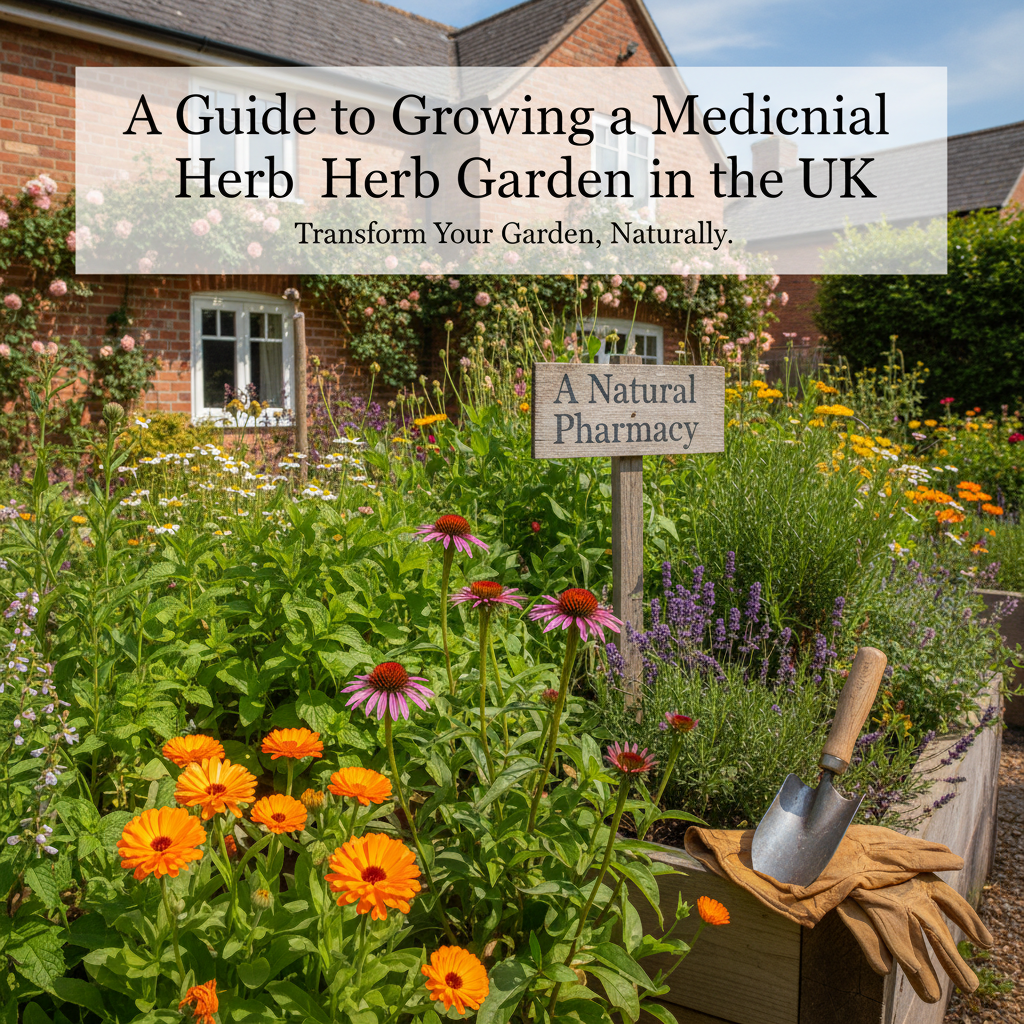
The Power of the Potager: Designing Your UK Medicinal Herb Garden
There is a profound sense of satisfaction that comes from stepping into the garden to harvest a remedy you have grown yourself. For centuries, British gardens were not just sources of food and beauty, but essential 'physic gardens'—living pharmacies stocked with plants to soothe ailments and maintain health.
Today, interest in traditional herbalism is seeing a massive resurgence. Whether you have a sprawling allotment in Yorkshire or a small balcony in South London, growing medicinal herbs is an accessible and rewarding way to connect with nature. In this guide, we will explore how to select, cultivate, and harvest the most effective medicinal plants suited to the UK's temperate, maritime climate.
Why Grow Your Own Medicine?
Setting aside a corner of your garden for medicinal plants offers several benefits beyond the bioactive compounds they contain. Many of the most potent medicinal herbs—such as Echinacea and Borage—are also fantastic for pollinators, attracting bees and hoverflies that help your entire garden thrive. Furthermore, by growing your own, you can ensure your herbs are free from synthetic pesticides and are harvested at their peak potency.
Essential Medicinal Herbs for the UK Climate
When choosing herbs, it is vital to select species that can handle the UK's dampen winters and unpredictable summers. Here are five powerhouses that are both easy to grow and highly effective.
1. Calendula (Calendula officinalis)
Common name: Pot Marigold Medicinal use: Known for its anti-inflammatory and antiseptic properties, it is the gold standard for skin salves and healing balms. Cultivation: A hardy annual that thrives in almost any soil. Sow directly in the soil in April for a summer-long display of bright orange and yellow blooms.
2. Lemon Balm (Melissa officinalis)
Common name: Bee Balm Medicinal use: Exceptional for calming anxiety and aiding sleep. It also has mild antiviral properties, often used in lip balms for cold sores. Cultivation: This is a member of the mint family, meaning it is incredibly hardy and can be slightly invasive. It loves the UK's rain. Grow it in a large pot to keep it contained.
3. Echinacea (Echinacea purpurea)
Common name: Coneflower Medicinal use: Famous for supporting the immune system, particularly at the onset of the common cold. Cultivation: A stunning perennial that loves full sun. It may struggle in heavy, waterlogged clay during British winters, so ensure you incorporate plenty of grit for drainage when planting.
4. Chamomile (Matricaria chamomilla)
Common name: German Chamomile Medicinal use: A gentle sedative and digestive aid. Perfect for a calming evening tea. Cultivation: Sow in spring. It prefers a sunny spot and well-drained soil. Note that 'German' chamomile is the annual variety best for tea, while 'Roman' chamomile is a perennial often used as a flowering groundcover.
5. Peppermint (Mentha x piperita)
Common name: Mint Medicinal use: Invaluable for digestive issues, bloating, and tension headaches. Cultivation: Thrives in the damp, partially shaded corners of a UK garden where other plants might struggle. Like Lemon Balm, always grow in a container to prevent it from taking over the garden.
Seasonal Timing: A UK Gardener’s Calendar
To be successful, you must work with the British seasons. Our 'Chelsea fringe' weather and late frosts can catch out the unwary.
Spring (March – May)
This is the time for sowing. Start tender herbs like Basil indoors on a sunny windowsill in March. Once the risk of frost has passed (usually mid-May in the South, early June in the North), you can sow hardy annuals like Calendula and Borage directly into the ground. Spring is also the ideal time to divide established perennial herbs like Lemon Balm or Valerian.
Summer (June – August)
This is the peak harvest season. For most medicinal herbs, the best time to harvest is just before the plant flowers, when the essential oils are at their most concentrated. Pick flowers (like Chamomile and Calendula) on a dry, sunny morning after the dew has evaporated but before the midday sun becomes too harsh.
Autumn (September – November)
As the plants begin to die back, focus on the roots. Herbs like Echinacea and Marshmallow (Althaea officinalis) store their medicinal power in their roots during the winter. Harvest these once the foliage has turned brown. This is also the time to mulch your perennial herbs with well-rotted compost to protect them from the coming frosts.
Winter (December – February)
Winter is a time for planning and processing. Use your dried summer harvests to make tinctures, infused oils, and dried tea blends. Ensure your potted herbs are moved to a sheltered spot or a cold frame to protect them from excessive winter wet, which kills more herbs in the UK than the cold does.
Expert Tips for a High-Potency Harvest
- Soil Quality Matters: While most herbs are 'scrappy' and grow in poor soil, medicinal herbs benefit from a balanced soil. Avoid high-nitrogen fertilisers; too much nitrogen leads to lush, green growth but dilutes the concentration of medicinal essential oils.
- The 'Dry Morning' Rule: Never harvest medicinal leaves or flowers when they are wet with rain or dew. Excess moisture leads to mould during the drying process and can ruin an entire batch of medicine.
- Correct Identification: This is the golden rule of herbalism. Ensure you have identified your plant correctly using its Latin name. For example, Hypericum perforatum (St John’s Wort) has medicinal properties, while many ornamental varieties of Hypericum found in garden centres do not.
Drying and Storing Your Herbs
To maintain the shelf-life of your home-grown remedies, you must dry them correctly. The UK’s humidity can make air-drying a challenge.
- Hang Drying: Tie bunches of herbs like Peppermint or Sage with twine and hang them upside down in a dark, well-ventilated room (avoid the kitchen, as it is often too steamy).
- Screens: For flower heads like Calendula, use a mesh drying screen or a piece of muslin stretched over a frame. Lay the flowers in a single layer to ensure airflow.
- Storage: Once the herbs are 'crisp' to the touch, store them in dark glass jars away from direct sunlight. Sunlight bleaches the chlorophyll and degrades the medicinal compounds.
Creating a Dedicated 'Medicine Wheel' Design
If you want to make your medicinal garden a focal point, consider a 'Medicine Wheel' or 'Physic Garden' layout. This involves creating a circular bed divided into segments (like a pizza). You can categorise segments by ailment—for example, a section for 'Digestive Support' containing Mint, Fennel, and Dill, and another for 'Stress Relief' containing Lavender, Valerian, and Lemon Balm.
This structured approach not only looks beautiful but makes harvesting significantly easier. Use gravel paths between the segments to allow for easy access without compacting the soil around the delicate roots of your plants.
Safety and Sustainability
While gardening for health is empowering, always consult a healthcare professional before using herbal remedies, especially if you are pregnant, breastfeeding, or taking prescription medication. Herbs are powerful substances and can interact with conventional medicines.
From a sustainability perspective, growing your own medicinal herbs reduces the carbon footprint associated with imported supplements and ensures you are fostering a biodiverse environment in your own back garden. By planting a medicinal border, you are supporting the UK's declining bee populations while simultaneously looking after your family’s wellbeing.
Conclusion
Growing a medicinal herb garden in the UK is a journey of discovery. It turns the act of gardening into a holistic practice of care. As you watch the Chamomile daisies unfurl in the June sun or harvest the sturdy Echinacea roots in the autumn chill, you become part of an ancient tradition of British gardening. Start small, perhaps with a window box of Thyme and Mint, and watch as your passion—and your medicine cabinet—grows.
Tags
Comments
Join the conversation
Create a free account to leave comments, share photos, and connect with other gardeners.
Related Articles
Winter Garden Tidying
Winter might seem like a quiet time in the garden, but it's crucial for laying the groundwork for a spectacular spring and summer. This guide provides UK gardeners with actionable advice on essential winter tidying tasks, from preparing your soil to maintaining tools and creating a pest-free environment.
Winter Lawn Care UK: Your Essential Guide to a Resilient Lawn
Ensuring your lawn thrives through the UK's colder months requires specific preparation. This guide from Garden-Review provides essential, actionable advice to safeguard your lawn against winter stresses, from correct autumnal mowing to combating common issues like moss and fungal diseases, guaranteeing a vibrant return in spring.
How to Grow Perfect, Straight Carrots in UK Soils
Master the art of growing crunchy, straight carrots in your UK garden. From avoiding carrot fly to soil prep, here is everything you need for success.
Year-Round Salad Leaves: A Guide for UK Gardeners
Discover how to grow fresh, organic salad leaves in your UK garden all year round. Expert tips on varieties, sowing schedules, and winter protection.
What to Plant in May: Your UK Garden Guide
May is a pivotal month in the UK gardening calendar, marking the true arrival of warmer weather and the departure of late frosts across much of the nation. This comprehensive guide from Garden-Review will help you get the most out of your garden, detailing exactly what vegetables, herbs, flowers, and fruits you can confidently sow and plant for a bountiful year.

Autumn Lawn Care
Autumn is a pivotal time for your lawn's health, laying the groundwork for a lush, disease-resistant turf next spring. This comprehensive guide covers all essential tasks for UK gardeners, from tailored feeding regimes to effective moss and weed control, ensuring your lawn thrives through the colder months.