
Vine Weevil: How to Spot and Control It in UK Gardens
Vine weevil causes two distinct problems, adult leaf notching and root-feeding grubs, with containerised plants especially at risk; timely nematode application and good hygiene give the best control.
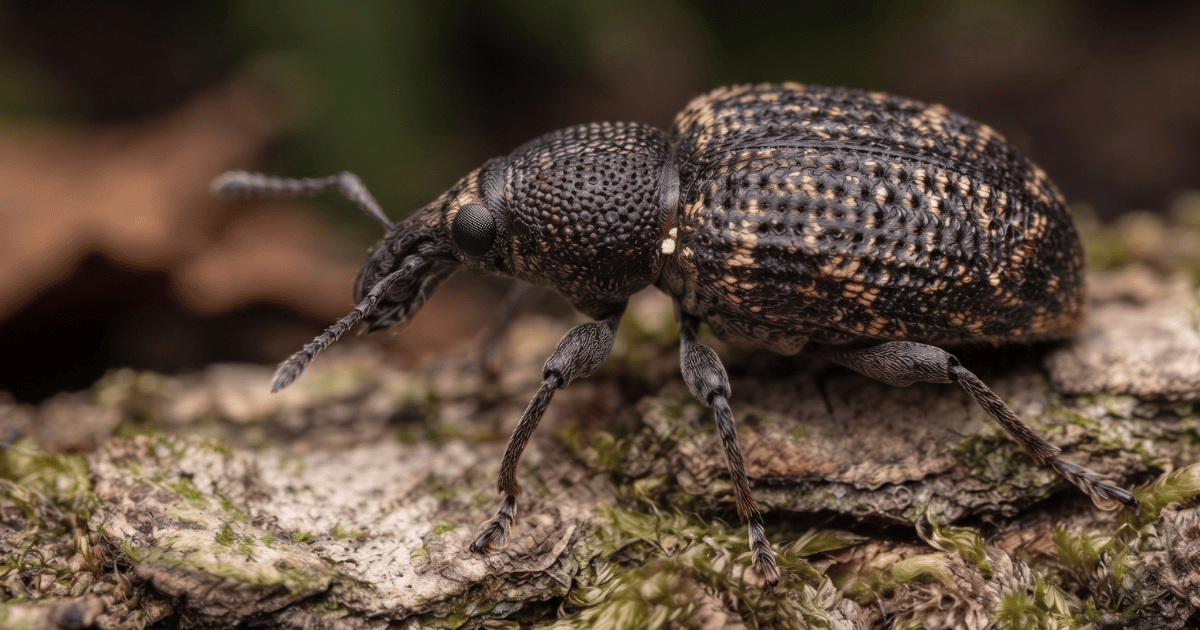
Vine weevil is a common UK pest causing two separate problems: adult beetles notch leaf edges at night, while their root-feeding grubs can silently kill container plants by destroying roots below the compost surface. Effective control depends on recognising both stages and timing biological nematode treatments correctly through the growing season.
Key takeaways
- Adult vine weevils cause cosmetic leaf notching; their grubs cause the serious, often fatal, root damage.
- Container-grown plants such as heucheras, fuchsias and cyclamen are at particular risk from grub feeding.
- Nematode treatments are most effective applied in late summer to early autumn when soil is still warm.
- Sudden wilting of an apparently healthy container plant is a classic sign of root loss from grubs.
- Checking compost by hand and using grit mulches can help alongside biological control.
| Problem | Affects | Peak season | Severity | Organic control | Chemical control availability | Prevention |
|---|---|---|---|---|---|---|
| Vine weevil | Containerised ornamentals, strawberries, heucheras, fuchsias | Adults: summer; grubs: autumn to spring | Severe for grub damage, cosmetic for adult notching | Nematodes, hand-picking adults, sticky barriers | Limited approved drenches; check current labels | Good compost hygiene, grit mulch, nematode timing |
How to identify vine weevil damage
Adult vine weevil damage shows as neat, U-shaped notches bitten out of leaf margins, most visible on evergreen shrubs like rhododendron and camellia, and occurs mainly at night since the beetles hide by day. Grub damage is less visible until a plant suddenly wilts or collapses despite moist compost, at which point tipping the pot out usually reveals cream, C-shaped larvae with brown heads feeding on the roots.
| Symptom | Likely cause | Key difference |
|---|---|---|
| U-shaped notches on leaf edges | Adult vine weevil | Damage confined to margins, occurs at night, no slime trail |
| Sudden wilting despite moist compost | Vine weevil grubs | Roots damaged or absent when checked; grubs visible in compost |
| Ragged holes with slime trails | Slugs and snails | Slime trail present, damage not confined to margins |
| Wilting with waterlogged, smelly roots | Root rot | Roots blackened and mushy rather than physically absent |
Life cycle and why it happens
Adult vine weevils are all female and reproduce without mating, laying several hundred eggs in soil or compost near host plants through summer. Eggs hatch into grubs that feed on roots through autumn and winter, causing the most serious damage during this dormant period when plants cannot easily compensate for root loss, before pupating and emerging as new adults the following spring and summer. This cycle means container plants can look fine into winter, then fail to grow away in spring once the root system has already been destroyed.
Cultural and preventative control
Inspect containers regularly, especially those holding known host plants, and repot into fresh, pest-free compost if grubs are found. A layer of coarse grit on the compost surface makes egg-laying harder for adult females. At night, check vulnerable plants with a torch and hand-pick adults, which cannot fly and often play dead when disturbed, dropping to the ground. See our how-to guides for further container care advice.
Organic and biological controls compared
| Method | Effectiveness | Effort |
|---|---|---|
| Nematodes (soil-applied) | High against grubs when timed correctly | Moderate; needs correct soil temperature |
| Hand-picking adults at night | Moderate | High; time-consuming |
| Sticky barrier bands on pots | Low to moderate | Low |
| Grit mulch on compost surface | Low to moderate, preventative | Low |
| Repotting with fresh compost | High for affected plants | Moderate |
Chemical controls and their limits
A small number of chemical drenches remain approved for amateur vine weevil control, but product approvals in the UK change regularly, so always check the current label before use rather than relying on older advice. Chemical drenches tend to target grubs and offer limited effect on adults, and none give complete protection without also managing compost hygiene and timing. Nematodes are generally preferred by UK gardeners for their reliability and lower environmental impact.
What does not work
Simply replacing a wilted plant without checking and treating the surrounding compost often leads to reinfestation, since grubs can persist in old compost or nearby containers. Watering more heavily to revive a wilting plant will not help if the problem is root loss from grub feeding, and can worsen rot in already-damaged roots.
Less-affected plants
Vine weevils show less interest in plants with tougher or aromatic foliage, such as lavender, rosemary and ornamental grasses, and are less commonly a serious problem on plants grown in open ground compared with containers. Rotating vulnerable container plants like heuchera and fuchsia with less susceptible choices can reduce pressure; browse our plant profiles for more options.
Month-by-month action calendar
| Month | Action |
|---|---|
| March-April | Optional early nematode application if soil warm enough |
| May-July | Check for adult notching at night; hand-pick beetles |
| August-September | Main nematode application window while soil is warm |
| October | Inspect containers for early grub activity |
| November-February | Check wilting containers by hand; repot if grubs found |
Vine Weevil FAQs
What is the difference between adult vine weevil damage and grub damage?
When is the best time to apply nematodes for vine weevil?
Which plants are most at risk from vine weevil?
Can I see vine weevil grubs before my plant collapses?
Are there chemical treatments for vine weevil in the UK?
Does covering compost with grit help against vine weevil?
Tags
Comments
Join the conversation
Create a free account to leave comments, share photos, and connect with other gardeners.
Related Articles
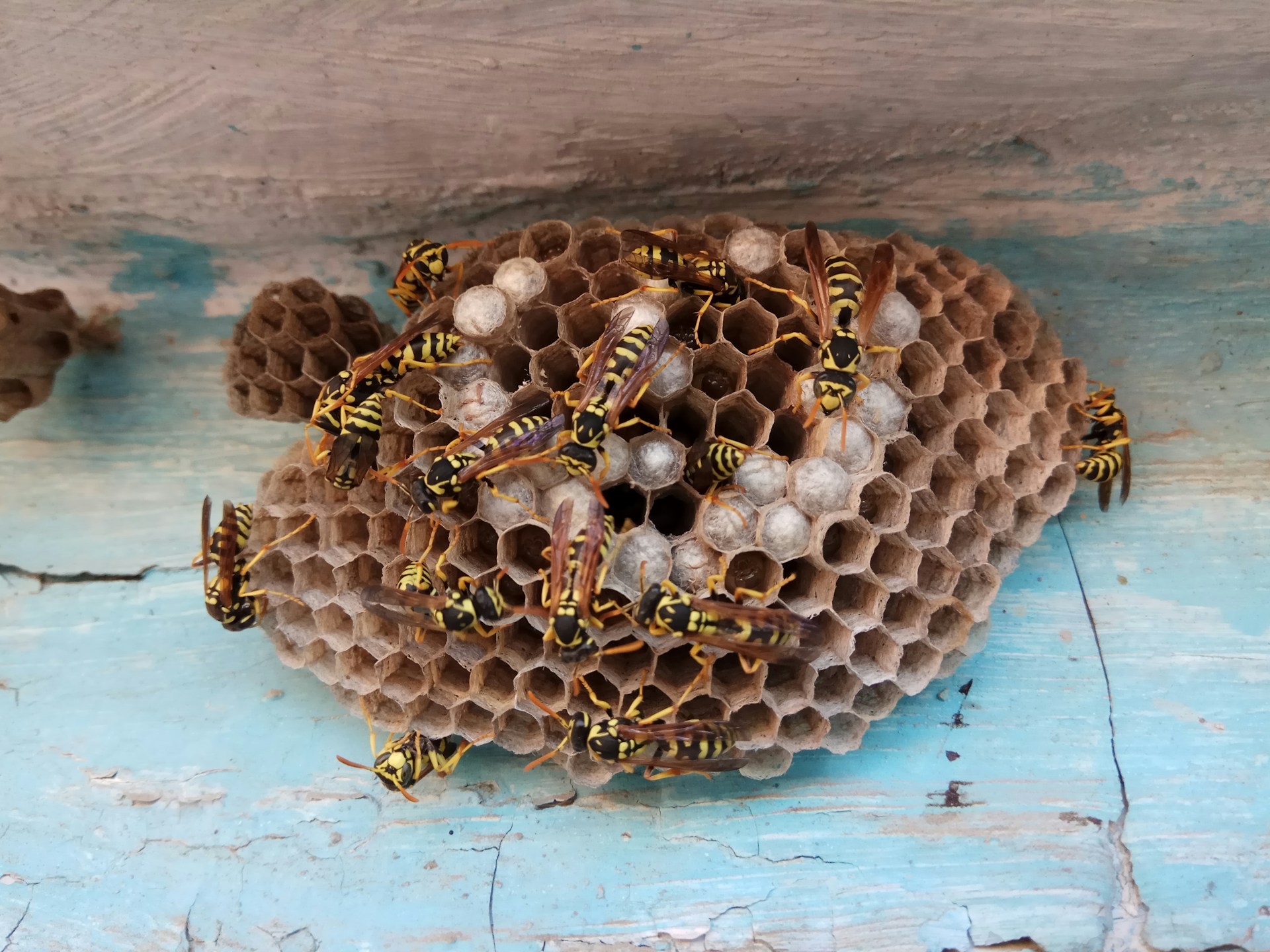
How to Get Rid of Flies and Wasps in Your Garden: UK Guide
Wasps peak in late summer as colonies max out and turn to scavenging, while flies breed fast around bins and fallen fruit all season - this guide covers prevention, physical control and when a chemical treatment is actually needed.
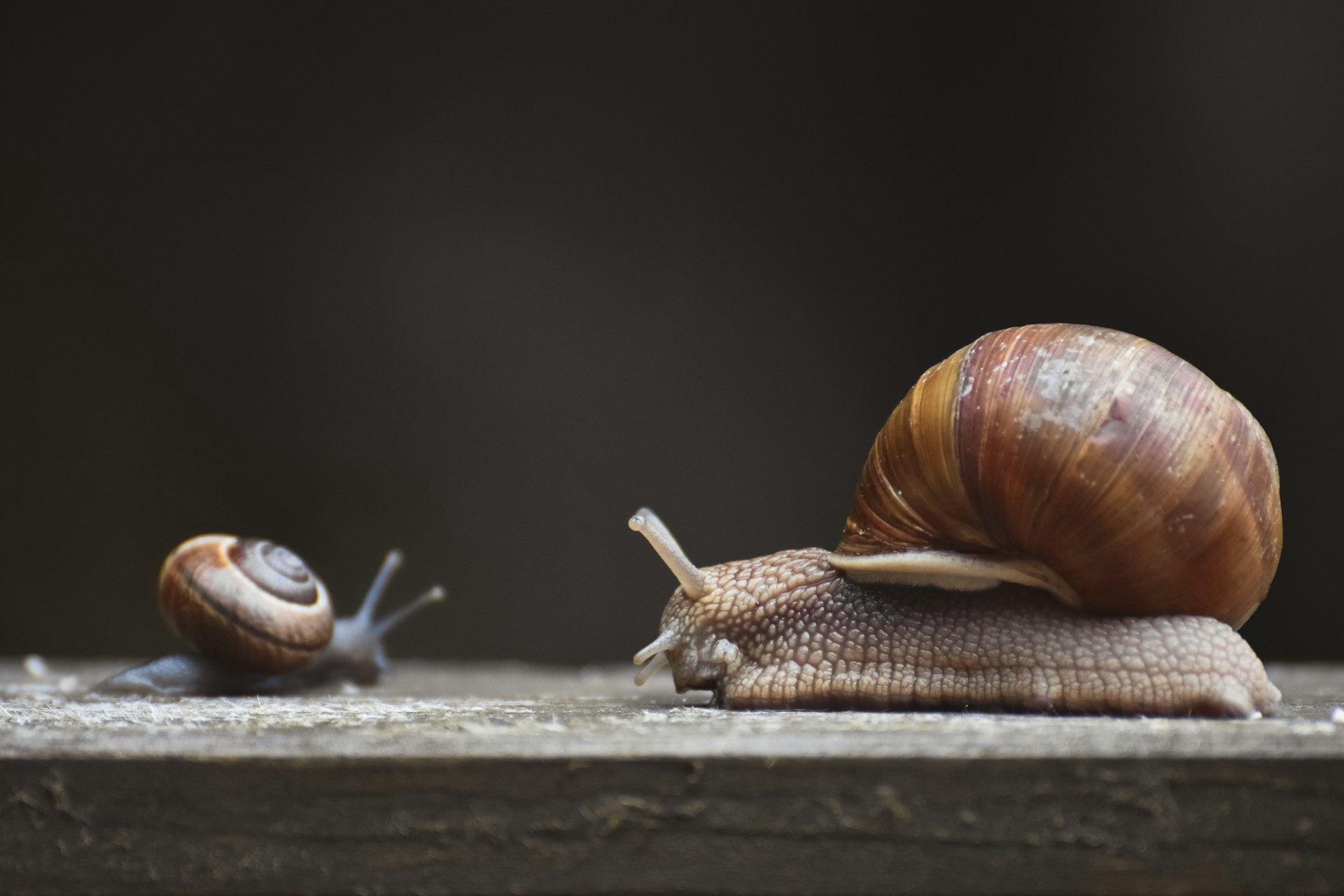
How to Get Rid of Slugs and Snails: UK Control Guide
Slugs and snails cause ragged holes and seedling losses across UK gardens, but a combination of nematodes, barriers, resistant planting and good hygiene keeps damage manageable without banned chemicals.
Box Blight: How to Identify and Treat It in UK Gardens
Box blight causes brown patches and defoliation in buxus, and is often confused with box tree caterpillar damage; both need different responses, and many UK gardeners are now switching to alternative hedging plants.
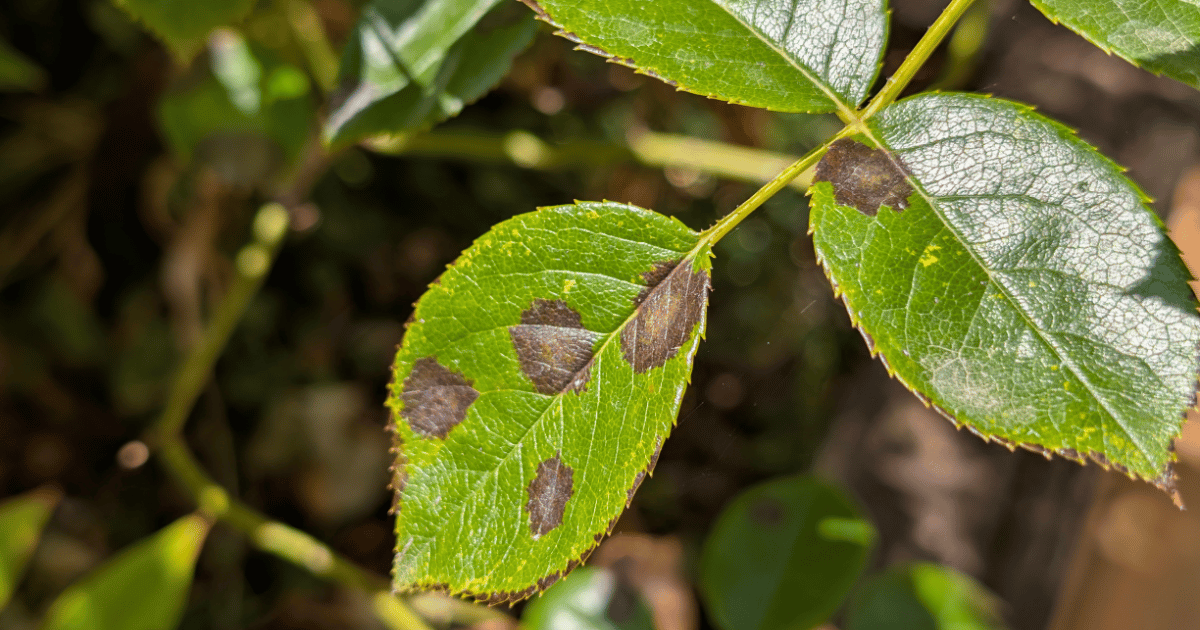
Black Spot on Roses: How to Treat and Prevent It
Black spot is the most common rose disease in UK gardens, causing dark leaf spotting and premature leaf fall, and is best managed through strict sanitation, resistant cultivars and well-timed preventative treatment rather than chemicals alone.

How to Care for a Snake Plant: Complete UK Guide
Snake plants are one of the toughest houseplants around, tolerating low light and irregular watering while purifying indoor air.
How to Grow Astilbe: Complete UK Care Guide
Astilbe brings feathery plumes of colour to moist, shady borders in summer, but needs consistently damp soil to prevent scorched, crispy foliage.