
Black Spot on Roses: How to Treat and Prevent It
Black spot is the most common rose disease in UK gardens, causing dark leaf spotting and premature leaf fall, and is best managed through strict sanitation, resistant cultivars and well-timed preventative treatment rather than chemicals alone.
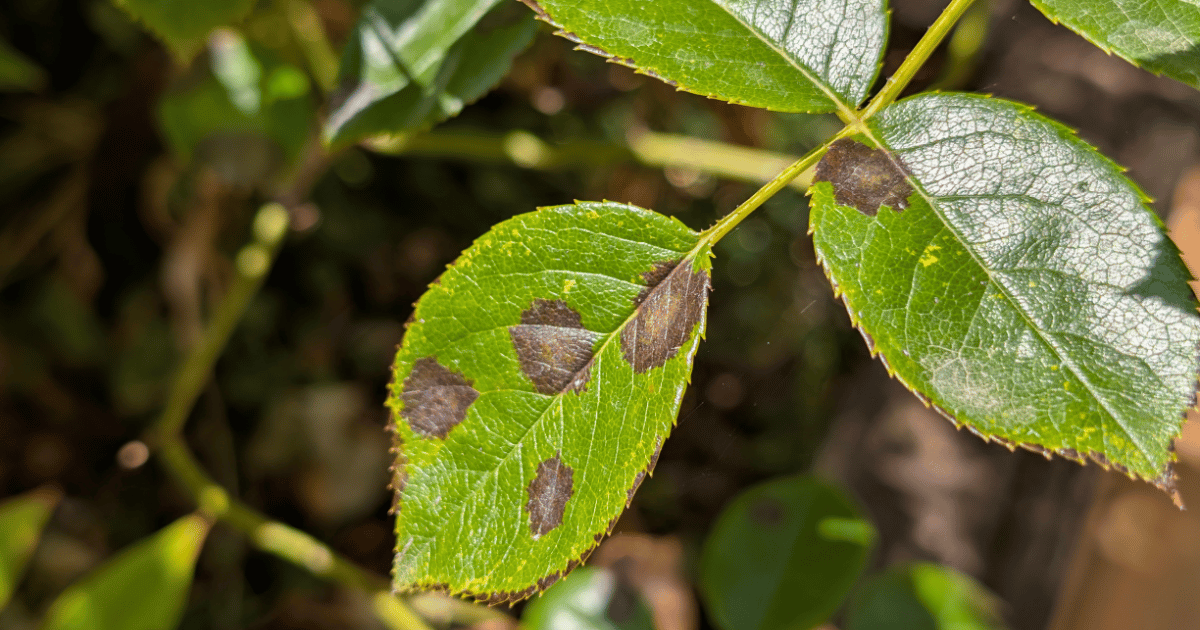
Black spot is the most widespread fungal disease affecting roses in UK gardens, causing dark, fringed spots on leaves that yellow and drop prematurely, weakening the plant over successive seasons. Effective management relies on rigorous sanitation, choosing resistant cultivars, and, where used, well-timed preventative fungicide application rather than treating symptoms once they appear.
Key takeaways
- Black spot spreads via spores that survive winter on fallen leaves and infected stems, making autumn clean-up essential.
- Symptoms are distinctive dark spots with fringed edges, usually followed by yellowing and early leaf drop.
- Resistant rose cultivars significantly reduce the disease's impact and are worth prioritising for new planting.
- Fungicides work best as prevention started early in the season, not as a cure once infection is well established.
- Good airflow, correct watering and removing infected material are as important as any chemical treatment.
| Problem | Affects | Peak season | Severity | Organic control | Chemical control availability | Prevention |
|---|---|---|---|---|---|---|
| Black spot | Rose leaves and stems | Warm, humid periods from late spring to autumn | Moderate to severe over successive seasons if untreated | Sanitation, pruning for airflow, resistant cultivars | Some approved fungicides for preventative use; check labels | Autumn clean-up, good spacing, avoiding overhead watering |
How to identify black spot
Black spot appears as circular or irregular dark brown to black spots on leaves, typically with a slightly fringed or feathered edge, often surrounded by a yellowing halo. Affected leaves usually turn fully yellow and drop early, starting from the base of the plant and working upwards, which can leave rose bushes significantly defoliated by late summer if the disease is severe.
| Symptom | Likely cause | Key difference |
|---|---|---|
| Dark spots with fringed edges, yellowing, leaf drop | Black spot | Fringed spot edges and associated yellowing are distinctive |
| White, powdery coating on leaves and buds | Powdery mildew | Powdery texture rather than distinct dark spots |
| Orange pustules on leaf undersides | Rose rust | Bright orange spore pustules, mainly on leaf undersides |
| General yellowing without spotting | Nutrient deficiency | No fungal spotting or fringed lesions present |
Life cycle and why black spot happens
Black spot is caused by the fungus Diplocarpon rosae, which overwinters on fallen leaves and infected stems, releasing spores in spring that splash onto new foliage during rain or overhead watering. Once established, spores need several hours of leaf wetness to germinate and infect, which is why the disease is worse in wet summers and on roses grown with poor air circulation. New infections can cycle repeatedly through the season, spreading from lower to upper leaves as spores are washed or splashed upward.
Cultural and preventative control
Prune roses to create an open, airy framework that allows leaves to dry quickly after rain, and space plants generously to reduce humidity around the foliage. Water at the base of the plant in the morning rather than overhead in the evening, and always clear and destroy fallen leaves and prunings in autumn rather than composting them, since garden compost rarely gets hot enough to destroy the spores. Our how-to guides cover pruning techniques that support better airflow.
Organic and biological controls compared
| Method | Effectiveness | Effort |
|---|---|---|
| Autumn leaf and debris clean-up | High, reduces spore carryover | Moderate, seasonal |
| Pruning for airflow | Moderate to high | Moderate, annual |
| Watering at base, not overhead | Moderate, preventative | Low |
| Removing infected leaves through the season | Moderate | Moderate, ongoing |
| Choosing resistant cultivars | High long-term | Low once planted |
Chemical controls and their limits
Some fungicide products remain approved for amateur use against black spot in the UK, and these work best applied preventatively from early spring as new growth emerges, then repeated at label intervals through the humid summer months. Fungicides will not remove existing spots from already-infected leaves and cannot compensate for poor sanitation or a heavily shaded, crowded planting position. Always check the current product label, as approvals for garden fungicides change periodically.
What does not work
Simply removing visibly spotted leaves once the disease is already widespread rarely gives meaningful control if fallen debris and infected prunings are left in the bed. Overhead watering with a sprinkler in the evening, sometimes recommended for general watering, actually promotes black spot by keeping foliage wet for long periods overnight. Feeding heavily with high-nitrogen fertiliser to "green up" an infected rose can encourage soft, disease-prone new growth rather than improving resistance.
Resistant cultivars
Many modern shrub and floribunda roses are bred specifically for improved black spot tolerance, and choosing these when planting new roses is one of the most effective long-term strategies available. UK rose specialists and the Royal National Rose Society trials are useful references when selecting resistant varieties; see our grow guides and plant profiles for further planting advice.
Month-by-month action calendar
| Month | Action |
|---|---|
| March | Prune for airflow; begin preventative fungicide programme if used |
| April-May | Monitor new growth; remove any early spotted leaves |
| June-August | Peak risk period; maintain spray programme and remove infected leaves |
| September | Continue monitoring as humidity remains high |
| October-November | Clear and destroy all fallen leaves and prunings thoroughly |
| December-February | Plan resistant variety replacements if disease was severe |
Black Spot on Roses FAQs
Can black spot on roses be completely cured?
Do I need to remove fallen rose leaves in autumn?
Are there rose varieties that resist black spot?
When should I start spraying roses to prevent black spot?
Is black spot the same as rose rust or powdery mildew?
Does feeding roses help with black spot?
Tags
Comments
Join the conversation
Create a free account to leave comments, share photos, and connect with other gardeners.
Related Articles
Box Blight: How to Identify and Treat It in UK Gardens
Box blight causes brown patches and defoliation in buxus, and is often confused with box tree caterpillar damage; both need different responses, and many UK gardeners are now switching to alternative hedging plants.
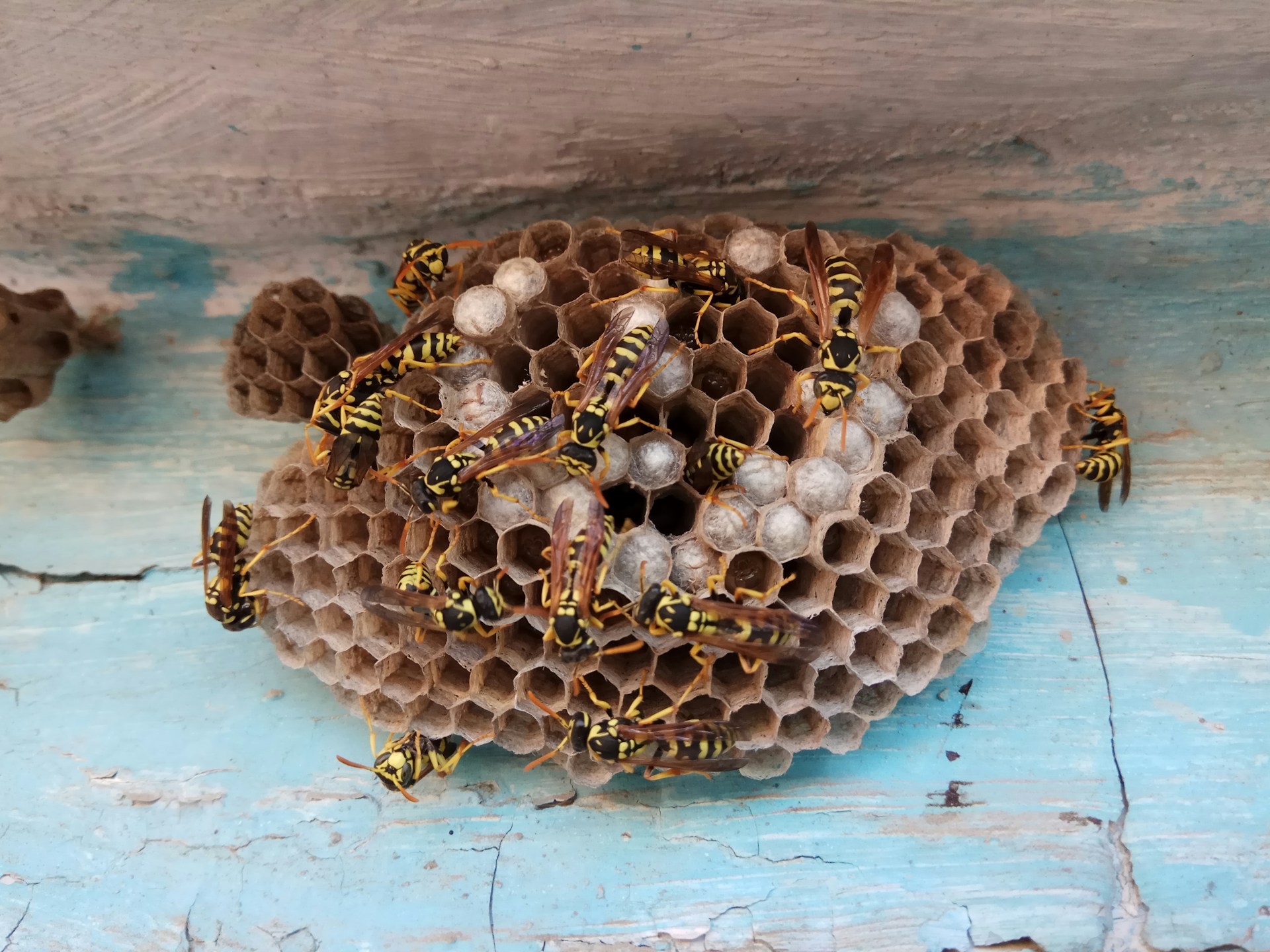
How to Get Rid of Flies and Wasps in Your Garden: UK Guide
Wasps peak in late summer as colonies max out and turn to scavenging, while flies breed fast around bins and fallen fruit all season - this guide covers prevention, physical control and when a chemical treatment is actually needed.
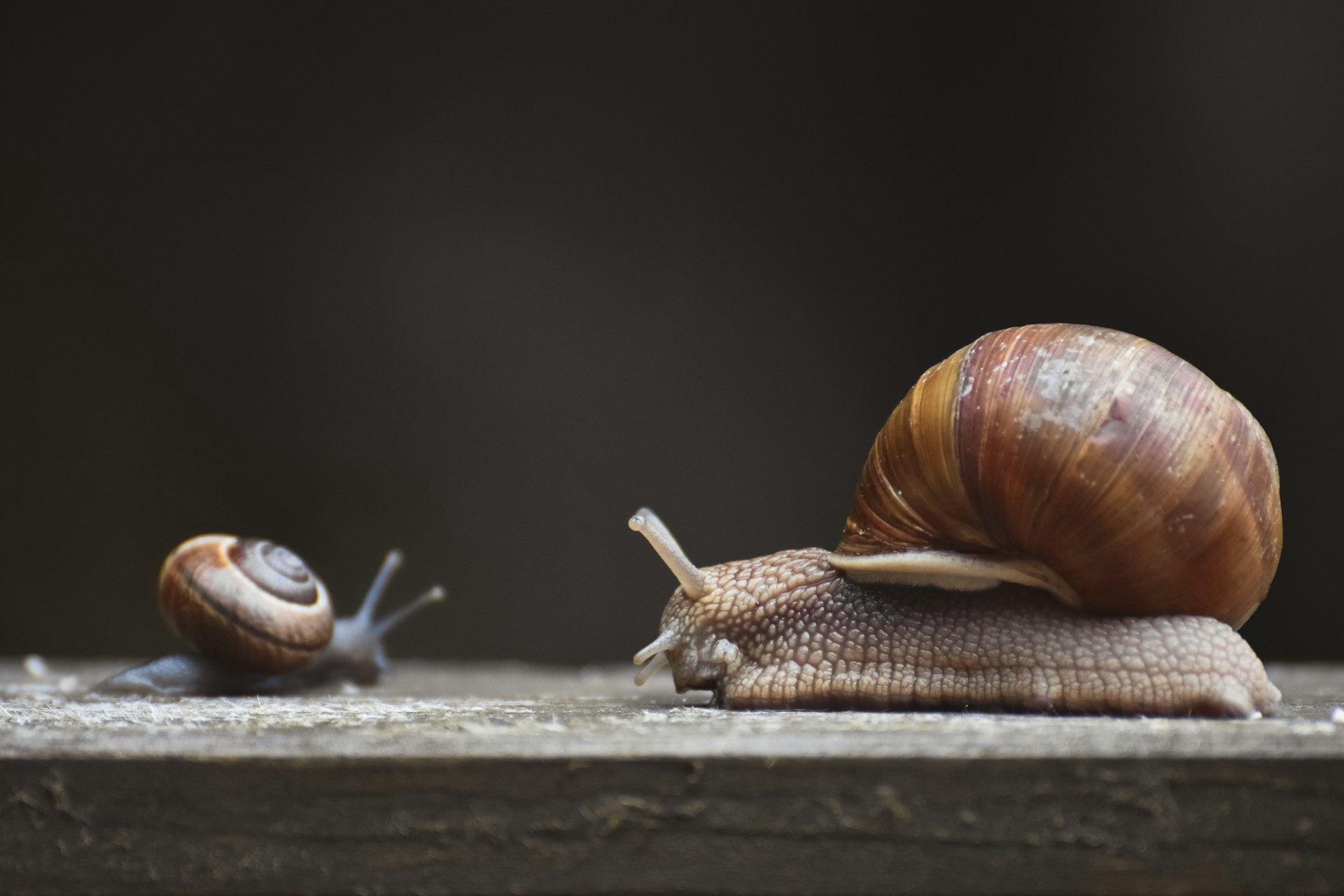
How to Get Rid of Slugs and Snails: UK Control Guide
Slugs and snails cause ragged holes and seedling losses across UK gardens, but a combination of nematodes, barriers, resistant planting and good hygiene keeps damage manageable without banned chemicals.

How to Care for a Snake Plant: Complete UK Guide
Snake plants are one of the toughest houseplants around, tolerating low light and irregular watering while purifying indoor air.
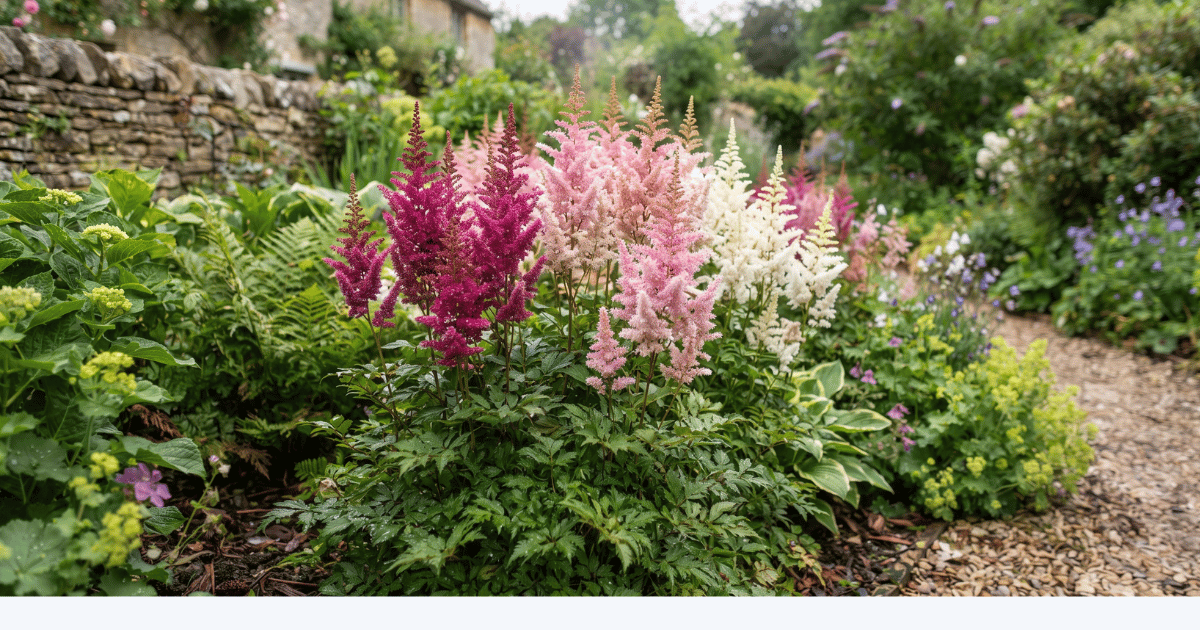
How to Grow Astilbe: Complete UK Care Guide
Astilbe brings feathery plumes of colour to moist, shady borders in summer, but needs consistently damp soil to prevent scorched, crispy foliage.
How to Care for a Spider Plant: Complete UK Guide
Spider plants are cheerful, resilient houseplants that produce cascades of plantlets, making them ideal for beginners and easy propagation.