
How to Grow Hebe: Complete UK Care Guide
Hebes are tough, evergreen shrubs prized for their neat habit, long flowering season and excellent tolerance of coastal wind and salt spray.
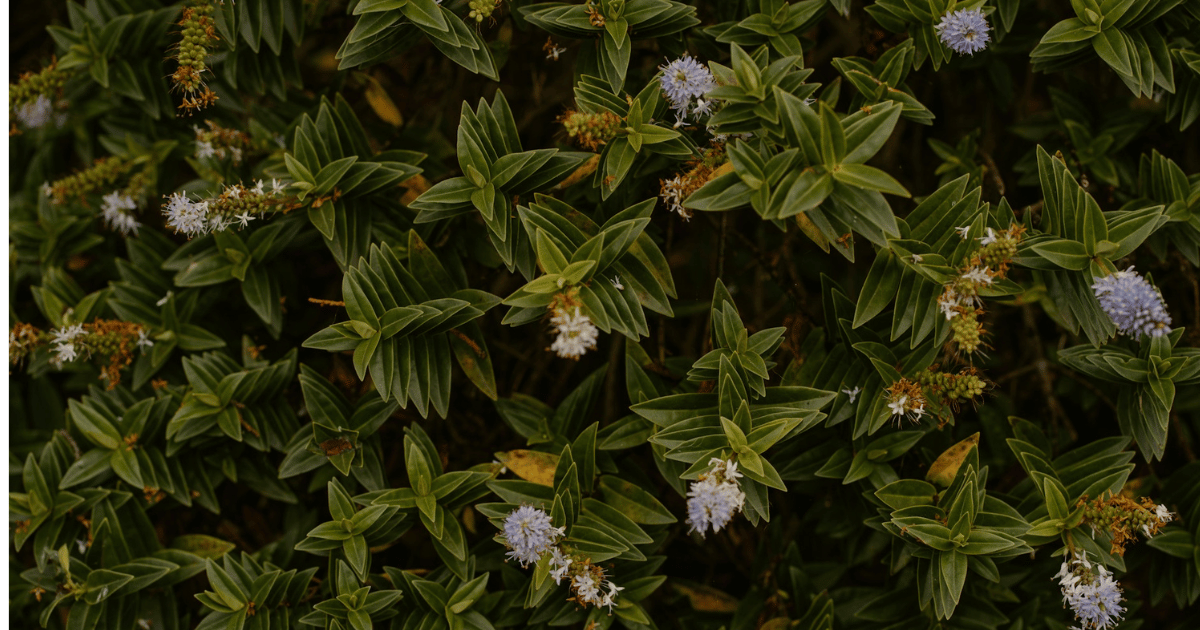
To grow hebe successfully in the UK, choose a cultivar suited to your climate, as small-leaved, whipcord types are hardiest while large-leaved forms suit milder or coastal gardens. Plant in full sun in free-draining soil, water while establishing, and trim lightly after flowering to keep growth dense and compact.
Key takeaways
- Leaf size is a useful guide to hardiness: small, whipcord or narrow-leaved hebes cope with cold far better than large-leaved, showy-flowered types.
- Hebes are outstanding for coastal and exposed gardens, tolerating wind and salt spray well.
- Sharp drainage is essential, as hebes dislike sitting in wet winter soil.
- Light, regular trimming from a young age keeps plants bushy; old, bare wood does not reshoot reliably.
- Most cultivars flower from summer into autumn, providing valuable late nectar for pollinators.
| Attribute | Detail |
|---|---|
| Botanical name | Hebe (many species and cultivars) |
| Plant type | Evergreen shrub |
| Height & spread | 0.3-1.5m depending on cultivar |
| Hardiness | RHS H4-H5, varies by cultivar and leaf type |
| Position | Full sun, tolerant of coastal exposure |
| Soil | Free-draining, moderately fertile; tolerates poor and sandy soils |
| Flowering/interest period | Summer to autumn, some into early winter |
| Difficulty | Easy, particularly hardy small-leaved cultivars |
Choosing hebe varieties for UK gardens
Match the cultivar to your garden's exposure: small-leaved, whipcord types survive harder frosts, while large-leaved, big-flowered forms need milder conditions or a sheltered spot. Browse more shrub options in our grow guides hub.
| Cultivar | Leaf type | Hardiness | Notes |
|---|---|---|---|
| Hebe cupressoides 'Boughton Dome' | Whipcord (tiny, scale-like) | Very hardy | Neat dome shape, rarely needs pruning |
| Hebe pinguifolia 'Pagei' | Small, grey-green | Very hardy | Excellent low groundcover, white flowers |
| Hebe 'Red Edge' | Small-medium, red-margined | Hardy | Good compact form, lilac flowers |
| Hebe salicifolia | Medium, willow-like | Hardy | Good for hedging, white flower spikes |
| Hebe 'Great Orme' | Large, glossy | Moderately tender | Long pink flower spikes, needs shelter |
| Hebe 'Midsummer Beauty' | Large, glossy | Moderately tender | Long lilac-purple flowering season |
Where and when to plant hebe
Plant container-grown hebes in spring or early autumn, allowing roots to establish before the extremes of summer heat or winter cold. Choose an open, sunny position with sharp drainage; hebes are excellent for coastal gardens and exposed sites, tolerating salt-laden wind well, but avoid low-lying frost pockets, particularly for larger-leaved cultivars.
How to plant hebe
- Dig a hole twice the width of the root ball and to the same depth.
- Improve heavy soil with horticultural grit or well-rotted compost to boost drainage.
- Remove the plant from its pot and gently tease out any circling roots.
- Position at the same depth it was growing in its pot.
- Backfill, firm in gently and water thoroughly.
- Apply a thin mulch, keeping it clear of the main stems.
- Water regularly for the first growing season while roots establish.
Watering and feeding
Water newly planted hebes regularly through their first summer, then rely mainly on rainfall once established, as most cultivars are drought-tolerant once rooted in. Avoid waterlogged soil in winter, which is a common cause of losses. Feed lightly in spring with a general-purpose, slow-release fertiliser; hebes generally need little supplementary feeding on reasonable soils.
Pruning hebe
Trim hebes lightly with shears or secateurs immediately after flowering, or in spring for late-flowering cultivars, removing spent flower spikes and a couple of centimetres of growth to encourage a dense, bushy habit. Begin light trimming when plants are young, as hebes do not reshoot reliably from old, bare, woody stems, so hard renovation pruning is often unsuccessful. If frost has damaged growth, wait until new shoots appear in late spring before cutting back to healthy wood.
Propagation
Hebes root readily from semi-ripe cuttings taken in July or August. Select non-flowering side shoots around 10cm long, remove the lower leaves, and insert into free-draining cuttings compost in a cold frame or sheltered spot outdoors. Cuttings usually root within six to eight weeks and can be potted on the following spring, giving an easy and reliable way to increase stock or replace ageing plants.
Growing hebe in pots
Compact cultivars such as Hebe 'Red Edge' and Hebe pinguifolia 'Pagei' are well suited to containers on patios and in courtyard gardens. Use a peat-free, free-draining compost with added grit, and choose a pot with generous drainage holes. Water regularly through the growing season, but reduce watering in winter to avoid waterlogging, and move pots to a sheltered spot during severe cold snaps.
Common problems
| Problem | Symptom | Fix |
|---|---|---|
| Downy mildew | Pale patches on upper leaf surface, greyish growth beneath | Improve air circulation, remove affected leaves, avoid overhead watering |
| Leaf spot | Dark, circular spots on leaves | Remove and destroy affected foliage, avoid overcrowding |
| Frost damage | Blackened leaves and stem dieback after cold snaps | Choose hardier small-leaved cultivars in cold gardens; delay pruning until new growth shows |
| Waterlogging | Yellowing leaves, root rot, sudden collapse | Improve drainage, avoid heavy wet soils, raise containers off the ground |
| Leggy, bare growth | Sparse foliage low down, flowering only at shoot tips | Trim lightly and regularly from a young age; replace very old, woody plants |
Month-by-month care calendar
| Month | Task |
|---|---|
| January | Check for frost or wind damage; avoid pruning while frosts continue |
| February | Plan new planting; order cultivars for spring |
| March | Apply light feed; plant new container-grown hebes |
| April | Prune frost-damaged growth once new shoots appear |
| May | Water newly planted specimens regularly |
| June | Watch for downy mildew in humid weather |
| July | Take semi-ripe cuttings; trim early-flowering types once blooms fade |
| August | Continue trimming after flowering; pot on rooted cuttings |
| September | Plant new hebes while soil is still warm |
| October | Enjoy late flowers on autumn-blooming cultivars |
| November | Move tender potted hebes to a sheltered spot |
| December | Check drainage around containers ahead of winter rain |
With the right cultivar for your conditions, hebes provide reliable, low-maintenance structure and colour for much of the year. Explore more resilient shrubs in our plants hub or see seasonal planting ideas in our seasonal guide.
Hebe FAQs
Are hebes hardy in the UK?
Do hebes cope with coastal, windy gardens?
Why has my hebe gone leggy and bare at the base?
Can hebes be grown in pots?
When do hebes flower?
Why did my hebe die over winter?
Tags
Comments
Join the conversation
Create a free account to leave comments, share photos, and connect with other gardeners.
Related Articles
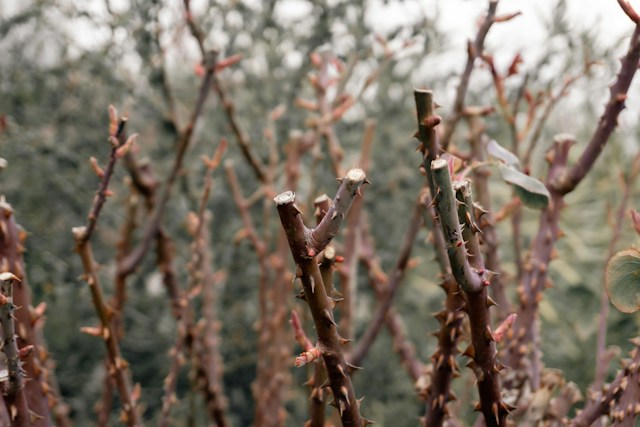
Essential Winter Pruning Guide for UK Gardens
Winter pruning is a vital task for many UK gardeners, ensuring plant health, vigour, and a bountiful display in the coming seasons. This comprehensive guide covers everything you need to know about pruning dormant plants for optimal results.
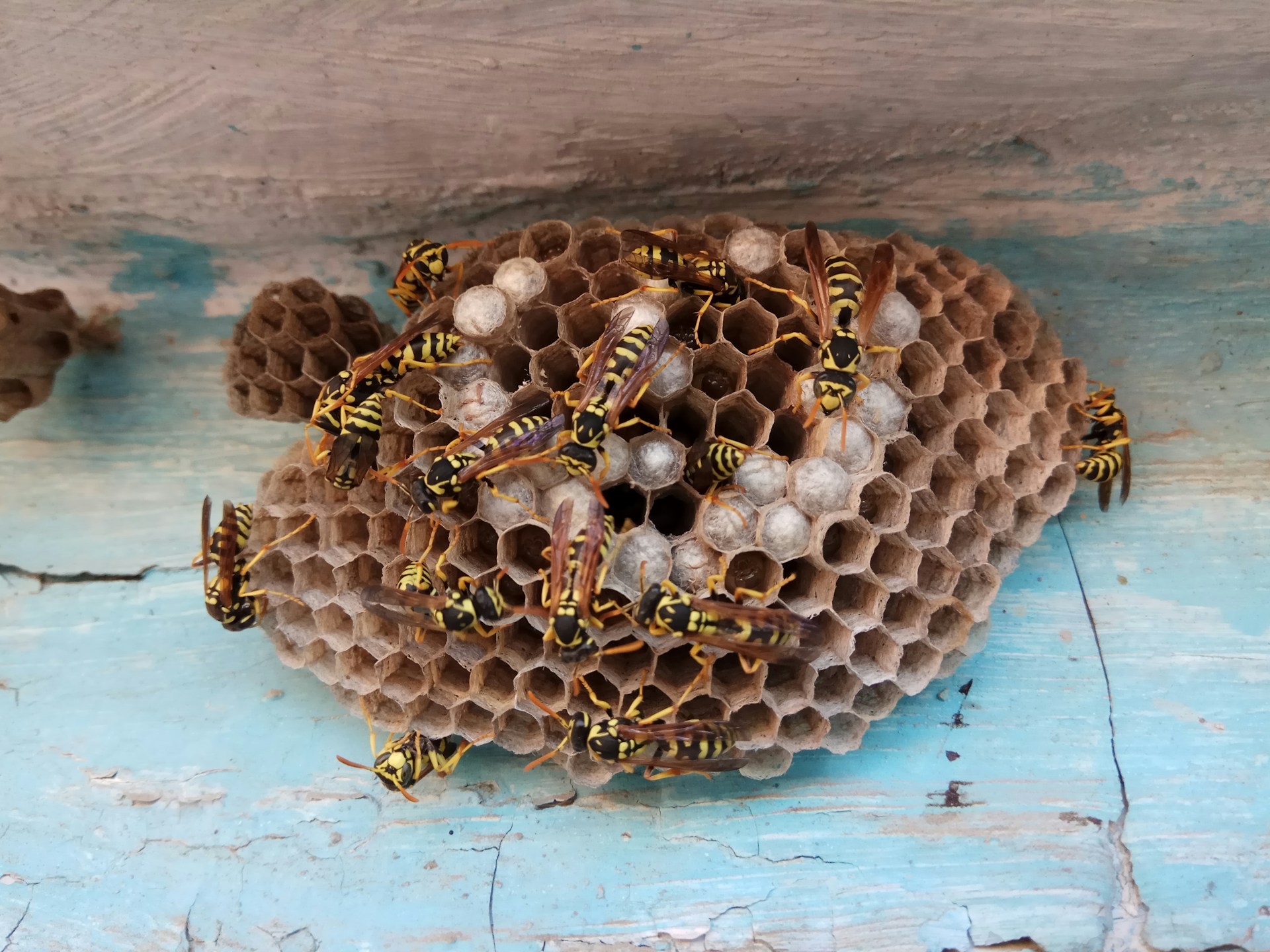
How to Get Rid of Flies and Wasps in Your Garden: UK Guide
Wasps peak in late summer as colonies max out and turn to scavenging, while flies breed fast around bins and fallen fruit all season - this guide covers prevention, physical control and when a chemical treatment is actually needed.

How to Care for a Snake Plant: Complete UK Guide
Snake plants are one of the toughest houseplants around, tolerating low light and irregular watering while purifying indoor air.
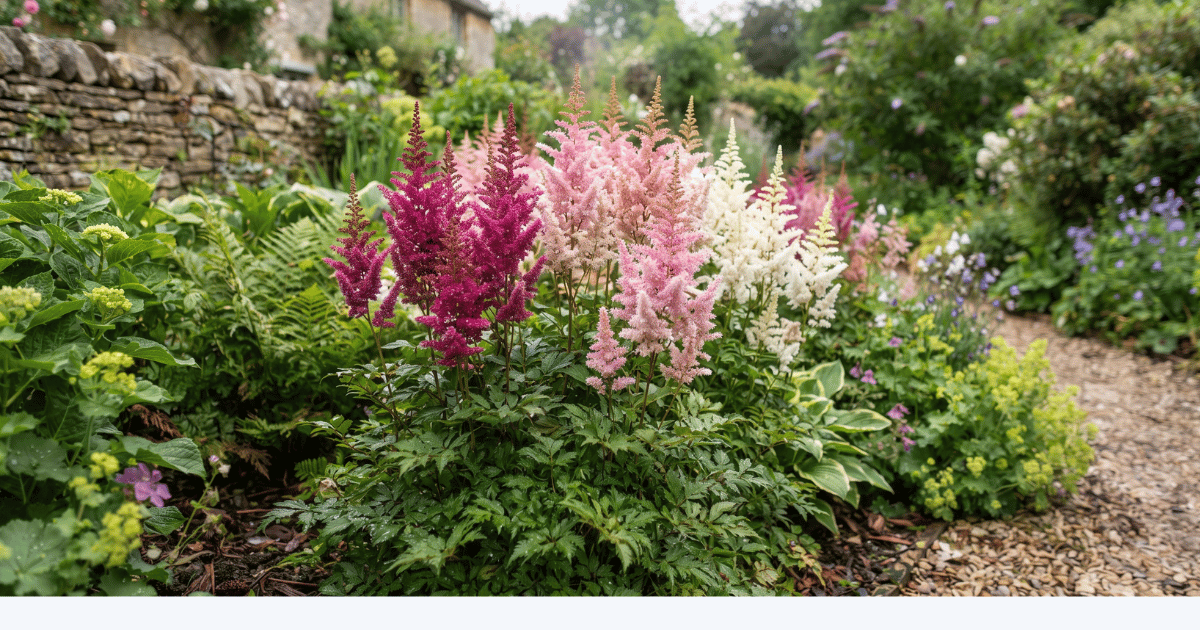
How to Grow Astilbe: Complete UK Care Guide
Astilbe brings feathery plumes of colour to moist, shady borders in summer, but needs consistently damp soil to prevent scorched, crispy foliage.
How to Care for a Spider Plant: Complete UK Guide
Spider plants are cheerful, resilient houseplants that produce cascades of plantlets, making them ideal for beginners and easy propagation.
How to Get Rid of Moss in Your Lawn: UK Guide
Moss thrives in compacted, shaded or poorly drained UK lawns, and lasting control means combining scarifying and iron sulphate treatment with fixing the underlying drainage, shade and fertility issues.