
How to Grow Viburnum: Complete UK Care Guide
Viburnums are versatile, easy-care shrubs offering scented winter or spring flowers, attractive berries and reliable structure in almost any UK garden.
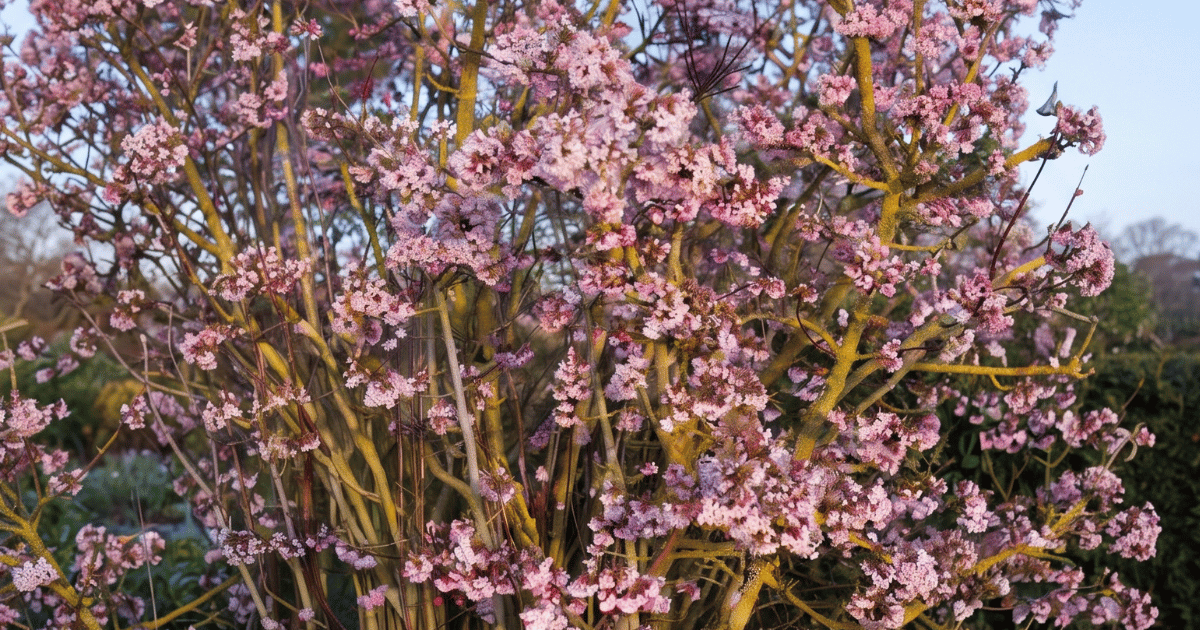
To grow viburnum successfully in the UK, choose a species suited to your desired season of interest, whether scented winter flowers from Viburnum x bodnantense or spring blooms and autumn berries from Viburnum opulus. Plant in sun or part shade in reasonably fertile, moisture-retentive soil, prune promptly after flowering, and check for viburnum beetle each spring.
Key takeaways
- Choose winter- or spring-flowering species depending on when you want colour and scent in your garden.
- Prune immediately after flowering to avoid cutting off next year's flower buds.
- Viburnum beetle larvae can badly damage leaves in spring; check undersides of leaves from April.
- Evergreen Viburnum tinus makes an excellent, dense, flowering and berrying hedge.
- Berries are most reliable where more than one compatible viburnum is grown for cross-pollination.
| Attribute | Detail |
|---|---|
| Botanical name | Viburnum (many species and cultivars) |
| Plant type | Deciduous or evergreen shrub |
| Height & spread | 1.5-4m depending on species |
| Hardiness | RHS H5-H6 |
| Position | Full sun to part shade |
| Soil | Moderately fertile, moisture-retentive, well-drained |
| Flowering/interest period | Winter (November-February) or spring (April-May) depending on species |
| Difficulty | Easy |
Choosing viburnum varieties for UK gardens
Decide first whether you want winter scent, spring flower display, autumn berries or year-round screening, then choose accordingly. See our grow guides hub for further shrub comparisons.
| Species/cultivar | Flowering time | Type | Notes |
|---|---|---|---|
| Viburnum x bodnantense 'Dawn' | November-February | Deciduous | Strongly scented pink flowers on bare stems |
| Viburnum tinus 'Eve Price' | Late winter-spring | Evergreen | Compact, good for hedging, pink buds/white flowers |
| Viburnum opulus (Guelder Rose) | May-June | Deciduous | Lacecap flowers, red autumn berries, good wildlife value |
| Viburnum plicatum 'Mariesii' | May | Deciduous | Tiered branches, showy white lacecap flowers |
| Viburnum davidii | Spring (flowers less showy) | Evergreen | Low, spreading groundcover, blue berries on female plants |
Where and when to plant viburnum
Plant container-grown viburnums in autumn or spring, giving roots time to establish before summer heat or winter cold. Most species tolerate full sun or part shade equally well; Viburnum tinus is particularly useful for shadier boundaries and hedging. Choose reasonably fertile, moisture-retentive but well-drained soil, avoiding waterlogged sites.
How to plant viburnum
- Dig a hole twice the width of the root ball and to the same depth.
- Fork over the base and mix in well-rotted organic matter.
- Position the shrub so the top of the root ball is level with the surrounding soil.
- Backfill and firm gently to remove air pockets.
- Water thoroughly, even in damp weather, to settle the soil.
- Apply a mulch of bark or compost around the base, avoiding the stem.
- For hedging, space plants 45-60cm apart depending on the species and desired density.
Watering and feeding
Water regularly during the first two growing seasons while roots establish, then only in prolonged dry spells thereafter, as most viburnums are reasonably drought-tolerant once settled. Apply a general-purpose, slow-release fertiliser in spring, and mulch annually with well-rotted compost to maintain soil fertility and moisture retention.
Pruning viburnum
Timing depends on flowering season: prune winter-flowering types such as Viburnum x bodnantense in late winter or early spring once flowering has finished, removing a proportion of older stems to encourage fresh growth. Prune spring-flowering species such as Viburnum plicatum and Viburnum opulus immediately after flowering in late spring, as flower buds for the following year form on the current season's growth soon afterwards. Evergreen Viburnum tinus grown as hedging can be trimmed with shears in spring and again in late summer to maintain shape. For thicker old wood on mature, overgrown shrubs, loppers or a small chainsaw may make renovation easier.
Propagation
Take semi-ripe cuttings of evergreen species in summer, or softwood cuttings of deciduous species in early summer, rooting them in free-draining cuttings compost under cover. Alternatively, layer low-growing stems in autumn by pegging them into the soil, where they typically root within a year and can then be severed from the parent plant. Seed is a slower option and may not come true for named cultivars.
Growing viburnum in pots
Compact species such as Viburnum davidii and smaller Viburnum tinus cultivars grow well in large containers on patios. Use a loam-based compost such as John Innes No.3 for stability and moisture retention, and choose a pot at least 40cm wide with good drainage. Water regularly through the growing season, feed in spring, and repot or top-dress every two to three years as growth slows in confined roots.
Common problems
| Problem | Symptom | Fix |
|---|---|---|
| Viburnum beetle | Skeletonised, lacy, brown leaves in spring and summer | Check leaf undersides from April; remove larvae; prune out badly affected shoots |
| Powdery mildew | White powdery coating on leaves, especially in dry conditions | Improve air circulation, water at the base, remove badly affected leaves |
| Bacterial leaf spot | Dark, angular spots on leaves | Remove affected foliage, avoid overhead watering, improve spacing |
| Aphids | Curled, distorted new growth, sticky honeydew | Encourage natural predators; spray with soapy water if severe |
| Poor berry set | Few or no berries despite good flowering | Plant a compatible second viburnum nearby to aid cross-pollination |
Month-by-month care calendar
| Month | Task |
|---|---|
| January | Enjoy winter-flowering species; prune once flowering ends |
| February | Finish pruning winter-flowering types; apply mulch |
| March | Apply slow-release feed; plant new container-grown viburnums |
| April | Check leaf undersides for viburnum beetle larvae |
| May | Enjoy spring flowering species; prune promptly once blooms fade |
| June | Take softwood cuttings; water new plantings |
| July | Trim evergreen hedging; monitor for powdery mildew |
| August | Take semi-ripe cuttings of evergreen species |
| September | Watch for developing autumn berries |
| October | Plant new viburnums while soil is warm |
| November | Enjoy early winter-flowering displays begin |
| December | Check plants after storms; firm in any loosened roots |
With the right species chosen for your garden, viburnum offers something in almost every season. For more seasonal shrub ideas, see our seasonal guide hub or browse all plant profiles.
Viburnum FAQs
What is the difference between winter- and spring-flowering viburnum?
What is viburnum beetle and how do I control it?
When should I prune viburnum?
Do all viburnums produce berries?
Is viburnum evergreen or deciduous?
Can viburnum be grown as a hedge?
Tags
Comments
Join the conversation
Create a free account to leave comments, share photos, and connect with other gardeners.
Related Articles
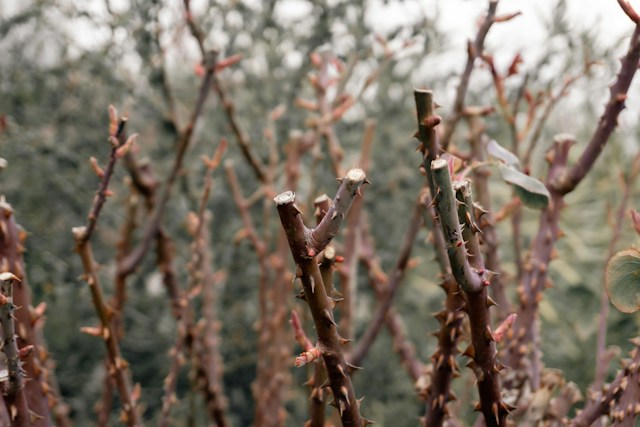
Essential Winter Pruning Guide for UK Gardens
Winter pruning is a vital task for many UK gardeners, ensuring plant health, vigour, and a bountiful display in the coming seasons. This comprehensive guide covers everything you need to know about pruning dormant plants for optimal results.
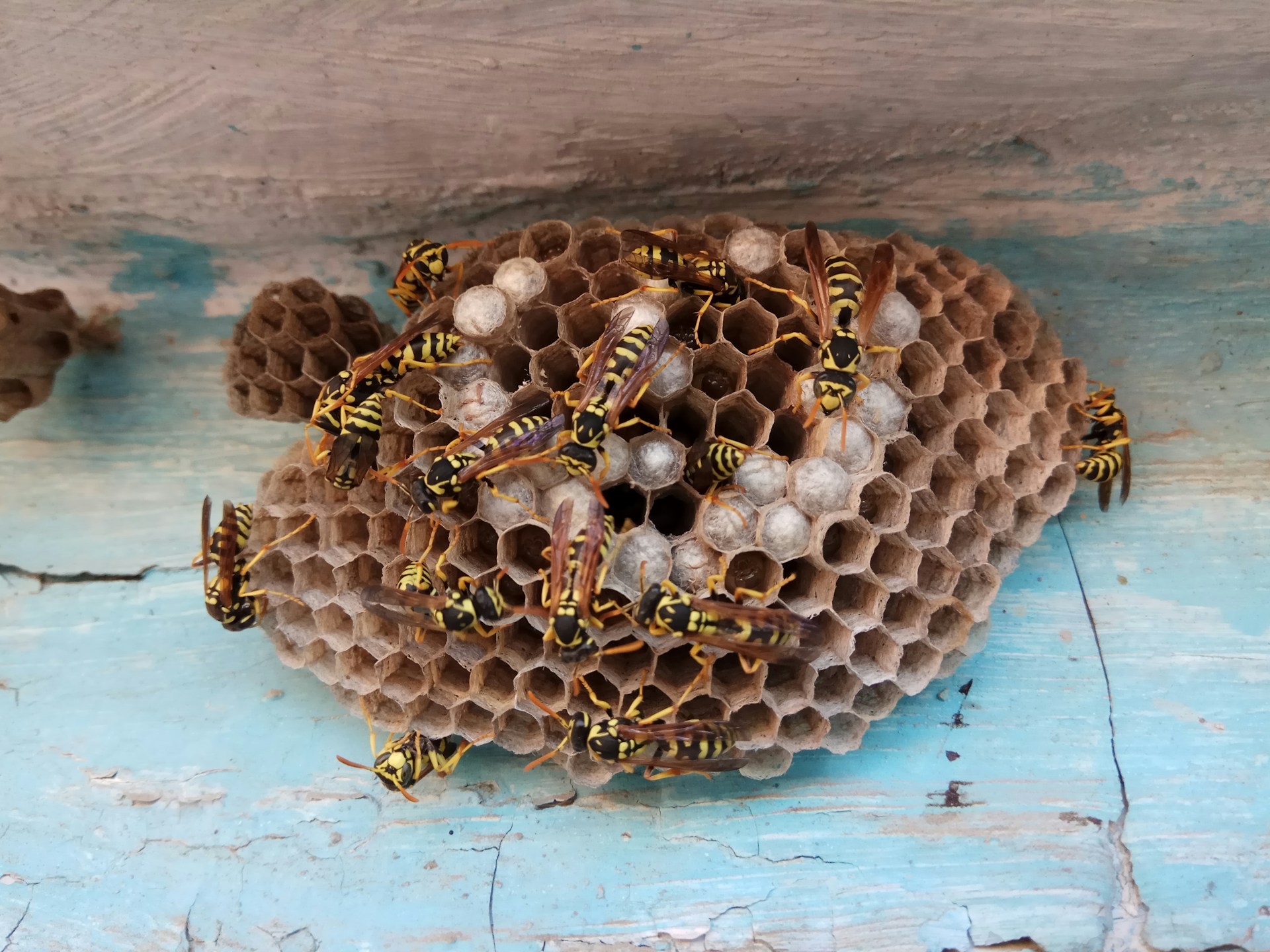
How to Get Rid of Flies and Wasps in Your Garden: UK Guide
Wasps peak in late summer as colonies max out and turn to scavenging, while flies breed fast around bins and fallen fruit all season - this guide covers prevention, physical control and when a chemical treatment is actually needed.

How to Care for a Snake Plant: Complete UK Guide
Snake plants are one of the toughest houseplants around, tolerating low light and irregular watering while purifying indoor air.
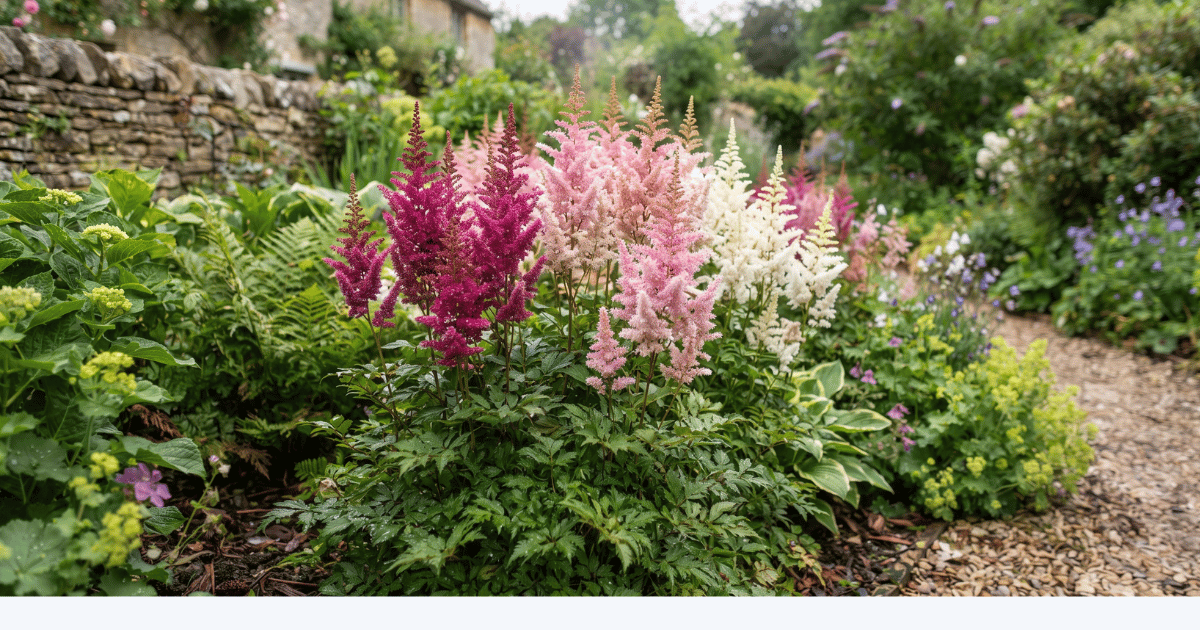
How to Grow Astilbe: Complete UK Care Guide
Astilbe brings feathery plumes of colour to moist, shady borders in summer, but needs consistently damp soil to prevent scorched, crispy foliage.
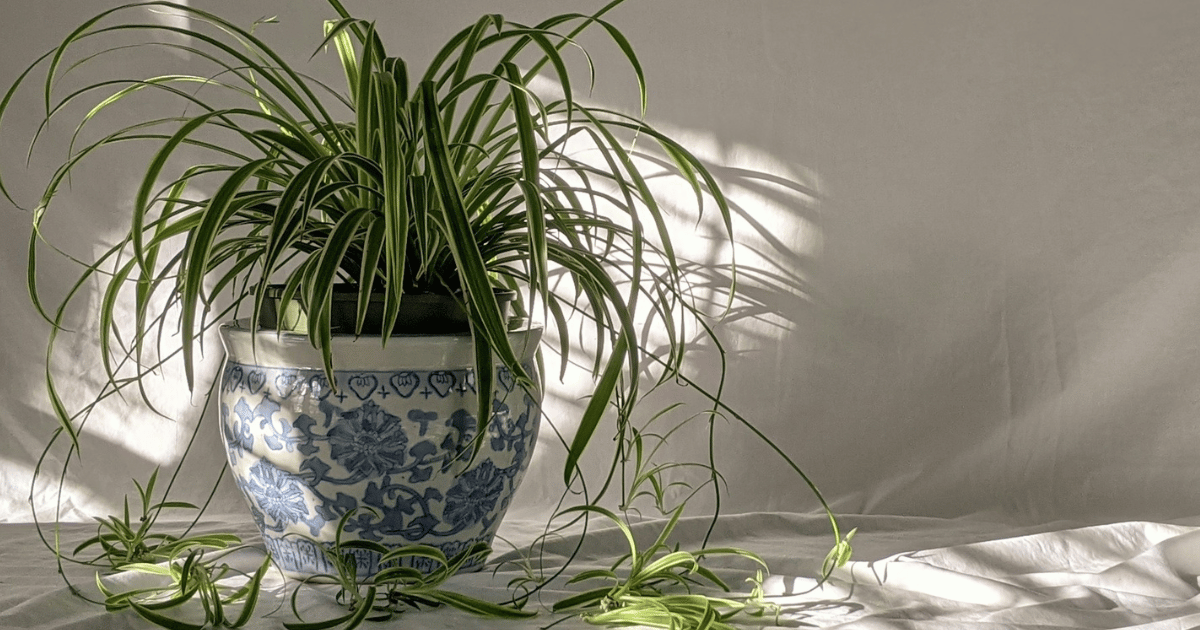
How to Care for a Spider Plant: Complete UK Guide
Spider plants are cheerful, resilient houseplants that produce cascades of plantlets, making them ideal for beginners and easy propagation.
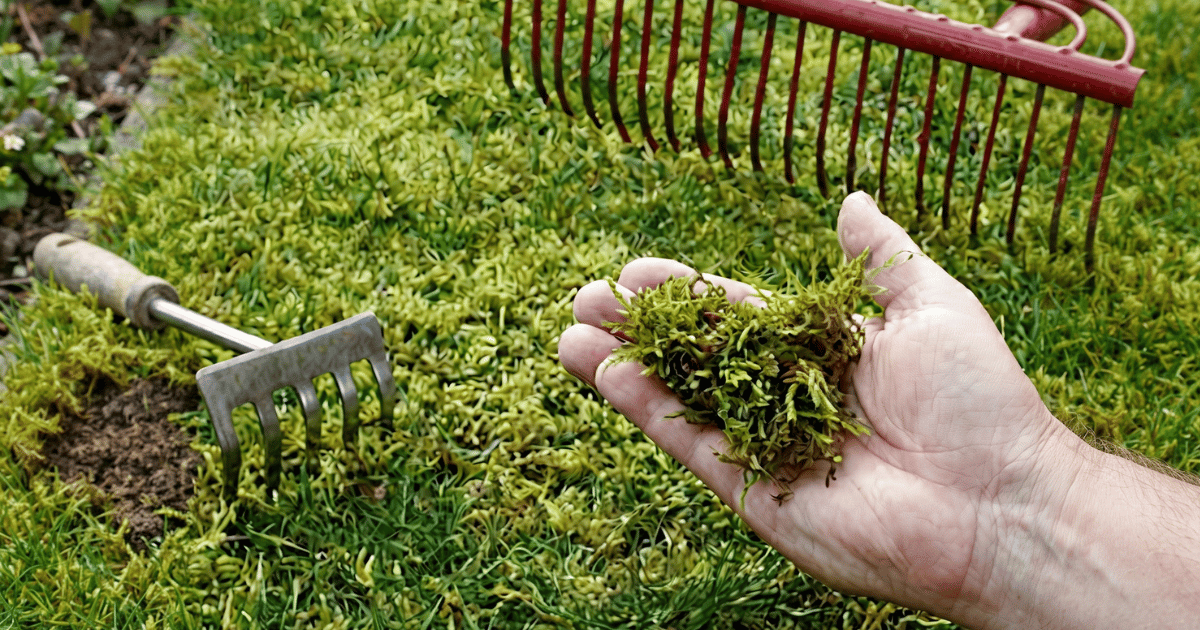
How to Get Rid of Moss in Your Lawn: UK Guide
Moss thrives in compacted, shaded or poorly drained UK lawns, and lasting control means combining scarifying and iron sulphate treatment with fixing the underlying drainage, shade and fertility issues.