
How to Get Rid of Slugs and Snails: UK Control Guide
Slugs and snails cause ragged holes and seedling losses across UK gardens, but a combination of nematodes, barriers, resistant planting and good hygiene keeps damage manageable without banned chemicals.
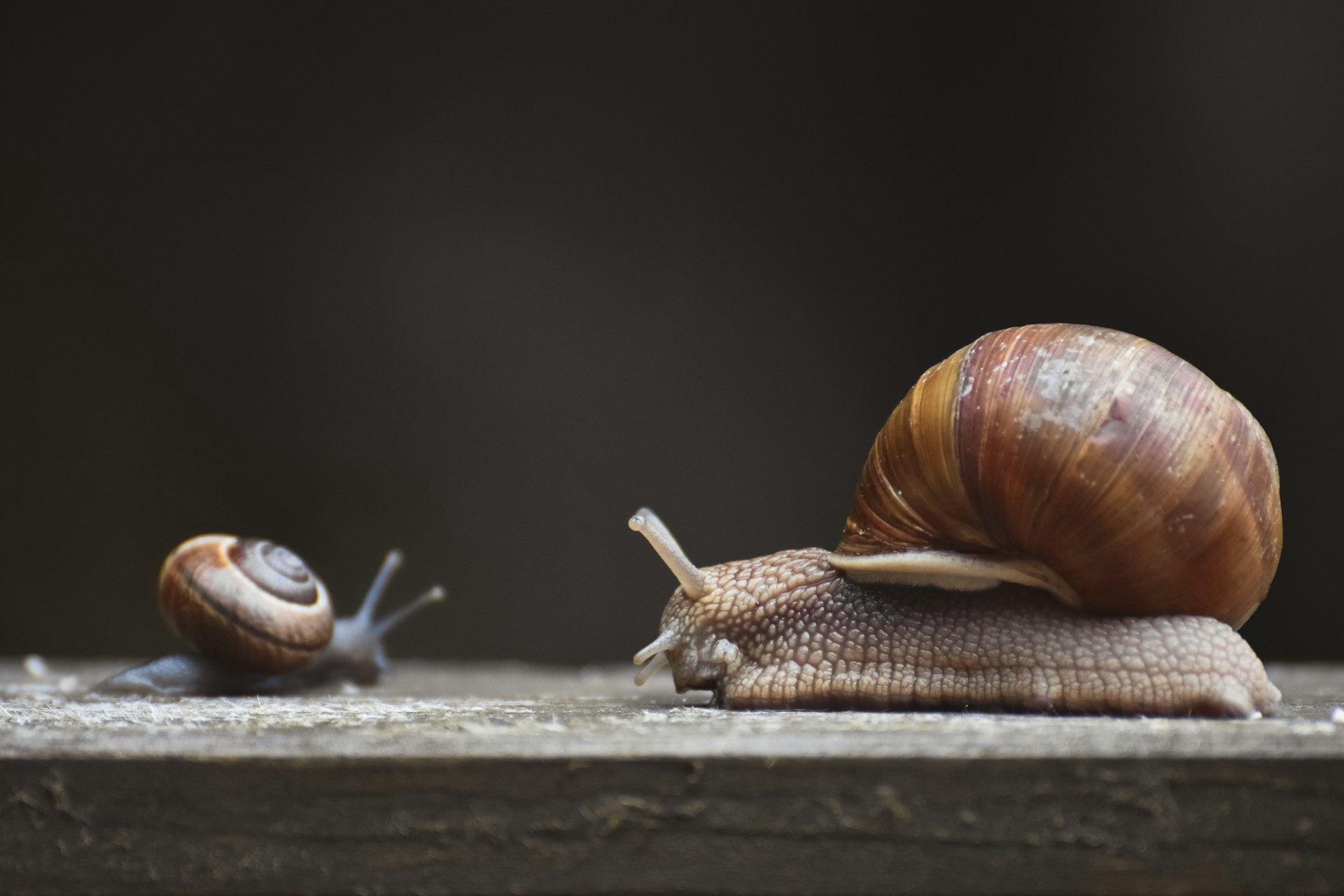
Slugs and snails are among the most common and frustrating garden pests in the UK, chewing ragged holes in leaves and destroying seedlings overnight, especially in mild, damp weather. Since the 2022 ban on metaldehyde pellets, effective control now relies on biological nematodes, physical barriers, good garden hygiene and choosing plants they tend to avoid.
Key takeaways
- Metaldehyde slug pellets have been banned for UK amateur and professional use since 2022; only ferric phosphate-based pellets remain widely approved.
- Biological nematodes watered into warm, moist soil are one of the most effective treatments for soil-dwelling slugs.
- Damage is worst in mild, wet spring and autumn conditions, particularly on young seedlings and soft new growth.
- Copper tape, beer traps and wool pellets can all help but work best as part of a combined approach, not alone.
- Choosing resistant plants and improving garden hygiene reduces the need for any control products at all.
| Problem | Affects | Peak season | Severity | Organic control | Chemical control availability | Prevention |
|---|---|---|---|---|---|---|
| Slugs and snails | Seedlings, hostas, soft perennials, vegetables | Spring and autumn, mild damp nights | Moderate to severe on vulnerable plants | Nematodes, barriers, hand-picking, traps | Ferric phosphate pellets only; metaldehyde banned | Hygiene, resistant plants, encouraging predators |
How to identify slug and snail damage
Slugs and snails leave irregular holes with smooth edges in leaves, often starting at the margins, and can strip seedlings to nothing in a single night. Silvery slime trails on soil, paving or foliage are the clearest giveaway, especially visible in early morning. Damage is usually worse close to ground level and on soft, lush growth.
| Symptom | Likely cause | Key difference |
|---|---|---|
| Ragged holes, slime trails, worst at night | Slugs and snails | Visible slime trail is diagnostic |
| Neat round holes, no slime | Caterpillars or beetles | No slime trail; frass pellets may be present |
| Notched leaf edges, no slime | Vine weevil adults | Damage confined to leaf margins, active at night but no slime |
| Wilting with soil-line stem damage | Cutworms | Stem severed at soil level, larvae found in soil |
Life cycle and why slugs thrive in UK gardens
The UK's mild, damp climate suits slugs and snails perfectly. Eggs are laid in soil throughout the growing season and hatch within a few weeks in warm conditions, meaning populations build quickly from spring onwards. Adults can live for a year or more, sheltering in leaf litter, under pots and in dense ground cover during dry or cold spells, then becoming active again as soon as conditions turn mild and wet.
Cultural and preventative control
Reducing shelter and moisture around vulnerable plants makes a real difference. Clear away decaying leaves, thick mulch and plant debris where slugs hide during the day, and water in the morning rather than the evening so soil surfaces are drier overnight. Raising seedlings in modules or under cloches until they are large enough to withstand some damage, and spacing plants to improve airflow, also helps. See our how-to guides for wider seasonal maintenance advice.
Organic and biological controls compared
| Method | Effectiveness | Effort |
|---|---|---|
| Biological nematodes | High for soil-dwelling slugs | Moderate; needs reapplication every 6 weeks |
| Wool pellets | Moderate | Low; scatter around plants |
| Copper tape/rings | Low to moderate | Low but needs cleaning |
| Beer traps | Moderate, localised | Moderate; needs regular emptying |
| Hand-picking at dusk | Moderate | High; time-consuming but immediate |
| Encouraging predators (birds, frogs, hedgehogs) | Moderate long-term | Low once habitat established |
Chemical controls and their limits
Metaldehyde-based slug pellets are no longer legally sold or used in the UK due to their toxicity to wildlife, pets and waterways. Ferric phosphate pellets remain approved for amateur use and are considered lower-risk, but always check current product labels, as approvals change; do not assume any pellet is automatically safe simply because it is on a shelf. Even approved products work best used sparingly alongside other methods rather than as a first resort.
What does not work
Crushed eggshells, coffee grounds and grit barriers are popular folklore remedies, but robust evidence that they reliably deter slugs is lacking, and any effect tends to be temporary once material becomes damp or compacted. Beer traps and copper tape are genuinely useful additions but are commonly oversold as complete solutions; neither eliminates a slug population on their own.
Slug-resistant plants for UK gardens
Choosing tougher, less palatable plants reduces reliance on control methods. Lavender, rosemary, euphorbia, astrantia, alchemilla, ferns and ornamental grasses are rarely troubled, while hostas, delphiniums, dahlias and vegetable seedlings remain high-risk and benefit from extra protection. Browse our grow guides for more resilient planting ideas, and see plant profiles for individual susceptibility notes.
Month-by-month action calendar
| Month | Action |
|---|---|
| March | Apply first nematode treatment once soil warms; protect emerging seedlings |
| April-May | Watch young transplants closely; hand-pick at dusk |
| June-August | Reapply nematodes every 6 weeks; maintain traps and barriers |
| September | Continue protection for autumn sowings and young plants |
| October | Clear fallen leaves and debris to reduce overwintering shelter |
| November-February | Tidy borders; plan resistant planting for next season |
Slug and Snail Control FAQs
Is metaldehyde slug pellet still legal to use in the UK?
Do copper tape and copper rings actually work?
Are beer traps worth setting up?
When should I apply nematodes for slug control?
Do wool pellets keep slugs away?
Which plants are least likely to be eaten by slugs and snails?
Tags
Comments
Join the conversation
Create a free account to leave comments, share photos, and connect with other gardeners.
Related Articles
How to Get Rid of Flies and Wasps in Your Garden: UK Guide
Wasps peak in late summer as colonies max out and turn to scavenging, while flies breed fast around bins and fallen fruit all season - this guide covers prevention, physical control and when a chemical treatment is actually needed.
Box Blight: How to Identify and Treat It in UK Gardens
Box blight causes brown patches and defoliation in buxus, and is often confused with box tree caterpillar damage; both need different responses, and many UK gardeners are now switching to alternative hedging plants.
Black Spot on Roses: How to Treat and Prevent It
Black spot is the most common rose disease in UK gardens, causing dark leaf spotting and premature leaf fall, and is best managed through strict sanitation, resistant cultivars and well-timed preventative treatment rather than chemicals alone.

How to Care for a Snake Plant: Complete UK Guide
Snake plants are one of the toughest houseplants around, tolerating low light and irregular watering while purifying indoor air.
How to Grow Astilbe: Complete UK Care Guide
Astilbe brings feathery plumes of colour to moist, shady borders in summer, but needs consistently damp soil to prevent scorched, crispy foliage.
How to Care for a Spider Plant: Complete UK Guide
Spider plants are cheerful, resilient houseplants that produce cascades of plantlets, making them ideal for beginners and easy propagation.