
How to Grow Delphiniums: Complete UK Care Guide
Delphiniums bring dramatic vertical colour to borders in early summer, but their tall spires need sturdy staking and protection from slugs to thrive.
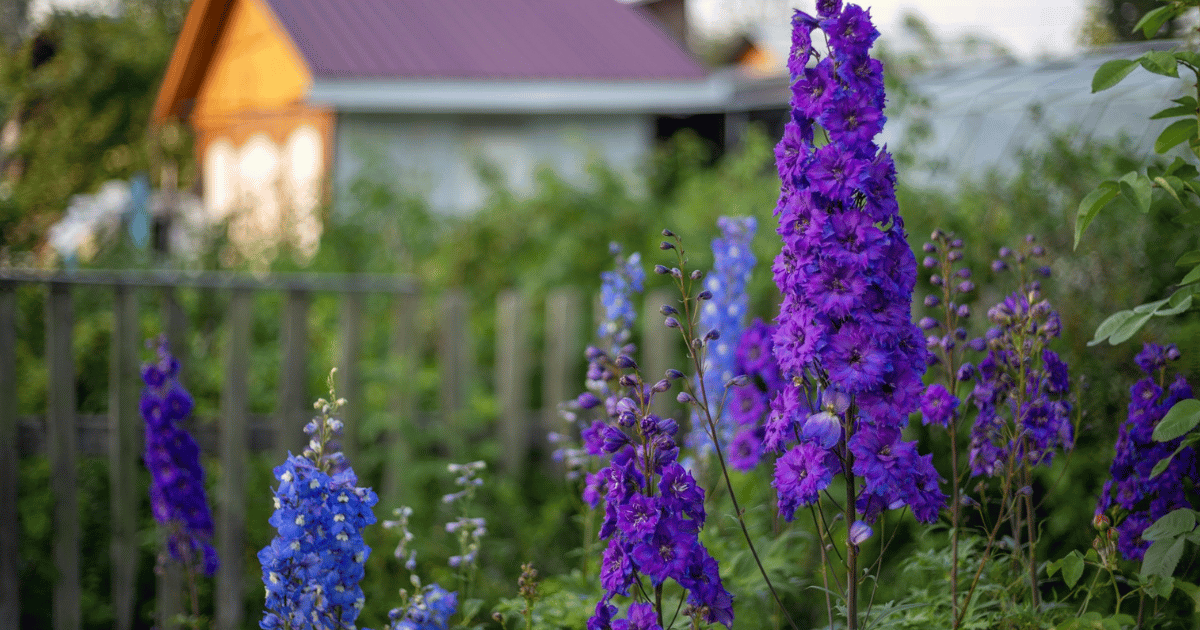
Delphiniums produce some of the tallest, most dramatic flower spires in the UK border, in shades of blue, purple, pink and white through early summer. They need a sunny, sheltered spot, rich soil, sturdy staking and vigilant slug control, but the reward is a spectacular display that can be extended with the Chelsea chop technique.
Key takeaways
- Delphiniums need full sun, fertile soil and shelter from strong wind to support their tall spires.
- Slugs and snails are the biggest threat to young growth in spring; protect shoots as soon as they appear.
- Stake early with canes or ring supports before stems reach full height.
- The Chelsea chop, performed in late May, can stagger flowering and produce later blooms.
- Divide or take basal cuttings every few years as plants are relatively short-lived.
| Attribute | Detail |
|---|---|
| Botanical name | Delphinium elatum hybrids |
| Plant type | Herbaceous perennial |
| Height & spread | 1–2m x 0.6–1m |
| Hardiness | RHS H6 (fully hardy) |
| Position | Full sun, sheltered from wind |
| Soil | Fertile, moist but well-drained |
| Flowering period | June to July, with a possible second flush |
| Difficulty | Moderate; needs staking and slug protection |
Choosing varieties
The Elatum Group produces the classic tall spires, while Belladonna types are shorter and more branching, useful where staking space is limited.
| Variety | Colour | Height | Notes |
|---|---|---|---|
| 'Blue Nile' | Rich blue with white eye | Tall | Classic Elatum type, needs staking |
| 'Faust' | Deep violet-blue | Tall | Strong, sturdy stems |
| Pacific Giant Series | Mixed blues, pinks, whites | Very tall | Popular, often grown from seed |
| 'Sungleam' | Cream-white | Tall | Elegant, good for cutting |
| Belladonna Group 'Volkerfrieden' | Deep blue | Medium | Branching habit, less staking needed |
Where and when to plant
Plant delphiniums in spring or early autumn in a sunny position sheltered from strong winds, as exposed sites cause stems to snap. Choose fertile, well-drained soil enriched with organic matter, avoiding sites prone to waterlogging in winter. Pair them with other cottage-garden classics; see our flowers and how-to guides for border planning ideas.
How to plant
- Dig a hole and enrich the soil with well-rotted manure or compost.
- Set the plant at the same depth it was growing in its pot.
- Space plants at least 60–90cm apart to allow airflow.
- Water in thoroughly.
- Apply slug protection immediately around the crown.
- Insert stakes or a support ring while plants are still small.
Watering and feeding
Water regularly during dry spells, especially while plants are establishing and as flower spikes develop. Feed in spring with a balanced fertiliser, and apply a potash-rich feed such as tomato feed as flower buds form to encourage strong blooms. Mulch annually with well-rotted organic matter to retain moisture and boost fertility.
Pruning, cutting back, deadheading and the Chelsea chop
Deadhead the main flower spike once blooms fade by cutting back to a strong side shoot, which encourages secondary flowering later in summer. The Chelsea chop, carried out in late May, involves cutting some stems back by about a third; this delays flowering on those stems, staggering the display and extending the overall flowering season. Cut all growth down to ground level in autumn once foliage has died back.
Dividing and propagation
Delphiniums are relatively short-lived and benefit from being divided every three to four years in spring, lifting the clump and splitting the crown with a spade, ensuring each division has roots and shoots. Basal cuttings taken in spring, when new shoots are around 7–10cm, root readily in a free-draining compost and are the best way to propagate named cultivars true to type.
Growing in pots
Shorter varieties or Belladonna types can be grown in large, deep pots using a loam-based compost such as John Innes No. 3 for stability. Stake plants securely as pots can be top-heavy, water more frequently than border plants, and feed regularly through the growing season.
Common problems
| Problem | Symptom | Fix |
|---|---|---|
| Slugs and snails | Shredded young shoots in spring | Use nematodes, copper barriers and torchlight checks |
| Powdery mildew | White powdery coating on leaves | Improve air circulation, water at the base, remove affected leaves |
| Wind damage | Snapped or leaning stems | Stake early and choose a sheltered site |
| Crown rot | Blackened, collapsing base | Improve drainage, avoid waterlogged soil |
Month-by-month care calendar
| Month | Task |
|---|---|
| March | Protect emerging shoots from slugs; feed with balanced fertiliser |
| April | Install stakes or support rings; divide if needed |
| Late May | Perform Chelsea chop on selected stems |
| June–July | Main flowering period; deadhead spent spikes |
| August | Enjoy secondary flowering; keep watering in dry spells |
| September | Take basal cuttings if desired |
| Autumn–Winter | Cut back foliage after die-back; mulch the crown |
Delphinium FAQs
Do delphiniums need staking?
How do I stop slugs eating delphiniums?
What is the Chelsea chop and does it work on delphiniums?
How long do delphiniums live?
Can delphiniums be grown from seed?
Do delphiniums prefer sun or shade?
Tags
Comments
Join the conversation
Create a free account to leave comments, share photos, and connect with other gardeners.
Related Articles
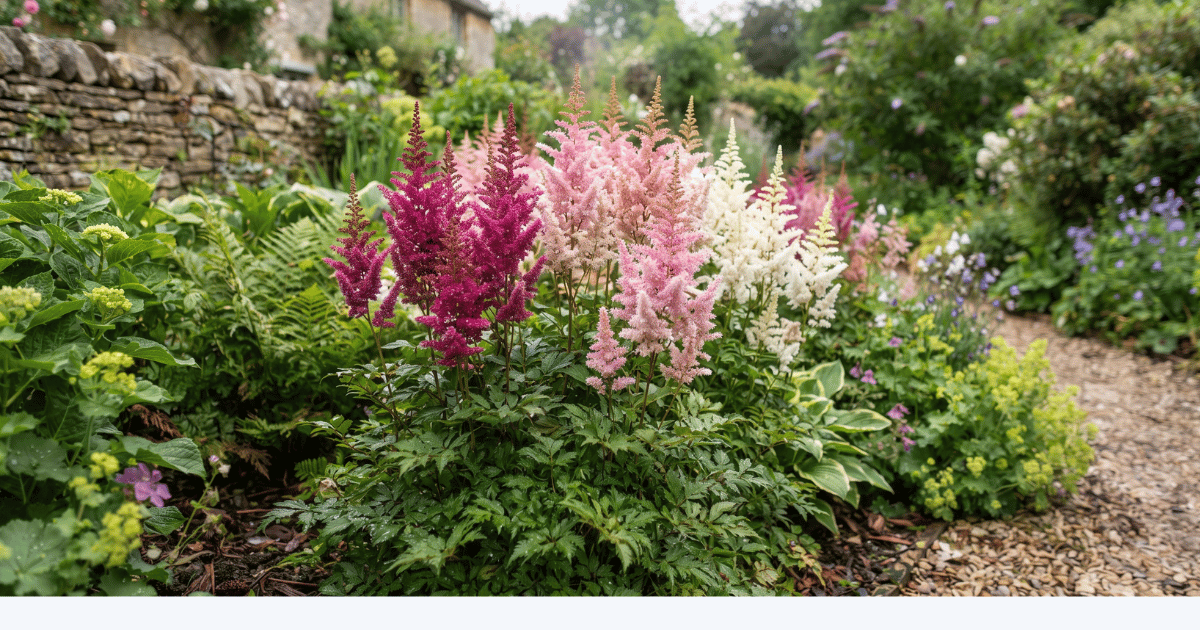
How to Grow Astilbe: Complete UK Care Guide
Astilbe brings feathery plumes of colour to moist, shady borders in summer, but needs consistently damp soil to prevent scorched, crispy foliage.
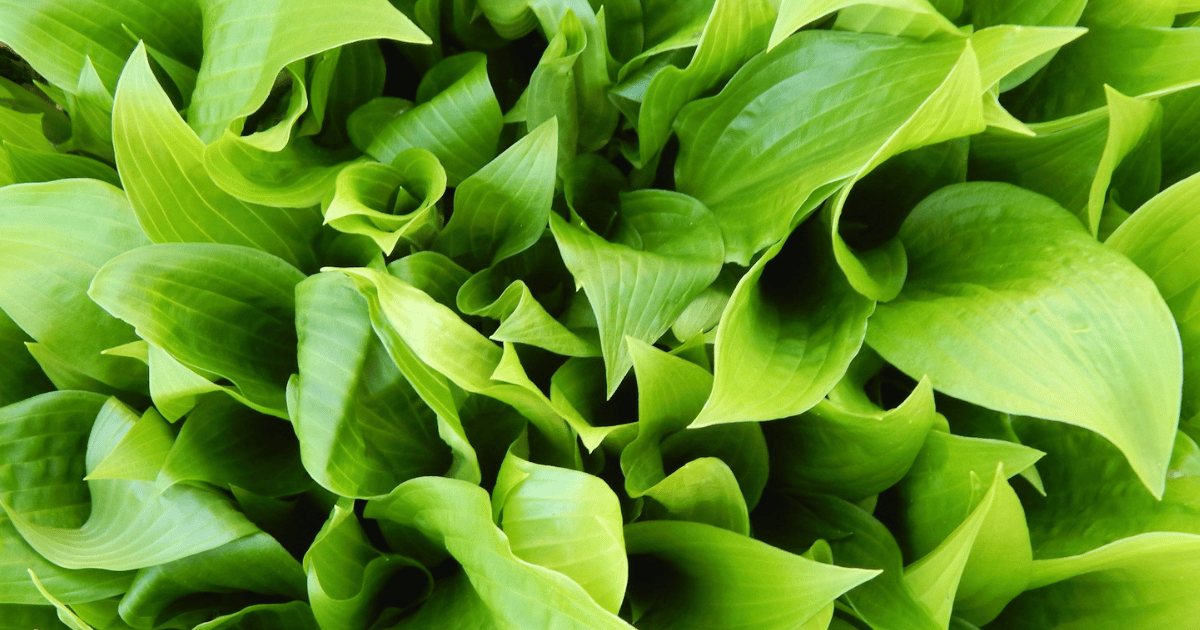
How to Grow Hostas: Complete UK Care Guide
Hostas are among the best foliage perennials for shady UK gardens, but slugs and snails mean choosing the right variety and site is essential for success.
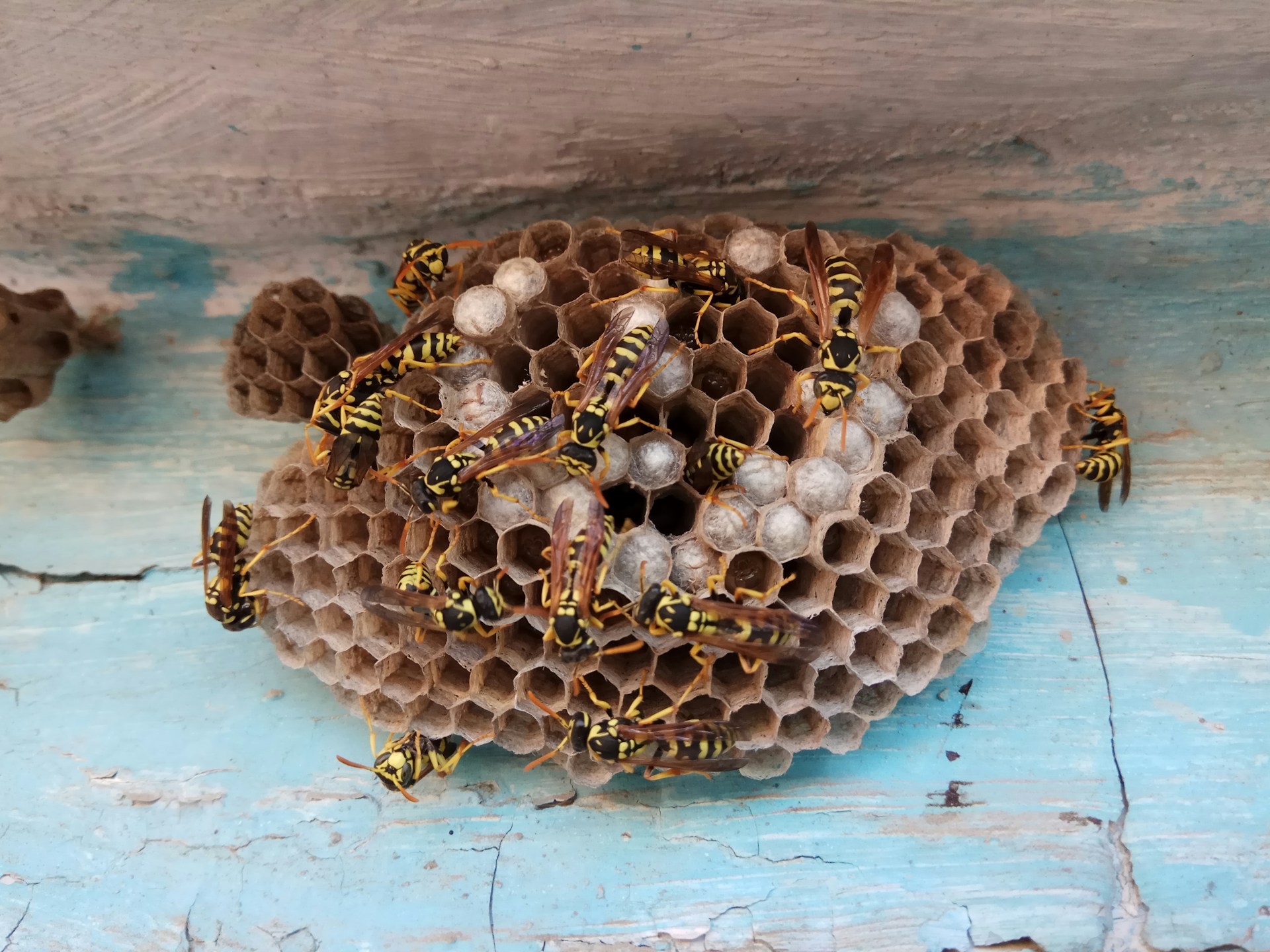
How to Get Rid of Flies and Wasps in Your Garden: UK Guide
Wasps peak in late summer as colonies max out and turn to scavenging, while flies breed fast around bins and fallen fruit all season - this guide covers prevention, physical control and when a chemical treatment is actually needed.

How to Care for a Snake Plant: Complete UK Guide
Snake plants are one of the toughest houseplants around, tolerating low light and irregular watering while purifying indoor air.
How to Care for a Spider Plant: Complete UK Guide
Spider plants are cheerful, resilient houseplants that produce cascades of plantlets, making them ideal for beginners and easy propagation.
How to Get Rid of Moss in Your Lawn: UK Guide
Moss thrives in compacted, shaded or poorly drained UK lawns, and lasting control means combining scarifying and iron sulphate treatment with fixing the underlying drainage, shade and fertility issues.