
How to Grow Wisteria: Complete UK Care Guide
Wisteria is a vigorous, long-lived climber that rewards patience with spectacular spring flowers, provided you plant a grafted cultivar and prune twice a year.

To grow wisteria successfully in the UK, plant a named, grafted cultivar such as Wisteria floribunda or Wisteria sinensis against a sturdy, sun-facing support in fertile, well-drained soil. Prune twice a year, cutting side shoots back in late summer and again harder in winter, to control growth and encourage the spring flower display.
Key takeaways
- Always buy a grafted, named cultivar rather than a seedling, as seed-raised wisteria can take decades to flower or never flower reliably.
- Two-stage pruning, in late summer and again in winter, is essential for strong flowering and controlling vigorous growth.
- Wisteria needs a robust, permanent support structure as mature plants become very heavy and woody.
- A sunny, sheltered, south or west-facing wall or pergola gives the best flowering results.
- Avoid high-nitrogen feeds, which encourage leafy growth at the expense of flowers.
| Attribute | Detail |
|---|---|
| Botanical name | Wisteria sinensis, Wisteria floribunda and cultivars |
| Plant type | Deciduous, woody, twining climber |
| Height & spread | Up to 10m or more if unpruned; trained forms can be kept smaller |
| Hardiness | RHS H5 (fully hardy) |
| Position | Full sun, sheltered from strong wind |
| Soil | Fertile, moist but well-drained, neutral to slightly acidic |
| Flowering/interest period | May to June, with occasional repeat flowering in late summer |
| Difficulty | Moderate to challenging; requires committed annual pruning |
Choosing wisteria varieties for UK gardens
Always choose a named, grafted cultivar from a reputable nursery, since these flower reliably within a few years, unlike seed-raised plants. See our grow guides hub for more climber comparisons.
| Cultivar | Raceme colour/length | Notes |
|---|---|---|
| Wisteria floribunda 'Multijuga' (syn. 'Macrobotrys') | Lilac-blue, up to 80cm | Dramatic long racemes, best on a pergola |
| Wisteria sinensis 'Prolific' | Lilac-blue, 20-30cm | Reliable, free-flowering, good for walls |
| Wisteria floribunda 'Alba' | White, 30-45cm | Elegant white form, lightly scented |
| Wisteria sinensis 'Amethyst' | Deep purple-blue | Compact vigour, good scent |
| Wisteria brachybotrys 'Shiro-kapitan' | White, 15-20cm | Large individual flowers, slightly less vigorous |
Where and when to plant wisteria
Plant container-grown wisteria in autumn or spring, avoiding periods of hard frost or drought. Choose a south- or west-facing wall, sturdy pergola or robust archway that can support significant long-term weight, in full sun with shelter from strong wind. Avoid frost pockets, as late frosts can damage emerging flower buds.
How to plant wisteria
- Dig a hole around 45cm from the base of the wall or support, as deep and twice as wide as the root ball.
- Fork in well-rotted organic matter to improve fertility and drainage.
- Position the plant so the graft union sits above soil level.
- Lean the plant slightly towards the support and backfill, firming gently.
- Water thoroughly and attach horizontal training wires 40cm apart if not already in place.
- Tie in the main stems loosely to begin training the framework.
- Mulch generously, keeping mulch away from the main stem.
Watering and feeding
Water regularly during the first two years to establish a deep root system, then only during prolonged dry spells once established. In spring, apply a potassium-rich feed such as sulphate of potash or a tomato feed to encourage flowering, and avoid nitrogen-rich general fertilisers which promote leafy growth instead of flowers. An annual mulch of well-rotted compost in spring helps retain moisture and feed the roots gradually.
Pruning wisteria: the two-stage method
Wisteria needs pruning twice a year to flower well and stay under control. In late July or August, cut back the long, whippy green side shoots produced that summer to five or six leaves from the main framework; this lets light and air into the plant and encourages flower buds to form. Then in January or February, while dormant, cut those same shoots back further to two or three buds. Continue training and tying in the permanent framework of main stems horizontally, as flowers form on short spurs off this structure. For thick, old woody stems on mature plants, a pruning saw or, on very large specimens, a chainsaw handled carefully may be required.
Propagation
Named cultivars are propagated commercially by grafting in late winter, which is difficult to replicate at home. Layering is a more practical method for gardeners: in spring or summer, bend a low, flexible stem to the ground, wound it slightly, peg it into the soil and leave it to root over a year before severing from the parent plant. Cuttings and seed are unreliable for producing plants that flower true to the parent.
Growing wisteria in pots
Wisteria can be grown in a large, heavy container as a trained standard with a clear stem and a rounded head, which suits patios and smaller gardens. Use a loam-based compost such as John Innes No.3 in a pot at least 50cm wide, and water and feed generously through the growing season as containers dry out quickly. Prune to the same two-stage schedule as ground-grown plants to maintain shape and encourage flowering, and repot or top-dress every couple of years.
Common problems
| Problem | Symptom | Fix |
|---|---|---|
| Failure to flower | Vigorous leafy growth but no or few flowers | Check it is a grafted cultivar; ensure summer and winter pruning; reduce nitrogen feed |
| Frost damage | Browned or shrivelled flower buds in spring | Avoid frost pockets; provide fleece protection during late cold snaps |
| Wisteria scale | Brown scaly bumps on stems, sticky honeydew, sooty mould | Scrub off scale in winter; encourage natural predators; use a suitable horticultural treatment if severe |
| Aphids | Distorted young shoots, sticky residue | Encourage ladybirds; spray with soapy water if infestation is heavy |
| Structural damage to support | Cracking or bowing of pergola, wall wires or fence | Use a support rated for heavy long-term loads; check and reinforce fixings regularly |
Month-by-month care calendar
| Month | Task |
|---|---|
| January | Complete winter pruning, cutting summer-pruned shoots to 2-3 buds |
| February | Finish winter pruning; check and repair support structures |
| March | Apply potassium-rich feed; mulch around the base |
| April | Watch for late frost damage to emerging buds; water new plants |
| May | Main flowering period; enjoy and photograph the display |
| June | Deadhead spent racemes; water during dry spells |
| July | Begin summer pruning of whippy side shoots to 5-6 leaves |
| August | Finish summer pruning; continue training new growth |
| September | Reduce watering as growth slows; check for scale insects |
| October | Plant new container-grown wisteria |
| November | Tidy fallen leaves; inspect support structures before winter |
| December | Plan next year's training; order new cultivars if extending coverage |
With a sturdy support, the right cultivar and disciplined pruning, wisteria becomes one of the most spectacular sights in a UK spring garden. For more climbing plant ideas, visit our flowers hub or browse all plant guides.
Wisteria FAQs
Why won't my wisteria flower?
How do I tell if a wisteria is grafted?
When should I prune wisteria?
How long does it take for wisteria to flower?
Is wisteria suitable for a small garden?
Can wisteria be grown in a pot?
Tags
Comments
Join the conversation
Create a free account to leave comments, share photos, and connect with other gardeners.
Related Articles

Choosing and Growing the Best Clematis for UK Gardens
Discover how to grow beautiful Clematis in the UK. This guide covers pruning groups, seasonal care, and the best varieties for vertical interest in your garden.
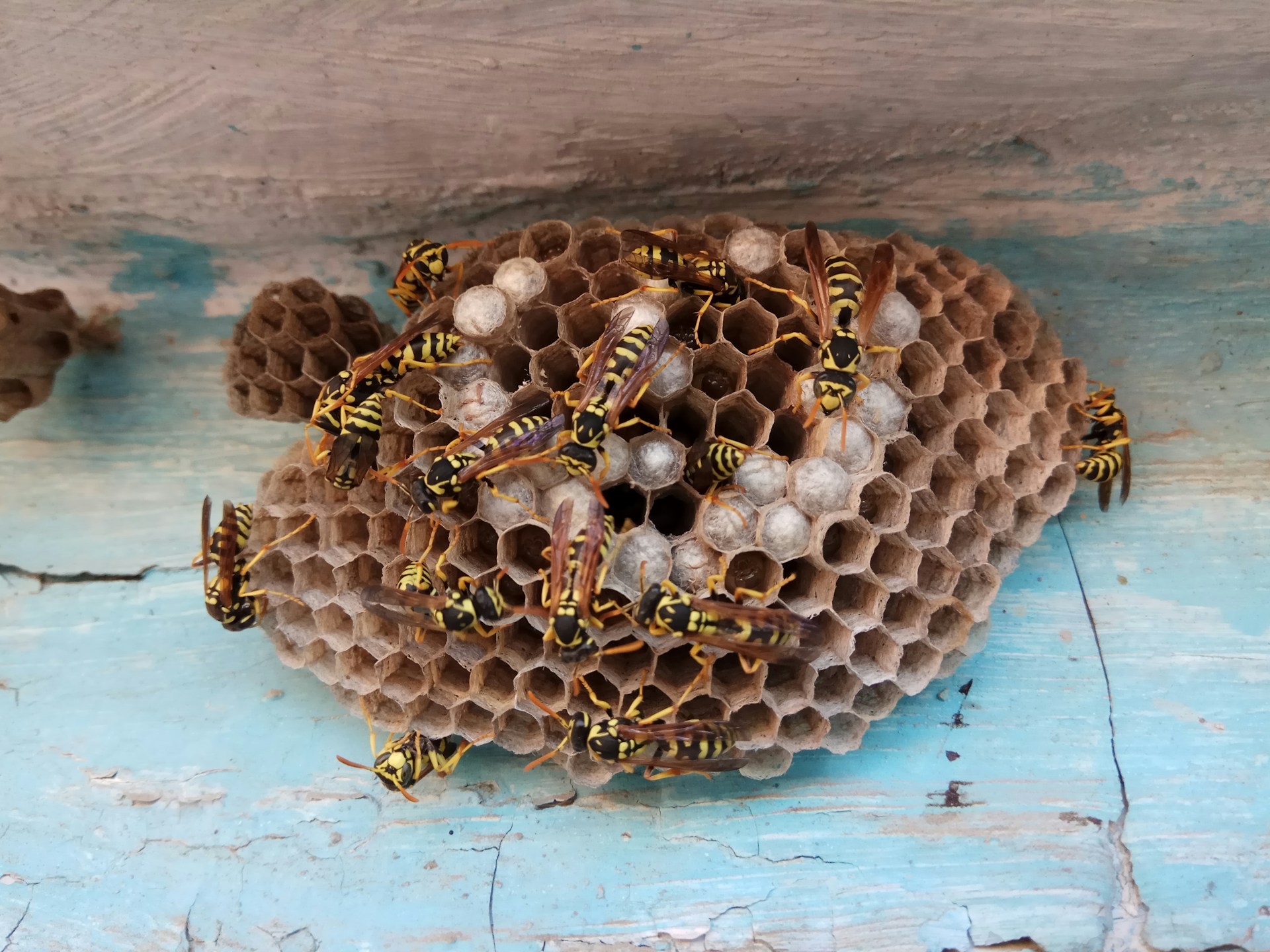
How to Get Rid of Flies and Wasps in Your Garden: UK Guide
Wasps peak in late summer as colonies max out and turn to scavenging, while flies breed fast around bins and fallen fruit all season - this guide covers prevention, physical control and when a chemical treatment is actually needed.

Discover the Top 5 Clematis Varieties to Flourish in the UK
If you’re a gardening enthusiast in the UK, you’re likely familiar with the allure of clematis, the stunning flowering vine that adds a touch of elegance to any garden. Discover the Top 5 Clematis Varieties to Flourish in the UK

How to Care for a Snake Plant: Complete UK Guide
Snake plants are one of the toughest houseplants around, tolerating low light and irregular watering while purifying indoor air.

How to Grow Astilbe: Complete UK Care Guide
Astilbe brings feathery plumes of colour to moist, shady borders in summer, but needs consistently damp soil to prevent scorched, crispy foliage.

How to Care for a Spider Plant: Complete UK Guide
Spider plants are cheerful, resilient houseplants that produce cascades of plantlets, making them ideal for beginners and easy propagation.