
How to Get Rid of Slugs and Snails: UK Garden Expert Guide
Learn how to get rid of slugs and snails in your UK garden with expert tips on organic pellets, nematodes, and natural barriers. Stop pest damage today!
Key takeaways
- The UK’s temperate, maritime climate is the perfect breeding ground for gastropods.
- The Royal Horticultural Society (RHS) recommends an Integrated Pest Management (IPM) approach, combining cultural, biological, and chemical controls for long-term effectiveness.
- This allows soil surfaces to dry before nightfall, making it harder for slugs to travel.
- Since April 2022, metaldehyde slug pellets are banned in the UK due to risks to wildlife and water sources.
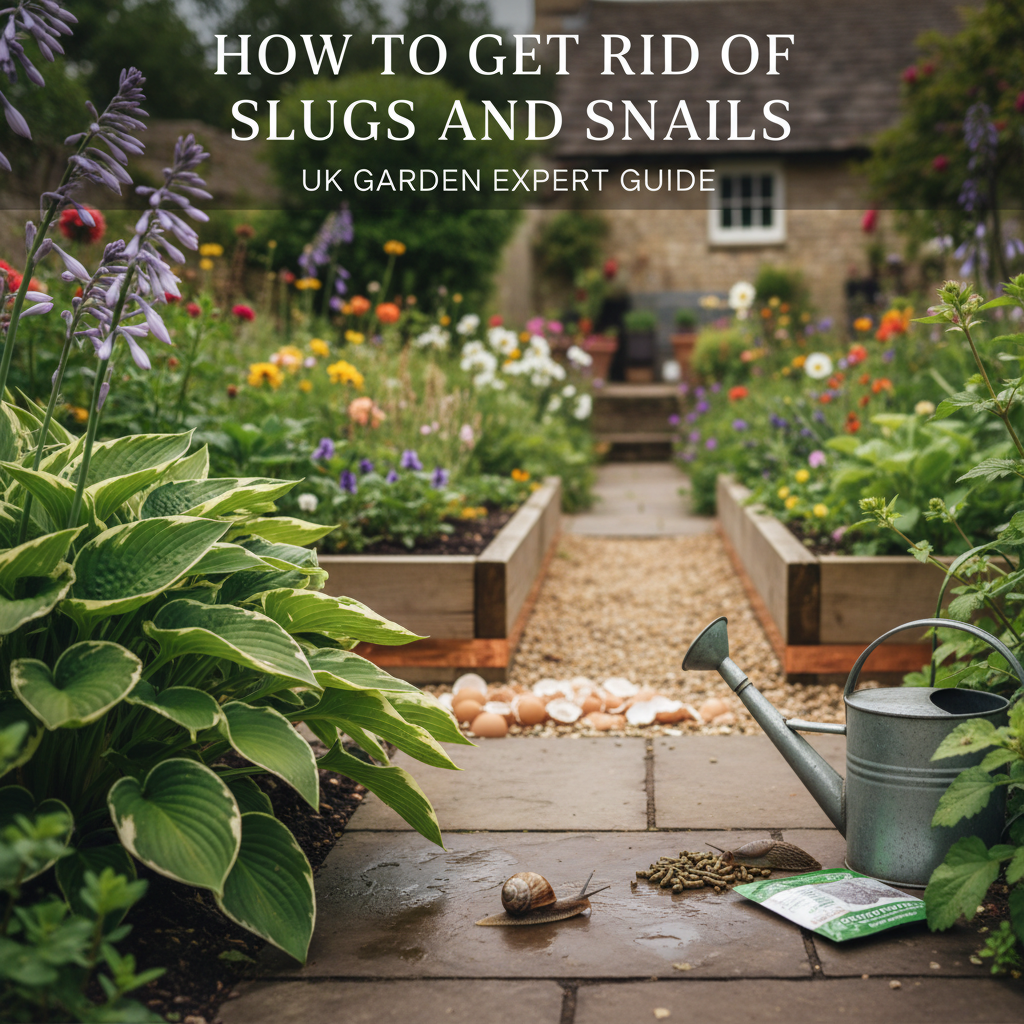
To get rid of slugs and snails in a UK garden, use a combination of organic barriers, biological controls like nematodes, and nocturnal hand-picking. The most effective method is a multi-layered approach: encourage natural predators such as hedgehogs and frogs, apply copper tape to pots, and use RHS-approved iron phosphate pellets sparingly during mild, damp evenings when pests are most active.
Effective Slug Control
- Best Time to Act: February to October (peak activity in mild, damp weather).
- Top Biological Control: Phasmarhabditis hermaphrodita (Slug Nematodes).
- Most Reliable Barrier: Copper tape and sharp grit.
- Organic Choice: Ferric phosphate pellets (safe for birds and pets).
- Cultural Control: Water in the morning, not the evening, to keep surface soil dry at night.
Why Are Slugs and Snails Such a Problem in the UK?
The UK’s temperate, maritime climate is the perfect breeding ground for gastropods. With over 40 species of slugs found in Britain - including the notorious Spanish Slug (Arion vulgaris) and the Grey Field Slug - gardeners face a constant battle.
These pests can consume up to 40 times their body weight in a single day, often destroying young seedlings overnight. Slugs are active year-round when temperatures exceed 5°C, peaking during the wet months of spring and autumn. Because they are around 80% water, moisture is essential for their movement and survival.
What Is the Most Effective Way to Kill Slugs and Snails?
The Royal Horticultural Society (RHS) recommends an Integrated Pest Management (IPM) approach, combining cultural, biological, and chemical controls for long-term effectiveness.
1. Biological Control: Slug Nematodes
Slug nematodes (Phasmarhabditis hermaphrodita) are microscopic worms that naturally occur in UK soil and actively hunt slugs underground.
- How it works: Nematodes enter the slug’s body and release bacteria that stop it feeding.
- When to apply: When soil temperatures are above 5°C (typically March–October).
- Application: Mix with water and apply to moist soil in the evening using a watering can.
2. The Beer Trap Method
Slugs are attracted to the fermenting yeast in beer, making this a classic control method.
- Bury a small container (e.g. a yoghurt pot) with the rim 1cm above soil level.
- Fill halfway with beer (cheap lager or bitter works best).
- Change the liquid every 3–4 days.
3. Barriers and Deterrents
Barriers protect high-value plants such as Hostas, Delphiniums, and Lettuce without killing slugs.
| Barrier Type | Effectiveness | Best For |
|---|---|---|
| Copper Tape | High | Potted plants and raised beds |
| Sheep’s Wool Pellets | Medium | Mulching around individual stems |
| Eggshells / Grit | Low–Medium | Temporary protection in dry weather |
| Cloches | High | Protecting young seedlings |
When Should You Apply Slug Treatments in the UK?
- Early Spring (March–April): Apply nematodes to stop population explosions.
- Late Spring (May–June): Protect bedding plants and young vegetables.
- Autumn (September–October): Expose slug eggs through cultivation.
How to Discourage Slugs Naturally (Cultural Controls)
Change Your Watering Routine
Water in the morning, not the evening. This allows soil surfaces to dry before nightfall, making it harder for slugs to travel.
Strategic Planting
- Plants Slugs Hate: Rosemary, Lavender, Fennel, Pelargoniums, Astrantia.
- Plants Slugs Love (Sacrificial): Marigolds (Tagetes).
Encourage Natural Predators
- Hedgehogs: Create a 13cm “hedgehog highway” through fences.
- Frogs and Toads: Add a wildlife pond with sloped sides.
- Song Thrushes: Leave flat stones for cracking snail shells.
Are Slug Pellets Safe to Use?
Since April 2022, metaldehyde slug pellets are banned in the UK due to risks to wildlife and water sources.
The Safe Alternative: Ferric Phosphate
- Approved for organic gardening.
- Safe for pets, birds, and wildlife when used correctly.
- Scatter pellets thinly (5–10cm apart), never in heaps.
Step-by-Step Guide: The “Night Patrol” Strategy
- Go out 1–2 hours after sunset on a damp evening.
- Use a headtorch and a bucket of salty or soapy water.
- Check under leaves, around lettuce bases, walls, and fences.
- Collect slugs (wear gloves) and drop them into the water.
- Repeat for three nights, then weekly.
FAQs On 'How to Get Rid of Slugs and Snails'
What attracts slugs to my garden?
Do eggshells really stop slugs and snails?
Will coffee grounds kill slugs?
Are there slug-proof plants for UK gardens?
How do I know if I have slugs or snails?
When is the best time to apply slug nematodes in the UK?
Tags
Comments
Join the conversation
Create a free account to leave comments, share photos, and connect with other gardeners.
Related Articles
Winter Garden Tidying
Winter might seem like a quiet time in the garden, but it's crucial for laying the groundwork for a spectacular spring and summer. This guide provides UK gardeners with actionable advice on essential winter tidying tasks, from preparing your soil to maintaining tools and creating a pest-free environment.
Winter Lawn Care UK: Your Essential Guide to a Resilient Lawn
Ensuring your lawn thrives through the UK's colder months requires specific preparation. This guide from Garden-Review provides essential, actionable advice to safeguard your lawn against winter stresses, from correct autumnal mowing to combating common issues like moss and fungal diseases, guaranteeing a vibrant return in spring.
How to Grow Perfect, Straight Carrots in UK Soils
Master the art of growing crunchy, straight carrots in your UK garden. From avoiding carrot fly to soil prep, here is everything you need for success.
Year-Round Salad Leaves: A Guide for UK Gardeners
Discover how to grow fresh, organic salad leaves in your UK garden all year round. Expert tips on varieties, sowing schedules, and winter protection.
What to Plant in May: Your UK Garden Guide
May is a pivotal month in the UK gardening calendar, marking the true arrival of warmer weather and the departure of late frosts across much of the nation. This comprehensive guide from Garden-Review will help you get the most out of your garden, detailing exactly what vegetables, herbs, flowers, and fruits you can confidently sow and plant for a bountiful year.
Autumn Lawn Care
Autumn is a pivotal time for your lawn's health, laying the groundwork for a lush, disease-resistant turf next spring. This comprehensive guide covers all essential tasks for UK gardeners, from tailored feeding regimes to effective moss and weed control, ensuring your lawn thrives through the colder months.