
Types of beginner garden plants: UK guide 2026
Discover essential types of beginner garden plants in this UK guide. Choose the right plants to boost your gardening success and confidence!
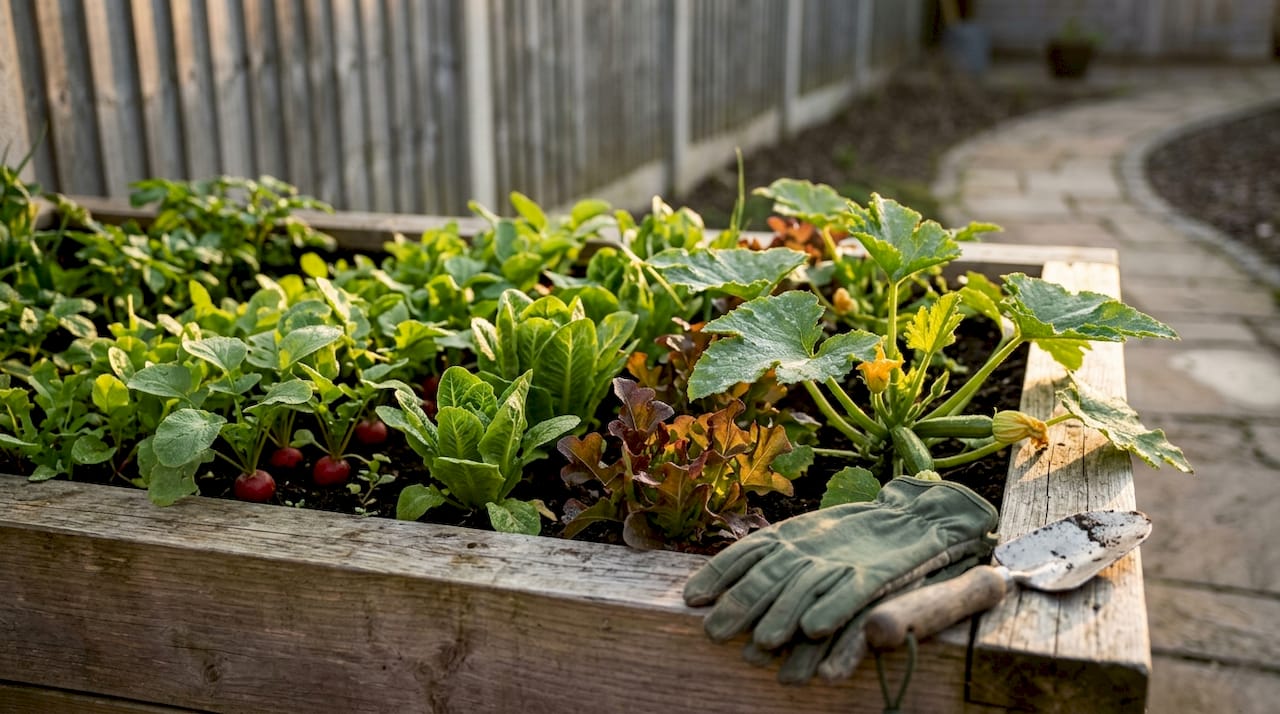
Beginner garden plants are defined as low-maintenance, forgiving species that produce reliable results even when care is imperfect. Choosing the right types of beginner garden plants from the start is the single most important decision a new UK gardener makes. Get it right and you build confidence quickly. Get it wrong and you spend a season wondering what went wrong. This guide covers vegetables, flowers, perennials, and indoor plants suited to UK conditions, drawing on guidance from the RHS and GardenCalc.uk to give you a clear, practical starting point.
1. Radishes: the fastest beginner vegetable
Radishes are the most forgiving crop in beginner vegetable gardening. They germinate within days and are ready to harvest in as little as four weeks, giving you immediate feedback on your watering and spacing. That fast cycle means you can sow, harvest, and sow again several times in a single season. No other vegetable teaches you the basics of soil preparation and consistent watering as quickly.
Sow radishes directly into the ground from March through to September. They need very little space and grow well in containers, raised beds, or open soil. Thin seedlings to about 2.5 cm apart to avoid overcrowding, which is the main cause of poor root development.
2. Lettuce: cut-and-come-again harvests all season
Lettuce is the best starter garden plant for anyone who wants a steady, visible reward. Cut-and-come-again varieties like 'Salad Bowl' and 'Lollo Rossa' produce leaves for months from a single sowing. You cut the outer leaves, the plant keeps growing, and you return for more the following week. Garden-Review has a full guide on year-round salad leaves if you want to extend your harvest into autumn and winter.
Lettuce tolerates partial shade, which makes it one of the few easy garden plants that works well under taller crops or along the shadier edge of a raised bed. Sow little and often from March to August to avoid a glut.
Pro Tip: Sow a short row of lettuce every two to three weeks rather than one large batch. This staggers your harvest and keeps fresh leaves coming continuously without waste.
3. Courgettes: high yield from minimal effort
Two or three courgette plants will feed a family throughout summer. These plants are fast-growing and forgiving of irregular watering once established, and they produce fruit prolifically from July onwards. The main rule is to sow after the last frost, typically late May in most parts of the UK, either directly outside or started indoors in April.
Courgettes need space. Allow roughly 90 cm between plants. They thrive in a sunny spot with well-composted soil and benefit from a weekly feed of tomato fertiliser once flowering begins. Check plants every two days once fruiting starts, as courgettes left unpicked quickly grow into marrows.
4. Runner beans: a classic UK beginner crop
Runner beans are a staple of British kitchen gardens for good reason. They are sown after the last frost in late May, grow rapidly up a simple cane structure, and produce a generous harvest from July through to October. The climbing habit means they use vertical space rather than ground area, making them ideal for smaller gardens.
Beans fix nitrogen in the soil, which improves the ground for whatever you plant next. They need regular picking to keep producing. Once pods are left to mature on the plant, production slows noticeably. Water consistently at the base rather than overhead to reduce the risk of fungal issues.
5. Potatoes: satisfying and straightforward
Potatoes planted between March and April are harvested from June onwards, making them one of the most satisfying crops for beginners. Earlies like 'Rocket' and 'Swift' are ready in as little as ten weeks and are less susceptible to blight than maincrop varieties. You plant a seed potato, earth it up as the foliage grows, and dig up the harvest when the leaves begin to yellow.
Potatoes grow well in large containers or grow bags if you lack open ground. A single 40-litre bag can yield around 1 to 2 kg of potatoes. They are one of the best starter garden plants for demonstrating how soil quality directly affects results.
6. Impatiens (Busy Lizzies): the go-to shade flower
Impatiens are the most reliable beginner-friendly flowers for shaded or partially shaded spots. They thrive in humus-rich, moist, well-drained soil and bloom continuously from late spring through to the first frosts. Plant them 20 to 30 cm apart and keep them out of hot afternoon sun, which scorches the leaves and reduces flowering.
Busy Lizzies work particularly well in containers, hanging baskets, and window boxes where their dense, colourful habit fills gaps quickly. They require almost no deadheading, which removes one of the most time-consuming tasks for new gardeners. For more top flowers suited to UK conditions across the seasons, Garden-Review's winter flowers guide is worth bookmarking.
7. Daylilies and Echinacea: easy perennials that return every year
Perennials are the smartest long-term investment for beginners because they come back each year without replanting. Daylilies and purple coneflowers (Echinacea) are two of the most forgiving perennials available. Daylilies tolerate both full sun and partial shade, spread gradually to fill gaps, and need dividing only every few years. Echinacea produces long-lasting lavender and pink blooms that attract bees and butterflies, adding wildlife value alongside visual appeal.
Both plants are drought-tolerant once established, which matters in the increasingly dry UK summers. Neither requires staking, regular feeding, or complex pruning. For timing advice on getting perennials into the ground, Garden-Review's guide on when to plant perennials covers the UK calendar in detail.
Pro Tip: Plant Echinacea and daylilies together. Their flowering periods overlap in mid to late summer, giving you a continuous display from a single, low-effort border.
8. Boxwoods and hydrangeas: structure with minimal fuss
Boxwoods and hydrangeas give beginners garden structure and reliable seasonal colour without demanding much in return. Boxwood (Buxus sempervirens) is evergreen, slow-growing, and responds well to light clipping once or twice a year. It provides year-round structure in borders and containers. Garden-Review's list of evergreen shrubs covers similar low-maintenance options if you want to build a framework planting.Hydrangeas bloom reliably in the UK summer with minimal intervention. Mophead varieties like 'Annabelle' and 'Endless Summer' are particularly forgiving of pruning mistakes, which is the most common beginner error with this plant. Both shrubs establish well in UK conditions and reward patience over the first two growing seasons.
9. Matching plants to your garden conditions
Most beginner plant failures come from mismatched sunlight or drainage rather than poor technique. Before buying anything, observe your garden at different times of day and note where sun falls for more than six hours. That is a full-sun spot. Four to six hours is partial shade. Less than four hours is shade.
Match your plant choices to those observations using this simple breakdown:
- Full sun: Courgettes, runner beans, daylilies, Echinacea, lavender, hydrangeas
- Partial shade: Lettuce, radishes, Busy Lizzies, hydrangeas, ferns
- Full shade: Cast iron plant, ferns, hostas, ivy
Soil drainage matters equally. Push a spade into the ground after rain. If water pools in the hole after 30 minutes, drainage is poor and you need to raise beds or add grit. Most beginner-friendly plants prefer free-draining soil. Starting small with plants that suit your specific conditions is the single most reliable way to avoid early losses.
10. ZZ plant, spider plant, and cast iron plant: best indoor starters
Indoor plants extend your gardening interest through winter and work well for those with limited outdoor space. The ZZ plant, spider plant, and cast iron plant are the three most forgiving options available. All three tolerate low light, irregular watering, and the dry air common in centrally heated UK homes.
The ZZ plant stores water in its roots and rhizomes, meaning it survives weeks without attention. The spider plant produces trailing offshoots that can be potted up to create new plants at no cost. The cast iron plant, as its name suggests, tolerates neglect that would kill most other houseplants. Chinese evergreen, Dracaena, and jade plant round out the list of low-maintenance indoor options worth considering.
Place these plants near north or east-facing windows where light is bright but indirect. Avoid radiators and draughty windowsills. Water only when the top centimetre of compost feels dry to the touch.
11. Comparing plant types: which suits your situation?
Choosing between vegetables, flowers, perennials, and indoor plants depends on your goals and garden setup. This comparison helps you decide where to start.
| Plant type | Ease of care | Growing time | Space needed | Best for |
|---|---|---|---|---|
| Vegetables (radish, lettuce) | High | 4 to 8 weeks | Small to medium | Quick harvests and learning basics |
| Annual flowers (Busy Lizzies) | High | 8 to 12 weeks | Small | Colour in shade, containers |
| Perennials (daylilies, Echinacea) | Medium | 1 to 2 seasons | Medium | Long-term, low-effort borders |
| Indoor plants (ZZ, spider plant) | Very high | Ongoing | Minimal | Year-round interest, no outdoor space |
Pro Tip: Mix at least one vegetable, one annual flower, and one perennial in your first season. This gives you quick wins from the vegetables, colour from the flowers, and a long-term investment from the perennial.
Key takeaways
The most reliable approach to beginner gardening is to choose plants with predictable growth cycles that match your garden's light, soil, and space from the outset.
| Point | Details |
|---|---|
| Start with fast crops | Radishes and lettuce deliver harvests within weeks, building confidence quickly. |
| Match plants to conditions | Observe sun and drainage before buying to avoid the most common beginner failures. |
| Use perennials for longevity | Daylilies and Echinacea return each year, reducing replanting effort and cost. |
| Indoor plants fill the gaps | ZZ plant and spider plant thrive with minimal care through the UK winter months. |
| Mix plant types | Combining vegetables, annuals, and perennials gives rewards across the whole season. |
Why forgiving plants changed how I think about gardening
My honest view is that most new gardeners are set up to fail before they even buy a seed packet. They reach for tomatoes or sweet peppers because those feel exciting, then spend the season battling temperature requirements and blight. Tomatoes are genuinely rewarding, and Garden-Review's guide on growing tomatoes in the UK is excellent once you are ready. But they are not where to begin.
The plants covered in this article share one quality that matters above all else: they tell you quickly whether something is wrong. Radishes that fail to swell tell you the soil is compacted. Lettuce that bolts tells you it is too hot or dry. Busy Lizzies that drop their buds tell you the light is too harsh. These are fast, readable signals. Demanding crops give you slow, ambiguous feedback, which is far harder to learn from.
Starting with forgiving plants is not about lowering your ambitions. It is about building the observational skills that make every subsequent season more successful. The gardeners who stick with it long-term are almost always the ones who had a good first season, and a good first season almost always comes down to plant selection.
— Jim Fellows - Garden-Review
Explore more with Garden-Review
Garden-Review is built specifically for UK gardeners who want practical, no-nonsense advice rather than generic tips that ignore British weather and soil conditions. Whether you are planning your first raised bed or looking for low-maintenance garden design ideas, the site covers everything from plant selection through to seasonal care. Visit Garden-Review for expert guides, honest product reviews, and planting advice tailored to the UK climate throughout 2026 and beyond.
When should UK beginners start planting?
Most beginner vegetables are sown from March onwards, with frost-sensitive crops like courgettes and runner beans planted outdoors from late May. Perennials and hardy annuals can go in from early spring once the soil is workable.
Recommended
Frequently Asked Questions
What are the easiest vegetables for UK beginners?
Which flowers are best for a beginner UK garden?
How do I choose beginner plants for my garden conditions?
Are indoor plants good for beginner gardeners?
When should UK beginners start planting?
Tags
Comments
Join the conversation
Create a free account to leave comments, share photos, and connect with other gardeners.
Related Articles
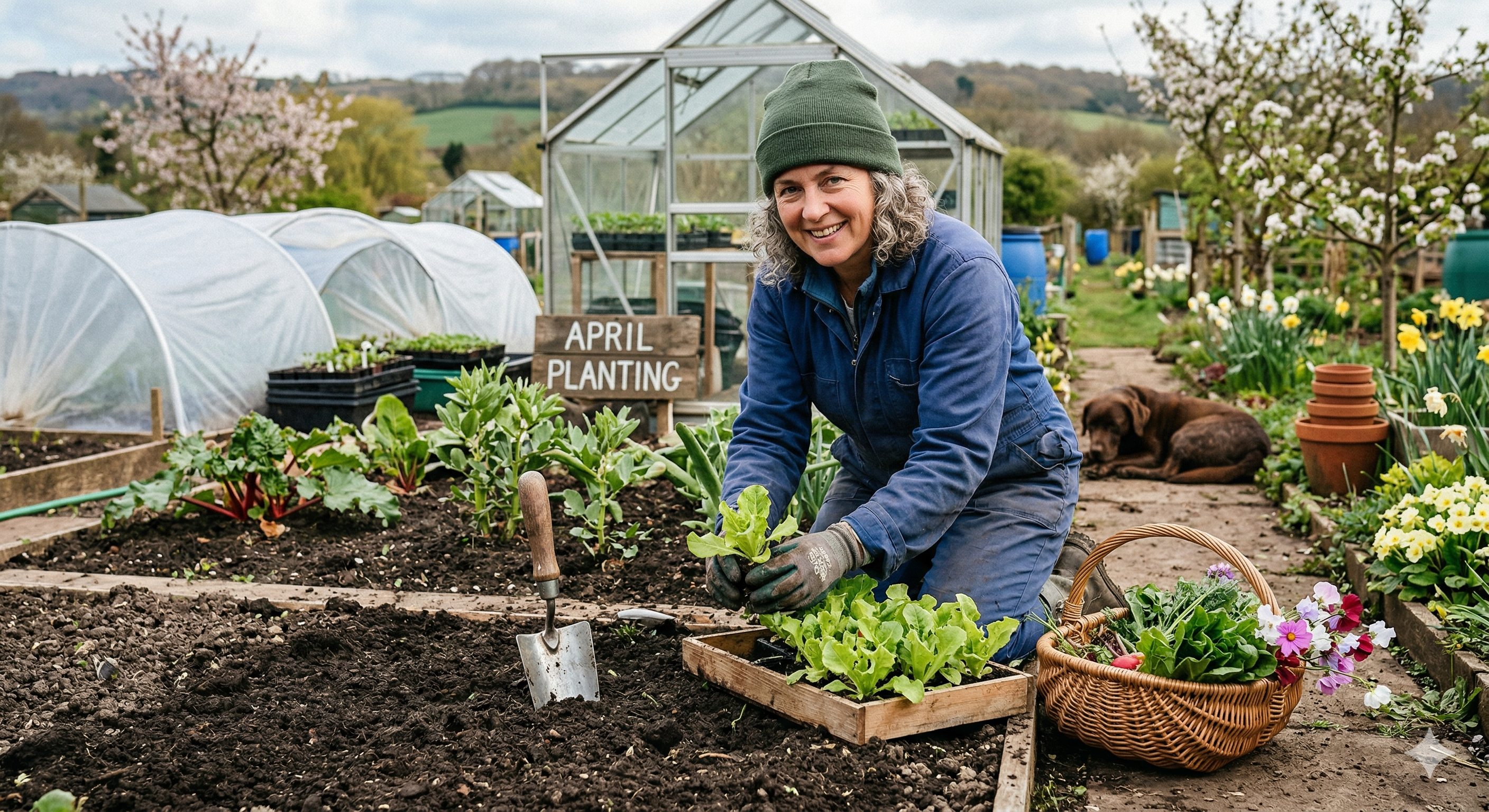
What to Plant in April in the UK
Discover what to plant in April in the UK, including vegetables, flowers, and herbs, plus expert tips for a thriving spring garden.

November Gardening Guide: What to Plant for a Thriving Garden
Discover what to plant in November for a thriving garden in the UK. Get a head start on the gardening year, with tips on sowing vegetables, growing beautiful flowers, and planting fruit trees in this comprehensive November gardening guide. Start your garden planning now!
What to Sow and Plant in March (Veg & Flowers) – UK Guide
How to Plant Your First Garden: A Beginner’s Step-by-Step Guide
Plant your first garden with confidence. A beginner’s step-by-step guide covering soil prep, tools, and simple planting basics.
What to Do in the Allotment in April
April is when your allotment shifts from planning to action. With longer days and warming soil, this is the month that sets the tone for your entire growing season.
How to Grow Jicama in the UK (Yes, It Is Possible!)
Grow jicama in the UK with this practical guide. Learn if it’s possible, where to grow it, and how to harvest this unusual root vegetable.