
Small garden focal point ideas: 10 creative picks
A garden focal point is a design element that immediately draws the eye, organises space, and gives a small garden its personality.
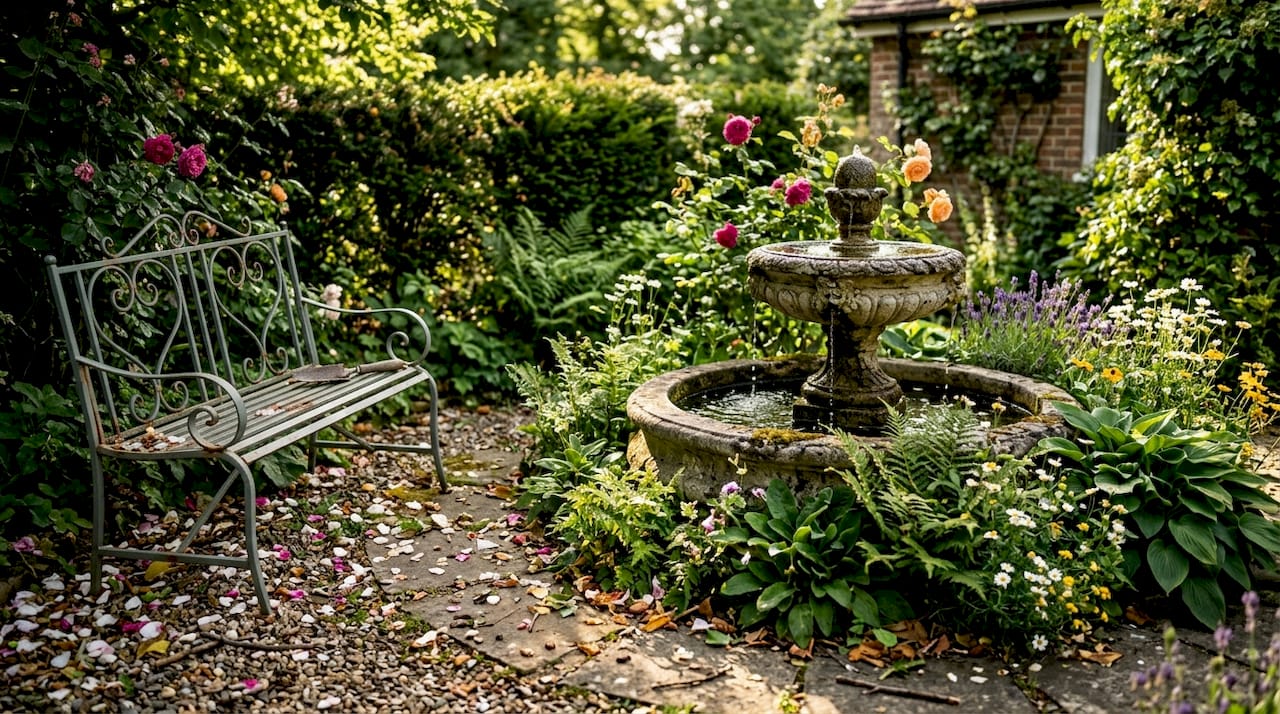
A garden focal point is a design element that immediately draws the eye, organises space, and gives a small garden its personality. In compact outdoor areas, where every square metre counts, a well-chosen focal point does the heavy lifting of an entire design scheme. Whether you are working with a courtyard, a terraced back garden, or a narrow side plot, the right feature transforms a plain patch of ground into somewhere worth spending time. This guide covers the best small garden focal point ideas, from vertical structures and water features to DIY sculptures and statement plants.
1. Best types of focal points for small gardens
Choosing the right category of focal point is the first decision, and it shapes everything else. The main types fall into five groups, each with distinct advantages for limited spaces.
Vertical focal points are the most space-efficient option available. Trellises, obelisks, and vertical garden structures draw the eye upward rather than outward, and vertical elements and layering by height creates spatial dimension, making a small garden feel considerably larger than its footprint suggests.
Statement trees and feature plants offer year-round structure without requiring much ground space. A single ornamental tree such as a Prunus 'Kojo-no-mai' or an Acer palmatum placed in a generous pot becomes an instant centrepiece. You can find detailed guidance on selecting ornamental trees that suit restricted spaces on Garden-Review.
Water features add a sensory dimension that no static object can match. Small ponds or fountains add visual interest and soothing sound suitable for limited spaces, making them one of the most popular garden feature ideas for urban plots.
Sculptures and artistic elements include stone figures, ceramic pots, metal abstract pieces, and handmade objects. A well-placed sculpture from a supplier such as Root & Still gives a garden a gallery-like quality. You can explore the full range of outdoor garden ornaments to find a style that suits your existing materials.
Functional focal points combine practicality with visual appeal. A timber garden arbour draped in Rosa 'Zéphirine Drouhin', a fire pit surrounded by gravel seating, or a painted bench positioned at the end of a path all serve a purpose while anchoring the eye.
Pro Tip: Limit your garden to five or six plant varieties repeated at intervals. This creates rhythm and cohesion that makes any focal point read more clearly against a unified backdrop.
Choosing the right category of focal point is the first decision, and it shapes everything else. The main types fall into five groups, each with distinct advantages for limited spaces.
Vertical focal points are the most space-efficient option available. Trellises, obelisks, and vertical garden structures draw the eye upward rather than outward, and vertical elements and layering by height creates spatial dimension, making a small garden feel considerably larger than its footprint suggests.
Statement trees and feature plants offer year-round structure without requiring much ground space. A single ornamental tree such as a Prunus 'Kojo-no-mai' or an Acer palmatum placed in a generous pot becomes an instant centrepiece. You can find detailed guidance on selecting ornamental trees that suit restricted spaces on Garden-Review.
Water features add a sensory dimension that no static object can match. Small ponds or fountains add visual interest and soothing sound suitable for limited spaces, making them one of the most popular garden feature ideas for urban plots.
Sculptures and artistic elements include stone figures, ceramic pots, metal abstract pieces, and handmade objects. A well-placed sculpture from a supplier such as Root & Still gives a garden a gallery-like quality. You can explore the full range of outdoor garden ornaments to find a style that suits your existing materials.
Functional focal points combine practicality with visual appeal. A timber garden arbour draped in Rosa 'Zéphirine Drouhin', a fire pit surrounded by gravel seating, or a painted bench positioned at the end of a path all serve a purpose while anchoring the eye.
Pro Tip: Limit your garden to five or six plant varieties repeated at intervals. This creates rhythm and cohesion that makes any focal point read more clearly against a unified backdrop.
2. How to position a focal point for maximum impact
Placement is as important as the feature itself. A stunning sculpture in the wrong spot simply disappears.
- Place it just out of direct sight. Designers recommend positioning focal points around bends to build anticipation. When a feature is visible the moment you step outside, the sense of discovery is lost immediately.
- Use a curved path to reveal it gradually. Gentle curves that reveal focal points gradually create a more immersive experience. Straight paths show everything at once, reducing the sense of intrigue that makes a small garden feel larger than it is.
- Layer heights in front of it. Place low planting at the front, medium shrubs in the middle, and your focal point at the rear or elevated position. This creates depth even in a garden just four metres wide.
- Match materials to what already exists. A successful focal point reflects the owner's lifestyle and matches garden materials to create cohesion. If your paving is sandstone, a warm-toned terracotta pot will read as intentional. A chrome sculpture on the same surface will look accidental.
- Check scale before you commit. Compact fountains, single ornamental trees, and sculptures sized for the garden work best. A feature that is too large dominates rather than anchors, and one that is too small simply vanishes.
Pro Tip: Stand at your most-used viewing point, usually the back door or a kitchen window, and mark where your eye naturally lands. That spot is your focal point location.
Placement is as important as the feature itself. A stunning sculpture in the wrong spot simply disappears.
- Place it just out of direct sight. Designers recommend positioning focal points around bends to build anticipation. When a feature is visible the moment you step outside, the sense of discovery is lost immediately.
- Use a curved path to reveal it gradually. Gentle curves that reveal focal points gradually create a more immersive experience. Straight paths show everything at once, reducing the sense of intrigue that makes a small garden feel larger than it is.
- Layer heights in front of it. Place low planting at the front, medium shrubs in the middle, and your focal point at the rear or elevated position. This creates depth even in a garden just four metres wide.
- Match materials to what already exists. A successful focal point reflects the owner's lifestyle and matches garden materials to create cohesion. If your paving is sandstone, a warm-toned terracotta pot will read as intentional. A chrome sculpture on the same surface will look accidental.
- Check scale before you commit. Compact fountains, single ornamental trees, and sculptures sized for the garden work best. A feature that is too large dominates rather than anchors, and one that is too small simply vanishes.
Pro Tip: Stand at your most-used viewing point, usually the back door or a kitchen window, and mark where your eye naturally lands. That spot is your focal point location.
3. Budget-friendly and DIY focal point ideas
You do not need a large budget to create a compelling garden feature. Some of the most effective small garden decor comes from reclaimed materials and creative thinking.
- Build a vertical food forest. A DIY vertical planter can be built for under £20, saving over £300 compared to retail nursery prices. Use reclaimed timber pallets, pre-drill all fixing holes to prevent splitting, and mount the structure onto a solid post rather than a fence panel.
- Repurpose salvaged containers. Old Belfast sinks, galvanised water troughs, and vintage tin baths make striking statement planters. Fill them with a single bold plant such as Agapanthus or ornamental grasses for a clean, considered look.
- Create a found-object sculpture. Stacked reclaimed bricks, a cluster of painted terracotta pots, or a driftwood arrangement cost almost nothing and add genuine character. The key is grouping in odd numbers and varying heights.
- Install a tabletop water feature. A small solar-powered pump in a glazed ceramic bowl creates movement and sound for under £40. No plumbing is required, and it can be moved seasonally.
- Use a simple birdbath. A stone or concrete birdbath on a pedestal is one of the oldest creative garden accents in British gardening. It draws wildlife, adds vertical height, and works in any style from cottage to contemporary.
Feature Approximate cost DIY difficulty Maintenance level Vertical timber planter Under £20 Moderate Low to medium Salvaged container planter £0 to £30 Easy Low Tabletop solar fountain £25 to £50 Easy Low Stone birdbath £20 to £60 Easy Very low Found-object sculpture £0 to £15 Easy Very low
One critical point on DIY vertical features: wet soil weight and saturated vertical gardens can exceed 200 pounds, stressing weak supports. Always fix into structural posts and use a gravel base layer to prevent waterlogging and root rot.
You do not need a large budget to create a compelling garden feature. Some of the most effective small garden decor comes from reclaimed materials and creative thinking.
- Build a vertical food forest. A DIY vertical planter can be built for under £20, saving over £300 compared to retail nursery prices. Use reclaimed timber pallets, pre-drill all fixing holes to prevent splitting, and mount the structure onto a solid post rather than a fence panel.
- Repurpose salvaged containers. Old Belfast sinks, galvanised water troughs, and vintage tin baths make striking statement planters. Fill them with a single bold plant such as Agapanthus or ornamental grasses for a clean, considered look.
- Create a found-object sculpture. Stacked reclaimed bricks, a cluster of painted terracotta pots, or a driftwood arrangement cost almost nothing and add genuine character. The key is grouping in odd numbers and varying heights.
- Install a tabletop water feature. A small solar-powered pump in a glazed ceramic bowl creates movement and sound for under £40. No plumbing is required, and it can be moved seasonally.
- Use a simple birdbath. A stone or concrete birdbath on a pedestal is one of the oldest creative garden accents in British gardening. It draws wildlife, adds vertical height, and works in any style from cottage to contemporary.
| Feature | Approximate cost | DIY difficulty | Maintenance level |
|---|---|---|---|
| Vertical timber planter | Under £20 | Moderate | Low to medium |
| Salvaged container planter | £0 to £30 | Easy | Low |
| Tabletop solar fountain | £25 to £50 | Easy | Low |
| Stone birdbath | £20 to £60 | Easy | Very low |
| Found-object sculpture | £0 to £15 | Easy | Very low |
One critical point on DIY vertical features: wet soil weight and saturated vertical gardens can exceed 200 pounds, stressing weak supports. Always fix into structural posts and use a gravel base layer to prevent waterlogging and root rot.
4. Focal point ideas that combine style and practicality
The best garden features earn their place twice over: once visually and once functionally. These five ideas show how to highlight garden areas while keeping them genuinely useful.
- Compact seating nook with integrated planters. A corner bench built from sleepers, with planter boxes at each end filled with lavender or rosemary, creates a destination within the garden. It draws the eye, provides seating, and delivers scent on warm evenings.
- Sculptural pots paired with ornamental grasses. A trio of tall, glazed pots in graduating heights planted with Stipa tenuissima or Pennisetum 'Hameln' moves in the breeze and catches low light. This is one of the most effective unique garden ornaments because it changes character through the seasons.
- Zen rock garden corner. A raked gravel area with three or five carefully placed stones and a single Pinus mugo creates a meditative corner that requires almost no watering or pruning. It works particularly well in a minimalist garden design scheme.
- Minimalist water wall. A sheet of slate or rendered blockwork with a thin film of water running over it adds sound and movement without occupying any floor space. It suits contemporary town gardens where ground area is at an absolute premium.
- Slatted privacy screen with climbing vines. A cedar or painted timber screen fitted with horizontal battens and planted with Trachelospermum jasminoides or Clematis armandii provides privacy, scent, and a strong vertical focal point simultaneously.
The best garden features earn their place twice over: once visually and once functionally. These five ideas show how to highlight garden areas while keeping them genuinely useful.
- Compact seating nook with integrated planters. A corner bench built from sleepers, with planter boxes at each end filled with lavender or rosemary, creates a destination within the garden. It draws the eye, provides seating, and delivers scent on warm evenings.
- Sculptural pots paired with ornamental grasses. A trio of tall, glazed pots in graduating heights planted with Stipa tenuissima or Pennisetum 'Hameln' moves in the breeze and catches low light. This is one of the most effective unique garden ornaments because it changes character through the seasons.
- Zen rock garden corner. A raked gravel area with three or five carefully placed stones and a single Pinus mugo creates a meditative corner that requires almost no watering or pruning. It works particularly well in a minimalist garden design scheme.
- Minimalist water wall. A sheet of slate or rendered blockwork with a thin film of water running over it adds sound and movement without occupying any floor space. It suits contemporary town gardens where ground area is at an absolute premium.
- Slatted privacy screen with climbing vines. A cedar or painted timber screen fitted with horizontal battens and planted with Trachelospermum jasminoides or Clematis armandii provides privacy, scent, and a strong vertical focal point simultaneously.
5. How seasonal changes affect your focal point choices
A focal point that looks spectacular in July but disappears in January is only doing half its job. Selecting features with year-round appeal is one of the most overlooked aspects of small garden design.
- Choose plants with staggered bloom times. Combine a spring-flowering Prunus with a summer-blooming Hydrangea paniculata and an autumn-interest Acer to keep the planting area active across three seasons. Selecting plants with varying bloom times and structural qualities ensures focal points engage year-round.
- Use hardscape for winter structure. Stone sculptures, timber obelisks, and ceramic pots hold their form when herbaceous planting dies back. An evergreen clipped into a simple shape such as a ball or cone of Buxus sempervirens or Ilex crenata provides reliable winter presence.
- Maintain water features through cold spells. In a UK winter, small water features can freeze. A small pond heater or floating ball prevents ice forming and protects any pump mechanism from damage.
- Plan for low-maintenance periods. A low-maintenance courtyard approach works well for focal points that rely on hardscape rather than high-maintenance planting. Gravel, stone, and structural evergreens need far less intervention than herbaceous borders.
- Budget time as well as money. A vertical planter filled with edible herbs is rewarding but requires regular watering and harvesting. A stone sculpture requires almost none. Match your maintenance commitment to your available time honestly.
A focal point that looks spectacular in July but disappears in January is only doing half its job. Selecting features with year-round appeal is one of the most overlooked aspects of small garden design.
- Choose plants with staggered bloom times. Combine a spring-flowering Prunus with a summer-blooming Hydrangea paniculata and an autumn-interest Acer to keep the planting area active across three seasons. Selecting plants with varying bloom times and structural qualities ensures focal points engage year-round.
- Use hardscape for winter structure. Stone sculptures, timber obelisks, and ceramic pots hold their form when herbaceous planting dies back. An evergreen clipped into a simple shape such as a ball or cone of Buxus sempervirens or Ilex crenata provides reliable winter presence.
- Maintain water features through cold spells. In a UK winter, small water features can freeze. A small pond heater or floating ball prevents ice forming and protects any pump mechanism from damage.
- Plan for low-maintenance periods. A low-maintenance courtyard approach works well for focal points that rely on hardscape rather than high-maintenance planting. Gravel, stone, and structural evergreens need far less intervention than herbaceous borders.
- Budget time as well as money. A vertical planter filled with edible herbs is rewarding but requires regular watering and harvesting. A stone sculpture requires almost none. Match your maintenance commitment to your available time honestly.
Key takeaways
A well-placed focal point is the single most effective way to give a small garden structure, personality, and year-round appeal without expanding its footprint.
Point Details Position creates impact Place features around a bend or at path's end to build anticipation and draw visitors in. Scale and proportion matter Choose features sized for the space; oversized elements dominate rather than anchor. DIY options are genuinely effective A vertical planter built for under £20 can rival a retail feature costing hundreds. Match materials for cohesion Echo existing stone, wood, or metal palettes so the focal point feels intentional. Plan for all four seasons Combine structural hardscape with plants that offer staggered seasonal interest.
A well-placed focal point is the single most effective way to give a small garden structure, personality, and year-round appeal without expanding its footprint.
| Point | Details |
|---|---|
| Position creates impact | Place features around a bend or at path's end to build anticipation and draw visitors in. |
| Scale and proportion matter | Choose features sized for the space; oversized elements dominate rather than anchor. |
| DIY options are genuinely effective | A vertical planter built for under £20 can rival a retail feature costing hundreds. |
| Match materials for cohesion | Echo existing stone, wood, or metal palettes so the focal point feels intentional. |
| Plan for all four seasons | Combine structural hardscape with plants that offer staggered seasonal interest. |
What I have learned about small garden focal points
The most common mistake I see in small gardens is treating a focal point as an afterthought. Someone buys a nice pot, places it roughly in the middle of the garden, and wonders why the space still feels flat. The issue is almost never the object. It is the absence of a journey toward it.
The gardens that genuinely stop you in your tracks are the ones where you sense something worth reaching. A curved path, a slight change in level, a gap in the planting that hints at something beyond. When the focal point is revealed gradually, even a modest birdbath feels like a discovery.
I also think the gardening world underestimates DIY options. A reclaimed timber planter filled with herbs, fixed properly to a structural post, can be more characterful than an expensive off-the-shelf feature. The weight issue is real and worth taking seriously, but it is entirely manageable with basic preparation.
My honest advice is to resist the urge to add multiple focal points in a small space. One strong feature, positioned with intention and framed by cohesive planting, will always outperform three competing elements fighting for attention. Less genuinely is more here. Experiment with layering textures and heights around a single anchor, and the garden will reward you for it.
— Max
The most common mistake I see in small gardens is treating a focal point as an afterthought. Someone buys a nice pot, places it roughly in the middle of the garden, and wonders why the space still feels flat. The issue is almost never the object. It is the absence of a journey toward it.
The gardens that genuinely stop you in your tracks are the ones where you sense something worth reaching. A curved path, a slight change in level, a gap in the planting that hints at something beyond. When the focal point is revealed gradually, even a modest birdbath feels like a discovery.
I also think the gardening world underestimates DIY options. A reclaimed timber planter filled with herbs, fixed properly to a structural post, can be more characterful than an expensive off-the-shelf feature. The weight issue is real and worth taking seriously, but it is entirely manageable with basic preparation.
My honest advice is to resist the urge to add multiple focal points in a small space. One strong feature, positioned with intention and framed by cohesive planting, will always outperform three competing elements fighting for attention. Less genuinely is more here. Experiment with layering textures and heights around a single anchor, and the garden will reward you for it.
— Max
Plan your small garden design with Garden-Review
Garden-Review offers practical, UK-specific guidance for every stage of garden design, from choosing the right plants to selecting tools that suit your space and budget.
Whether you are planning a new focal point from scratch or refreshing an existing feature, the Garden-Review guides and reviews cover everything from soil preparation to seasonal planting strategies. For those who want to keep the wider garden in good order around their new feature, the best lawn mowers for UK gardens guide compares models by garden size and budget, making it straightforward to find the right tool. Good garden design and good garden maintenance go hand in hand, and Garden-Review covers both.
Garden-Review offers practical, UK-specific guidance for every stage of garden design, from choosing the right plants to selecting tools that suit your space and budget.
Whether you are planning a new focal point from scratch or refreshing an existing feature, the Garden-Review guides and reviews cover everything from soil preparation to seasonal planting strategies. For those who want to keep the wider garden in good order around their new feature, the best lawn mowers for UK gardens guide compares models by garden size and budget, making it straightforward to find the right tool. Good garden design and good garden maintenance go hand in hand, and Garden-Review covers both.
Recommended
Frequently Asked Questions
What makes a good focal point in a small garden?
Where should I position a focal point?
Can I build a garden focal point on a tight budget?
How do I keep a focal point looking good in winter?
How many focal points should a small garden have?
Tags
Comments
Join the conversation
Create a free account to leave comments, share photos, and connect with other gardeners.