
How to design a small back garden: UK guide
Designing a small back garden is defined by three decisions: how you zone the space, what you plant, and which single feature you let anchor the whole scheme.
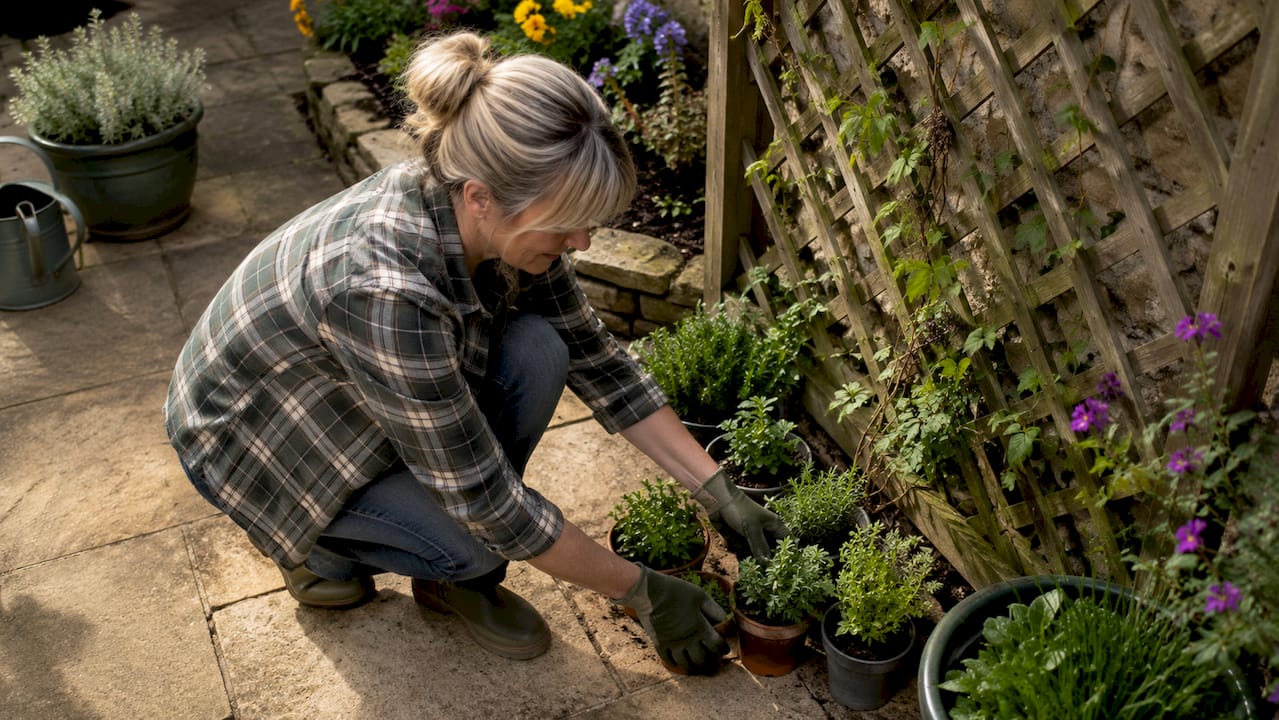
Designing a small back garden is defined by three decisions: how you zone the space, what you plant, and which single feature you let anchor the whole scheme. Most UK back gardens fall between 100 and 300 square feet, yet the difference between a cramped yard and a genuinely inviting outdoor room comes down to intention, not size. This guide draws on principles from the RHS Chelsea Flower Show, practical landscaping frameworks, and UK climate-appropriate planting to show you exactly how to get the most from a compact outdoor space.
How to plan your small back garden using the three-zone layout
The most reliable framework for small garden design divides your space into three distinct zones: a main anchor area covering roughly 50% of the total space, a green planting frame along the edges covering around 30%, and one focal moment taking up the remaining 20%. This three-zone layout prevents the most common mistake in small gardens, which is filling every corner with something different until the space feels chaotic. Structure comes first; planting and accessories follow.
The anchor zone is where you spend time. For a 200 square foot garden, that translates to roughly a 10 by 10 foot area for seating, dining, or a combination of both. Keeping this zone clear and defined gives the eye somewhere to rest and gives you a genuinely usable outdoor room rather than a corridor of plants. Paving, decking, or compacted gravel all work well here depending on your budget and style preference.
The green frame sits along the perimeter. Planting beds, raised borders, or container rows along fences and walls create the sense of enclosure that makes a small space feel intentional rather than exposed. This is where the bulk of your planting effort goes, and where layering by height pays off most visibly.
The focal moment is the one feature that draws the eye. A statement planter, a small water feature, or a well-placed bench at the far end of the garden all work. The rule is one feature, not three. Multiple competing focal points in a small space create visual noise rather than interest.
| Zone | Approximate allocation | Purpose |
|---|---|---|
| Anchor area | 50% of total space | Seating, dining, main activity |
| Green planting frame | 30% of total space | Borders, containers, climbers |
| Focal moment | 20% of total space | Single statement feature |
Pro Tip: Sketch your three zones on paper before buying a single plant or paving slab. Committing the layout to paper first saves money and prevents the impulse purchases that clutter small gardens.
What are the best plants for small UK back gardens?
Layered planting is the single most effective technique for making a small planting bed look full and considered. The principle is straightforward: tall plants at the back, medium-height plants in the middle, and low or trailing plants at the front. This creates depth even in a border that is only 60 centimetres wide.
For UK conditions, the following plant combinations work reliably across most soil types and light levels:
- Tall layer (back of border): Karl Foerster grass (90 to 150 cm), Verbena bonariensis, or a trained climbing rose on a trellis
- Mid layer: Lavender, salvia, and hardy geraniums for sun; astilbe and hostas for shade
- Low and trailing layer: Creeping thyme, sedum, or Alchemilla mollis spilling over path edges
- Shade-tolerant options: Ferns, as Monty Don advocates for their understated beauty and suitability for north-facing or sheltered spots
- Evergreen structure: Box balls, Sarcococca, or Pittosporum for year-round form
For gardens with significant shade, the best plants for north-facing spaces include ferns, hellebores, and Hydrangea anomala petiolaris, a self-clinging climber that covers a shaded wall with white lacecap flowers each June.
Container gardening deserves particular attention in small outdoor spaces. The Chelsea Flower Show 70% rule states that 70% of floor space in a small garden should be occupied by large pots, with the remaining 30% given to smaller accent pots. This ratio creates lushness without clutter, which is the exact balance most small gardens struggle to achieve. Oversized containers also allow you to grow shrubs that would otherwise need open ground, including shrubs for year-round interest such as Skimmia japonica and Viburnum tinus.
Pro Tip: Repeat the same pot colour or material across your container collection. Colour repetition across pots and textures calms visually busy small gardens and makes the space feel larger and more deliberate.
How to use hardscape and vertical elements in a small garden
Hardscape is the term for the non-living structural elements of a garden: patios, paths, edging, walls, and raised beds. In a small back garden, hardscape creates the bones that hold the planting together and makes the space usable in all weathers. Getting the hardscape right before you plant anything is the professional approach, and it pays off in both usability and appearance.
For the anchor zone, a pea gravel patio of around 10 by 10 feet can cost as little as £50 to £70 in materials and be laid in a single day without professional help. Porcelain paving slabs cost more but last longer and require almost no maintenance. Decking sits between the two on cost and suits gardens where a level surface is difficult to achieve on sloping ground.
Vertical space is where small UK gardens gain the most ground. The RHS Chelsea Flower Show 2026 consistently highlighted that vertical planting is the most underused resource in compact gardens. Trellises fixed to fences, wall-mounted planters, and trained climbers all add planting area without consuming floor space. Clematis, in particular, is one of the most versatile climbers for UK gardens, with varieties covering every season from late winter through to autumn.
Here is a practical sequence for adding vertical structure to a small back garden:
- Fix a timber or metal trellis panel to your fence or wall, leaving a 5 cm gap behind it for air circulation and to protect the fence from moisture.
- Plant a climber such as Clematis montana, a climbing hydrangea, or a trained pyracantha at the base, approximately 30 cm from the wall.
- Add wall-mounted planters at mid-height for trailing plants like lobelia, ivy, or bacopa.
- Use corner planters at ground level to soften hard angles without blocking movement through the space.
- Install a privacy screen using bamboo panels or a living willow hurdle if overlooking is an issue, positioning it to block sightlines rather than light.
| Vertical element | Approximate cost | Best use |
|---|---|---|
| Timber trellis panel | £20 to £60 | Climbers, privacy screening |
| Wall-mounted planter | £15 to £40 each | Trailing plants, herbs |
| Corner planter | £30 to £80 | Structural shrubs, seasonal colour |
| Bamboo privacy screen | £25 to £70 per panel | Boundary definition, wind filtering |
How to choose focal points and accessories for a small back garden
One focal moment works better than several competing features because the eye needs somewhere to settle. In a small space, two or three statement pieces fight each other for attention and make the garden feel smaller, not richer. Choosing one anchor feature and letting everything else support it is the principle that separates well-designed small gardens from cluttered ones.
The most effective focal points for small UK back gardens include:
- A fire pit with seating arranged around it, which creates both a visual centre and a social draw
- A small water feature such as a wall-mounted spout or a half-barrel pond, which adds sound and movement without requiring significant floor space
- A statement planter, ideally oversized and planted with a single architectural plant such as a Japanese maple or a clipped box spiral
- A painted or tiled garden bench positioned at the far end of the garden to draw the eye through the space
Lighting transforms a small garden after dark and costs far less than most homeowners expect. A layered lighting scheme at three heights, using overhead string lights, eye-level lanterns, and ground-level path lights, creates an atmosphere comparable to a well-designed restaurant terrace. A single overhead bulkhead light achieves none of this. Solar-powered path lights and plug-in string lights make the layered approach accessible without requiring an electrician.
Pro Tip: Commit to one style theme before buying any accessories. Whether you choose modern, cottage, or Japandi, committing to one aesthetic prevents the visual chaos that comes from mixing materials, colours, and styles across a small space.
Avoid the common mistake of scaling accessories to the garden rather than to the design. Small gardens do not need small furniture. An oversized bench or a generously proportioned table actually makes a compact space feel more deliberate and less apologetic about its size.
Key takeaways
Designing a small back garden successfully requires a three-zone layout, layered planting, and a single focal point to create structure, depth, and visual calm.
| Point | Details |
|---|---|
| Use the three-zone layout | Divide space into 50% anchor, 30% planting frame, and 20% focal moment to avoid clutter. |
| Layer plants by height | Tall at the back, medium in the middle, and low at the front creates depth in narrow borders. |
| Apply the 70% pot rule | Fill 70% of floor space with large containers for lushness without overcrowding. |
| Maximise vertical space | Trellises, climbers, and wall planters add planting area without using floor space. |
| Commit to one focal point | A single statement feature, whether a fire pit, water feature, or bench, anchors the whole design. |
What I have learned from designing small back gardens
Small back gardens reward clarity more than creativity. The gardens that work best are not the ones with the most plants or the most features. They are the ones where someone made a decision and stuck to it.
The three-zone layout changed how I think about small outdoor spaces entirely. Before applying it, I would fill borders first and then wonder why the garden felt busy. Starting with the anchor zone and protecting that space from encroachment by planting or accessories makes an immediate difference to how the garden feels to use.
Vertical space is genuinely underused in most UK back gardens. A bare fence is a missed opportunity. A trellis with a well-chosen climber, a couple of wall-mounted planters, and some evening lighting turns the same fence into the most interesting wall in the garden. The RHS Chelsea Flower Show makes this point every year, and it is worth taking seriously.
The advice I give most often is to resist the urge to add more. A small garden with five well-chosen plants, a clear patio, and one good focal point will always outperform a small garden with thirty plants competing for attention. Simplicity is not a compromise. It is the design.
— Max
Plan your small back garden with Garden-Review
Garden-Review has everything you need to take your small back garden from a blank plan to a finished outdoor space you will actually use.
From detailed planting schemes tailored to compact UK gardens to practical guides on low-maintenance courtyard design, the site covers every stage of the design process. If your garden includes a lawn, the best lawn mowers for UK gardens guide compares models by garden size and budget so you can make an informed choice. Visit Garden-Review to browse the full range of guides, seasonal advice, and product reviews built specifically for UK gardeners.
Recommended
Frequently Asked Questions
What is the best layout for a small back garden?
Which plants work best in a small UK back garden?
How do I make a small back garden feel larger?
How much does it cost to landscape a small back garden?
How do I choose a focal point for a small garden?
Tags
Comments
Join the conversation
Create a free account to leave comments, share photos, and connect with other gardeners.