
Why formal garden design works for UK homeowners
Formal garden design is a landscaping approach defined by symmetry, structure, and intentional zoning that creates both visual harmony and practical outdoor living areas.
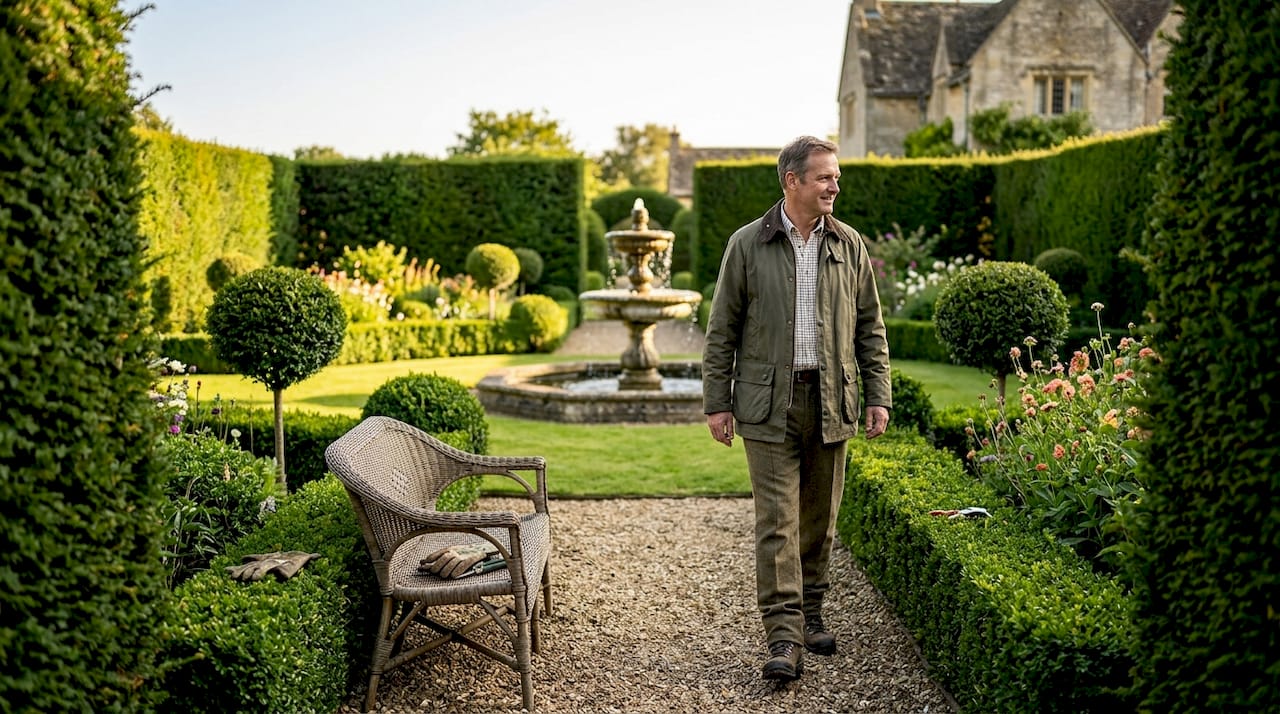
Formal garden design is a landscaping approach defined by symmetry, structure, and intentional zoning that creates both visual harmony and practical outdoor living areas. Understanding why formal garden design works means looking beyond aesthetics to the real functional and psychological benefits it delivers. The principles behind structured gardens, including balance, proportion, layered planting, and defined garden rooms, have shaped British outdoor spaces for centuries. Today, those same principles are being refreshed with ecological thinking, making formal design more relevant than ever for UK homeowners who want a garden that is both beautiful and genuinely usable.
Formal garden design is a landscaping approach defined by symmetry, structure, and intentional zoning that creates both visual harmony and practical outdoor living areas. Understanding why formal garden design works means looking beyond aesthetics to the real functional and psychological benefits it delivers. The principles behind structured gardens, including balance, proportion, layered planting, and defined garden rooms, have shaped British outdoor spaces for centuries. Today, those same principles are being refreshed with ecological thinking, making formal design more relevant than ever for UK homeowners who want a garden that is both beautiful and genuinely usable.
What are the key elements of formal garden design?
Formal garden design, known in professional practice as structured or classical garden design, rests on a small set of principles that work together to create order and visual appeal. Balance and proportion are the foundation. No area should feel overwhelming or empty. Formal gardens typically achieve this through mirrored planting or symmetrical hardscaping, where one side of a path or lawn reflects the other.
Formal garden design, known in professional practice as structured or classical garden design, rests on a small set of principles that work together to create order and visual appeal. Balance and proportion are the foundation. No area should feel overwhelming or empty. Formal gardens typically achieve this through mirrored planting or symmetrical hardscaping, where one side of a path or lawn reflects the other.
Symmetry and defined structure
Symmetry is the most recognisable element of formal style. Matching topiary, paired planters, and aligned pathways signal order and intention. Hard landscaping, including clipped box hedges, stone walls, brick paths, and gravel terraces, provides the skeleton of the design. These elements do not change with the seasons, so the garden retains its structure even in winter.
Symmetry is the most recognisable element of formal style. Matching topiary, paired planters, and aligned pathways signal order and intention. Hard landscaping, including clipped box hedges, stone walls, brick paths, and gravel terraces, provides the skeleton of the design. These elements do not change with the seasons, so the garden retains its structure even in winter.
Layering and focal points
Layering planting heights and textures creates depth and movement, making even small gardens feel lush and abundant. A tall yew hedge at the back, a mid-height herbaceous border in the middle, and low box edging at the front guides the eye through the space. Focal points, such as a stone urn, a sundial, or a clipped standard tree, anchor each zone and give the eye somewhere to rest.Pro Tip: Repetition is one of the most underused tools in formal design. Repeating the same plant, pot, or material at regular intervals creates rhythm and cohesion without requiring a large budget.
Contrast with informal garden design is useful here. Informal gardens use flowing, naturalistic planting and curved lines. Formal gardens use geometry, repetition, and restraint. The two approaches are not mutually exclusive, but understanding the distinction helps you make deliberate choices rather than accidental ones.
Pro Tip: Repetition is one of the most underused tools in formal design. Repeating the same plant, pot, or material at regular intervals creates rhythm and cohesion without requiring a large budget.
Contrast with informal garden design is useful here. Informal gardens use flowing, naturalistic planting and curved lines. Formal gardens use geometry, repetition, and restraint. The two approaches are not mutually exclusive, but understanding the distinction helps you make deliberate choices rather than accidental ones.
How does formal design improve usability and well-being?
The practical case for structured gardens is strong. Formal garden design divides space into distinct garden rooms, each serving a specific purpose such as dining, relaxing, growing vegetables, or providing a play area for children. This zoning transforms a garden from a single undifferentiated space into a series of purposeful areas, each one easier to use and maintain.
Research supports this directly. Spending 20 to 30 minutes in an organised garden environment reduces cortisol and stress significantly. A structured garden makes that time more restorative because the space feels calm and ordered rather than chaotic. This is not a minor benefit. For many UK homeowners, the garden is the primary outdoor retreat, and its design directly affects how much they use and enjoy it.
The practical case for structured gardens is strong. Formal garden design divides space into distinct garden rooms, each serving a specific purpose such as dining, relaxing, growing vegetables, or providing a play area for children. This zoning transforms a garden from a single undifferentiated space into a series of purposeful areas, each one easier to use and maintain.
Research supports this directly. Spending 20 to 30 minutes in an organised garden environment reduces cortisol and stress significantly. A structured garden makes that time more restorative because the space feels calm and ordered rather than chaotic. This is not a minor benefit. For many UK homeowners, the garden is the primary outdoor retreat, and its design directly affects how much they use and enjoy it.
Maintenance becomes more manageable
Defined zones also make upkeep far less daunting. Gardeners report that structured zones make maintenance 50 to 70% easier by focusing care on smaller, manageable areas rather than treating the whole garden as one task. You clip one hedge, weed one border, or mow one lawn section at a time. The result is a garden that stays tidy with less effort overall.
Privacy is another underrated benefit. Hedges and boundaries in formal gardens create intimate, enclosed spaces that feel comfortable and sheltered. Box hedging, yew screens, and pleached hornbeam are all popular choices in UK formal gardens for exactly this reason. They block wind, reduce noise, and give you a genuine sense of seclusion even in urban settings.
The spatial perception benefits are equally real. Layered planting and clear sightlines make small gardens feel larger than they are. If you are working with a compact plot, small garden design principles show how formal structure can maximise every square metre.
Defined zones also make upkeep far less daunting. Gardeners report that structured zones make maintenance 50 to 70% easier by focusing care on smaller, manageable areas rather than treating the whole garden as one task. You clip one hedge, weed one border, or mow one lawn section at a time. The result is a garden that stays tidy with less effort overall.
Privacy is another underrated benefit. Hedges and boundaries in formal gardens create intimate, enclosed spaces that feel comfortable and sheltered. Box hedging, yew screens, and pleached hornbeam are all popular choices in UK formal gardens for exactly this reason. They block wind, reduce noise, and give you a genuine sense of seclusion even in urban settings.
The spatial perception benefits are equally real. Layered planting and clear sightlines make small gardens feel larger than they are. If you are working with a compact plot, small garden design principles show how formal structure can maximise every square metre.
Can formal gardens be ecological and sustainable?
The most exciting development in contemporary garden design is the rise of what leading designers now call the "eco-formal" garden. This approach combines traditional symmetry and structure with sustainable, wildlife-friendly planting. Modern eco-formal gardens blend classical geometry with plants chosen for their ecological value, supporting pollinators and biodiversity without sacrificing visual clarity.
Designer Andrew Duff argues that beauty and function coexist in formal gardens, and that the discipline should rebalance visual and environmental goals rather than treating them as opposites. This is a practical shift, not just a philosophical one. Replacing traditional box hedging (which is vulnerable to box blight) with alternatives such as Ilex crenata or Lonicera nitida maintains the formal structure while reducing chemical dependency.
Formal element Sustainable alternative Ecological benefit Box hedging Ilex crenata or Lonicera nitida Resistant to blight, reduces pesticide use Gravel paths Permeable resin-bound gravel Allows rainwater drainage, reduces run-off Clipped yew Native hornbeam pleaching Supports native insects and birds Annual bedding Perennial pollinator planting Reduces replanting labour, feeds bees
Chelsea Flower Show 2026 award-winning gardens demonstrated this balance clearly. Top gardens used layering, repetition, and restraint to achieve aesthetic harmony while incorporating sustainable planting schemes. The phrase coined by Chelsea experts, "controlled spontaneity," captures the idea perfectly: a strong structural framework that allows natural plant growth to soften and animate the space.
Pro Tip: When choosing plants for a formal scheme, prioritise species that hold their shape through winter. Evergreens such as Taxus baccata, Buxus alternatives, and Pittosporum tenuifolium give you year-round structure without constant clipping.
Exploring 2026 garden trends shows how this ecological shift is influencing homeowners across the UK, with more people choosing formal frameworks that support both their lifestyle and the local environment.
The most exciting development in contemporary garden design is the rise of what leading designers now call the "eco-formal" garden. This approach combines traditional symmetry and structure with sustainable, wildlife-friendly planting. Modern eco-formal gardens blend classical geometry with plants chosen for their ecological value, supporting pollinators and biodiversity without sacrificing visual clarity.
Designer Andrew Duff argues that beauty and function coexist in formal gardens, and that the discipline should rebalance visual and environmental goals rather than treating them as opposites. This is a practical shift, not just a philosophical one. Replacing traditional box hedging (which is vulnerable to box blight) with alternatives such as Ilex crenata or Lonicera nitida maintains the formal structure while reducing chemical dependency.
| Formal element | Sustainable alternative | Ecological benefit |
|---|---|---|
| Box hedging | Ilex crenata or Lonicera nitida | Resistant to blight, reduces pesticide use |
| Gravel paths | Permeable resin-bound gravel | Allows rainwater drainage, reduces run-off |
| Clipped yew | Native hornbeam pleaching | Supports native insects and birds |
| Annual bedding | Perennial pollinator planting | Reduces replanting labour, feeds bees |
Chelsea Flower Show 2026 award-winning gardens demonstrated this balance clearly. Top gardens used layering, repetition, and restraint to achieve aesthetic harmony while incorporating sustainable planting schemes. The phrase coined by Chelsea experts, "controlled spontaneity," captures the idea perfectly: a strong structural framework that allows natural plant growth to soften and animate the space.
Pro Tip: When choosing plants for a formal scheme, prioritise species that hold their shape through winter. Evergreens such as Taxus baccata, Buxus alternatives, and Pittosporum tenuifolium give you year-round structure without constant clipping.
Exploring 2026 garden trends shows how this ecological shift is influencing homeowners across the UK, with more people choosing formal frameworks that support both their lifestyle and the local environment.
How to implement formal garden design in a UK garden
Designing a formal garden successfully requires planning before planting. Follow these steps to get the structure right from the start.
Assess your space and needs. Measure your garden accurately and identify how you want to use it. A family with children needs different zones from a couple who primarily entertain. Sketch a rough plan showing where sun falls at different times of day, as this affects plant choices and seating placement.
Define your zones. Divide the garden into distinct areas using hard landscaping. Paths, low hedges, and changes in surface material all signal transitions between zones. Garden path ideas can help you choose materials that suit both your style and the UK climate.
Choose appropriate hard landscaping materials. York stone, brick, and gravel are classic choices for UK formal gardens. They weather well, complement period properties, and provide the neutral backdrop that formal planting schemes need. Avoid overly decorative materials that compete with the planting.
Select plants suited to formal structure. Choose species that respond well to clipping and hold their form. Taxus baccata (yew), Carpinus betulus (hornbeam), and Fagus sylvatica (beech) are reliable choices for hedging in the UK. For borders, use plants with strong vertical or horizontal habits such as Salvia nemorosa, Allium, and Geranium.
Apply layering and repetition. Plant in layers from tall to short, and repeat key plants or combinations throughout the garden. This creates cohesion and makes the design feel intentional rather than assembled from separate parts.
Maintain symmetry without rigidity. Symmetry does not mean identical planting on both sides to the last leaf. It means visual balance. Allow plants to grow naturally within their allocated space, and let the structure do the work of creating order.
Avoid common scale mistakes. The most frequent error in formal garden design is choosing features that are too small for the space. A sundial that looks impressive in a garden centre can disappear in a large garden. Scale every element, from pots to hedges to paths, to the overall dimensions of the plot.
Formal design principles for urban homes offer further guidance on applying these steps to smaller city plots where space is at a premium.
Designing a formal garden successfully requires planning before planting. Follow these steps to get the structure right from the start.
Assess your space and needs. Measure your garden accurately and identify how you want to use it. A family with children needs different zones from a couple who primarily entertain. Sketch a rough plan showing where sun falls at different times of day, as this affects plant choices and seating placement.
Define your zones. Divide the garden into distinct areas using hard landscaping. Paths, low hedges, and changes in surface material all signal transitions between zones. Garden path ideas can help you choose materials that suit both your style and the UK climate.
Choose appropriate hard landscaping materials. York stone, brick, and gravel are classic choices for UK formal gardens. They weather well, complement period properties, and provide the neutral backdrop that formal planting schemes need. Avoid overly decorative materials that compete with the planting.
Select plants suited to formal structure. Choose species that respond well to clipping and hold their form. Taxus baccata (yew), Carpinus betulus (hornbeam), and Fagus sylvatica (beech) are reliable choices for hedging in the UK. For borders, use plants with strong vertical or horizontal habits such as Salvia nemorosa, Allium, and Geranium.
Apply layering and repetition. Plant in layers from tall to short, and repeat key plants or combinations throughout the garden. This creates cohesion and makes the design feel intentional rather than assembled from separate parts.
Maintain symmetry without rigidity. Symmetry does not mean identical planting on both sides to the last leaf. It means visual balance. Allow plants to grow naturally within their allocated space, and let the structure do the work of creating order.
Avoid common scale mistakes. The most frequent error in formal garden design is choosing features that are too small for the space. A sundial that looks impressive in a garden centre can disappear in a large garden. Scale every element, from pots to hedges to paths, to the overall dimensions of the plot.
Key takeaways
Formal garden design works because it combines visual order with practical zoning, producing outdoor spaces that are easier to use, easier to maintain, and genuinely restorative.
Point Details Structure creates usability Defined garden rooms organise space for specific activities, making the garden more functional day to day. Maintenance is reduced Structured zones focus care on smaller areas, cutting maintenance effort by up to 70%. Well-being benefits are real Spending time in an organised garden reduces cortisol and stress, supported by research. Ecology and formality coexist Eco-formal gardens use sustainable planting within classical frameworks, addressing climate concerns without losing elegance. Scale and repetition are critical Repeating plants and matching element sizes to the plot prevents the most common formal design mistakes.
Formal garden design works because it combines visual order with practical zoning, producing outdoor spaces that are easier to use, easier to maintain, and genuinely restorative.
| Point | Details |
|---|---|
| Structure creates usability | Defined garden rooms organise space for specific activities, making the garden more functional day to day. |
| Maintenance is reduced | Structured zones focus care on smaller areas, cutting maintenance effort by up to 70%. |
| Well-being benefits are real | Spending time in an organised garden reduces cortisol and stress, supported by research. |
| Ecology and formality coexist | Eco-formal gardens use sustainable planting within classical frameworks, addressing climate concerns without losing elegance. |
| Scale and repetition are critical | Repeating plants and matching element sizes to the plot prevents the most common formal design mistakes. |
Why formal gardens still feel right to me
I have spent years looking at gardens that were planted with good intentions but never quite came together. The problem is almost always the same: no underlying structure. Without a framework, even the most beautiful plants compete with each other rather than complementing one another. Formal design solves this problem at the source.
What surprises people is how liveable a well-designed formal garden actually is. There is a common assumption that structure means stiffness, that a formal garden is something to look at rather than use. The opposite is true. The garden rooms, the clear paths, the defined seating areas all make the space more inviting, not less. You know where to sit, where to walk, and where to let the children run. That clarity is genuinely relaxing.
The ecological dimension is where I think formal design has its most exciting future. The idea that you have to choose between a beautiful garden and a responsible one is outdated. The best gardens I have seen recently use formal bones to hold a planting scheme that is rich in pollinators, seasonal interest, and ecological value. That combination, structure plus substance, is what makes a garden worth spending time in for decades rather than just a season or two.
— Max
I have spent years looking at gardens that were planted with good intentions but never quite came together. The problem is almost always the same: no underlying structure. Without a framework, even the most beautiful plants compete with each other rather than complementing one another. Formal design solves this problem at the source.
What surprises people is how liveable a well-designed formal garden actually is. There is a common assumption that structure means stiffness, that a formal garden is something to look at rather than use. The opposite is true. The garden rooms, the clear paths, the defined seating areas all make the space more inviting, not less. You know where to sit, where to walk, and where to let the children run. That clarity is genuinely relaxing.
The ecological dimension is where I think formal design has its most exciting future. The idea that you have to choose between a beautiful garden and a responsible one is outdated. The best gardens I have seen recently use formal bones to hold a planting scheme that is rich in pollinators, seasonal interest, and ecological value. That combination, structure plus substance, is what makes a garden worth spending time in for decades rather than just a season or two.
— Max
Plan your formal garden with Garden-Review
Garden-Review offers practical, UK-focused advice for homeowners at every stage of the formal garden design process. Whether you are choosing hard landscaping materials, selecting plants for a structured border, or looking for the right tools to keep a formal lawn in shape, the site has guides built around real gardening conditions in the UK. The best lawn mowers for UK gardens guide helps you match the right mower to your lawn size and budget, which matters more in a formal garden where a clean lawn edge is part of the design. Visit Garden-Review for seasonal guides, product comparisons, and design advice tailored to British gardens.
Garden-Review offers practical, UK-focused advice for homeowners at every stage of the formal garden design process. Whether you are choosing hard landscaping materials, selecting plants for a structured border, or looking for the right tools to keep a formal lawn in shape, the site has guides built around real gardening conditions in the UK. The best lawn mowers for UK gardens guide helps you match the right mower to your lawn size and budget, which matters more in a formal garden where a clean lawn edge is part of the design. Visit Garden-Review for seasonal guides, product comparisons, and design advice tailored to British gardens.
Recommended
Frequently Asked Questions
What makes formal garden design different from informal design?
How does formal garden design reduce maintenance?
Can a small UK garden use formal design principles?
What plants work best in a formal UK garden?
Is formal garden design compatible with sustainability?
Tags
Comments
Join the conversation
Create a free account to leave comments, share photos, and connect with other gardeners.