
Types of garden design styles: your 2026 guide
Explore the diverse types of garden design styles in 2026. Discover how to choose the perfect aesthetic for your outdoor space!
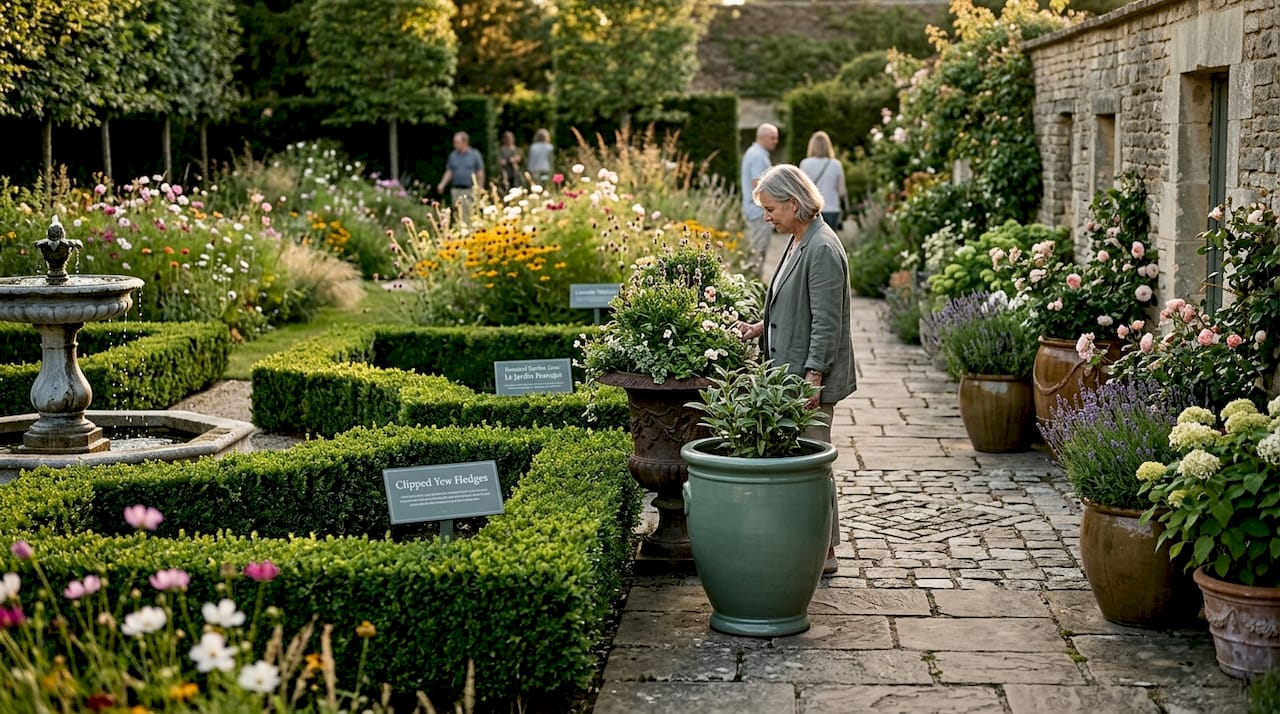
Garden design styles are defined frameworks of aesthetic principles, materials, and planting schemes that shape how an outdoor space looks, feels, and functions. Choosing the right style matters because it determines everything from which plants thrive to how much time you spend maintaining the space each week. The main types of garden design styles recognised by professional landscapers include Modern, Classical, Naturalistic, and Coastal, alongside beloved traditional types such as cottage, Japanese, and xeriscape. With French courtyard gardens surging nearly 500% in popularity in 2026, there has never been a better moment to understand your options before committing to a design.
1. What are the most popular types of garden design styles?
The seven styles below cover the full range of popular garden styles available to UK homeowners. Each one carries distinct characteristics in terms of mood, materials, and plant selection.
Modern minimalist
Modern garden design emphasises geometry, repetition, and controlled planting, using primarily concrete, steel, and composite decking. The palette is deliberately restrained: think clipped box hedging, ornamental grasses such as Stipa tenuissima, and architectural plants like Phormium tenax. Colour is secondary to form, and every element earns its place through structure rather than sentiment. This style suits contemporary homes and urban plots where clean sightlines matter. You can explore the full approach in Garden-review's modern minimalist guide for UK conditions.
Classical and formal
Formal gardens create structured, symmetrical spaces with heavy use of architectural elements, geometric paths, and axial views. Stone balustrades, clipped yew topiary, and gravel parterre beds are the hallmarks. This is one of the oldest traditional garden types in Britain, seen in estates from Blenheim Palace to Sissinghurst. The style demands precision and regular clipping, but the visual reward is a garden that looks authoritative in all seasons.
Naturalistic
Naturalistic design prioritises ecological adaptation and seasonal change over rigid structure. Planting schemes draw on the New Perennial Movement, championed by designers such as Piet Oudolf, using grasses, sedums, and late-flowering perennials that provide structure through winter. Paths curve rather than cut straight lines, and the garden is designed to support pollinators and wildlife. Garden-review's dry gardening guide covers naturalistic planting in depth for the UK's warming climate.
Coastal
Coastal style is shaped by exposure to wind, salt, and intense light, focusing on resilience and open, connected environments. Salt-tolerant plants such as Eryngium, Tamarix, and Escallonia are standard choices. Windbreaks of woven willow or timber slatting replace walls, keeping the garden feeling open rather than enclosed. Materials lean towards weathered timber, pale gravel, and galvanised steel to complement the surroundings.
Cottage garden
The cottage garden is arguably Britain's most beloved traditional garden type. It combines lush, flowering perennials such as roses, delphiniums, foxgloves, and lavender in informal, layered borders. Paths are typically narrow and winding, edged with low box or catmint. The style feels romantic and abundant, but it does require consistent deadheading and replanting to maintain that full, overflowing appearance. Romanticism is driving 2026 popularity of both English cottage and French courtyard gardens, though success depends on modern, low-maintenance foundations beneath the charm.
Japanese garden
Japanese gardens intentionally mimic nature through careful editing rather than abundance. A long-term maintenance mindset is required, with patient pruning of pines, maples, and cloud-pruned azaleas central to the style's authenticity. Stone lanterns, raked gravel, and water features such as tsukubai basins create meditative spaces. The plant palette is deliberately minimal, which means every specimen must be chosen and positioned with care.
Xeriscape and drought-tolerant
Xeriscape design uses native and drought-adapted plants to minimise water use. Lavender, Salvia nemorosa, Stachys byzantina, and ornamental alliums thrive in these schemes. Gravel mulch replaces lawn, and raised beds with free-draining soil reduce irrigation needs significantly. This style is growing in relevance as UK summers become drier, and it pairs well with naturalistic planting principles.
Pro Tip: If you are drawn to the cottage or xeriscape style, consider pairing them. Use drought-tolerant perennials like salvias and alliums in informal drifts to get the romantic abundance of a cottage garden with far less watering.
2. How do garden design styles influence layout ideas and materials?
Each style dictates not just what you plant but how you arrange space, choose surfaces, and plan movement through the garden. The table below summarises the key differences across the most popular garden styles.
| Style | Path type | Key materials | Lawn role |
|---|---|---|---|
| Modern minimalist | Straight, wide | Concrete, steel, composite | Minimal or absent |
| Classical/formal | Geometric, axial | Stone, gravel, brick | Clipped centrepiece |
| Naturalistic | Curved, informal | Bark, compacted gravel | Reduced, meadow-like |
| Coastal | Open, meandering | Weathered timber, pale gravel | Replaced by planting |
| Cottage | Narrow, winding | Brick, pea gravel | Informal, edged |
| Japanese | Stepping stones | Stone, raked gravel, timber | Absent |
| Xeriscape | Gravel paths | Gravel, mulch, raised beds | Absent or very small |
Modern gardens rely on hardscape dominance, meaning the built elements carry the design and planting is secondary. Classical layouts use axial views to draw the eye to a focal point such as a sundial or urn, and garden path ideas play a central role in creating that sense of direction. Naturalistic and cottage gardens use curved paths to slow the visitor down and create a sense of discovery. Japanese and xeriscape gardens both eliminate lawn almost entirely, which is one of the most significant practical decisions a homeowner can make in terms of reducing weekly maintenance.
3. Maintenance considerations for popular garden styles
Choosing a style that matches your available time is as important as choosing one that matches your taste. Here is a realistic breakdown by style.
- Cottage garden: High maintenance. Requires deadheading, staking tall perennials, and seasonal replanting. Expect to spend several hours per week during the growing season.
- Classical/formal: Medium to high. Topiary and hedging need clipping two to three times per year, and geometric beds require precise edging.
- Modern minimalist: Low to medium. Hardscape dominates, so maintenance focuses on cleaning surfaces and occasional pruning of structural plants.
- Japanese: Medium to high. Japanese gardens require long-term maintenance and patient pruning for authenticity, according to garden experts Graham and Rose.
- Naturalistic: Low to medium once established. Cutting back in late winter is the main annual task.
- Coastal: Low. Salt-tolerant plants are naturally resilient and require little intervention once established.
- Xeriscape: Low once established. However, the establishment phase still involves intensive weeding and pruning for one to two years before the garden reaches maturity.
The 2026 trend towards French courtyard and cottage aesthetics has prompted many designers to recommend combining historic charm with modern practicality. Pea gravel instead of lawn, clipped boxwood instead of sprawling borders, and self-seeding annuals instead of bedding plants all reduce the workload without sacrificing the romantic mood.
Pro Tip: Before committing to a style, track how many hours per month you realistically spend in the garden now. Then choose a style whose maintenance level sits at or below that figure. You can always add complexity later.
For those working with a smaller plot, Garden-review's small garden design guide offers practical layout solutions that work across multiple styles.
4. How to select the right garden style for your home
Matching your garden to your home and lifestyle involves several practical steps. Work through these considerations before settling on a direction.
- Assess your home's architecture. A Georgian or Victorian terrace suits classical or cottage styles. A contemporary new-build pairs naturally with modern minimalist or xeriscape design.
- Consider your UK climate and site. North-facing gardens with heavy clay soil rule out Mediterranean and xeriscape schemes unless you invest in raised beds and drainage. Coastal plots demand salt-tolerant planting regardless of your preferred aesthetic.
- Measure your available space. Japanese gardens work beautifully in small courtyards. Naturalistic schemes need room for drifts of planting to read properly. Garden-review's courtyard garden guide is worth reading if your plot is compact.
- Be honest about your time. A cottage garden in a busy family household will quickly become overwhelming. A xeriscape or modern garden gives you the outdoor space without the weekly commitment.
- Think about furniture and decor. Teak or rattan furniture suits cottage and naturalistic gardens. Powder-coated steel or concrete benches complement modern and Japanese schemes. Choosing garden furniture that fits your style reinforces the overall design rather than working against it.
- Consider blending styles. Design professionals recommend flexible blending over strict adherence to one style. A modern layout with cottage planting, or a Japanese structure with naturalistic ground cover, often produces the most liveable and visually interesting results.
Key takeaways
The most successful garden designs match a clear aesthetic style to the homeowner's site conditions, maintenance capacity, and architectural context.
| Point | Details |
|---|---|
| Four core style pillars | Modern, Classical, Naturalistic, and Coastal form the professional framework for all garden design. |
| Maintenance varies widely | Cottage and Japanese gardens demand the most time; xeriscape and coastal styles demand the least. |
| Blending styles works best | Combining elements from two styles, such as modern structure with cottage planting, improves both practicality and appearance. |
| Establishment takes time | Even low-maintenance gardens require one to two years of intensive care before they settle. |
| Match style to architecture | Your home's period and character should guide your initial style choice before personal preference takes over. |
Why rigid style rules are the enemy of a good garden
There is a tendency among new gardeners to treat a chosen style as a set of rules to follow precisely. In practice, that approach produces gardens that feel stiff and disconnected from the people who use them. The gardens I find most satisfying are those where the owner has taken a clear structural idea, perhaps a Japanese sense of calm or a modern preference for clean lines, and then allowed planting to soften and personalise it over time.
The surge in French courtyard interest in 2026 is a good example of this. Most homeowners are not recreating a Provençal estate. They are borrowing the mood: gravel underfoot, clipped shapes, a sense of enclosure and warmth. That is entirely valid, and it is far more achievable than a purist interpretation. Homeowners often mistakenly expect immediate perfection, but styles like Japanese and English landscape gardens require a long-term evolving mindset. A garden that looks slightly unfinished in year one is not a failure. It is a garden that is growing into itself.
My honest advice is to choose one style as your structural backbone, then allow two or three elements from a complementary style to inform the planting or materials. That combination gives you a coherent design without the rigidity that makes gardens feel like outdoor showrooms rather than places to spend time.
— Jim Fellows - Garden-Review
Explore more garden design guides on Garden-review
Whether you are drawn to the clean lines of a modern scheme or the relaxed abundance of a cottage border, Garden-review has the practical resources to help you move from inspiration to reality.
From detailed planting guides to honest product reviews, Garden-review covers every stage of the design process. The main gardening hub brings together expert advice on layout planning, material selection, and seasonal care across all the styles covered in this article. If you are working with a compact plot or a tricky aspect, the site's tailored guides will help you adapt any style to your specific conditions without starting from scratch.
Recommended
Frequently Asked Questions
What are the main types of garden design styles?
Which garden style requires the least maintenance?
Can you mix different garden styles together?
What is the most popular garden style in 2026?
How do I choose a garden style that suits my home?
Tags
Comments
Join the conversation
Create a free account to leave comments, share photos, and connect with other gardeners.
Related Articles
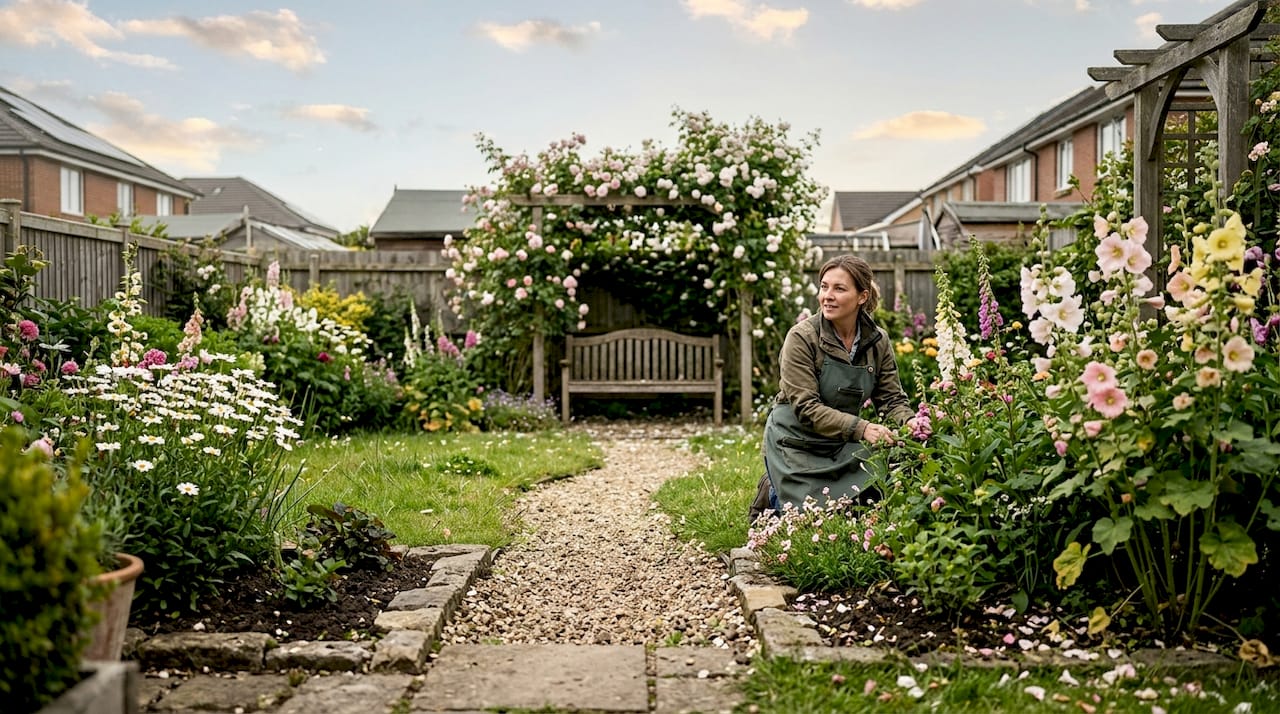
Cottage garden design ideas: your practical guide
Explore inspiring cottage garden design ideas to transform your outdoor space. Create lush, romantic gardens with our practical guide today!

What is a front garden redesign? UK guide 2026
What is a kitchen garden layout: a UK guide
Discover what a kitchen garden layout is and how to design one for easy access to fresh herbs and veggies right at home. Start growing today!
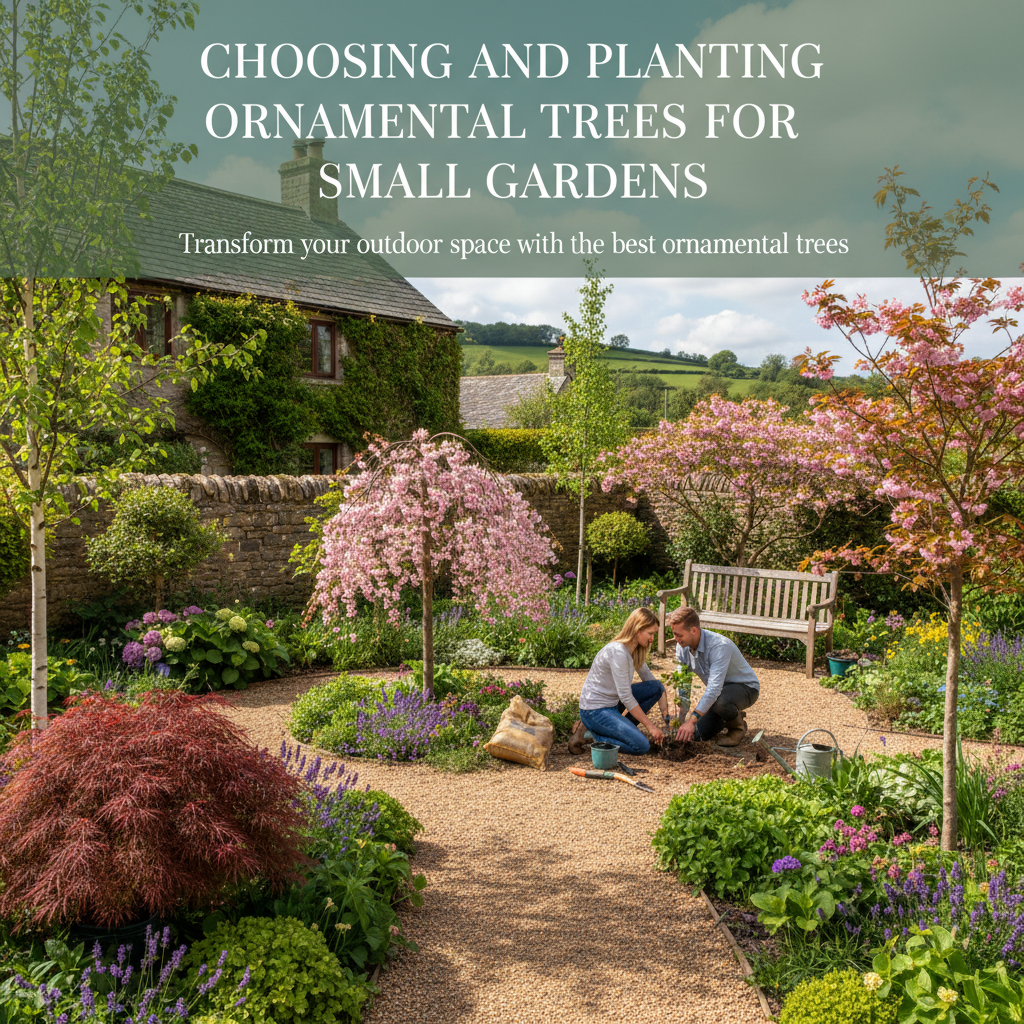
Choosing and Planting Ornamental Trees for Small Gardens
Transform your outdoor space with the best ornamental trees for small gardens. Expert advice on UK varieties, planting techniques, and seasonal care.
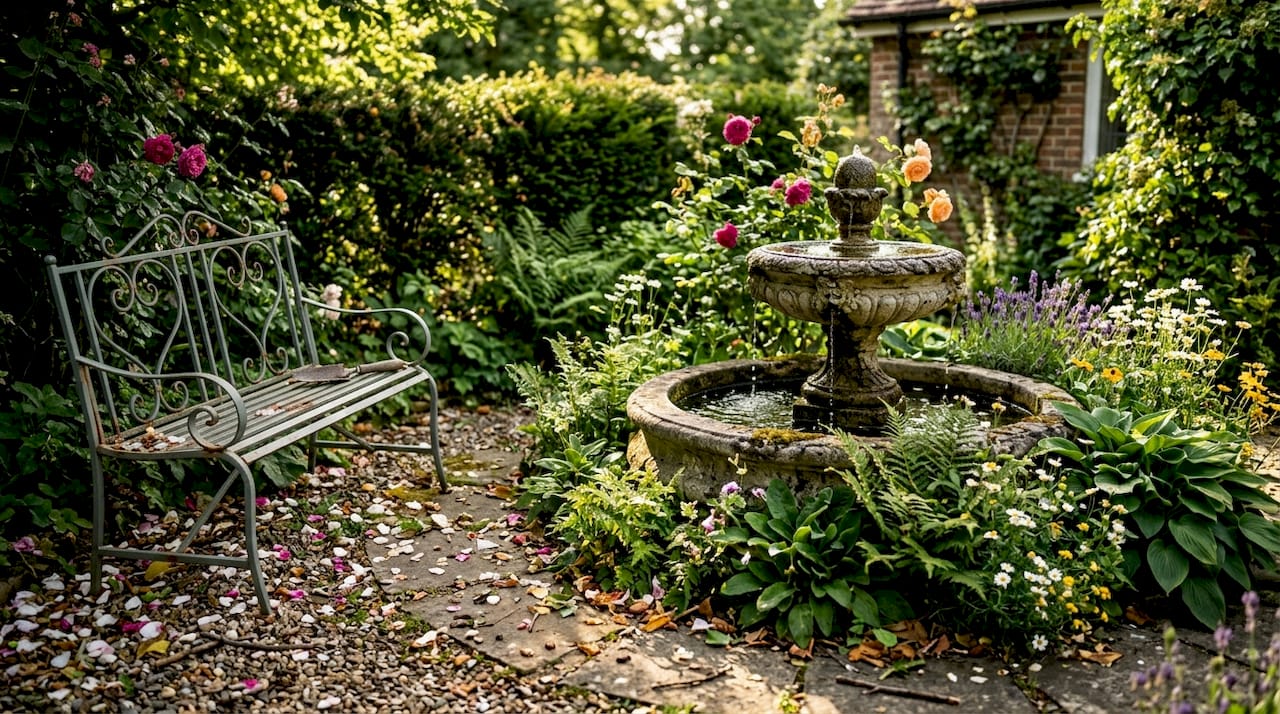
Small garden focal point ideas: 10 creative picks
A garden focal point is a design element that immediately draws the eye, organises space, and gives a small garden its personality.
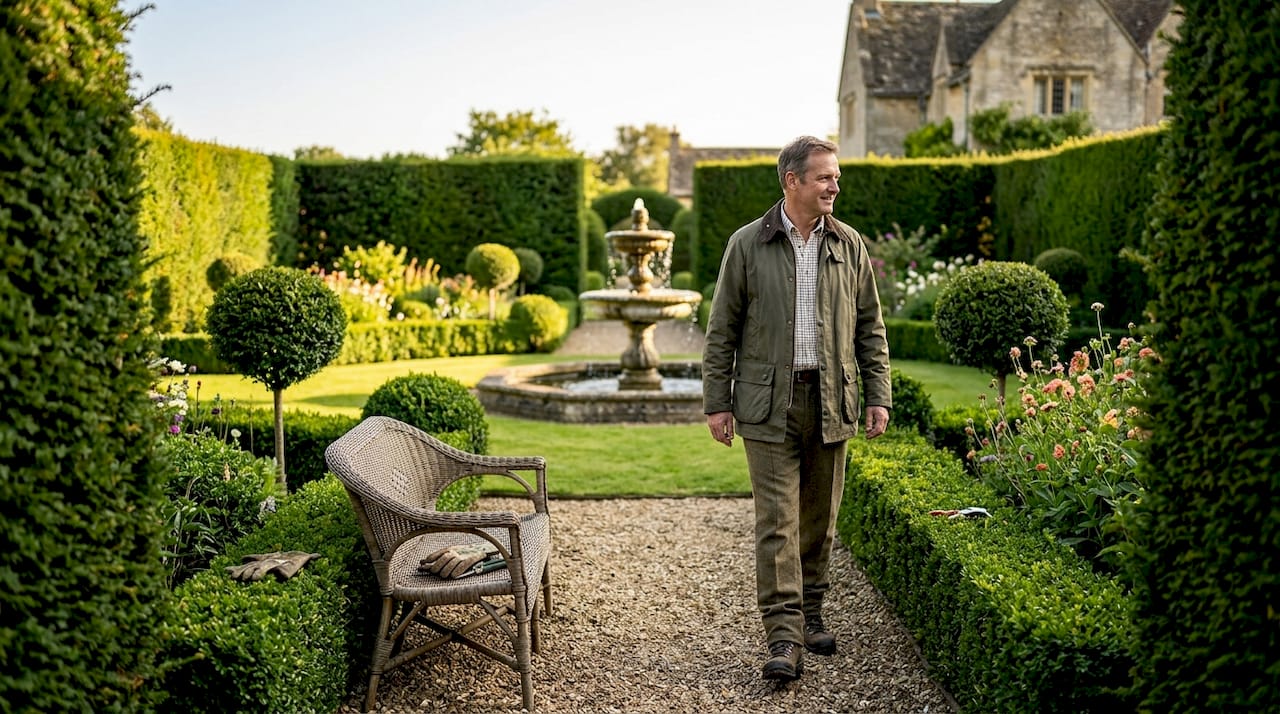
Why formal garden design works for UK homeowners
Formal garden design is a landscaping approach defined by symmetry, structure, and intentional zoning that creates both visual harmony and practical outdoor living areas.