
What to Do in the Allotment in April
April is when your allotment shifts from planning to action. With longer days and warming soil, this is the month that sets the tone for your entire growing season.
Key takeaways
- By April, your first early potatoes should already be in the ground.
- Even if the sun feels warm, the soil is often still too cold for tender crops.
- April showers don’t just help crops - they boost weeds and pests too.
- Avoid planting potatoes (or other crops) in the same place as last year.
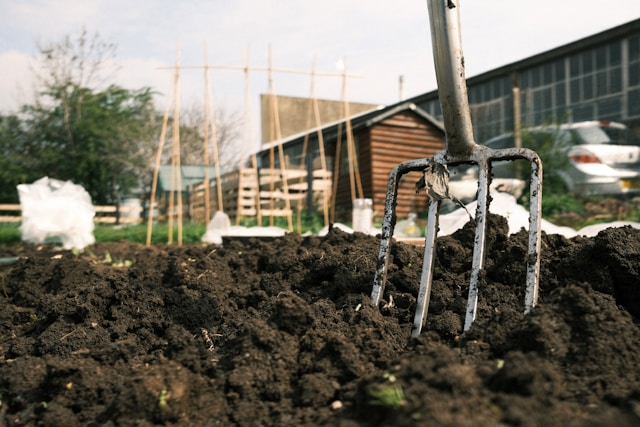
April is one of the most important months for allotment holders. As the days lengthen and soil temperatures begin to rise, your plot shifts from preparation to full-scale production.
But the British April weather is famously unpredictable. Warm, sunny afternoons can quickly give way to sharp overnight frosts - so timing and protection are everything.
This guide covers exactly what to do in your allotment in April to set yourself up for a productive growing season.
Top April Allotment Priorities
-
Finish planting potatoes (second earlies and maincrops)
-
Start tender crops indoors like courgettes and squash
-
Direct sow hardy vegetables such as carrots, beetroot, and peas
-
Stay on top of weeds, slugs, and aphids
-
Protect young plants from late frosts
🥔 1. Planting Potatoes: Timing is Everything
By April, your first early potatoes should already be in the ground. Now it’s time to focus on second earlies and maincrops.
- Second Earlies: Plant in early to mid-April
- Maincrop Potatoes: Plant from late March through April, depending on conditions
👉 Top Tip: Aim to plant when soil temperatures are consistently above 7°C. Cold, wet soil can cause seed potatoes to rot before they establish.
If frost is forecast, earth up potatoes by drawing soil over emerging shoots to prevent frost damage.
🌿 2. What to Sow Indoors (Under Cover)
Even if the sun feels warm, the soil is often still too cold for tender crops. Use a greenhouse, polytunnel, or sunny windowsill.
Final Call for Heat-Lovers
April is your last chance to sow:
- Tomatoes
- Chillies
- Aubergines
Sowing later risks fruit not ripening before autumn.
Start Fast-Growing Cucurbits
Sow in individual pots:
- Courgettes
- Pumpkins
- Squash
- Marrows
These grow quickly, so avoid sowing too early or they’ll become root-bound before planting out.
👉 Light Matters: Ensure seedlings get plenty of light (ideally a south-facing window or grow lights) to prevent weak, leggy growth.
🌾 3. Direct Sowing Outdoors
April is when outdoor seed beds truly come to life.
Root Vegetables
-
Sow carrots and beetroot directly into the soil
-
Sow thinly to reduce the need for thinning, as the scent released can attract carrot fly
Legumes
-
Peas and broad beans can be sown directly
If pests like mice are an issue:
- Start seeds in root trainers or guttering indoors
- Transplant when plants are around 10–15cm tall
4. Essential Maintenance & Pest Control
April showers don’t just help crops - they boost weeds and pests too.
Hoeing
Hoe on a dry, breezy day to kill young weeds by drying out their roots.
Perennial Weeds
Dig out deep-rooted weeds like:
- Dandelions
- Docks
- Nettles
Tackle them now before they become established.
Slug Watch 🐌
April is peak time for slug damage. Protect seedlings by:
- Using barriers or traps
- Checking plants at night
- Removing hiding spots like debris and old leaves
Aphid Control
Check soft growth on:
- Broad beans
- Fruit bushes
Remove aphids with:
- A strong spray of water
- Horticultural soap if needed
5. Plan Ahead: Crop Rotation
Avoid planting potatoes (or other crops) in the same place as last year.
Crop rotation helps:
- Prevent soil-borne diseases (like blight)
- Maintain soil fertility
- Improve overall yields
✅ April Allotment Checklist
-
Plant second early and maincrop potatoes
-
Sow tomatoes, courgettes, and squash indoors
-
Direct sow carrots, beetroot, peas, and beans
-
Hoe weeds regularly
-
Protect crops from frost
-
Watch for slugs and aphids
-
Plan crop rotation
April is a month of transition - and opportunity.
While it’s tempting to plant everything at once, success comes from timing, observation, and patience. Keep an eye on soil temperature, watch the weather closely, and stay on top of maintenance.
By the end of April, your allotment should be thriving - and perfectly positioned for a productive summer ahead.
Frequently Asked Questions: April Allotment
Is it too late to plant fruit trees in April?
When should I transplant indoor seedlings?
How do I protect plants from late frost?
Tags
Comments
Join the conversation
Create a free account to leave comments, share photos, and connect with other gardeners.
Related Articles
What to Plant in April in the UK
Discover what to plant in April in the UK, including vegetables, flowers, and herbs, plus expert tips for a thriving spring garden.
Discovering the Fig Leaf Gourd (Cucurbita ficifolia): Growing, Harvesting, and Culinary Uses in the UK
Learn how to grow, harvest, and cook Fig Leaf Gourds in the UK. Explore its global names and versatile culinary uses, from soups to preserves and desserts.

The Three Sisters: A Harmony of Growth in Vegetable Planting
In the ever-evolving world of allotment and vegetable growing, some methods stand the test of time. Among them is the ancient practice of Three Sisters planting, a technique rooted in Indigenous agricultural traditions of the Americas. This time-honoured method not only exemplifies the ingenuity of early growers but also offers a blueprint for sustainable, symbiotic […]

November Gardening Guide: What to Plant for a Thriving Garden
Discover what to plant in November for a thriving garden in the UK. Get a head start on the gardening year, with tips on sowing vegetables, growing beautiful flowers, and planting fruit trees in this comprehensive November gardening guide. Start your garden planning now!

How Much Do You Pay for Your Allotment?
Allotment rents in the UK vary significantly, causing confusion and frustration among plot-holders facing rising costs and commercial pressures.
How to Plant Your First Garden: A Beginner’s Step-by-Step Guide
Plant your first garden with confidence. A beginner’s step-by-step guide covering soil prep, tools, and simple planting basics.