
How to Grow Jicama in the UK (Yes, It Is Possible!)
Grow jicama in the UK with this practical guide. Learn if it’s possible, where to grow it, and how to harvest this unusual root vegetable.
Key takeaways
- A greenhouse gives you: Higher average temperatures Protection from wind and cold nights A longer growing season This dramatically improves your chances of forming decent-sized tubers.
- Use individual pots to avoid root disturbance Sow seeds 2–3cm deep Keep compost warm (20–25°C) Germination takes 7–14 days A heated propagator is very helpful at this stage.
- Jicama is ready to harvest in late September or October , before the first frosts.
- Fresh jicama has: A crisp, apple-like crunch Mild sweetness Juicy, refreshing texture It’s excellent raw in salads, slaws, stir-fries, and salsas — especially rewarding if you’ve grown it yourself in a UK climate.
- If you’re looking for reliable root crops, potatoes or beetroot are far easier - but few are as satisfying as successfully growing jicama in Britain.
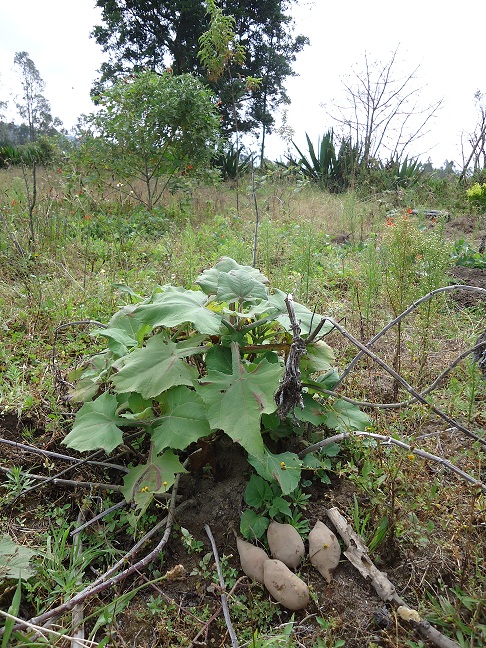
Jicama (Pachyrhizus erosus), sometimes called the Mexican turnip or yam bean, is a crunchy, mildly sweet root vegetable more commonly associated with warm climates. Native to Central America, it’s a staple in Mexican and Asian cooking - but can you really grow jicama in the UK?
The short answer: yes, with care. The long answer: it’s not the easiest crop for British gardeners, but with the right approach, patience, and a bit of warmth, it can be a rewarding experiment.
This guide explains whether jicama will grow in the UK, how to grow it successfully, and what to realistically expect from your harvest.
Can You Grow Jicama in the UK?
Jicama is a tender, frost-sensitive, warm-season crop. It needs:
-
A long growing season (around 150 days)
-
Warm temperatures (ideally 20–30°C)
-
Plenty of sunshine
-
Frost-free conditions from spring to autumn
Because of this, jicama isn’t well suited to outdoor growing in most parts of the UK.
However, it can be grown successfully if you:
-
Start seeds early indoors
-
Grow plants in a greenhouse, polytunnel, or conservatory
-
Use large containers or deep raised beds
-
Protect plants from cold at all times
For southern England and sheltered gardens, outdoor growing may work in an exceptional summer - but it’s a gamble.
Where to Grow Jicama in the UK
Best option: Greenhouse or Polytunnel
A greenhouse gives you:
-
Higher average temperatures
-
Protection from wind and cold nights
-
A longer growing season
This dramatically improves your chances of forming decent-sized tubers.
Containers vs open ground
Jicama develops large underground tubers, so it needs space:
-
Use deep containers (at least 30–40cm deep)
-
Or grow in raised beds with loose, well-drained soil
-
Avoid shallow pots - they restrict tuber development
How to Grow Jicama in the UK
1. Sowing Jicama Seeds
Start seeds indoors in March or early April.
-
Use individual pots to avoid root disturbance
-
Sow seeds 2–3cm deep
-
Keep compost warm (20–25°C)
-
Germination takes 7–14 days
A heated propagator is very helpful at this stage.
2. Potting On & Early Care
Once seedlings appear:
-
Place them in a bright, warm position
-
Keep compost moist but not waterlogged
-
Pot on gradually as roots fill the container
Jicama plants grow as vigorous climbing vines, so provide support early — bamboo canes or trellis work well.
3. Planting Out (or Moving to the Greenhouse)
Move plants to their final position after all risk of frost has passed, usually late May to early June.
-
Greenhouse temperatures should stay above 10°C at night
-
Space plants well - they grow large
-
Ensure soil is rich but free-draining
Avoid planting outdoors unless you have a very sheltered, sunny spot and are prepared to protect plants on cool nights.
4. Watering & Feeding
-
Water regularly, especially in hot weather
-
Avoid letting compost dry out completely
-
Feed every 2–3 weeks with a balanced fertiliser
Too much nitrogen will encourage leaf growth at the expense of tubers, so avoid high-nitrogen feeds later in the season.
5. Flowering & Pruning (Important!)
Jicama will produce attractive blue or purple flowers — but UK growers should remove them.
Why?
-
Flowering diverts energy away from tuber formation
-
All above-ground parts and seeds are toxic
-
Removing flowers improves root size
Pinch out flowers as soon as they appear.
Harvesting Jicama in the UK
Jicama is ready to harvest in late September or October, before the first frosts.
-
Lift tubers carefully to avoid damage
-
Tubers should be crisp, firm, and pale
-
Small harvests are common in the UK - even grapefruit-sized roots are a success
If frost is forecast, harvest immediately - cold will damage the tubers.
What Does Jicama Taste Like?
Fresh jicama has:
-
A crisp, apple-like crunch
-
Mild sweetness
-
Juicy, refreshing texture
It’s excellent raw in salads, slaws, stir-fries, and salsas — especially rewarding if you’ve grown it yourself in a UK climate.
Is Growing Jicama in the UK Worth It?
Pros
-
Unusual and interesting crop
-
Excellent flavour when fresh
-
Great greenhouse experiment
Cons
-
Long growing season
-
Needs warmth and protection
-
Yields are often modest
For adventurous gardeners and greenhouse growers, jicama is a fun challenge. If you’re looking for reliable root crops, potatoes or beetroot are far easier - but few are as satisfying as successfully growing jicama in Britain.
Jicama isn’t a traditional UK vegetable, but with early sowing, plenty of warmth, and realistic expectations, it can be grown here. Think of it as a greenhouse curiosity rather than a staple crop - and you’ll enjoy the process far more.
If you love trying unusual vegetables and have a bit of protected growing space, jicama is well worth a go.
Tags
Comments
Join the conversation
Create a free account to leave comments, share photos, and connect with other gardeners.
Related Articles
What to Sow and Plant in March (Veg & Flowers) – UK Guide
Types of beginner garden plants: UK guide 2026
Discover essential types of beginner garden plants in this UK guide. Choose the right plants to boost your gardening success and confidence!