
Ground Ivy: A Comprehensive UK Gardener's Guide
Ground Ivy, or *Glechoma hederacea*, is a fascinating and often misunderstood plant in UK gardens. This guide provides comprehensive advice on cultivating, managing, and appreciating this hardy perennial, whether you view it as a charming ground cover or a persistent weed.
Key takeaways
- Glechoma hederacea is a member of the mint family (Lamiaceae), characterised by its square stems and aromatic foliage.
- Whether you're looking to establish a native ground cover, a trailing plant for containers, or a component of a wild garden, Ground Ivy is remarkably unfussy.
- Once established, Ground Ivy is remarkably low-maintenance, a boon for busy UK gardeners.
- Ground Ivy is incredibly easy to propagate, a testament to its vigorous nature.
- Ground Ivy is generally a very robust plant, suffering from few serious pest or disease issues in the UK.
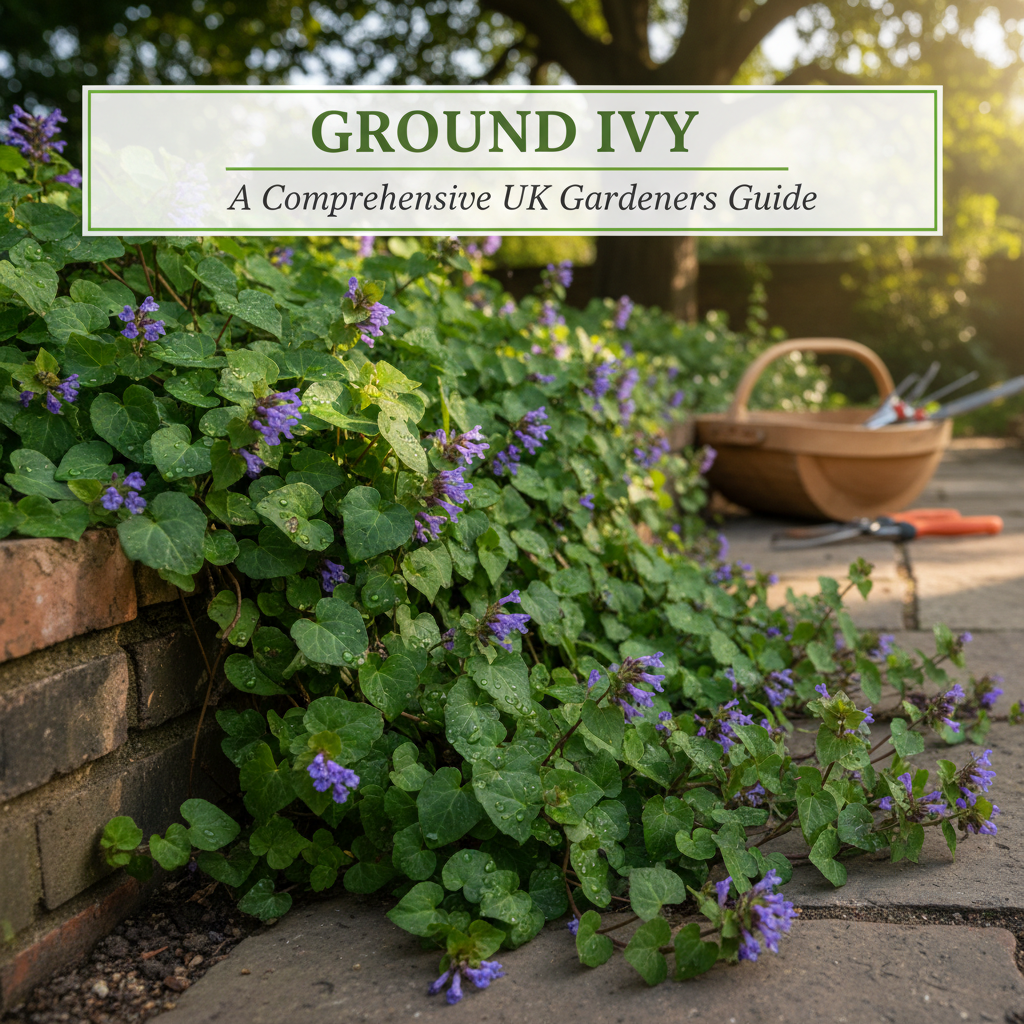
Ground Ivy, known botanically as Glechoma hederacea, is a familiar sight across the UK, commonly found trailing through hedgerows, woodlands, and even our own back gardens. Often considered a weed due to its vigorous spreading habit, this hardy perennial also possesses considerable charm and utility, making it a plant worthy of a deeper look for the discerning British gardener. From its historical uses to its role in modern ecological gardening, understanding Glechoma hederacea can transform how you view this versatile plant.
In this guide from Garden-Review we delves into everything UK gardeners need to know about Ground Ivy, offering practical advice on cultivation, care, and effective management, whether you intend to embrace its ground-covering prowess or gently discourage its presence.
Understanding Ground Ivy: Characteristics and Varieties
Glechoma hederacea is a member of the mint family (Lamiaceae), characterised by its square stems and aromatic foliage. It forms dense, spreading mats, growing no more than 10-15cm tall but with individual stems reaching up to 75cm, rooting as they creep along the soil. The kidney-shaped or rounded leaves are typically green, sometimes with a purplish tinge in colder weather, and bear scalloped edges. In spring (April to June), it produces delicate, tubular, two-lipped blue-violet flowers, often attracting early pollinators.
Common Names and Historical Context
Ground Ivy boasts a plethora of common names across the UK, reflecting its long history and widespread presence:
- Creeping Charlie: A widely used name, particularly in other English-speaking countries.
- Alehoof / Alegill: These names hark back to its use as a bittering agent in brewing beer before hops became dominant, especially in Anglo-Saxon England.
- Hedge Maids: Referring to its preference for growing along hedges and shaded banks.
- Wandering Jenny / Creeping Jenny: While "Creeping Jenny" can cause confusion with Lysimachia nummularia, it aptly describes its spreading nature.
Historically, Ground Ivy was not just a brewer's herb; it was also valued in traditional medicine for its purported properties as a tonic, decongestant, and wound healer. While we advise caution with self-medication, this rich history highlights its significant past role in everyday British life.
Notable Varieties
While the native species is common, dedicated gardeners might seek out particular cultivars:
Glechoma hederacea 'Variegata': This is arguably the most popular cultivated form, featuring attractive green leaves heavily splashed and edged with creamy white. It offers excellent ornamental value, especially in hanging baskets or containers, and tends to be slightly less vigorous than the pure species. Reputable UK nurseries like Thompson & Morgan or Crocus sometimes stock this variety in spring.
Cultivating Ground Ivy in Your UK Garden
Whether you're looking to establish a native ground cover, a trailing plant for containers, or a component of a wild garden, Ground Ivy is remarkably unfussy.
Site and Soil Requirements
- Light: Ground Ivy thrives in partial shade to full shade, mirroring its natural woodland edge habitat. It can tolerate some morning sun, but intense afternoon sun, especially in warmer UK regions, can scorch its leaves, leading to browning and wilting.
- Soil: It prefers reasonably moist, well-draining soil but is adaptable to most soil types, including heavy clay, as long as it doesn't become waterlogged. A slightly alkaline to neutral pH is ideal. Enriching the soil with some well-rotted compost before planting will always be beneficial, improving moisture retention in sandy soils and drainage in clay.
- Location: Consider its spreading nature. Ideal locations include:
- Underneath established trees and shrubs where other plants struggle.
- Shady banks or slopes for erosion control.
- As a spill-over plant in hanging baskets, window boxes, or raised beds, especially the variegated form.
- In wild gardens or less formal areas where a naturalistic look is desired.
- Around pond edges, provided the soil isn't constantly waterlogged.
Planting Ground Ivy
Ground Ivy is a hardy perennial and can be planted almost any time of year in the UK, provided the ground isn't frozen or waterlogged. Spring and autumn are generally the best times to allow establishment before extreme weather.
- Preparation: Dig a hole twice as wide as the root ball and to the same depth. Incorporate some organic matter if your soil is poor.
- Spacing: For ground cover, space plants approximately 30-45cm apart. If planting the variegated form in containers, you can plant several closer together for a fuller effect.
- Planting: Place the plant in the hole, ensuring the top of the root ball is level with the soil surface. Backfill with soil, gently firming around the base.
- Watering: Water thoroughly after planting to settle the soil.
Caring for Ground Ivy
Once established, Ground Ivy is remarkably low-maintenance, a boon for busy UK gardeners.
Watering
During dry spells, especially in its first year, ensure consistent moisture. Established plants are fairly drought-tolerant but will perform best with regular watering during prolonged dry periods, particularly if grown in containers where the soil dries out faster. Look for signs of wilting or browning leaves as an indicator.
Feeding
In most garden soils, Ground Ivy requires no additional feeding. If grown in containers, a dilute general-purpose liquid feed once or twice during the growing season (spring/early summer) can promote lusher growth.
Pruning and Maintenance
The primary maintenance task for Ground Ivy is keeping its spread in check. You can prune it back at any time during the growing season:
- To control spread: Simply snip back unwanted trailing stems. These can often be rooted to create new plants if desired.
- To rejuvenate growth: If the foliage looks tired or sparse, a more substantial trim will encourage fresh, dense growth. This is particularly useful for container specimens or variegated forms to maintain their appearance.
- In lawns: If Ground Ivy becomes problematic in your lawn, regular mowing can help suppress it. For a more aggressive approach, vigorous raking with a spring-tined rake to lift the runners before mowing can weaken it. Chemical lawn weed killers specifically designed for broadleaf weeds (e.g., Weedol Lawn Weedkiller, Resolva Lawn Weedkiller) can be effective, but always follow product instructions carefully and consider the impact on wildlife.
- In borders: Hand-weeding or hoeing during dry weather is effective for removal from borders, as the rooted stems are relatively easy to extract. Ensure you remove all stem fragments, as they can readily re-root.
Propagating Ground Ivy
Ground Ivy is incredibly easy to propagate, a testament to its vigorous nature. This is a simple and cost-free way to expand your collection or share with fellow gardeners.
- Stem Cuttings: The easiest method. Simply snip a piece of stem with a few nodes (where leaves emerge). These can be inserted directly into moist soil, a pot of damp compost, or even a glass of water, and will typically root within a few weeks.
- Division: As stems root where they touch the ground, you can often find naturally rooted sections. Gently dig these up, ensuring they have a good root system, and replant them elsewhere.
Dealing with Pests and Diseases
Ground Ivy is generally a very robust plant, suffering from few serious pest or disease issues in the UK.
- Slugs and Snails: Young growth can be susceptible to slug and snail damage, especially in damp conditions. However, the plant's vigour usually means it outgrows any minor munching. For significant problems, consider eco-friendly slug control methods.
- Scorched Leaves: As mentioned, too much direct, hot sun can cause the leaves to brown and become crispy. Trim off affected growth and relocate the plant or provide more shade.
- Powdery Mildew: Occasionally, in humid, poorly ventilated conditions, powdery mildew can appear as white, powdery spots on leaves. Ensure good air circulation and consider a mild fungicide if severe, though a good trim often suffices.
Ground Ivy in UK Garden Design
Embrace Ground Ivy for its naturalistic charm and practical benefits in specific garden settings:
- Ground Cover: Excellent for difficult shady spots where other plants struggle to establish, suppressing weeds effectively.
- "Green Roof" Alternative: For small-scale shed roofs or walls, a contained planting can create an attractive, low-maintenance green covering.
- Wildlife Garden: Its early spring flowers are a valuable nectar source for bees and other pollinators when little else is in bloom. Read more about creating a wildlife-friendly garden.
- Edible & Medicinal Garden: For those interested in foraging, young leaves can be added to salads or used to make a traditional herbal tea. Always be 100% certain of identification before consuming any wild plant.
Ground Ivy vs. Similar Plants
It's easy to confuse Ground Ivy with other low-growing, spreading plants. Here's a quick comparison:
| Feature | Ground Ivy (Glechoma hederacea) | Creeping Jenny (Lysimachia nummularia) | Common Mallow (Malva sylvestris) seedling |
|---|---|---|---|
| Leaf Shape | Kidney-shaped to rounded, scalloped edges | Rounded, smooth edges, often brighter green or golden | Rounded to heart-shaped, slightly lobed, often hairy |
| Stem | Square, often purplish, roots at nodes | Round, often reddish, roots at nodes | Round, stout, upright (as a seedling) |
| Flowers | Blue-violet, tubular, two-lipped, in leaf axils | Bright yellow, cup-shaped, in leaf axils | Pink-purple veined, open, mallow-like |
| Aroma | Strong, minty/herbal when crushed | None | Slightly mucilaginous/grassy |
| Height | Typically 10-15cm tall, spreading wider | Very low, usually under 5cm, spreading wide | Initially low, grows taller (30-100cm) |
| Family | Lamiaceae (Mint family) | Primulaceae | Malvaceae (Mallow family) |
Where to Buy Ground Ivy in the UK
While often found in the wild, if you're specifically looking for the variegated form or prefer cultivated plants to ensure disease-free stock, here are some suggestions:
- Specialist Herb Nurseries: Many UK herb nurseries will stock Ground Ivy, especially for its traditional and culinary uses. Check local independent garden centres too.
- Wildflower Nurseries: Companies like Emorsgate Seeds or Naturescape Ltd. may offer plugs or seeds for native ground cover projects.
- Online Retailers: Search on sites like Jekka's Herb Farm, Crocus, or Thompson & Morgan for 'Glechoma hederacea' or 'Glechoma hederacea 'Variegata''. Always check availability, as stock can be seasonal.
When purchasing, consider opting for plants grown from sustainable sources to protect wild populations. Always ensure you are buying from a reputable UK supplier to ensure plant health and accurate identification.
Ground Ivy, Glechoma hederacea, is far more than just a common weed. Its versatility, hardiness, and ecological benefits make it a potentially valuable, albeit vigilant, addition to many UK gardens. By understanding its growth habits and preferences, you can either harness its ground-covering power or manage its spread effectively, allowing you to appreciate this enduring native plant on your own terms. Whether used ornamentally, in a wildlife patch, or simply admired for its resilience, Ground Ivy holds a unique place in the British horticultural landscape.
Frequently Asked Questions
Is Ground Ivy a good plant for UK gardens?
Tags
Comments
Join the conversation
Create a free account to leave comments, share photos, and connect with other gardeners.
Related Articles
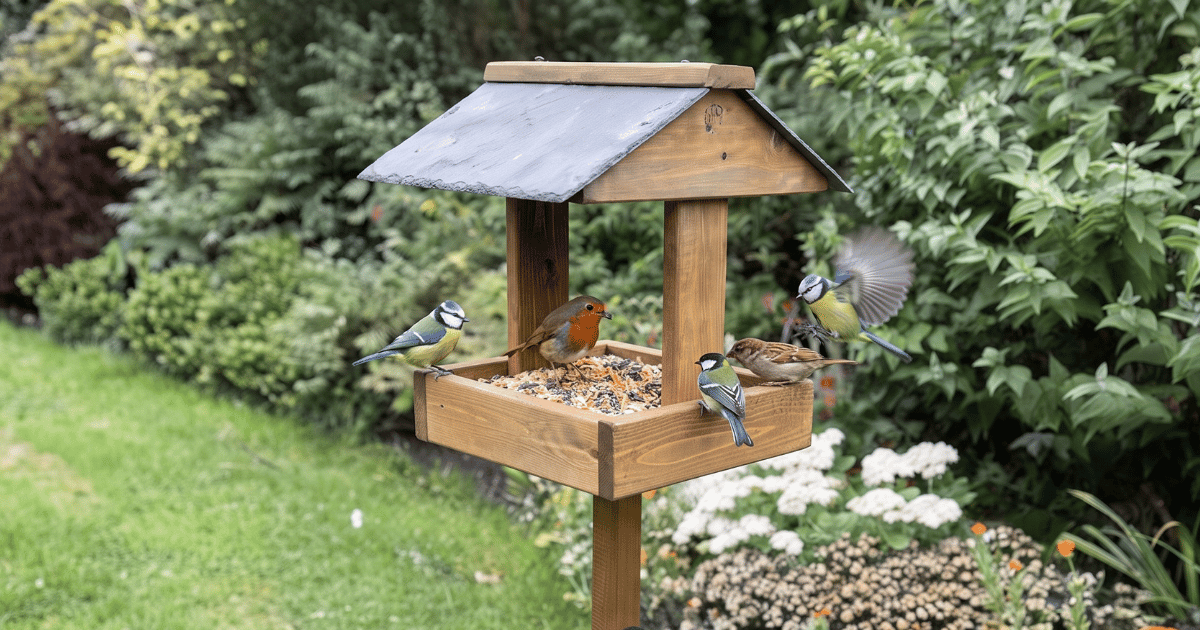
Best Bird Feeders & Hedgehog Houses for UK Gardens 2026
Our pick of the best bird feeders, hedgehog houses, bird tables and bird baths for UK gardens in 2026 - including a smart camera feeder that identifies visiting species - plus how to keep squirrels and rats off your feeders.
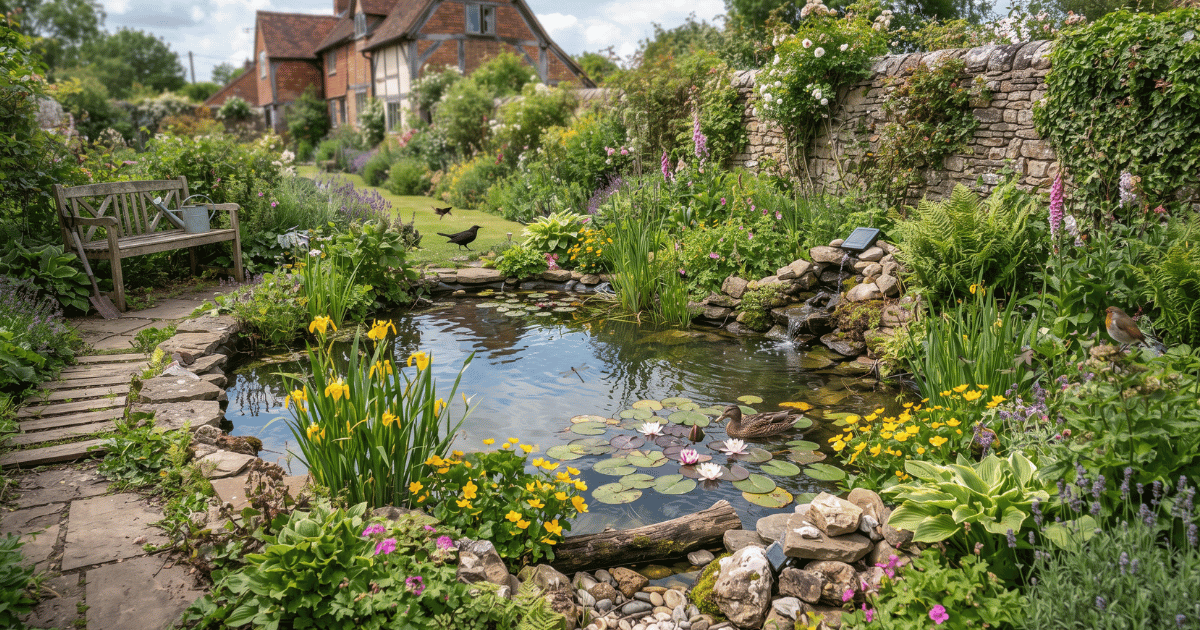
Beginner's Guide to Building a Garden Pond (UK 2026)
A beginner's guide to building a garden pond in the UK, plus our pick of the best preformed ponds, liners, pumps, filters and fish food - and why a wildlife pond needs different features from a fish pond.