
Best Plants for Pollinators UK: Attract Bees and Butterflies
Discover the best plants for pollinators in the UK. Learn how to attract bees and butterflies all year with our expert guide to nectar-rich flowers.
Key takeaways
- From the iconic Bombus terrestris (Buff-tailed bumblebee) to the Aglais io (Peacock butterfly), these insects are responsible for pollinating over 75% of our food crops and the majority of our wild flowers.
- To support bees and butterflies all year, you must understand the "hunger gaps." These are times, particularly in late winter and July, when natural forage can be scarce.
- In the UK, bumblebee queens emerge from hibernation when temperatures consistently reach above 10°C.
- To attract the widest variety of butterflies like the Comma or Small Tortoiseshell , you should plant in large "drifts." Insects see colour more easily when it is grouped together rather than scattered.
- Many UK gardeners tidy their gardens too early in the autumn, cutting back the very plants that pollinators need for their final fuel storage before winter.
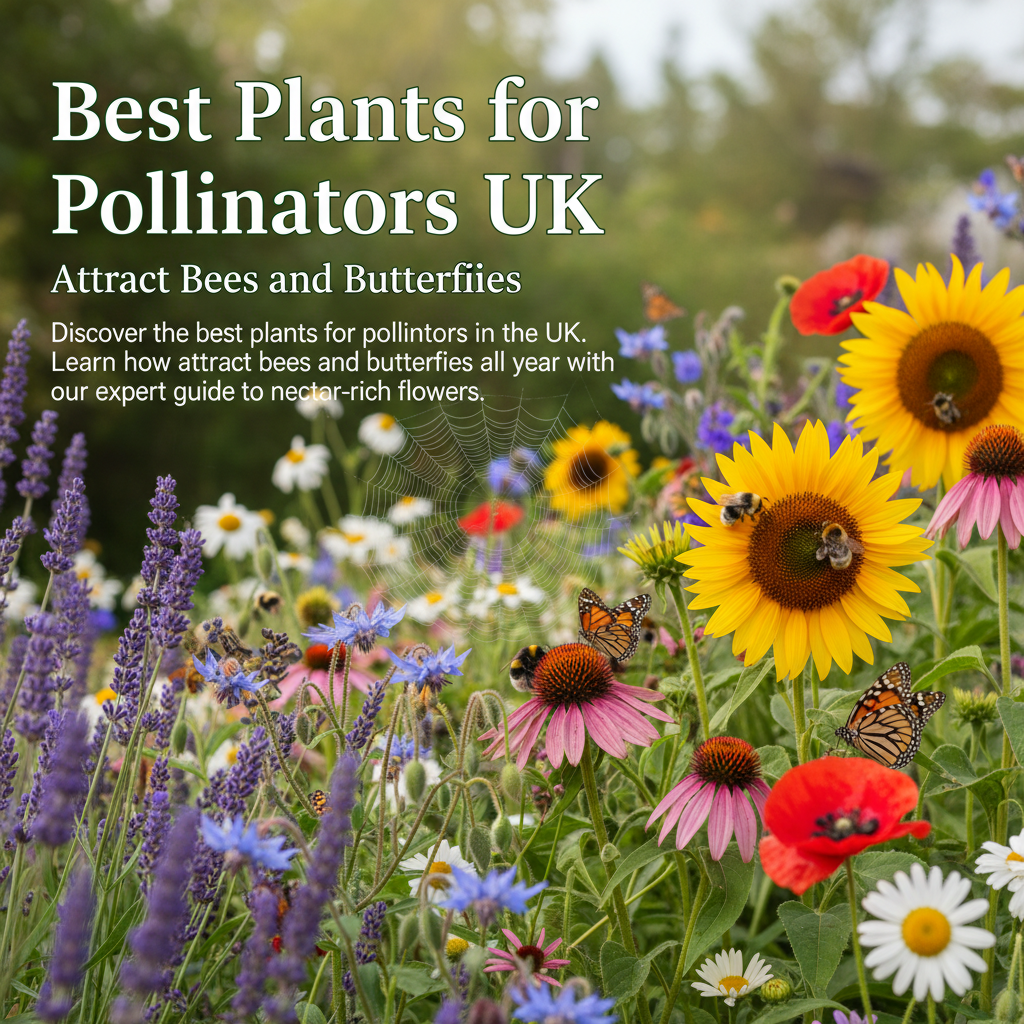
The best plants for pollinators in the UK are those that provide a continuous supply of nectar and pollen from early spring through to late autumn. Key choices include Hellebores for winter, Lavender and Buddleja for summer, and Ivy for late autumn.
Selecting a variety of flower shapes, such as tubular foxgloves for bumblebees and flat-topped sedums for butterflies, ensures you support a diverse range of British insect species throughout their entire lifecycles.
Top Tips Pollinator-Friendly Garden
- Succession is Critical: Aim for at least two plant species in flower during every month of the year.
- Go Native: Incorporate native UK species like Digitalis purpurea (Foxglove) which have evolved alongside local bees.
- Avoid Double Blooms: Choose "single" flowers where reproductive parts are visible; "double" varieties often lack accessible nectar.
- Chemical-Free Gardening: Avoid pesticides, particularly neonicotinoids, which are harmful to bees and hoverflies.
- Provide Water: A shallow dish with stones (for landing) helps pollinators stay hydrated during hot UK summers.
Why is Pollinator Gardening Important in the UK?
Pollinators are the backbone of the British ecosystem. From the iconic Bombus terrestris (Buff-tailed bumblebee) to the Aglais io (Peacock butterfly), these insects are responsible for pollinating over 75% of our food crops and the majority of our wild flowers. However, due to habitat loss and climate change, many species are in decline. By choosing the best plants for pollinators, UK gardeners can create vital "B-Lines" -wildflower-rich pathways that allow insects to move through our landscape.
According to the Royal Horticultural Society (RHS), UK gardens cover an area larger than all of our National Nature Reserves combined. This means your back garden, no matter how small, plays a critical role in supporting biodiversity. The goal is to provide a "365-day buffet" of forage.
What Are the Best Plants for Pollinators by Season?
To support bees and butterflies all year, you must understand the "hunger gaps." These are times, particularly in late winter and July, when natural forage can be scarce. The following table provides a blueprint for year-round nectar provision in a typical UK climate.
| Season | Primary Pollinator Plants | Target Insects | RHS Hardiness |
|---|---|---|---|
| Spring | Wallflowers, Bluebells, Fruit blossoms (Apple/Cherry) | Queen bees, Early butterflies | H4 - H6 |
| Summer | Lavender, Buddleja, Verbena bonariensis | Honeybees, Meadow Brown, Skippers | H3 - H5 |
| Autumn | Michaelmas Daisies, Sedum (Hylotelephium), Ivy | Red Admirals, Migrating hoverflies | H6 - H7 |
| Winter | Hellebores, Winter Honeysuckle, Mahonia | Buff-tailed bumblebee (winter active) | H5 - H7 |
Spring Lifelines: Supporting Early Emerging Queens
In the UK, bumblebee queens emerge from hibernation when temperatures consistently reach above 10°C. They are hungry and need immediate energy to start their new colonies. Helleborus orientalis (Lenten Rose) is a powerhouse for February and March. Following this, Pulmonaria (Lungwort) offers early nectar that is particularly attractive to the Anthophora plumipes (Hairy-footed flower bee).
Best Spring Flowers for UK Bees
- Erysimum 'Bowles's Mauve' (Wallflower): A short-lived perennial that often starts flowering in February and continues for months.
- Fruit Trees: If you have space, a 'Discovery' apple or 'Conference' pear provides thousands of blossoms in one go.
- Crocus: Planting these in lawns provides an essential high-protein pollen source for early honeybees.
The Summer Glut: Maximising Butterfly Diversity
Summer is the peak season for garden activity. To attract the widest variety of butterflies like the Comma or Small Tortoiseshell, you should plant in large "drifts." Insects see colour more easily when it is grouped together rather than scattered. Lavender (specifically Lavandula x intermedia 'Grosso') and Buddleja davidii (Butterfly Bush) are the gold standards here.
Recommended Summer Varieties
Experts recommend Verbena bonariensis for its tall, airy stems that allow butterflies to perch easily. Combined with Echinops (Globe Thistle), you provide both nectar and a structural habitat for insects to shelter during summer rain showers.
- Lavender (Angustifolia and Intermedia): Ensure full sun and well-drained soil.
- Foxgloves (Digitalis): Essential for long-tongued bees like the Garden Bumblebee.
- Scabious (Small Scabious): Often called the "pincushion flower," it is a magnet for the Six-spot Burnet moth.
Late Season Forage: Surviving the Autumn
Many UK gardeners tidy their gardens too early in the autumn, cutting back the very plants that pollinators need for their final fuel storage before winter. Hedera helix (Common Ivy) is perhaps the most important plant in the UK for late-season biodiversity. It flowers in October and November when almost nothing else is available, supporting the Ivy Bee (Colletes hederae).
Top Autumn Plants for Pollinators
- Sedum 'Autumn Joy': A flat landing platform perfect for butterflies and late hoverflies.
- Symphyotrichum (Michaelmas Daisies): Provides a late burst of purples and pinks.
- Single Dahlias: Varieties like 'Bishop of Llandaff' offer accessible nectar unlike the "pom-pom" types.
- Assess Your Sunlight: Most pollinator plants require at least 6 hours of direct sunlight. Pollinators are cold-blooded and need the sun's warmth to fly.
- Plant in Clusters: Group at least 3-5 of the same plant together. This helps insects forage more efficiently by reducing flight time between flowers.
- Incorporate Different Flower Shapes:
- Tubular: For long-tongued bees (Foxgloves, Honeysuckle).
- Bowl-shaped: For short-tongued bees (Poppies, Roses).
- Flat/Umbels: For hoverflies and butterflies (Fennel, Sedum).
- Provide Nesting Sites: Leave some bare earth for mining bees and "wild" corners of long grass for bumblebee nests.
How to Design a Pollinator-Friendly Border
Creating a space that attracts bees and butterflies requires more than just picking the right plants; it’s about the arrangement and environment. Follow these steps to optimise your garden layout:
Which Plants Should I Avoid?
Not all flowers are helpful. Many modern hybrids have been bred for aesthetics over ecological value. "Double-flowered" varieties, such as many hybrid Tea Roses or formal Dahlias, have extra petals that have replaced nectar-producing structures or physically block access to the centre of the flower. Always look for the RHS 'Plants for Pollinators' logo when shopping at UK garden centres.
"A garden without insects is a garden incomplete. By selecting single-flowered varieties and ensuring a sequence of blooms, we transform our outdoor spaces into vital carbon-capturing, life-supporting havens." - UK Wildlife Gardening Ethos
Creating a haven for pollinators in the UK is a rewarding endeavour that pays dividends in garden health and biodiversity. By focusing on a "year-round" approach—from the first winter Hellebore to the last autumn Ivy bloom - you ensure that our threatened bees and butterflies have the fuel they need to survive. Start small, avoid chemicals, and watch as your garden transforms into a buzzing, vibrant ecosystem.
Frequently Asked Questions
What is the single best plant for bees in the UK?
Do butterflies like the same plants as bees?
When is the best time to plant for pollinators?
Can I attract pollinators to a shade garden?
How do I attract butterflies to a small balcony?
Tags
Comments
Join the conversation
Create a free account to leave comments, share photos, and connect with other gardeners.
Related Articles
Winter Garden Tidying
Winter might seem like a quiet time in the garden, but it's crucial for laying the groundwork for a spectacular spring and summer. This guide provides UK gardeners with actionable advice on essential winter tidying tasks, from preparing your soil to maintaining tools and creating a pest-free environment.
Winter Lawn Care UK: Your Essential Guide to a Resilient Lawn
Ensuring your lawn thrives through the UK's colder months requires specific preparation. This guide from Garden-Review provides essential, actionable advice to safeguard your lawn against winter stresses, from correct autumnal mowing to combating common issues like moss and fungal diseases, guaranteeing a vibrant return in spring.
How to Grow Perfect, Straight Carrots in UK Soils
Master the art of growing crunchy, straight carrots in your UK garden. From avoiding carrot fly to soil prep, here is everything you need for success.
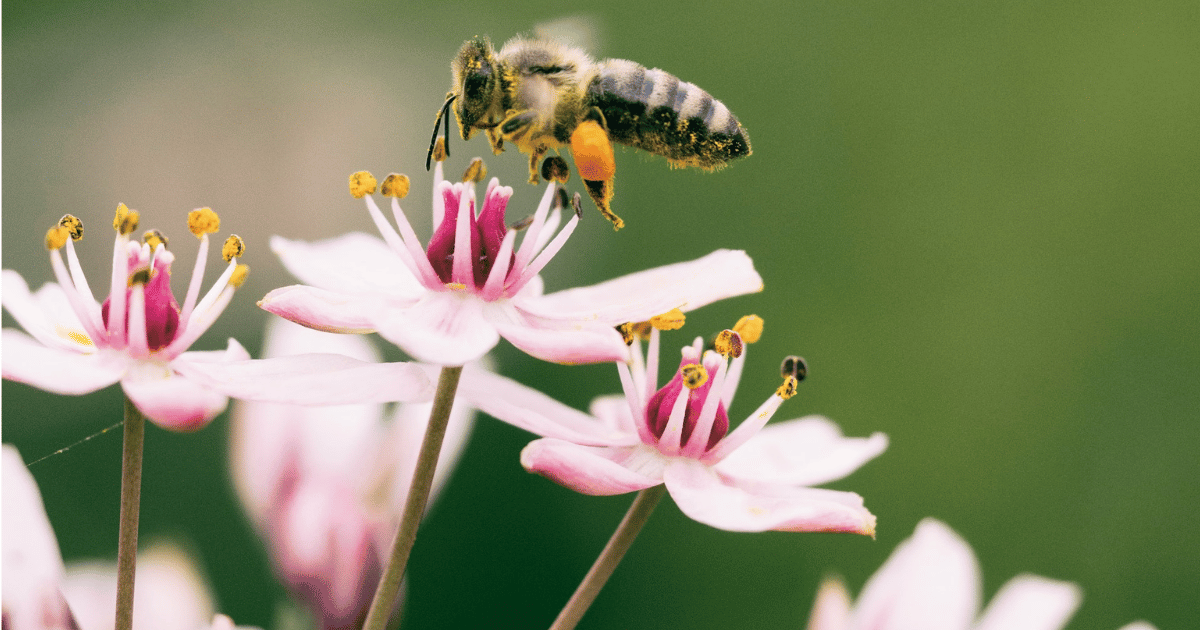
How to Design a Pollinator-Friendly Garden in the UK
A UK guide to designing a pollinator-friendly garden, with season-by-season plant choices, nesting habitat tips, and pitfalls to avoid.
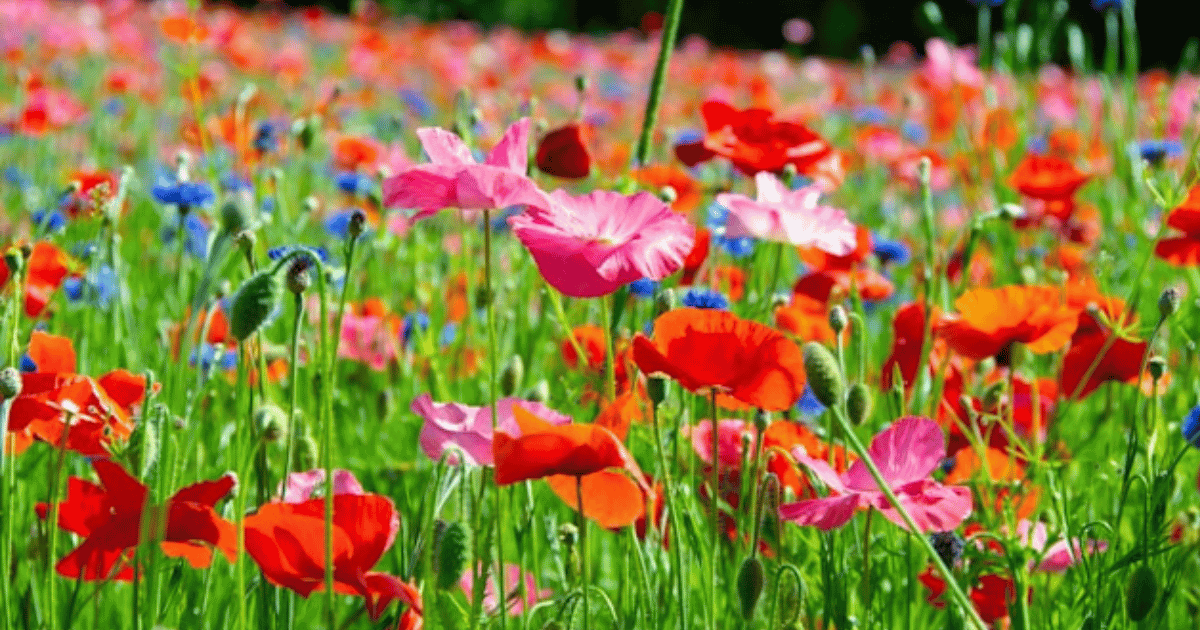
How to Create a Wildflower Meadow in a UK Garden
A practical UK guide to creating a wildflower meadow or mini-meadow, from choosing seed mixes and sowing yellow rattle to annual cutting.
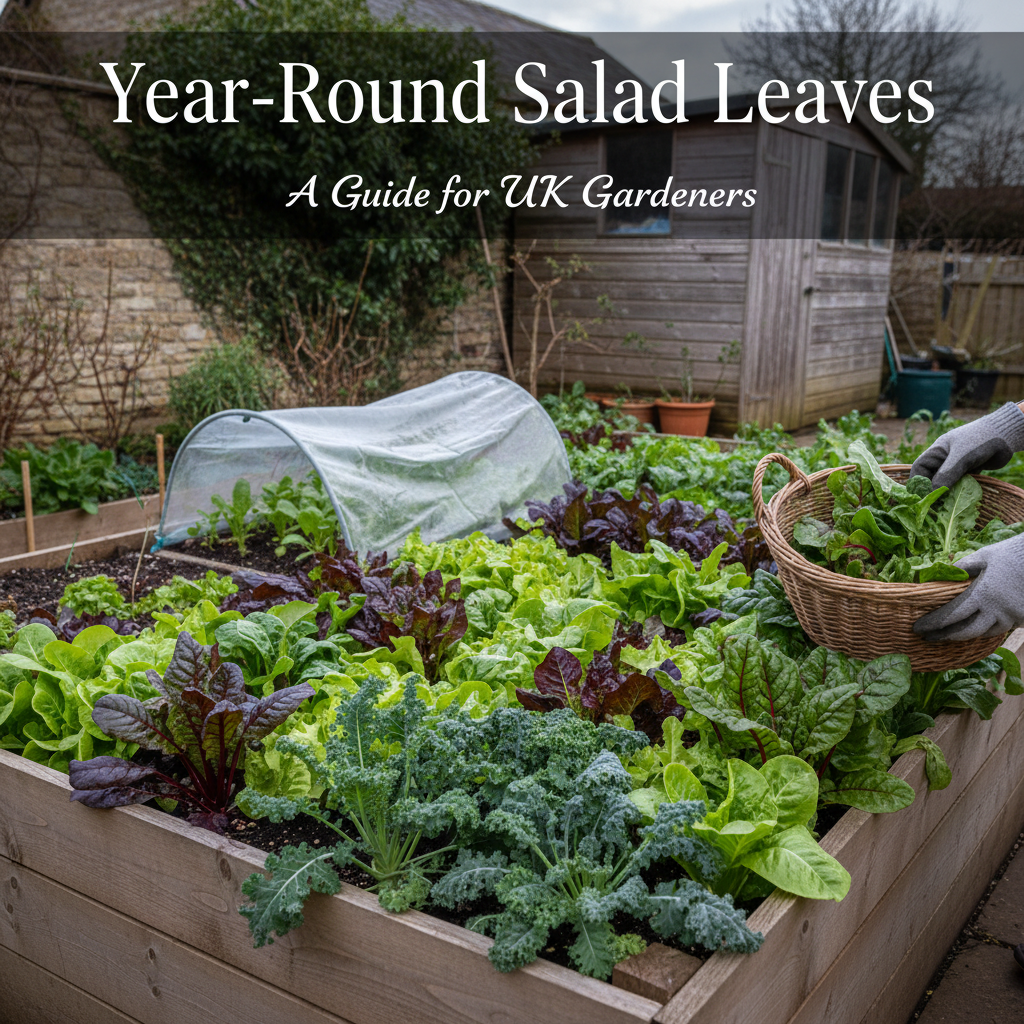
Year-Round Salad Leaves: A Guide for UK Gardeners
Discover how to grow fresh, organic salad leaves in your UK garden all year round. Expert tips on varieties, sowing schedules, and winter protection.